Greatest empires in history
Throughout history, a handful of empires have expanded across continents, reshaping cultures, borders, and the course of civilization itself. From Rome to the Mongols to the British Empire, each left behind a legacy of conquest, innovation, and influence that still echoes today. Which empire do you believe truly earned the title of greatest? Cast your vote and help settle the debate.
What counts: Seeded with approximate figures where shown — the crowd's votes decide the order.
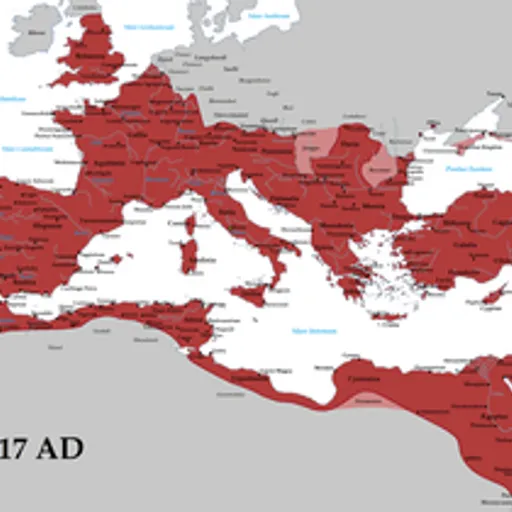
Roman Empire▲ Rising
From a single city on the Tiber to a civilization that ringed the Mediterranean, Rome gave the world concrete highways, codified law, and the very template of empire itself—Pax Romana wasn't just a slogan, it was two centuries of trade and stability under one eagle. It fell in the west in 476 AD, but its ghost runs through every parliament, cathedral, and legal code since, which is why 'fall of Rome' still means the end of an era.
Era: 27 BC–476
added by IJRin 2 rankings
67
British Empire▲ Rising
At its zenith it ruled a quarter of the globe's land and people, the empire on which the sun famously never set, exporting railways, cricket, and common law from Lagos to Delhi to Sydney. It also ran the transatlantic slave trade's later chapters and drew borders that still bleed today, but no polity before or since projected naval and industrial power so completely across every ocean.
Era: 1600s–1900s
added by IJRin 2 rankings
65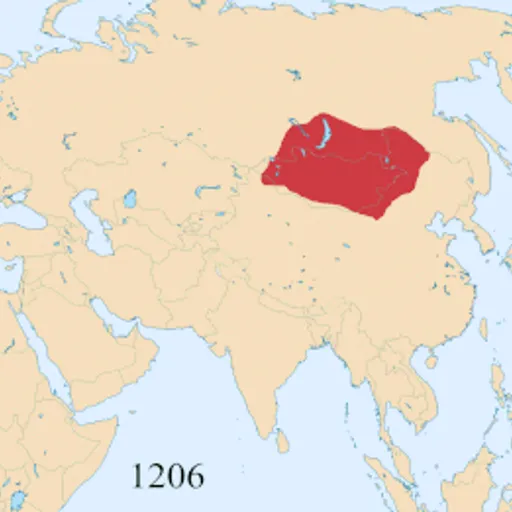
Mongol Empire▲ Rising
Genghis Khan united feuding steppe tribes and in barely seventy years his heirs conquered more contiguous territory than any empire before or since, from Korea to Hungary, killing on a scale that reshaped Eurasia's demographics. Yet the Pax Mongolica that followed reopened the Silk Road, moved gunpowder and printing westward, and proved that horseback terror could also engineer the first truly global trade network.
Era: 1200s
added by IJRin 2 rankings
40
Ottoman Empire▲ Rising
Mehmed II's cannons finally cracked Constantinople's walls in 1453, ending Byzantium and launching six centuries of Ottoman rule stretching from Algiers to the Persian Gulf to the gates of Vienna. It fused Turkish, Arab, and Balkan worlds under one sultan-caliph, and its slow twentieth-century collapse—the 'sick man of Europe'—redrew the modern Middle East's map, borders we're still arguing over.
Era: 1300s–1922
added by IJRin 2 rankings
25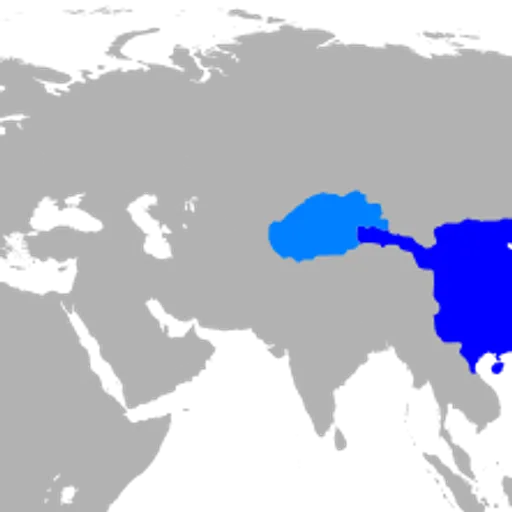
Han Dynasty▲ Rising
Named the ancestral identity of over a billion Chinese people to this day, the Han took Qin's brutal unification and made it durable, opening the Silk Road under Emperor Wu and institutionalizing Confucian civil service exams that would outlast the dynasty by two millennia. Four centuries of near-continuous rule set the bureaucratic and cultural template for every Chinese empire that followed.
Era: 200s BC
added by IJRin 3 rankings
11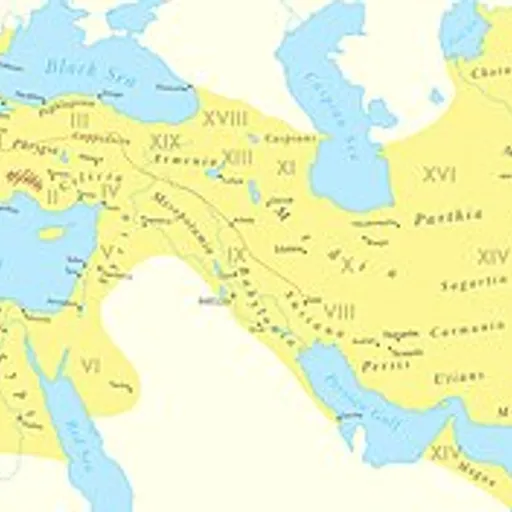
Persian Empire
Cyrus the Great walked into Babylon and freed its captives instead of slaughtering them, inventing a model of tolerant, multiethnic rule that let the Achaemenid Empire span from Egypt to the Indus on royal roads and a postal system Herodotus marveled at. It gave us satrapies, Zoroastrian ethics that echo in later monotheisms, and the original rival that forced Greece to become Greece.
Era: 500s BC
added by IJR
-3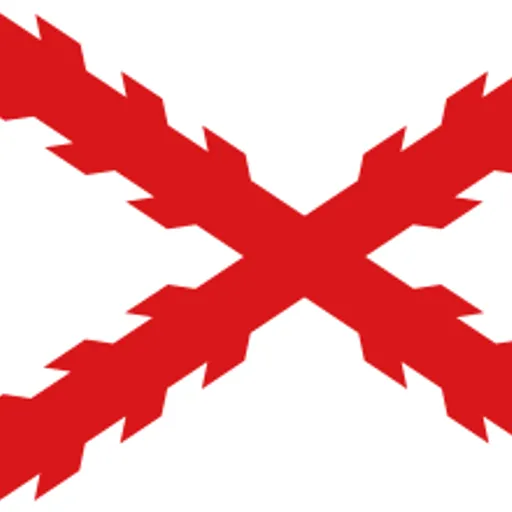
Spanish Empire▼ Falling
Columbus's 1492 landfall triggered the first truly global empire, one that shipped Andean and Mexican silver across oceans to fund European wars and made Spanish the mother tongue of nearly half a billion people today. It also perpetrated the conquest and near-annihilation of entire civilizations, the Aztec and Inca among them—an empire whose scale of wealth extraction and violence set the brutal playbook for colonialism that followed.
Era: 1500s–1800s
added by IJRin 2 rankings
-19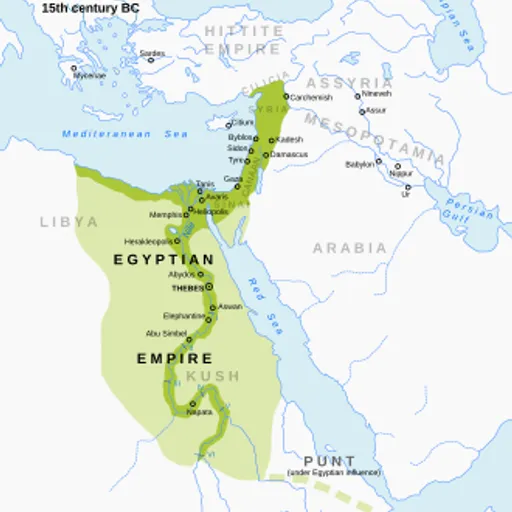
Egyptian Empire▼ Falling
Three thousand years of continuous civilization along one river produced the pyramids, the first centralized bureaucratic state, and pharaohs like Ramesses II and Hatshepsut who turned the Nile's flood cycle into an engine of monumental permanence. No empire on this list simply lasted longer, and its writing system, medicine, and monumental architecture still define what 'ancient' even looks like in the popular imagination.
Era: 1500s BC
added by IJR
-27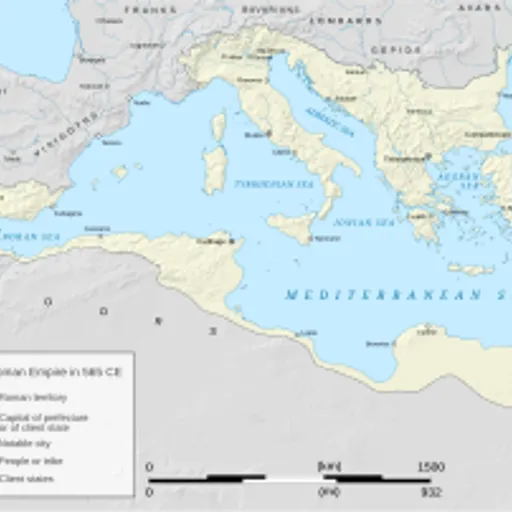
Byzantine Empire▼ Falling
While Rome burned in the west, Constantinople kept the empire alive for another thousand years, with Justinian's codified law and the Hagia Sophia's dome standing as proof the classical world hadn't actually ended. Its 1453 fall to Ottoman cannon is one of history's great hinge moments, but for a millennium it was Europe's shield against Persian and Arab expansion and the vault that preserved Greek learning for the Renaissance.
Era: 330–1453
added by IJRin 3 rankings
-29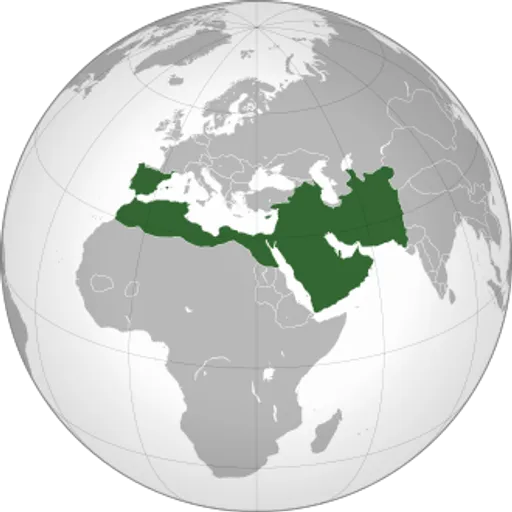
Umayyad Caliphate▼ Falling
Within a century of Muhammad's death, Umayyad armies had carried Islam from Spain to the Indus, the fastest imperial expansion in history before the Mongols, built on cavalry, administrative genius, and a new faith's momentum. Damascus became the center of a civilization that would soon light the Islamic Golden Age, and Al-Andalus alone reshaped Europe's mathematics, medicine, and architecture for centuries.
Era: 600s
added by IJRin 3 rankings
-37
Keep ranking
Comments (7)
Free account · your comment posts right after signup
Exactly the kind of argument the internet was built for.
This order is closer to right than any editor would've gotten.
Voted — and the gap between #1 and #2 should be bigger.
- PPablo SilvaJul 28, 2026
The crowd is sleeping on the bottom half of this list.