Greatest explorers in history
Throughout human history, bold adventurers have pushed beyond the known edges of maps, braving uncharted oceans, frozen wastelands, and towering mountains in pursuit of discovery. Their courage and curiosity reshaped our understanding of the world and expanded the boundaries of what humanity dared to attempt. Who do you think deserves the title of history's greatest explorer? Cast your vote and help settle the debate.
What counts: Seeded with approximate figures where shown — the crowd's votes decide the order.
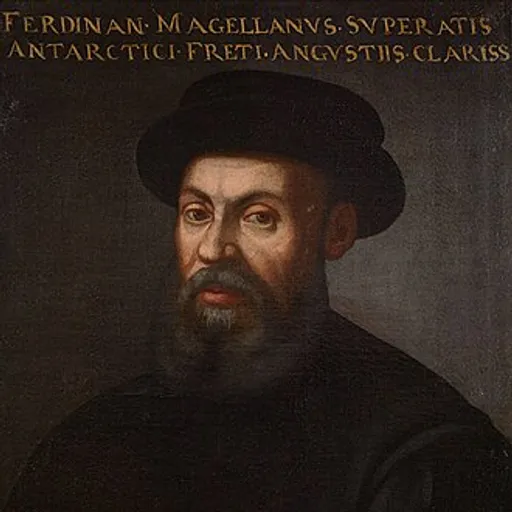
Ferdinand Magellan▲ Rising
He set out to prove the earth could be circled and died halfway through proving it, cut down by Lapu-Lapu's warriors in the Philippines before his ships ever finished the loop. Yet the Victoria limped home three years later with 18 starved survivors, having accomplished what no expedition ever had — actual, physical confirmation that the world was round and whole. The cost was almost the entire crew and Magellan's own life, which is exactly why the achievement still feels staggering.
Era: 1500s
added by IJRFerdinand Magellan
72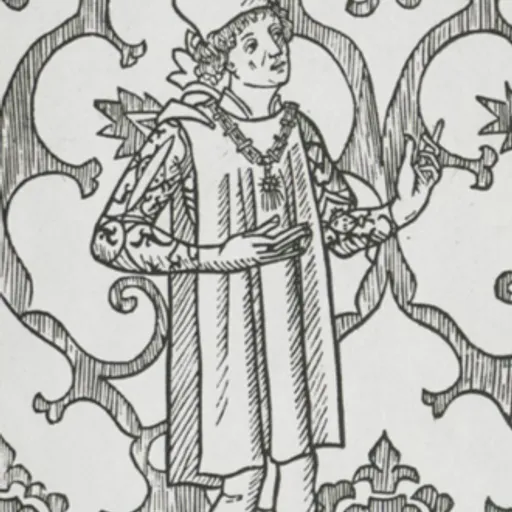
Marco Polo▲ Rising
A Venetian teenager walked the Silk Road to Kublai Khan's court and stayed for 17 years, returning with tales of paper money, coal-burning, and a Chinese empire so vast Europeans assumed he was lying. His prison-cell dictated memoir, 'Il Milione,' became the medieval world's bestseller and directly inspired Columbus, who annotated his own copy obsessively. He didn't discover Asia — Asia already existed and knew about itself — but he cracked open European imagination like nothing before him.
Era: 1200s
added by IJR
66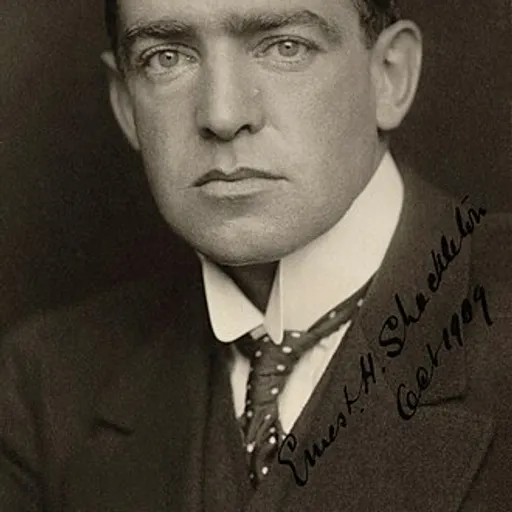
Ernest Shackleton▲ Rising
When the Endurance was crushed by pack ice, Shackleton's actual triumph began: a thousand-mile open-boat journey across the Southern Ocean followed by a suicidal traverse of South Georgia's uncharted mountains, all to save 27 men stranded without losing a single life. He never reached the pole he was chasing, but he redefined what leadership under catastrophe looks like, and that failure-turned-rescue is arguably a greater feat of exploration than any flag ever planted. Endurance's wreck, found pristine on the seafloor in 2022, only cemented the legend.
Era: 1900s
added by IJRErnest Shackleton
32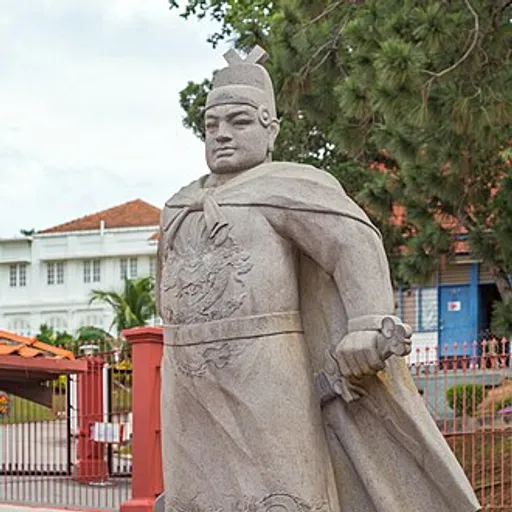
Zheng He
Commanding treasure fleets of hundreds of ships and tens of thousands of men — dwarfing anything Europe would launch for another century — this Ming admiral sailed from China to East Africa seven times, projecting Chinese power and collecting a giraffe for the emperor's zoo along the way. His voyages were diplomatic and commercial spectacles rather than conquests, and when China abruptly turned inward and burned the fleet's records, an entire alternate history of oceanic dominance vanished with them. He belongs on this list as proof exploration's greatest what-if belongs to China, not Europe.
Era: 1400s
added by IJR
12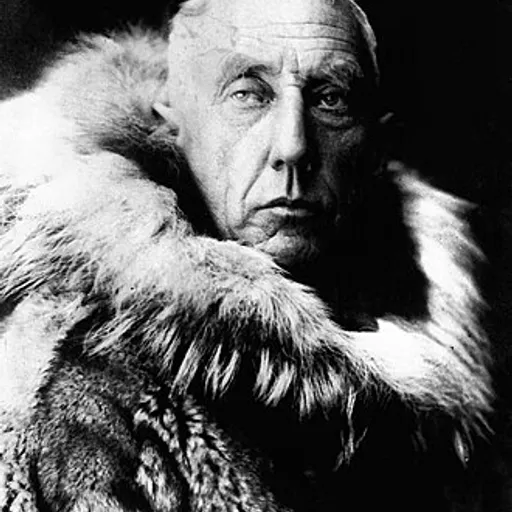
Roald Amundsen
He told his crew they were headed for the Arctic, then quietly redirected to Antarctica and beat Robert Falcon Scott to the South Pole by over a month, using dogs, skis, and ruthless logistical planning where Scott used ponies and bad luck. Amundsen's men skied home fat and alive; Scott's team died in a tent 11 miles from a supply cache. He also nailed the Northwest Passage and later vanished searching for a downed airship — a career of getting the cold calculus of polar survival right until the one time he didn't.
Era: 1900s
added by IJR
-4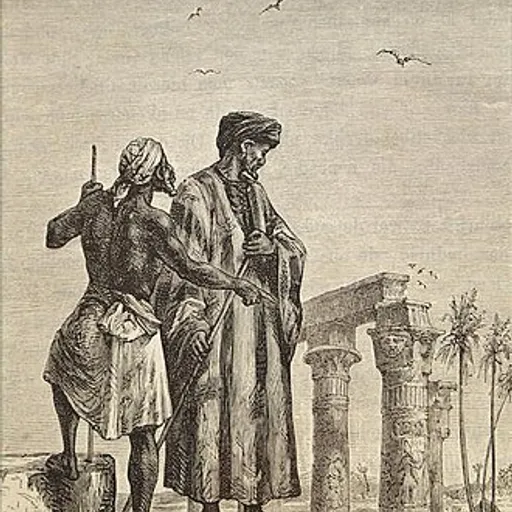
A 21-year-old Moroccan set out for Mecca and just kept going, eventually covering roughly 75,000 miles across Africa, the Middle East, India, China, and Southeast Asia over three decades — a distance that dwarfs Marco Polo's and predates the Age of Sail entirely. He served as a judge in the Maldives, survived shipwrecks and bandit ambushes, and dictated it all into the 'Rihla,' the richest travelogue of the medieval Islamic world. No one before him had stitched together so much of the known world through sheer restless curiosity.
Era: 1300s
added by IJRIbn Battuta
-6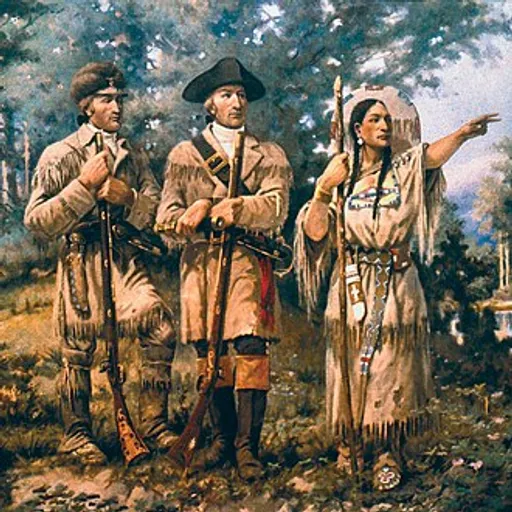
Sacagawea▼ Falling
A Shoshone teenager, pregnant and later carrying an infant on her back, served as translator and diplomatic key for Lewis and Clark's expedition, and her mere presence with a baby signaled to wary tribes that the group was not a war party. Her most electric moment came reuniting with her long-lost brother, now a Shoshone chief, whose horses saved the expedition's crossing of the Rockies. Without her the Corps of Discovery likely doesn't survive intact, yet she received none of the fame or pay her male counterparts did — a correction this ranking insists on.
Era: 1800s
added by IJRSacagawea
-11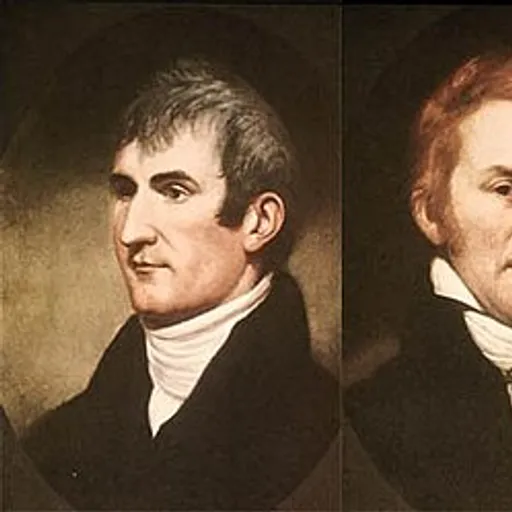
Lewis and Clark▼ Falling
Jefferson sent two army officers and the Corps of Discovery up the Missouri to find a water route to the Pacific; there wasn't one, but they mapped, cataloged, and diplomatically threaded 8,000 miles of unknown continent anyway, cataloging over 200 new species along the way. Their journals became the foundational text of American westward expansion, for better and for the Native nations for worse. The expedition's real genius was survival through negotiation and adaptation, not conquest — a rare instance of exploration succeeding by listening.
Era: 1800s
added by IJRin 2 rankings
-12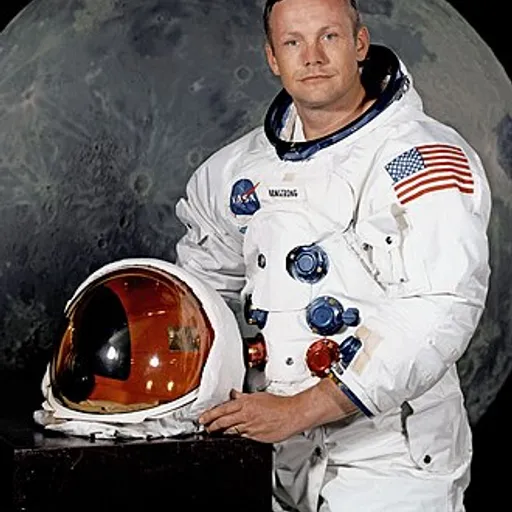
Neil Armstrong▼ Falling
On July 20, 1969, he stepped off a ladder onto dust no human had ever touched and said the line every schoolchild since has memorized, closing a space race that had consumed a decade and a nation's treasury. It wasn't exploration in the wandering sense — it was the most engineered, rehearsed, high-stakes single footstep in history — but it moved the species' frontier off the planet entirely. Nothing on this list changed the ceiling of what 'exploring' even means quite like Apollo 11.
Era: 1900s
added by IJR
-27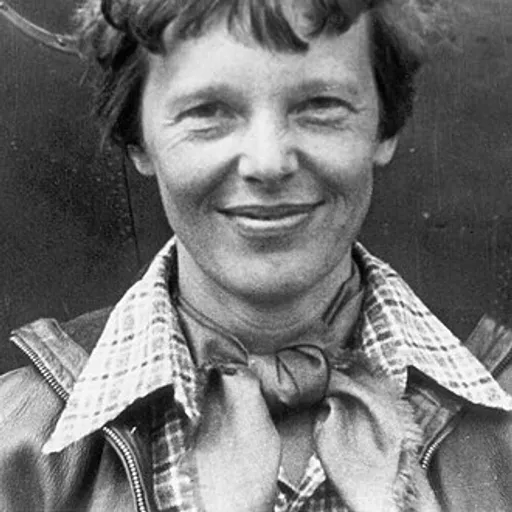
Amelia Earhart▼ Falling
She became the first woman to fly solo across the Atlantic, then spent the rest of her career shattering aviation records built for men, before vanishing over the Pacific in 1937 attempting to circle the globe by air. The disappearance turned her into exploration's most enduring mystery, but it shouldn't overshadow that she was already the most famous pilot alive, male or female, purely on the strength of what she'd flown through and survived. She belongs here for opening the sky to a category of person previously told to stay on the ground.
Era: 1900s
added by IJRAmelia Earhart
-32
Keep ranking
Comments (7)
Free account · your comment posts right after signup
Exactly the kind of argument the internet was built for.
This order is closer to right than any editor would've gotten.
- AAndre SilvaJul 29, 2026
The crowd is sleeping on the bottom half of this list.
- CCaleb IvanovJul 29, 2026
Voted — and the gap between #1 and #2 should be bigger.