Greatest F1 drivers of all time
Formula 1 has produced legends who redefined speed, precision, and courage across generations of racing. From Fangio to Senna to Schumacher to Hamilton, the debate over who truly sits atop motorsport's throne has fueled countless arguments among fans worldwide. Now it's your turn to settle the score — cast your vote for the greatest F1 driver of all time.
What counts: Seeded with approximate real-world figures — the crowd's votes decide the order from here.
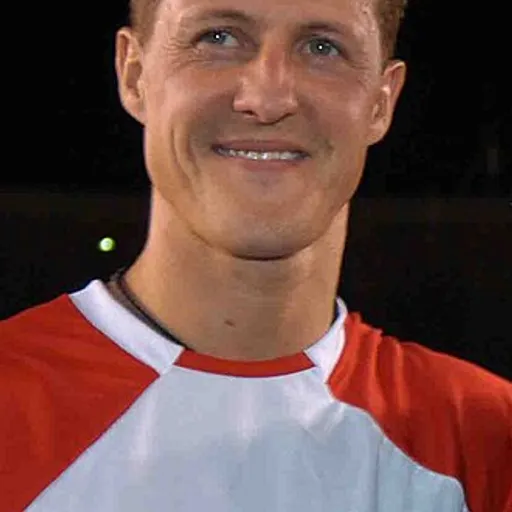
Michael Schumacher▲ Rising
Schumacher turned Ferrari from a floundering giant into a red juggernaut, dragging a team that hadn't won a driver's title since 1979 to five straight from 2000. His ruthlessness — Adelaide '94, Jerez '97 — is the permanent asterisk, but the sheer numbers, the fitness regime that changed how drivers trained, and the raw speed in the rain at Spa '92 or Barcelona '96 are undeniable. He set the statistical bar every driver since has been measured against.
Championships: 7Race wins: 91
added by IJRin 2 rankings
36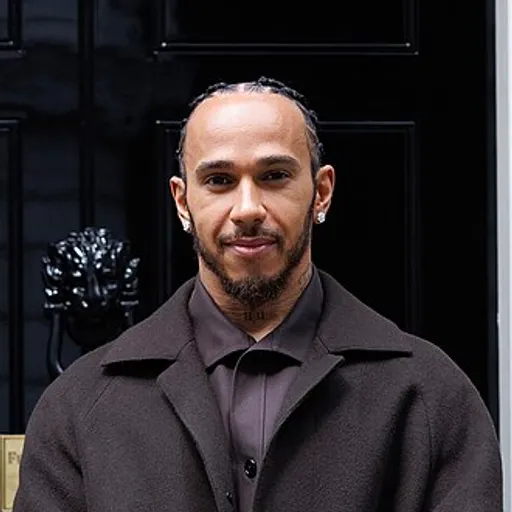
Lewis Hamilton▲ Rising
From karting in Stevenage to matching Schumacher's seven titles, Hamilton rewrote what a modern F1 driver could be — a wet-weather maestro who won Silverstone in a downpour more times than seems fair. Abu Dhabi 2021 was a gut-punch robbery, but it can't erase a career of overtakes at Interlagos and Turn 130R that redefined racecraft. He didn't just win championships; he turned the sport's demographics upside down and forced it to reckon with who gets to be a star.
Championships: 7Race wins: 105
added by IJRin 2 rankings
28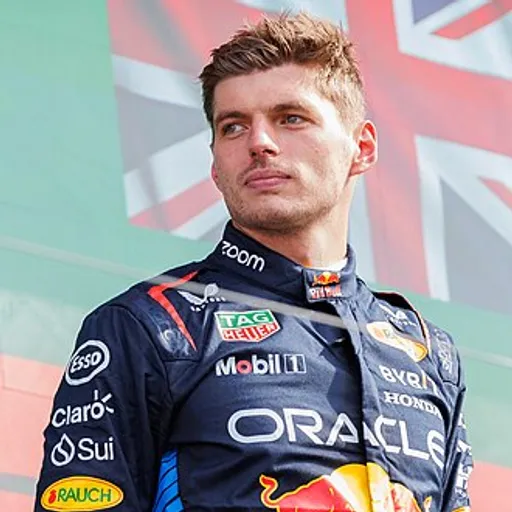
Max Verstappen▲ Rising
Verstappen debuted at seventeen and by Interlagos 2016 in a monsoon was already schooling veterans, but it's the Red Bull dominance of 2022-2023 — 19 wins in a season — that put him in a different statistical universe. Abu Dhabi 2021 will forever divide opinion on how his first title arrived, but the sheer violence of his overtakes, like the outside pass on Leclerc at Circuit of the Americas, shows a driver with almost no fear of consequence. He's the clearest heir to the Schumacher-era idea of total dominance.
Championships: 4Race wins: 63
added by IJRin 2 rankingsMax Verstappen
23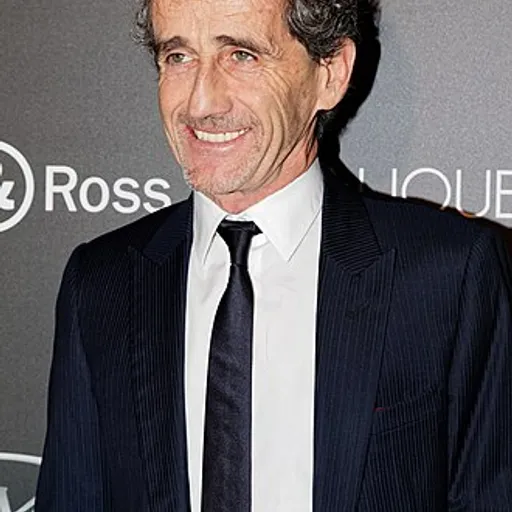
Alain Prost▲ Rising
'The Professor' won four titles by out-thinking everyone, treating tire wear and fuel strategy like chess while rivals treated the sport like a demolition derby. His rivalry with Senna at McLaren — the two collisions at Suzuka in '89 and '90 that each decided a championship — defined an era of genius against genius, calculation against fury. Prost's 51 wins were built on efficiency, not spectacle, and that's exactly the argument for why the ruthless pragmatist deserves to sit near the very top.
Championships: 4Race wins: 51
added by IJRin 2 rankingsAlain Prost
20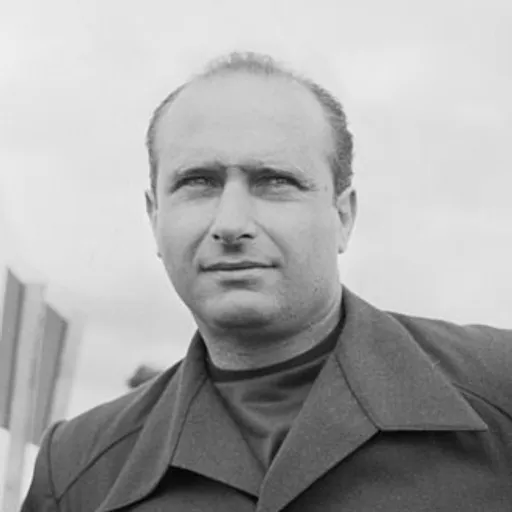
Juan Manuel Fangio▲ Rising
Fangio won five championships across four different manufacturers in the 1950s — a feat of adaptability that remains unmatched, driving for Alfa Romeo, Mercedes, Ferrari, and Maserati like a mercenary genius. His Nürburgring drive in 1957, clawing back nearly a minute after a botched pit stop to win by three seconds, is still cited as the single greatest lap in the sport's history. He raced in an era of appalling danger and somehow made winning look like the safest, smartest option every time.
Championships: 5Race wins: 24
added by IJRin 2 rankingsJuan Manuel Fangio
11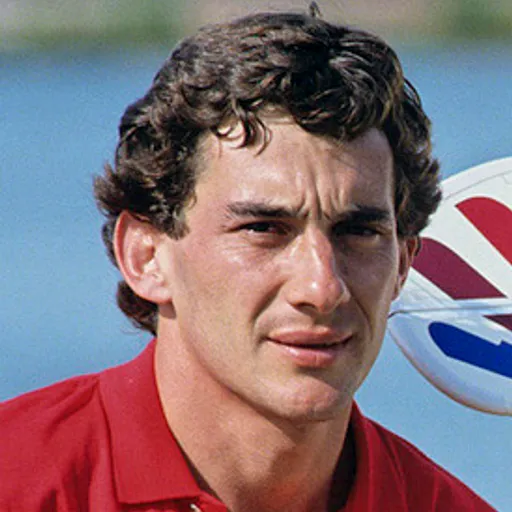
Senna's qualifying lap at Monaco 1988 — nearly two seconds faster than his own teammate Prost — is still spoken of like a religious experience, the moment a driver became visibly, uncannily one with a car. His death at Imola in 1994 froze him forever at his peak, but before that there was the sheer spiritual intensity of the rain-soaked Donington Park lap in '93, an overtaking clinic that's been called the greatest single lap ever driven. He remains the name most F1 drivers themselves cite when asked who was truly the best.
Championships: 3Race wins: 41
added by IJRin 2 rankingsAyrton Senna
-7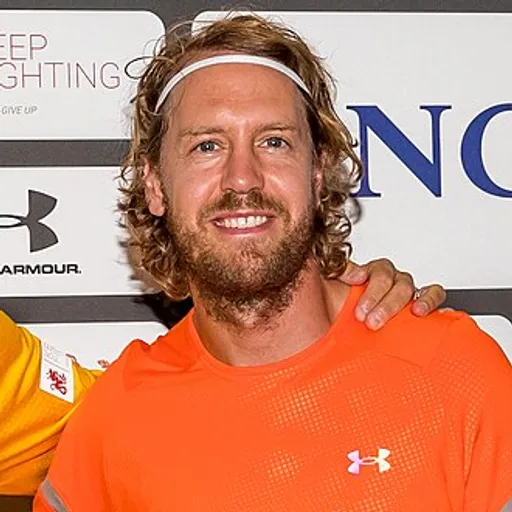
Sebastian Vettel▼ Falling
Vettel won four consecutive titles from 2010-2013, the last three utterly dominant, and did it with a Red Bull car and a metronomic precision that made pole-to-flag wins look boring by sheer repetition. The Multi-21 saga with Mark Webber revealed a competitive streak beneath the boyish grin, and his Brazil 2012 title-clinching drive from the back of the grid after a first-lap spin remains a masterclass in damage control. His later Ferrari years never delivered a title, but four in a row is a claim only a handful of names can make.
Championships: 4Race wins: 53
added by IJRin 2 rankingsSebastian Vettel
-13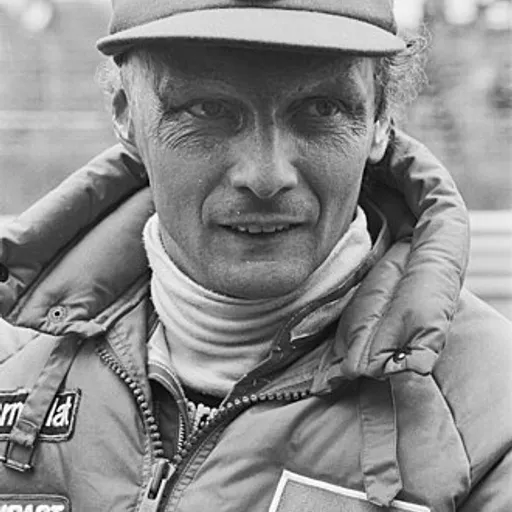
Niki Lauda▼ Falling
Lauda's story is defined by the fire at the Nürburgring in 1976 — burned, given last rites, and back in the cockpit just 42 days later to finish fourth at Monza, missing the title by a single point to Hunt. That comeback alone would cement a legacy, but he then won a third championship in 1984 with McLaren, beating his own teammate Prost by half a point in the closest finish in championship history. He brought cold, analytical intelligence to a sport of gut instinct, and survived it in every sense of the word.
Championships: 3Race wins: 25
added by IJRin 3 rankingsNiki Lauda
-34
Keep ranking
Comments (7)
Free account · your comment posts right after signup
No debate for me — Lewis Hamilton at the top is exactly right.
Put some respect on the defensive end of this argument.
- SSarah ChenJul 29, 2026
The eye test and the stats finally agree on this one.
Longevity has to count for more than peak. This order underrates it.