Greatest Olympians Ever
From superhuman feats in the pool to gravity-defying moments on the track, the Olympic Games have crowned legends whose names transcend sport itself. But when the medals are tallied and the records compared, who truly stands above the rest as the greatest Olympian of all time? Cast your vote and help settle the debate.
What counts: Ranking reflects overall Olympic legacy: total medals, gold medals, sport dominance, and lasting cultural impact. Medal counts and years are approximate and drawn from public records; rank order is a starting point for crowd voting.
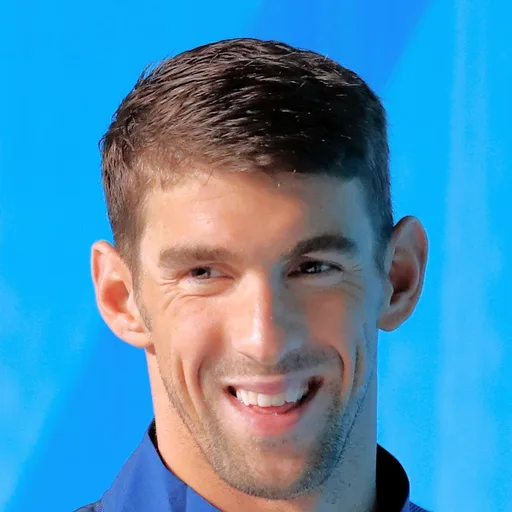
Twenty-three golds, twenty-eight medals total, an eight-gold haul in Beijing that included the greatest one-hundredth-of-a-second finish ever timed against Milorad Čavić — Phelps didn't just dominate swimming, he redefined what a single athlete's Olympic career could look like across four Games. The 'Baltimore Bullet' turned depression, redemption, and a shark-race gimmick into a decade-plus saga that makes him the statistical and cultural GOAT, full stop.
Sport: SwimmingGold Medals: 23Total Medals: 28Olympic Years: 2000-2016Cultural Impact: 10/10
added by Yourlist Editorialin 8 rankingsMichael Phelps
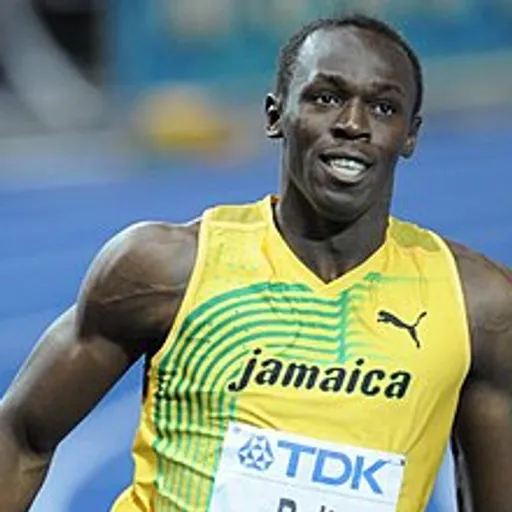
0Nobody has ever made 9.58 seconds feel like a party — Bolt won triple-triple gold in the 100m, 200m, and relay across three straight Olympics while grinning, chest-thumping, and lightning-bolting his way into global pop culture. He turned the meanest, most brutal sprint events into showmanship, proving dominance and joy aren't mutually exclusive, and no man has run faster since.
Sport: Athletics (Sprinting)Gold Medals: 8Total Medals: 8Olympic Years: 2008-2016Cultural Impact: 10/10
added by Yourlist Editorialin 9 rankingsUsain Bolt
0She named skills after herself because judges literally couldn't find comparisons — the Biles I and II turned gymnastics into a conversation about human limits, and her Tokyo 'twisties' withdrawal reframed elite sport's relationship with mental health overnight. Seven Olympic medals, four golds, and a cultural reckoning make her the most transformative gymnast in history, not just the most decorated.
Sport: GymnasticsGold Medals: 7Total Medals: 11Olympic Years: 2016-2024Cultural Impact: 9/10
added by Yourlist Editorialin 7 rankingsSimone Biles
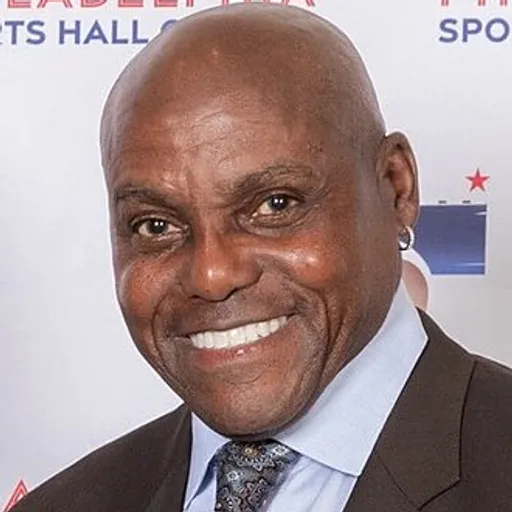
0Ten Olympic medals across four Games, back-to-back long jump golds bookending a full decade, and a 1984 haul that echoed Jesse Owens' own quadruple-gold feat in the same events — Lewis was track and field's Reagan-era showman, equal parts dominant and controversial. His longevity, spanning 1984 to 1996, is the argument: nobody sustained excellence across sprinting and jumping longer.
Sport: AthleticsGold Medals: 9Total Medals: 10Olympic Years: 1984-1996Cultural Impact: 8/10
added by Yourlist Editorialin 6 rankingsCarl Lewis
0For nearly half a century she held the record for most Olympic medals ever — eighteen, nine of them gold — won across three Games for the Soviet Union in an era when gymnastics was pure Cold War theater. Latynina is the ghost every modern great gets measured against, the quiet standard Phelps himself had to chase down decades later.
Sport: GymnasticsGold Medals: 9Total Medals: 18Olympic Years: 1956-1964Cultural Impact: 8/10
added by Yourlist Editorialin 3 rankingsLarisa Latynina
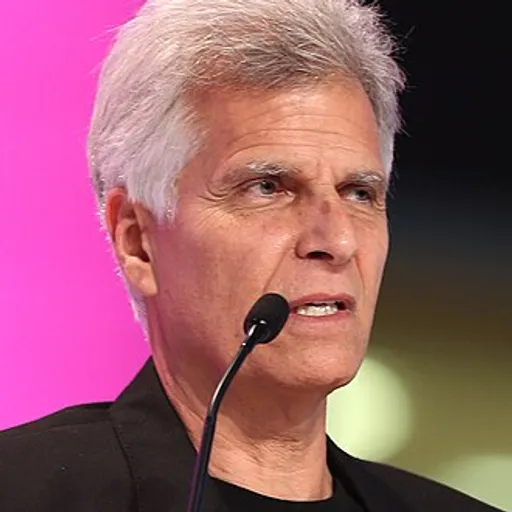
0Seven golds, seven world records, all in a single Munich Games in 1972 — before Phelps, this was the unbreakable number, the mustache-and-medals image burned into Olympic history. Spitz proved one Games could make a legend forever, and his record stood untouched for thirty-six years.
Sport: SwimmingGold Medals: 9Total Medals: 11Olympic Years: 1968-1972Cultural Impact: 8/10
added by Yourlist Editorialin 5 rankingsMark Spitz
0A fourteen-year-old scored the first perfect 10 in Olympic history in Montreal 1976, and the scoreboard literally couldn't display it — it read 1.00 because no one imagined perfection was possible. Comaneci didn't just win five golds, she rewrote gymnastics' ceiling and became the sport's first true global icon.
Sport: GymnasticsGold Medals: 5Total Medals: 9Olympic Years: 1976-1980Cultural Impact: 9/10
added by Yourlist Editorialin 3 rankingsNadia Comăneci
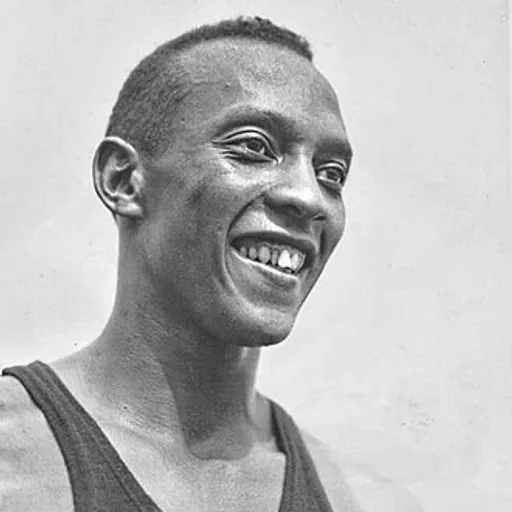
0Four golds in Berlin in 1936, run and jumped directly in Hitler's face during the Nazi propaganda showcase, turning an Olympics designed to prove Aryan supremacy into a monument to a Black American's genius instead. Owens' legacy is bigger than his stats — it's the single most politically resonant performance in Olympic history.
Sport: AthleticsGold Medals: 4Total Medals: 4Olympic Years: 1936Cultural Impact: 10/10
added by Yourlist Editorialin 4 rankingsJesse Owens
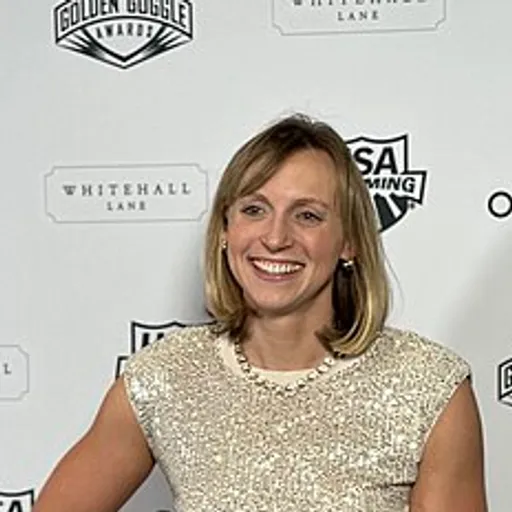
0She wins races by full pool lengths, obliterating her own world records in the 800m and 1500m freestyle with a metronomic efficiency that's made distance swimming almost boring in its predictability. Across five Olympics and counting, Ledecky has built the most dominant sustained record in women's swimming history, one lap at a time.
Sport: SwimmingGold Medals: 9Total Medals: 14Olympic Years: 2012-2024Cultural Impact: 8/10
added by Yourlist Editorialin 7 rankingsKatie Ledecky
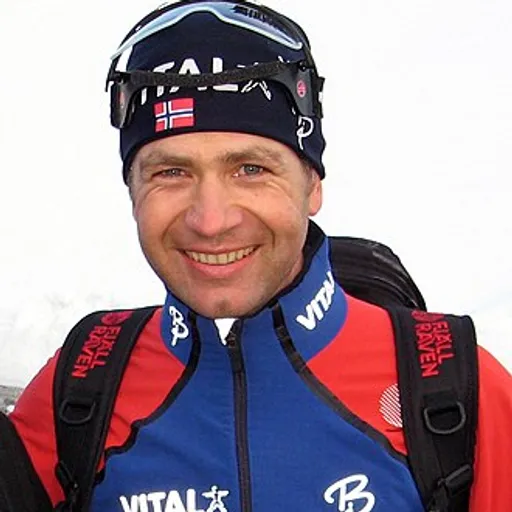
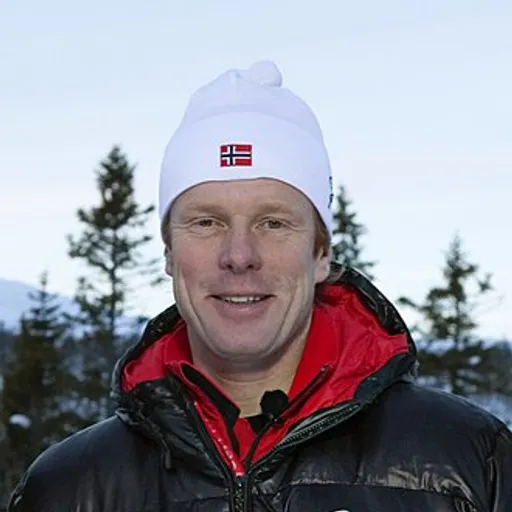
0The 'King of Biathlon' won medals across six different Winter Olympics spanning two decades, combining sniper-precision shooting with distance-skiing brutality in a sport that punishes any weakness. Thirteen medals, eight gold, and a career that outlasted entire generations of rivals make him winter sport's most quietly relentless legend.
Sport: BiathlonGold Medals: 8Total Medals: 13Olympic Years: 1998-2014Cultural Impact: 6/10
added by Yourlist Editorialin 2 rankingsOle Einar Bjørndalen
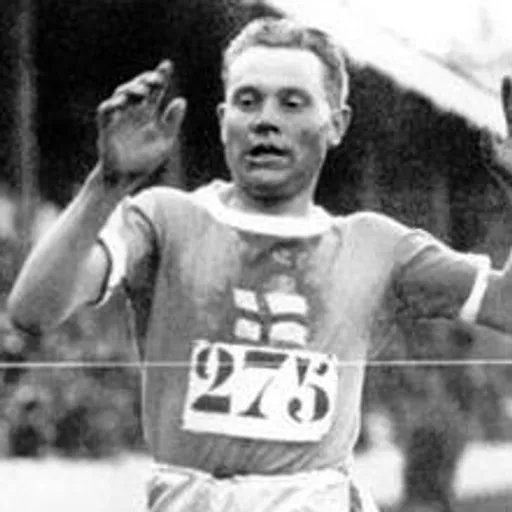
0The 'Flying Finn' won nine golds and twelve total medals in the 1920s, often racing multiple events in the same afternoon and once winning the 1500m and 5000m finals hours apart. Nurmi essentially invented the modern distance-running icon, and his stern, watch-obsessed training methods still echo through the sport a century later.
Sport: AthleticsGold Medals: 9Total Medals: 12Olympic Years: 1920-1928Cultural Impact: 7/10
added by Yourlist Editorialin 2 rankingsPaavo Nurmi
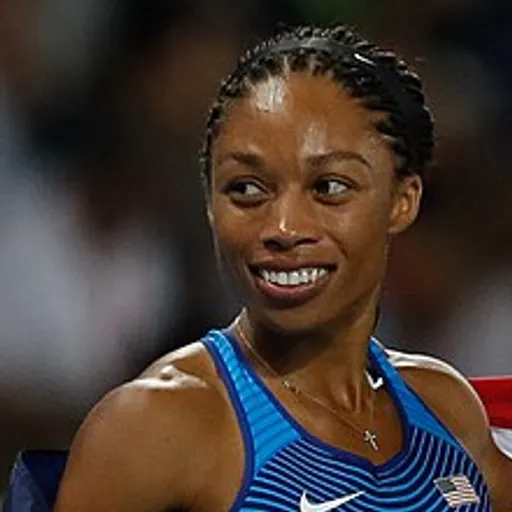
0Eleven medals, seven gold, spanning five Olympics from a teenage phenom in Athens to a new mother fighting for maternity protections in Tokyo — Felix became track's most decorated woman ever while also becoming an outspoken voice against sponsors who penalized athlete-mothers. Her longevity and advocacy both changed the sport's landscape, not just its record books.
Sport: AthleticsGold Medals: 7Total Medals: 11Olympic Years: 2004-2020Cultural Impact: 7/10
added by Yourlist Editorialin 5 rankingsAllyson Felix
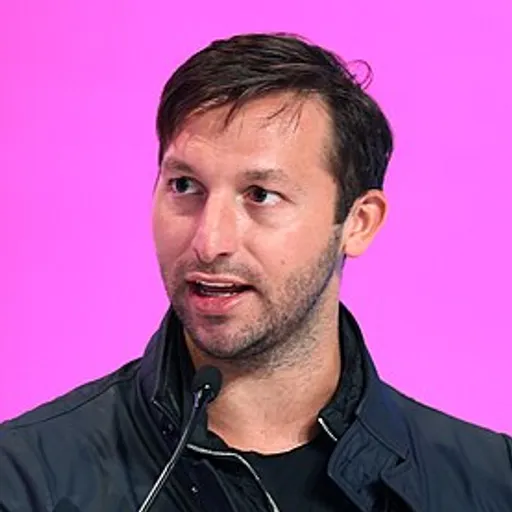
0'Thorpedo' broke onto the scene as a teenager with size-17 feet and a wingspan built for water, winning five golds and dominating freestyle distances at Sydney 2000 on home soil in front of a nation that adopted him as a demigod. His rivalry-era dominance helped make swimming a marquee Olympic sport in the pre-Phelps 2000s.
Sport: SwimmingGold Medals: 5Total Medals: 9Olympic Years: 2000-2004Cultural Impact: 7/10
added by Yourlist Editorialin 3 rankingsIan Thorpe
0Cross-country skiing's most decorated athlete ever, Dæhlie collected twelve Olympic medals, eight of them gold, grinding through Nordic skiing's brutal endurance events across three Winter Games in the 1990s. He turned Norway's national obsession into individual legend, setting a Winter Olympics medal standard that still hasn't been matched by a man.
Sport: Cross-Country SkiingGold Medals: 8Total Medals: 12Olympic Years: 1992-1998Cultural Impact: 6/10
added by Yourlist Editorialin 2 rankingsBjørn Dæhlie
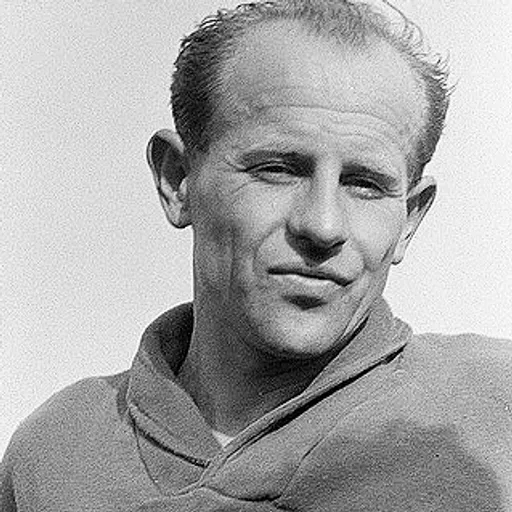
0At Helsinki 1952 he won the 5000m, 10,000m, and then, having never raced the distance before, entered and won the marathon too — a triple no one has replicated since. Zátopek's tortured running form and relentless will made him distance running's most improbable triple-gold legend, a feat that still sounds invented.
Sport: AthleticsGold Medals: 4Total Medals: 5Olympic Years: 1948-1952Cultural Impact: 8/10
added by Yourlist Editorialin 2 rankingsEmil Zátopek
0Across six Olympics spanning 24 years, from 1980 to 2004, Fischer won twelve kayaking medals, eight gold, competing for two different Germanys and outlasting entire generations of paddlers. Few athletes in any sport have combined that kind of longevity with that level of continued dominance.
Sport: CanoeingGold Medals: 8Total Medals: 12Olympic Years: 1980-2004Cultural Impact: 6/10
added by Yourlist Editorialin 2 rankingsBirgit Fischer
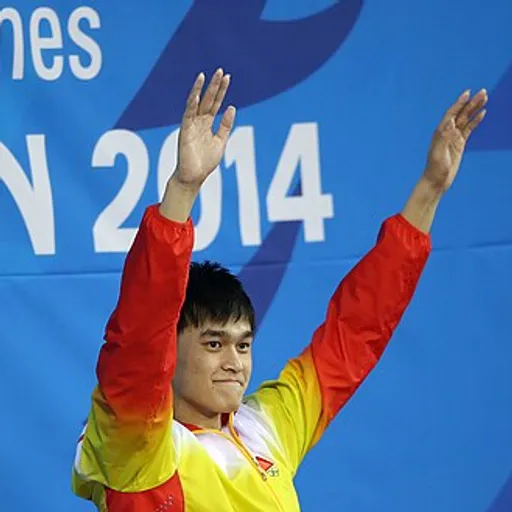
0China's first male swimming superstar won three Olympic golds and set world records in the 400m and 1500m freestyle, becoming a genuine national hero before a doping ban shattered his legacy and barred him from later Games. His story is inseparable from controversy, but his peak-era dominance in distance swimming was undeniably historic while it lasted.
Sport: SwimmingGold Medals: 3Total Medals: 6Olympic Years: 2012-2016Cultural Impact: 5/10
added by Yourlist EditorialSun Yang
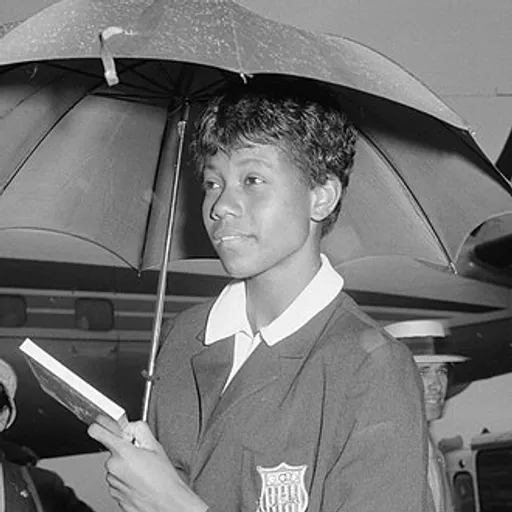
0A childhood polio survivor who wasn't supposed to walk normally, Rudolph became the first American woman to win three golds in a single Olympics at Rome 1960, sprinting her way into civil-rights-era stardom. Her story transcended track — she used her fame to push for desegregation back home in Tennessee, making her legacy as much social as athletic.
Sport: AthleticsGold Medals: 3Total Medals: 4Olympic Years: 1956-1960Cultural Impact: 8/10
added by Yourlist Editorialin 4 rankingsWilma Rudolph
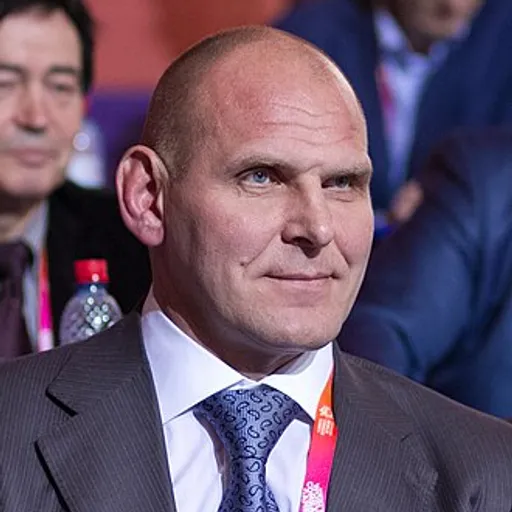
0The most terrifying wrestler ever to step on a mat, Karelin went undefeated for thirteen years and won three Greco-Roman heavyweight golds by literally throwing opponents over his head with the 'Karelin lift.' His 2000 final loss, ending that reign, was so shocking it made global news — a testament to just how untouchable he'd been.
Sport: WrestlingGold Medals: 3Total Medals: 4Olympic Years: 1988-2000Cultural Impact: 7/10
added by Yourlist EditorialAlexander Karelin
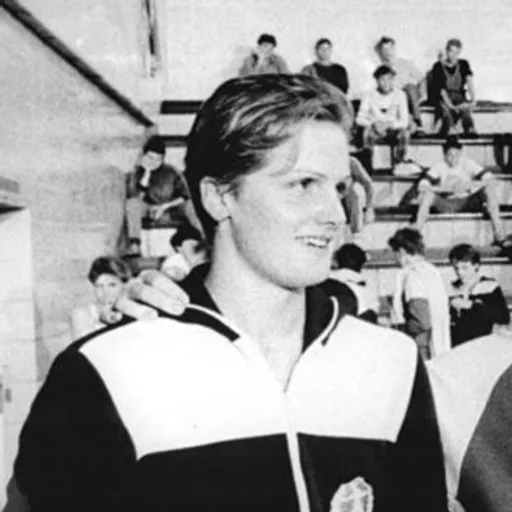
0At Seoul 1988, Otto won six gold medals in six different swimming events — freestyle, backstroke, butterfly, and medley — an unmatched single-Games versatility that's never been replicated by any woman. Later revealed to be part of East Germany's state-sponsored doping program, her legacy is complicated, but her raw performance record remains historically singular.
Sport: SwimmingGold Medals: 6Total Medals: 6Olympic Years: 1988Cultural Impact: 6/10
added by Yourlist Editorialin 3 rankingsKristin Otto
0