Greatest Rappers of All Time
Hip-hop has grown from block parties in the Bronx into a global cultural force, and with that rise comes an endless debate: who truly deserves the crown as the greatest rapper of all time? Lyrical skill, influence, longevity, and cultural impact all factor into the argument, making this one of music's most passionate rivalries. Now it's your turn to weigh in—cast your vote and help settle the debate.
What counts: Ranking reflects a consensus of lyrical skill, cultural influence, commercial success, and critical acclaim; all statistics (Grammys, sales) are approximate and rounded for comparison purposes.
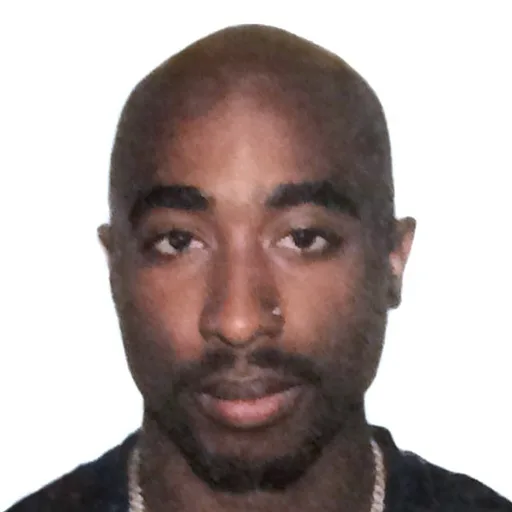
He rapped like every verse might be his last testament, and on 'Dear Mama' and 'Hail Mary' he turned rage, tenderness, and prophecy into the same breath. Gunned down at 25, he became hip-hop's martyr-saint, his posthumous catalog outselling most living rappers and his mythology eclipsing the music itself. The argument for Pac isn't technical perfection—it's that no one has ever made vulnerability sound more dangerous.'
Debut Year: 1991Grammy Awards: 0 awardsAlbums Sold: 75 MLyricism: 9/10Cultural Influence: 10/10
added by Yourlist Editorialin 4 rankingsTupac Shakur
0Biggie made Brooklyn sound like the center of the universe, turning cinematic storytelling into effortless charisma on 'Juicy' and 'Ten Crack Commandments.' His flow was liquid smooth even when the subject matter was ugly, and 'Ready to Die' remains the blueprint for mafioso rap's marriage of menace and melody. Murdered at 24 with only two albums, he still tops lists because pound-for-pound no one packed more style into fewer bars.
Debut Year: 1994Grammy Awards: 0 awardsAlbums Sold: 28 MLyricism: 9.5/10Cultural Influence: 9.5/10
added by Yourlist Editorialin 4 rankingsThe Notorious B.I.G.
0From Marcy Projects hustler to billionaire mogul, Jay-Z didn't just rap about the American dream—he weaponized rap into one. 'Reasonable Doubt' set the template for street-smart sophistication, while 'The Blueprint' and thirteen number-one albums proved longevity and reinvention could coexist with credibility. He's the businessman's rapper and the rapper's businessman, the closest hip-hop has to a Rockefeller with a Brooklyn accent.
Debut Year: 1996Grammy Awards: 24 awardsAlbums Sold: 55 MLyricism: 9/10Cultural Influence: 9.5/10
added by Yourlist Editorialin 5 rankingsJay-Z
0Eminem exploded into mainstream consciousness as a technically dazzling white rapper whose internal rhyme schemes on 'The Marshall Mathers LP' rewired what listeners thought was possible with syllables. He turned personal trauma—addiction, a broken childhood, tabloid infamy—into some of the most quotable villainy in rap history, moving more albums in the 2000s than anyone. Critics debate his cultural positioning, but no one debates the speed of his tongue or the size of his shadow.
Debut Year: 1996Grammy Awards: 15 awardsAlbums Sold: 180 MLyricism: 9.5/10Cultural Influence: 9/10
added by Yourlist Editorialin 5 rankingsEminem
0'Illmatic' dropped in 1994 like a thesis statement on what rap could be as literature, every bar on that ten-track album still studied for its density and imagery. Nas built a career as hip-hop's poet laureate, trading commercial dominance for lyrical reverence, culminating in the victory lap of 'King's Disease' decades later. He's proof that a single classic, executed with surgical precision, can outweigh a career of hits.
Debut Year: 1994Grammy Awards: 0 awardsAlbums Sold: 25 MLyricism: 9.5/10Cultural Influence: 8.5/10
added by Yourlist Editorialin 5 rankingsNas
0Kendrick turned 'To Pimp a Butterfly' into a jazz-funk manifesto on Black identity and 'DAMN.' into a Pulitzer Prize—the first non-classical, non-jazz album to win one. His verse on 'Control' set a new bar for competitive rap, and his Drake diss 'Not Like Us' became the biggest cultural event hip-hop had seen in years. He is the rare rapper whose artistic ambition and commercial dominance grew in tandem, making him this generation's most decorated voice.
Debut Year: 2011Grammy Awards: 17 awardsAlbums Sold: 20 MLyricism: 9.5/10Cultural Influence: 9/10
added by Yourlist Editorialin 7 rankingsKendrick Lamar
0At his mixtape-era peak between 2005 and 2008, Wayne was simply unbeatable—stream-of-consciousness wordplay so dense and weird it redefined what a punchline could be. 'Tha Carter III' sold over a million copies in a week during the death of the album era, proving a true wordsmith could still move units. His influence runs through nearly every melodic and metaphor-obsessed rapper who came after him.
Debut Year: 1999Grammy Awards: 5 awardsAlbums Sold: 40 MLyricism: 8/10Cultural Influence: 8/10
added by Yourlist EditorialLil Wayne
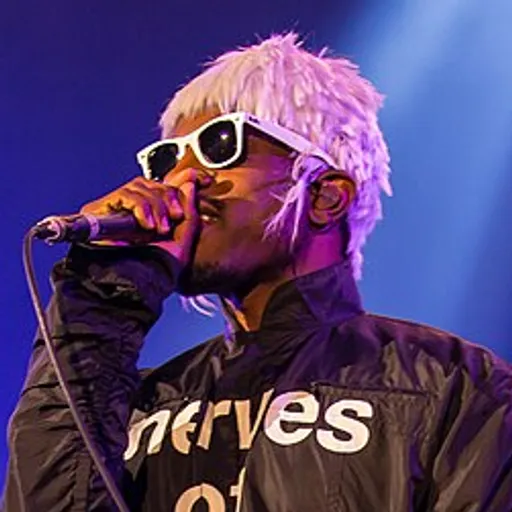
0Andre 3000 turned Outkast into hip-hop's most fearless experiment, rapping in falsetto, singing entire hooks, and dressing like an alien while never sacrificing lyrical dexterity. 'Hey Ya!' became an inescapable pop phenomenon, but it's verses like his guest spot on 'Elevators' that prove he could out-rap anyone when he felt like showing up. He's the rapper who proved genre-bending eccentricity and technical mastery were never mutually exclusive.
Debut Year: 1994Grammy Awards: 6 awardsAlbums Sold: 25 MLyricism: 9/10Cultural Influence: 8.5/10
added by Yourlist EditorialAndré 3000
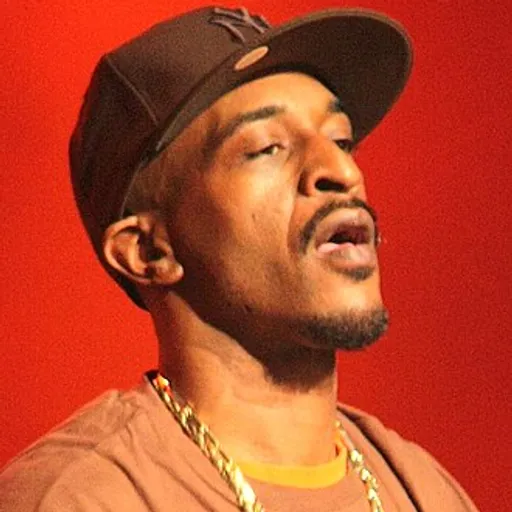
0Rakim didn't just rap on 'Paid in Full'—he invented a new cadence, dropping internal rhymes and complex multisyllabic structures that turned MCing from playground chants into serious poetry. Every rapper who ever bragged about their 'flow' owes an unpayable debt to the God MC's laid-back, jazz-inflected delivery. He's the foundation the entire mountain sits on, the reason 'lyricism' became a compliment instead of an afterthought.
Debut Year: 1986Grammy Awards: 0 awardsAlbums Sold: 5 MLyricism: 9.5/10Cultural Influence: 9/10
added by Yourlist EditorialRakim
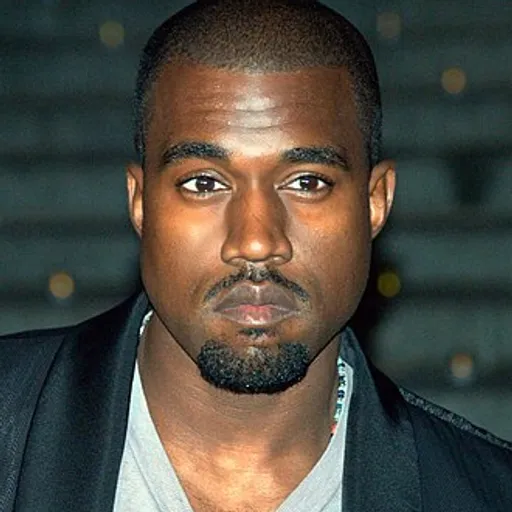
0Kanye rewired hip-hop's sonic palette album by album—soul samples on 'The College Dropout,' maximalist orchestration on 'Late Registration,' cold electronic heartbreak on '808s & Heartbreak'—each one reshaping what producers and rappers dared to attempt. 'My Beautiful Dark Twisted Fantasy' remains a critical consensus masterpiece, proof that ego and genius can fuse into unforgettable art. His personal chaos complicates the legacy, but his sonic fingerprints are on nearly every hit record of the 2010s.
Debut Year: 2004Grammy Awards: 24 awardsAlbums Sold: 30 MLyricism: 8/10Cultural Influence: 9.5/10
added by Yourlist Editorialin 3 rankingsKanye West
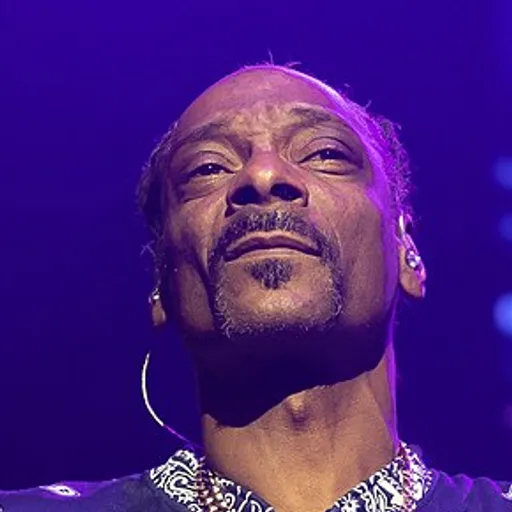
0Snoop's slow, syrupy drawl on 'Doggystyle' turned G-funk into a national phenomenon and made West Coast gangsta rap sound as smooth as a Sunday drive. He's remained hip-hop's most durable ambassador for three decades, pivoting from Death Row menace to pop culture uncle without ever losing his cool. Few rappers have stayed this relevant this long simply by never trying too hard.
Debut Year: 1993Grammy Awards: 0 awardsAlbums Sold: 35 MLyricism: 7.5/10Cultural Influence: 8/10
added by Yourlist Editorialin 5 rankingsSnoop Dogg
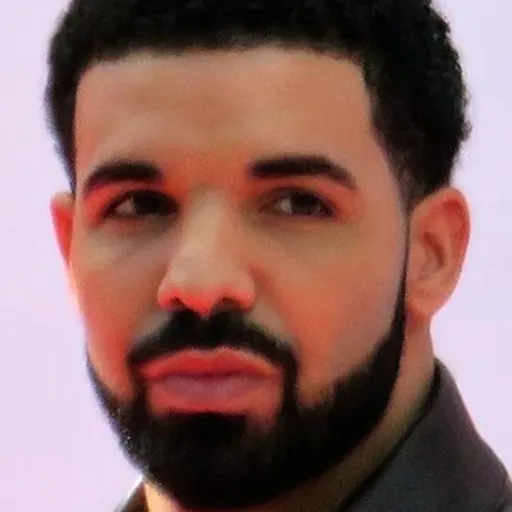
0Drake fused rapping and singing so seamlessly on 'Take Care' that he essentially created the melodic-rap template every chart-topping artist since has followed. He's shattered Billboard records, amassed more Hot 100 entries than any act in history, and turned vulnerability into a commercial superpower. Detractors call him a pop opportunist, but no rapper has bent the entire industry's sound around his own moods quite like he has.
Debut Year: 2006Grammy Awards: 5 awardsAlbums Sold: 50 MLyricism: 7.5/10Cultural Influence: 8.5/10
added by Yourlist Editorialin 6 rankingsAubrey Graham
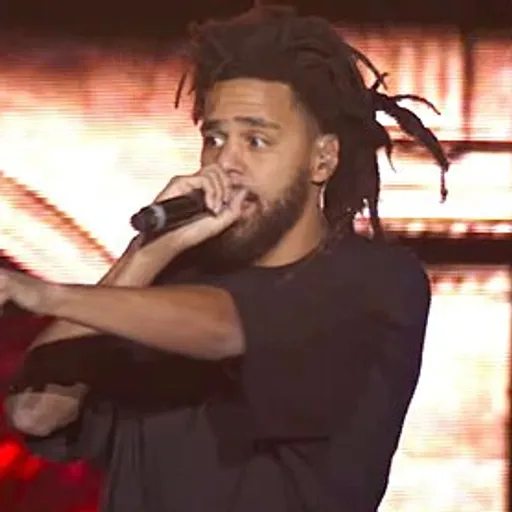
0J. Cole built a career on patient, thoughtful storytelling, turning 'Forest Hills Drive' into a platinum album with no features and no gimmicks—just bars about real life. His slow-burn ascent, culminating in sold-out stadiums and near-universal peer respect, proves substance can still win in an algorithm-driven era. He's the rapper other rappers quietly admit is technically untouchable, even if radio never fully caught up.
Debut Year: 2011Grammy Awards: 0 awardsAlbums Sold: 15 MLyricism: 8.5/10Cultural Influence: 7.5/10
added by Yourlist Editorialin 4 rankingsJ. Cole
0Kane was the smoothest technician of hip-hop's golden age, spitting rapid-fire internal rhymes on 'Ain't No Half-Steppin'' with a suave confidence that influenced Jay-Z, Biggie, and basically every lyricist who followed. He proved a rapper could be both a street philosopher and a pop-culture sex symbol without losing an ounce of credibility. His fingerprints are all over modern lyricism, even if casual fans forgot his name.
Debut Year: 1988Grammy Awards: 0 awardsAlbums Sold: 3 MLyricism: 8.5/10Cultural Influence: 7.5/10
added by Yourlist EditorialBig Daddy Kane
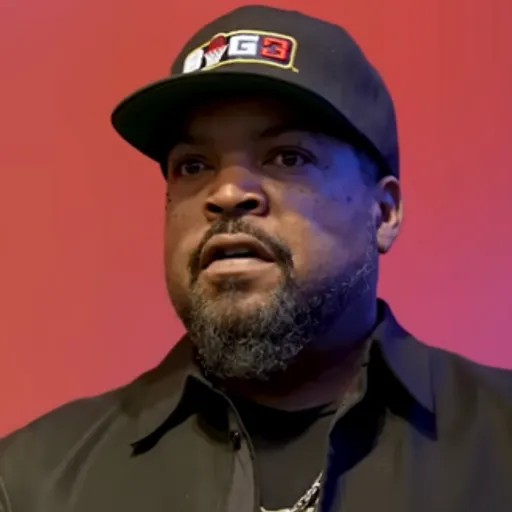
0Ice Cube's pen on N.W.A's 'Straight Outta Compton' turned raw fury at police brutality and systemic racism into a genre-defining, controversy-igniting statement that got the group labeled a national threat. He went solo and kept the venom sharp on 'AmeriKKKa's Most Wanted,' proving gangsta rap could be political journalism with a driving beat. Few rappers changed the culture's relationship with authority as immediately and permanently as he did.
Debut Year: 1990Grammy Awards: 0 awardsAlbums Sold: 10 MLyricism: 8/10Cultural Influence: 8/10
added by Yourlist EditorialIce Cube
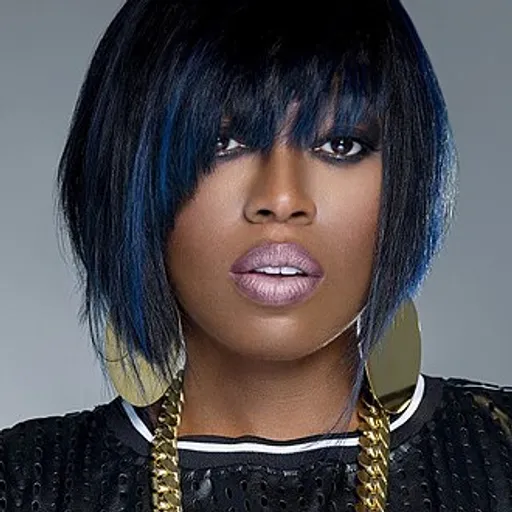
0Missy Elliott turned Timbaland's futuristic beats into launching pads for some of the most inventive, playful rapping and visual iconography hip-hop has ever seen—'Get Ur Freak On' still sounds like it's from next year. As a woman dominating a genre that rarely made room for female voices behind the boards and in the booth, she reshaped what a rap star could look, sound, and move like. Her influence on pop, R&B, and rap production is inescapable, even when her name gets left off 'greatest rapper' conversations.
Debut Year: 1997Grammy Awards: 5 awardsAlbums Sold: 30 MLyricism: 7.5/10Cultural Influence: 8/10
added by Yourlist EditorialMissy Elliott
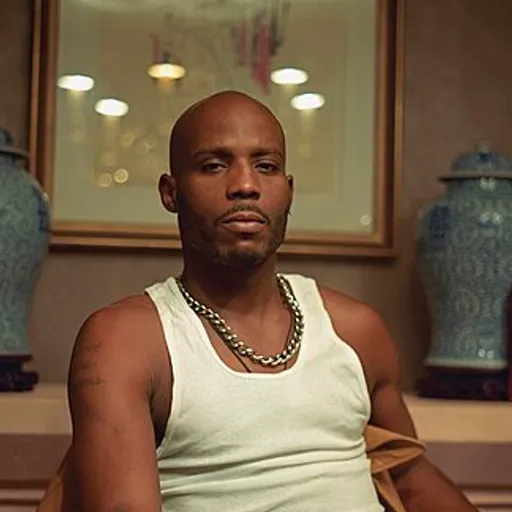
0DMX turned raw pain into raw power, growling prayers and threats in the same breath on 'It's Dark and Hell Is Hot,' an album that debuted at number one and made gritty authenticity commercially unstoppable. His barking delivery and street-sermon energy gave late-90s hip-hop its rawest emotional register, equal parts menace and vulnerability. Few rappers have ever sounded more genuinely tormented—or made that torment feel so cathartic to millions.
Debut Year: 1998Grammy Awards: 0 awardsAlbums Sold: 30 MLyricism: 7.5/10Cultural Influence: 7.5/10
added by Yourlist EditorialDMX
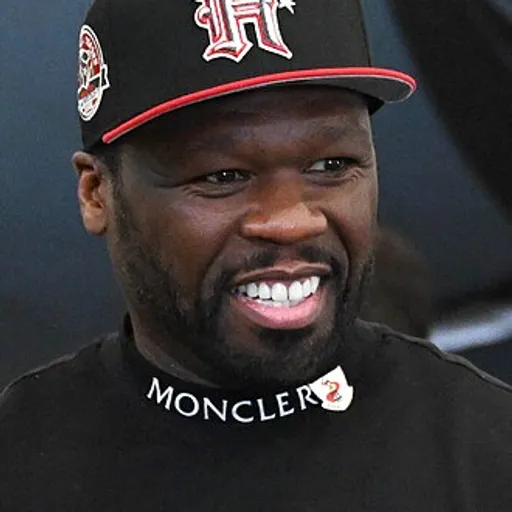
050 Cent survived nine gunshots and turned that story into '' 'Get Rich or Die Tryin',' one of the best-selling rap albums ever and a masterclass in turning street mythology into pop hooks. His G-Unit empire dominated mid-2000s rap commercially and culturally, proving charisma and hustle could be as valuable as pure lyricism. He's the embodiment of hip-hop's capitalist ethos—turn trauma into empire, then keep expanding.
Debut Year: 2003Grammy Awards: 0 awardsAlbums Sold: 30 MLyricism: 7/10Cultural Influence: 7.5/10
added by Yourlist Editorialin 3 rankings50 Cent
0