Greatest solo artists of all time
From soaring vocals to genre-defining artistry, solo performers have shaped the soundtrack of generations and sparked endless debates over who truly reigns supreme. Icons of pop, rock, soul, and beyond have each left an indelible mark on music history, but only a handful can claim the title of the greatest of all time. Cast your vote and help settle the debate once and for all!
What counts: Seeded with approximate figures where shown — the crowd's votes decide the order.
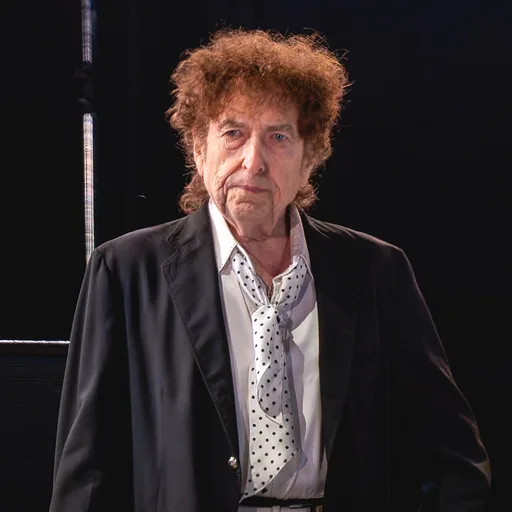
'Like a Rolling Stone' rewired what a pop song could say and how long it could run, dragging poetry into the charts and daring anyone to call three-minute singles disposable. He plugged in at Newport and got booed for it, then kept mutating through folk, gospel, country and beyond without ever apologizing. No songwriter reshaped the vocabulary of popular music more thoroughly, which is why the Nobel committee eventually ran out of reasons to say no.
Peak era: 1960s
added by Yourlist Editorialin 8 rankingsBob Dylan
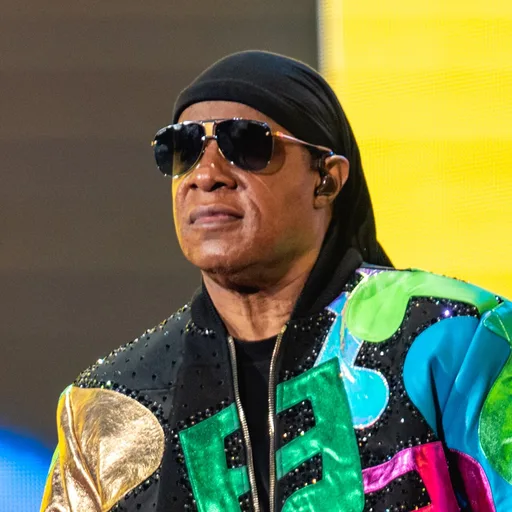
35Blind since infancy, he spent the 70s on a run — 'Talking Book,' 'Innervisions,' 'Songs in the Key of Life' — that stands as the greatest sustained creative streak in pop history, one man playing nearly every instrument and inventing sounds on the synthesizer nobody had heard before. 'Superstition' alone proved funk could be both a science experiment and a party. He turned virtuosity into warmth, which is the hardest trick in music.
Peak era: 1970s
added by Yourlist Editorialin 9 rankingsStevie Wonder
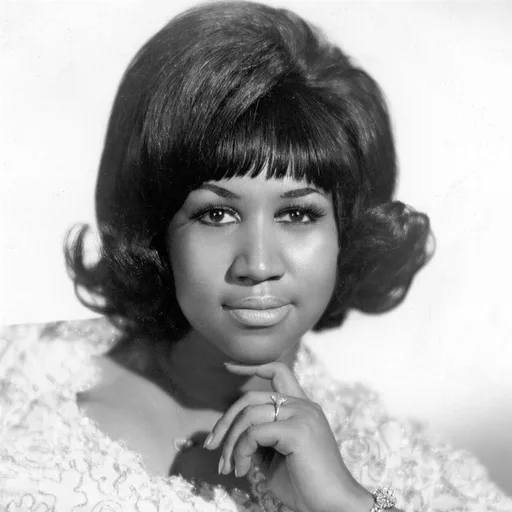
28'Respect' didn't just cover Otis Redding, it seized the song and turned it into an anthem for civil rights and women's dignity in one gospel-fired breath. Her voice could go from a whisper to a cathedral-shaking roar without ever losing control, a technical and emotional feat nobody has matched. The Queen of Soul title isn't a nickname, it's a job description she invented.
Peak era: 1960s
added by Yourlist Editorialin 7 rankingsAretha Franklin
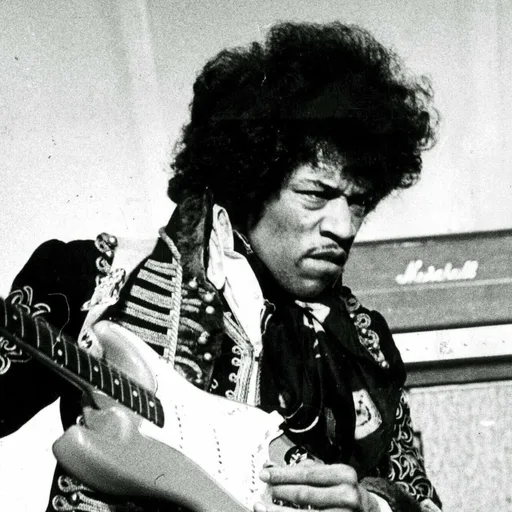
25He set his guitar on fire at Monterey and then, months later, turned 'The Star-Spangled Banner' at Woodstock into a wail of feedback that sounded like the country tearing itself apart. In barely four years of recording he redefined the electric guitar as a voice capable of screaming, weeping, and seducing in the same solo. Every rock guitarist since has been arguing with his ghost.
Peak era: 1960s
added by Yourlist Editorialin 4 rankingsJimi Hendrix
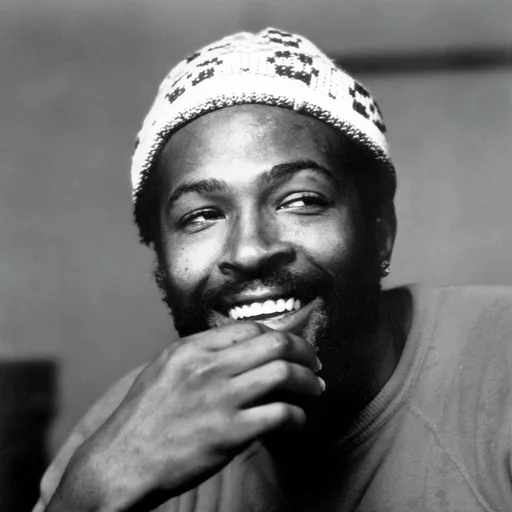
18'What's Going On' arrived in 1971 as a full-album gut-punch about war, poverty, and police brutality, sung in a falsetto so gentle it made devastation sound like a lullaby, and Motown's Berry Gordy hated it until it became the label's biggest triumph. He followed it with 'Let's Get It On,' proving the same voice could carry political anguish and pure desire with equal conviction. Soul music got its conscience and its libido from the same man.
Peak era: 1970s
added by Yourlist Editorialin 6 rankingsMarvin Gaye
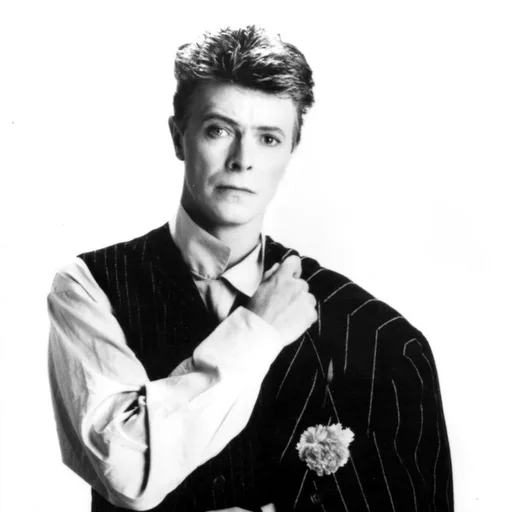
6He killed off Ziggy Stardust onstage in 1973 mid-concert, announcing the retirement of a character the audience thought was real, and in that single theatrical gesture invented the idea that a pop star could be a work of fiction. From Berlin's icy synths to plastic soul to drum-and-bass reinvention decades later, he never stopped shedding skins. Every artist who's ever used a persona as armor owes him rent.
Peak era: 1970s
added by Yourlist Editorialin 8 rankingsDavid Bowie
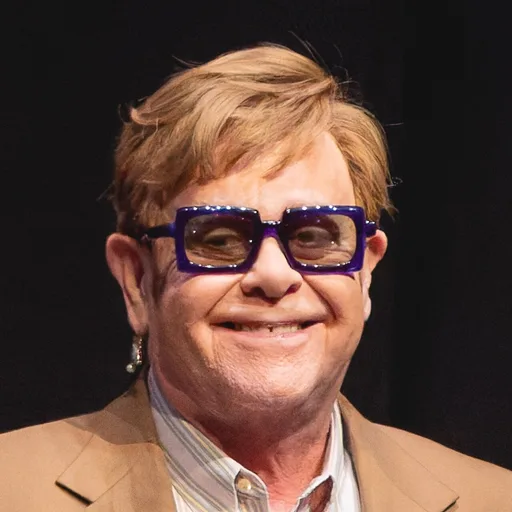
5In the early 70s he was releasing albums so fast and so good — 'Tumbleweed Connection,' 'Madman Across the Water,' 'Goodbye Yellow Brick Road' — that he briefly out-produced the Beatles' entire catalog pace, all while wearing platform boots the size of Big Ben. Bernie Taupin's lyrics gave him stories, but it was Elton's gift for a chorus that made 'Rocket Man' and 'Tiny Dancer' feel inevitable. Few artists have paired that much melodic generosity with that much sheer showmanship.
Peak era: 1970s
added by Yourlist Editorialin 5 rankingsElton John
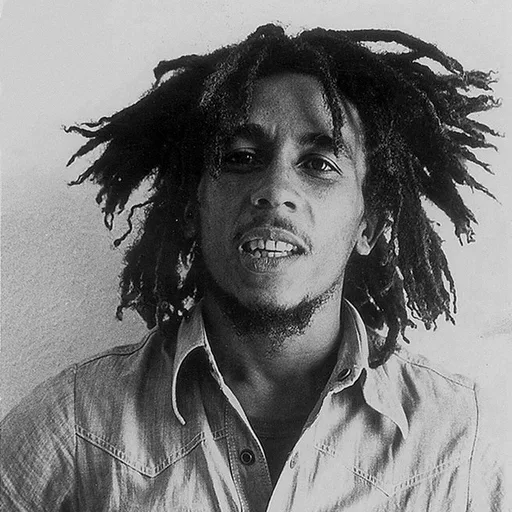
-1He turned Jamaican reggae into a global language of resistance, and 'Get Up, Stand Up' or 'Redemption Song' still play like scripture in movements he never lived to see. Shot in 1976 and performing two days later with the wound still fresh, he embodied the idea that music could be dangerous enough to warrant violence and brave enough to outlast it. No solo artist did more to make the Global South's sound impossible to ignore.
Peak era: 1970s
added by Yourlist Editorialin 3 rankingsBob Marley
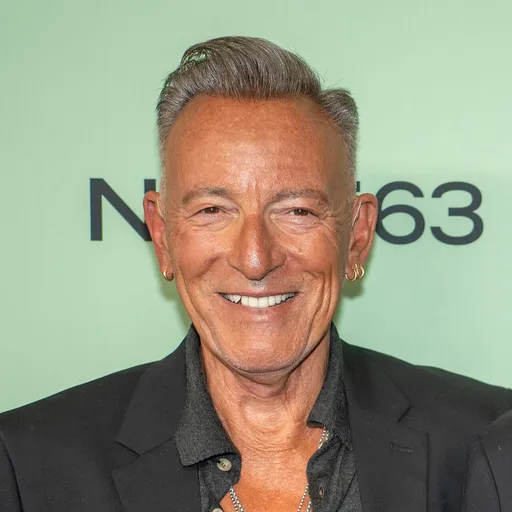
-11'Born to Run' was a Phil Spector-sized bet on believing in escape from a New Jersey nobody, and it paid off into a decades-long career of three-hour shows that treat rock and roll like a covenant with the audience. 'Born in the U.S.A.' got misread as flag-waving when it was really about broken promises to Vietnam vets, a misunderstanding that only proved how deep his songs cut. The Boss earned that nickname by never once phoning in a performance.
Peak era: 1970s
added by Yourlist Editorialin 9 rankingsBruce Springsteen
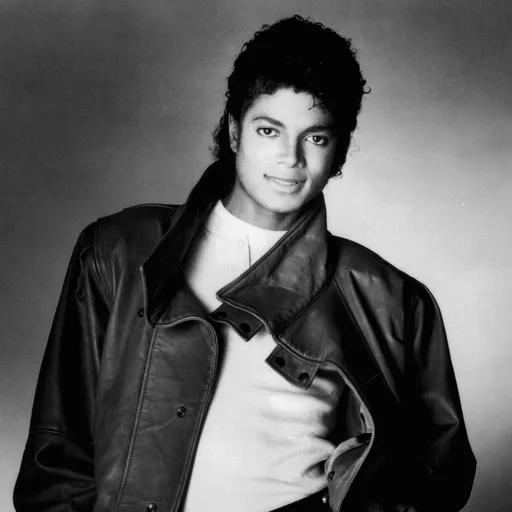
-15The moonwalk on Motown 25 froze an entire nation mid-gasp, and 'Thriller' went on to sell so many copies it became the best-selling album ever, a record still unbroken decades later. He fused Motown's polish, Broadway's drama, and MTV's new visual grammar into a single, inescapable spectacle that made the music video an art form. Whatever came after in pop stardom, from Beyoncé to K-pop, is still living in the blueprint he drew.
Peak era: 1980s
added by Yourlist Editorialin 9 rankingsMichael Jackson
-15