Greatest speeches in history
Throughout history, certain speeches have risen above the moment they were spoken, shaping nations, igniting movements, and stirring the human spirit long after the last word was uttered. From battlefields to courtrooms to the steps of grand monuments, these words have carried the weight of revolutions, wars, and dreams of justice. Which speech do you believe left the deepest mark on history — cast your vote and make your voice heard.
What counts: Seeded with approximate figures where shown — the crowd's votes decide the order.
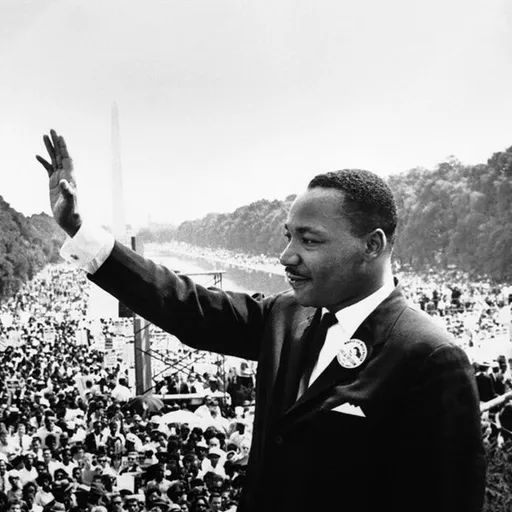
On the steps of the Lincoln Memorial in August 1963, King abandoned his prepared text and let Mahalia Jackson's whispered plea — 'Tell them about the dream, Martin' — pull him into pure improvisation. What followed became the emotional spine of the Civil Rights Movement, its cadences borrowed from the pulpit and its imagery burned into American memory. No speech has done more to define the moral vocabulary of a nation still arguing with itself.
Era: 1963
added by Yourlist EditorialI Have a Dream
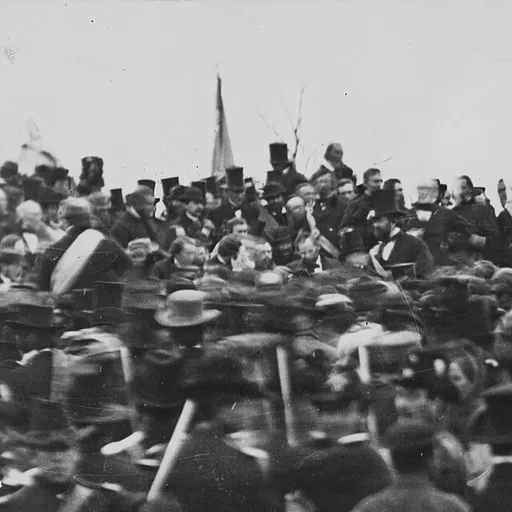
82Lincoln spoke for barely two minutes at a Pennsylvania cemetery in 1863, so briefly that the photographer barely had time to set up his camera, yet he redefined the Civil War as a fight for a 'new birth of freedom.' Two hundred seventy-two words outlasted the two-hour oration that preceded it and rewrote what Americans believed their founding documents meant. It's the proof text that brevity, not length, is what makes words immortal.
Era: 1863
added by Yourlist EditorialGettysburg Address
65We Shall Fight on the Beaches — Churchill
With France collapsing and invasion looming in June 1940, Churchill stood before the Commons and turned a humiliating retreat from Dunkirk into a vow of total defiance. The relentless hammer of 'we shall fight' clauses gave a frightened island something to hold onto when surrender looked like common sense. It remains the gold standard for wartime rhetoric — the speech that arguably kept Britain in the war long enough for the world to turn.
Era: 1940
added by Yourlist EditorialWe shall fight on the beaches
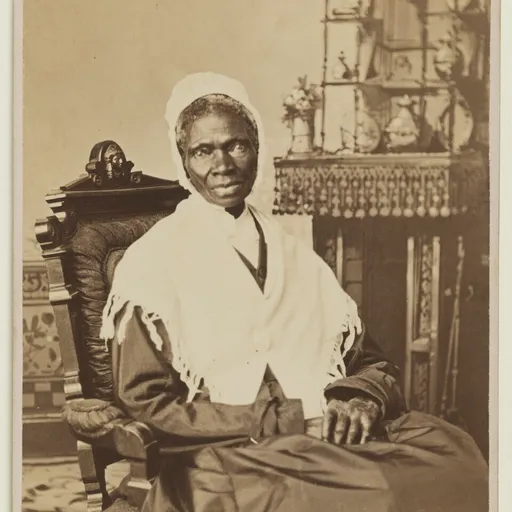
53Ain't I a Woman? — Sojourner Truth
At an 1851 women's rights convention in Akron, a formerly enslaved woman rose amid skeptical murmurs and dismantled the era's genteel arguments against female equality with blunt, physical testimony — bared arms, plowed fields, birthed children, and repeated the piercing question no one could answer. Later transcriptions embellished her dialect, but the core challenge never lost its force: intersectional feminism a century before the word existed. It belongs here for forcing two movements, abolition and suffrage, to reckon with each other in one voice.
Era: 1851
added by Yourlist EditorialAin't I a Woman?
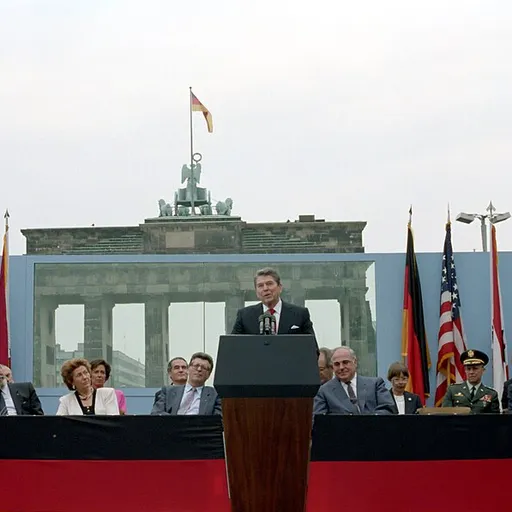
15Standing at the Brandenburg Gate in 1987, against the advice of his own State Department, Reagan looked past the Berlin Wall and challenged Gorbachev directly, turning a diplomatic risk into a defining Cold War ultimatum. Two years later the wall came down, and the line was retrofitted into prophecy. Its place here rests on that eerie alignment of rhetoric and history — few speeches get to claim they called their own outcome.
Era: 1987
added by Yourlist EditorialTear down this wall!
-15The Man in the Arena — T. Roosevelt
Delivered at the Sorbonne in 1910, Roosevelt's meditation on the 'critic who does not count' versus the man 'actually in the arena' was less a political address than a philosophy of courage, aimed at cynics on the sidelines of any struggle. It has since been recycled by athletes, executives, and politicians as the ultimate defense of striving over sniping. Its staying power comes from being less about a moment than about a mindset — timeless self-help dressed in Edwardian oratory.
Era: 1910
added by Yourlist Editorial
-17Give Me Liberty — Patrick Henry
In a Virginia church in 1775, with revolution still just a rumor, Henry closed his speech to the colonial convention with a line so absolute — liberty or death — that it forced hesitant delegates to choose sides on the spot. No verified transcript exists; it was reconstructed decades later from memory, yet the phrase became a founding-era rallying cry anyway. It earns its spot as the speech that turned private grumbling into public rebellion.
Era: 1775
added by Yourlist Editorial
-20JFK's Inaugural
On a freezing January day in 1961, Kennedy inverted the whole logic of citizenship with one symmetrical sentence — ask not what your country can do for you — and set a generational tone of service just as the Cold War and the Space Race were heating up. The speech's crisp, aphoristic style made it endlessly quotable, a masterclass in Cold War idealism dressed as civic duty. It ranks here as the moment American political rhetoric became modern, television-ready, and unabashedly aspirational.
Era: 1961
added by Yourlist Editorial
-35