Political Speeches That Changed Public Opinion
From wartime rallying cries to civil rights sermons, these speeches didn't just describe history — they bent it. Vote for the ones you think did the most to move hearts, votes, and laws.
What counts: ‘Best’ reflects a mix of how far the speech's audience reached in its own time, how much it shifted public opinion or policy afterward, and its lasting cultural footprint. Reach and impact are rated 0-10 based on historical consensus; higher is better on both. All figures, especially pre-broadcast-e
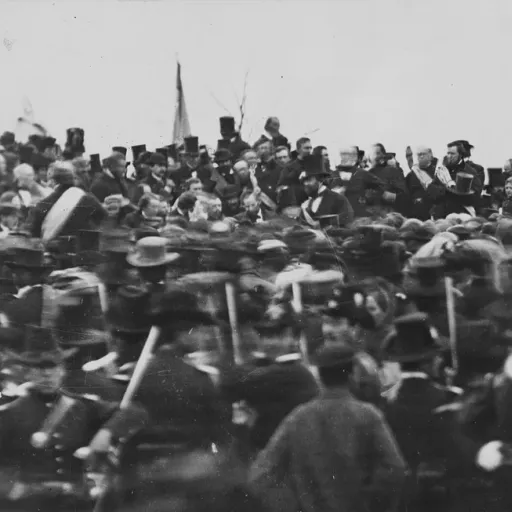
Lincoln spoke for barely two minutes at a Pennsylvania cemetery in 1863, yet redefined the Civil War as a fight for human equality rather than mere union. Newspapers reprinted it nationwide, and its 272 words became the template for how Americans talk about sacrifice and democrac
Year Delivered: 1863Speaker: Abraham LincolnContemporary Reach: 6/10Historical Impact: 10/10Directly Spurred Policy Change: ✓Still Widely Taught: ✓
added by Yourlist Editorialin 3 rankingsGettysburg Address
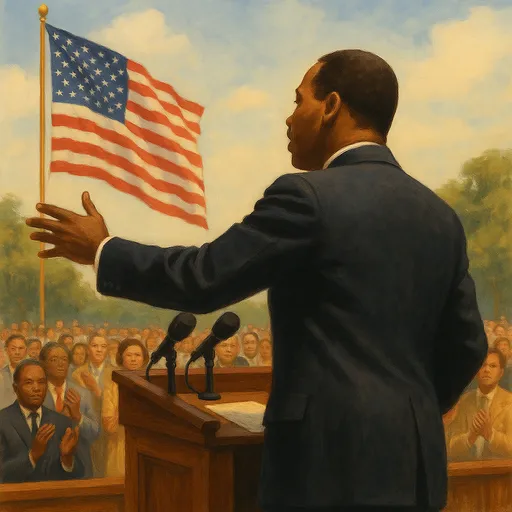
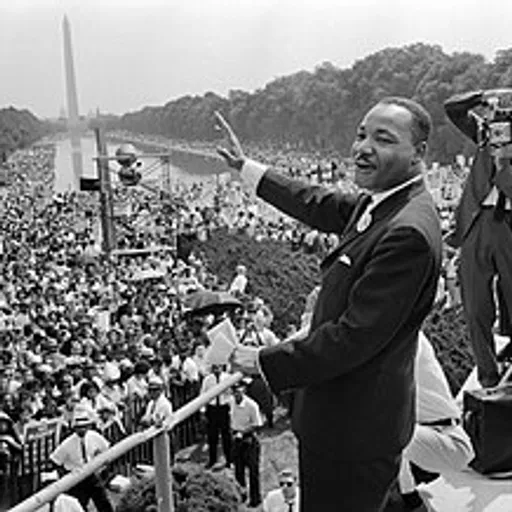
0Delivered from the Lincoln Memorial to 250,000 marchers and a national TV audience, King's speech turned the abstract case for civil rights into an unforgettable moral vision. It's widely credited with building the momentum that pushed the Civil Rights Act of 1964 through Congres
Year Delivered: 1963Speaker: Martin Luther King Jr.Contemporary Reach: 9/10Historical Impact: 10/10Directly Spurred Policy Change: ✓Still Widely Taught: ✓
added by Yourlist Editorialin 3 rankingsI Have a Dream
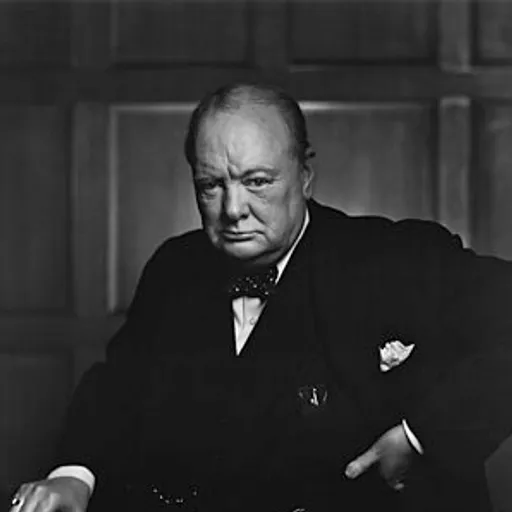
0With France falling and invasion looming, Churchill used a House of Commons address (later broadcast to the nation) to steel British resolve when surrender looked tempting. The defiant, rolling rhetoric became shorthand for wartime grit and helped keep Britain in the fight throug
Year Delivered: 1940Speaker: Winston ChurchillContemporary Reach: 8/10Historical Impact: 9/10Directly Spurred Policy Change: —Still Widely Taught: ✓
added by Yourlist Editorialin 4 rankingsWe shall fight on the beaches
0Cross of Gold
Bryan's thunderous defense of silver-backed currency at the 1896 Democratic Convention was so electrifying it won him the presidential nomination on the spot, a feat almost unheard of before or since. "You shall not crucify mankind upon a cross of gold" became a rallying cry for
Year Delivered: 1896Speaker: William Jennings BryanContemporary Reach: 5/10Historical Impact: 7/10Directly Spurred Policy Change: —Still Widely Taught: ✓
added by Yourlist Editorial
0Give Me Liberty or Give Me Death
In a Richmond church in 1775, Patrick Henry pushed a divided Virginia convention toward armed resistance with a speech so forceful that listeners reportedly leapt to their feet shouting for war. Its closing line became one of the most quoted phrases in American political history.
Year Delivered: 1775Speaker: Patrick HenryContemporary Reach: 4/10Historical Impact: 8/10Directly Spurred Policy Change: ✓Still Widely Taught: ✓
added by Yourlist Editorialin 2 rankings
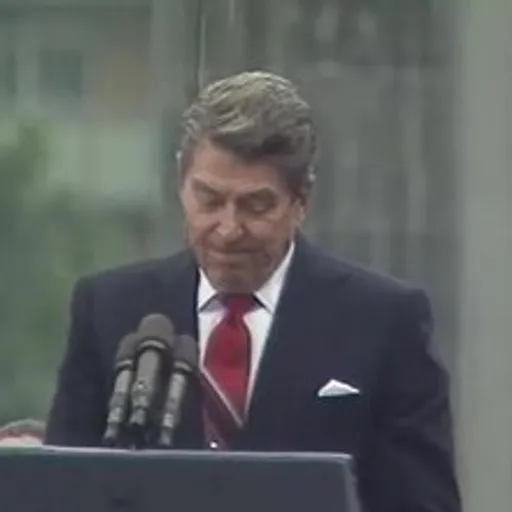
0Standing at the Brandenburg Gate in 1987, Reagan directly challenged Gorbachev to dismantle the Berlin Wall, a line his own State Department initially wanted cut as too provocative. Two years later the wall fell, and the speech was retroactively cast as prophetic Cold War theater
Year Delivered: 1987Speaker: Ronald ReaganContemporary Reach: 7/10Historical Impact: 8/10Directly Spurred Policy Change: —Still Widely Taught: ✓
added by Yourlist Editorialin 3 rankingsTear down this wall!
0The Only Thing We Have to Fear Is Fear Itself
At the depths of the Great Depression, FDR's first inaugural address gave a panicked nation a psychological reset, framing fear itself as the enemy to be conquered before economic recovery could begin. It set the emotional stage for the sweeping New Deal legislation that followed
Year Delivered: 1933Speaker: Franklin D. RooseveltContemporary Reach: 8/10Historical Impact: 9/10Directly Spurred Policy Change: ✓Still Widely Taught: ✓
added by Yourlist Editorialin 3 rankings
0A Date Which Will Live in Infamy
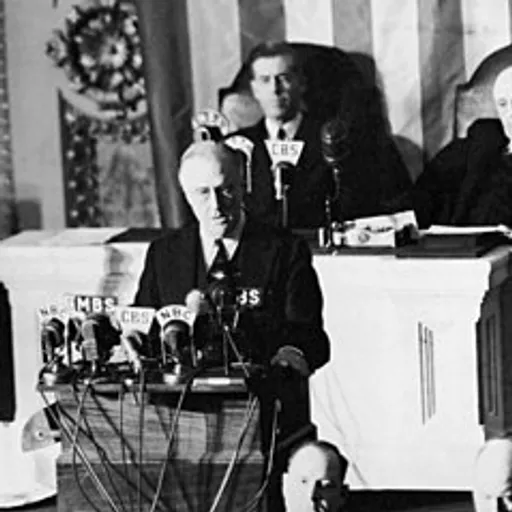
One day after Pearl Harbor, FDR's six-minute address to Congress transformed a shocked, isolationist public into a nation unified for war almost overnight. The Senate approved the declaration of war against Japan within an hour of the speech's end. Its opening line is one of the
Year Delivered: 1941Speaker: Franklin D. RooseveltContemporary Reach: 9/10Historical Impact: 9/10Directly Spurred Policy Change: ✓Still Widely Taught: ✓
added by Yourlist Editorialin 2 rankingsInfamy Speech
0Iron Curtain Speech
Speaking in Fulton, Missouri in 1946, Churchill warned that an "iron curtain" had descended across Europe, publicly naming the Soviet threat before most Western leaders were willing to. The phrase stuck instantly and helped crystallize American public opinion behind the containme
Year Delivered: 1946Speaker: Winston ChurchillContemporary Reach: 6/10Historical Impact: 8/10Directly Spurred Policy Change: ✓Still Widely Taught: ✓
added by Yourlist Editorial
0On trial for sabotage in apartheid South Africa, Mandela used his own defense speech to put the regime itself on trial, closing with a declaration he was ready to die for a free, democratic society. Smuggled reports of the speech spread internationally and helped seed the global
Year Delivered: 1964Speaker: Nelson MandelaContemporary Reach: 5/10Historical Impact: 9/10Directly Spurred Policy Change: ✓Still Widely Taught: ✓
added by Yourlist Editorialin 2 rankingsI Am Prepared to Die
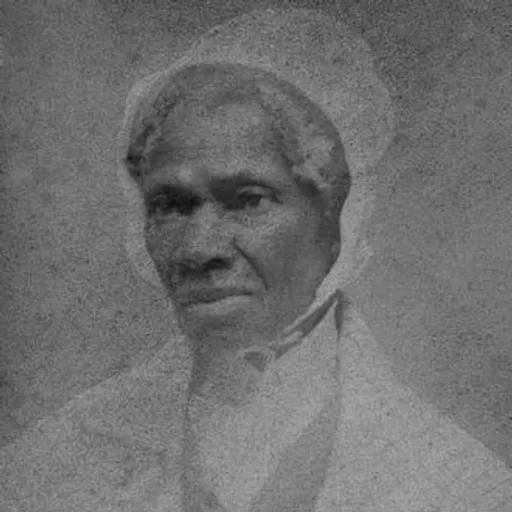
0Speaking extemporaneously at an Ohio women's rights convention in 1851, Sojourner Truth confronted both racism and sexism head-on, linking abolition and suffrage in a way few white organizers dared. Later, embellished transcriptions spread the speech widely, cementing it as a fou
Year Delivered: 1851Speaker: Sojourner TruthContemporary Reach: 3/10Historical Impact: 8/10Directly Spurred Policy Change: —Still Widely Taught: ✓
added by Yourlist Editorialin 3 rankingsAin't I a Woman?
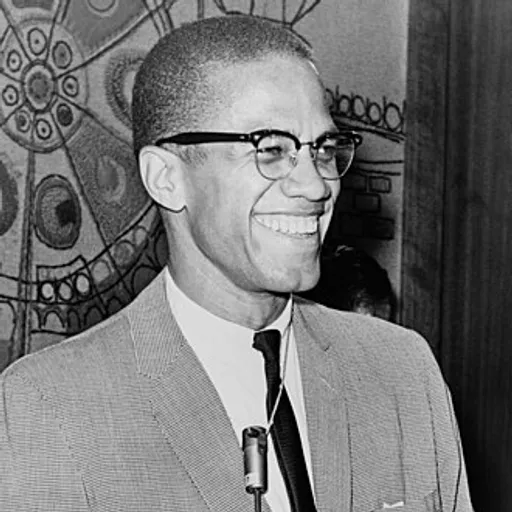
0Malcolm X's 1964 speech offered Black Americans a stark choice between political engagement and armed resistance, sharpening the debate over strategy within the civil rights movement. It pushed mainstream leaders to more directly confront questions of economic and political power
Year Delivered: 1964Speaker: Malcolm XContemporary Reach: 5/10Historical Impact: 7/10Directly Spurred Policy Change: —Still Widely Taught: ✓
added by Yourlist Editorialin 3 rankingsThe Ballot or the Bullet
0Facing a campaign-threatening controversy over his former pastor's remarks, then-candidate Obama delivered an extended meditation on American race relations that was widely credited with defusing the crisis. Millions watched the full 37-minute address online rather than a soundbi
Year Delivered: 2008Speaker: Barack ObamaContemporary Reach: 7/10Historical Impact: 7/10Directly Spurred Policy Change: —Still Widely Taught: ✓
added by Yourlist Editorialin 2 rankingsA More Perfect Union
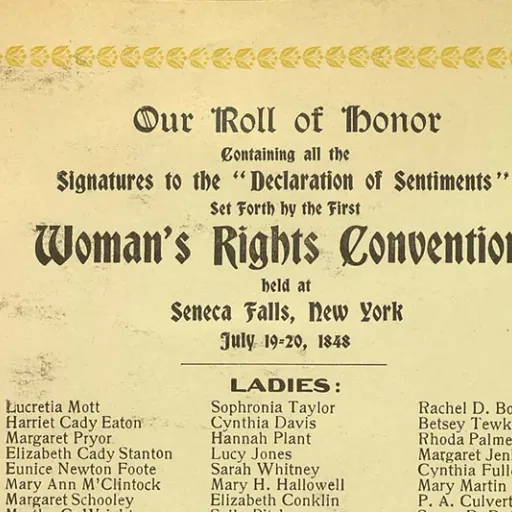
0Read by Elizabeth Cady Stanton at the 1848 Seneca Falls Convention, this speech mirrored the Declaration of Independence to demand women's suffrage and legal equality at a time when the idea was widely ridiculed. It launched the organized American women's rights movement that wou
Year Delivered: 1848Speaker: Elizabeth Cady StantonContemporary Reach: 3/10Historical Impact: 8/10Directly Spurred Policy Change: ✓Still Widely Taught: ✓
added by Yourlist EditorialDeclaration of Sentiments
0Freedom or Death
Emmeline Pankhurst's 1913 speech in Hartford, Connecticut defended militant suffragette tactics to an American audience, arguing that women had to become either dangerous or invisible to win the vote. It energized transatlantic support for suffrage even as it alarmed moderates on
Year Delivered: 1913Speaker: Emmeline PankhurstContemporary Reach: 4/10Historical Impact: 7/10Directly Spurred Policy Change: ✓Still Widely Taught: —
added by Yourlist Editorialin 3 rankings
0I Will Fight No More Forever
After a grueling 1,170-mile retreat, Chief Joseph's surrender speech to U.S. troops in 1877 became one of the most quoted expressions of loss and endurance in American history. Its plain, devastating language humanized Native resistance for a wider American public that had mostly
Year Delivered: 1877Speaker: Chief JosephContemporary Reach: 3/10Historical Impact: 7/10Directly Spurred Policy Change: —Still Widely Taught: ✓
added by Yourlist Editorial
0