
Inventions that changed the world most
From the wheel to the internet, certain inventions have reshaped how humans live, work, and connect, sparking revolutions in medicine, communication, and industry. But which breakthrough truly deserves the crown as the most world-changing of all time? Cast your vote and help settle the debate!
What counts: Seeded with approximate figures where shown — the crowd's votes decide the order.
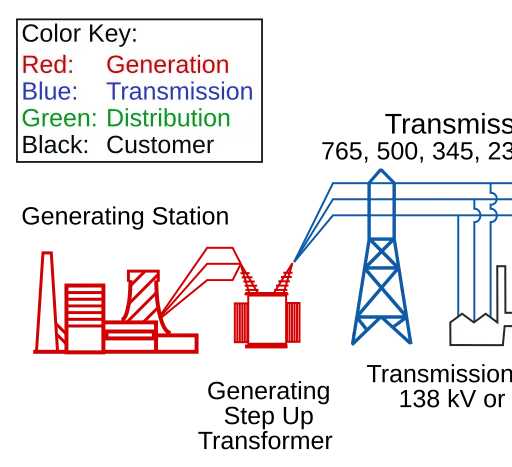
When Edison's Pearl Street Station lit up lower Manhattan in 1882, it kicked off a wiring of the planet that never stopped. The grid turned night into usable time, powered every factory, hospital, and server farm that followed, and became the invisible bloodstream of modern civilization. Nothing else is a prerequisite for almost every other invention on this list.
Era: 1880s
added by Yourlist Editorialelectricity
12The printing press
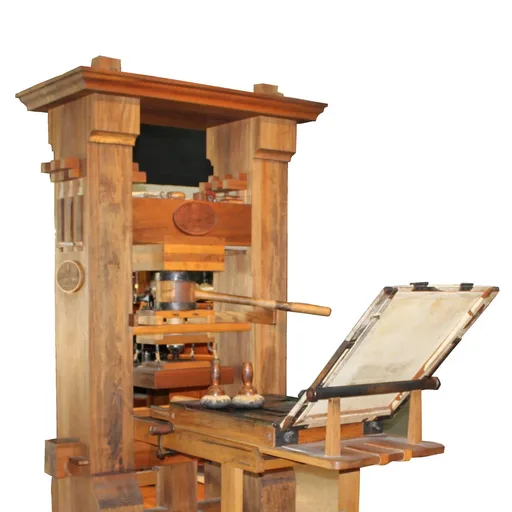
In 1455 Gutenberg's press churned out Bibles with movable type, and within decades literacy exploded from a monk's privilege to a merchant's habit. It birthed mass media, fueled the Reformation and the Scientific Revolution, and made ideas — not just goods — something that could travel faster than armies. No invention did more to democratize knowledge itself.
Era: 1440
added by Yourlist Editorial
7Alexander Fleming's messy petri dish in 1928 — a mold accidentally killing bacteria — became, by WWII, a mass-produced drug that turned once-fatal infections into inconveniences. It opened the entire antibiotic era, made modern surgery survivable, and has plausibly saved more lives than any other single discovery in medicine. That's not hype; that's a body count in reverse.
Era: 1928
added by Yourlist Editorialin 2 rankingspenicillin
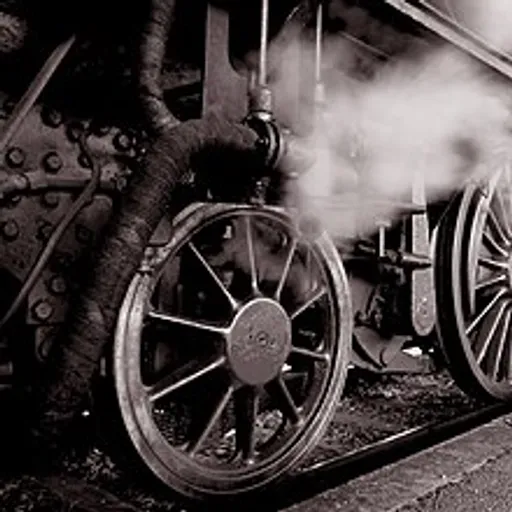
7James Watt's 1776 refinement didn't just pump water out of mines — it detonated the Industrial Revolution, moving power off muscle and water and onto coal and fire. Factories, railroads, and steamships followed, compressing continents and reshaping economies, cities, and the very concept of a working day. It's the hinge point where the modern industrial world begins.
Era: 1712
added by Yourlist Editorialhistory of the steam engine
5The internet
ARPANET's first message in 1969 crashed after two letters, but the network that grew from it eventually swallowed newspapers, banks, romance, and revolutions whole. It compressed the world's knowledge and population into a single addressable space, turning every phone into a library, marketplace, and megaphone. Few technologies have rewritten human behavior this completely this fast.
Era: 1969–
added by Yourlist Editorial
3The telephone
Bell's 'Mr. Watson, come here' in 1876 shrank distance to the length of a wire, letting voices do what letters never could — arrive instantly. It rewired business, intimacy, and emergency response, and laid the literal infrastructure that the internet and cell networks would later hijack and expand. Before there was global connectivity, there was just two people and a line.
Era: 1876
added by Yourlist Editorial
3The wheel
Some unnamed genius in Mesopotamia around 3500 BC slapped a disc on an axle and quietly rewired the future of transport, trade, and machinery. From chariots to wagons to gears inside every engine ever built, its logic never became obsolete — it just kept getting reinvented smaller and faster. It's the ur-invention, the one so old and so fundamental it's shorthand for genius itself.
Era: 3500 BC
added by Yourlist Editorialin 2 rankings
2Edward Jenner's 1796 gamble — infecting a boy with cowpox to fight smallpox — birthed a technology that later eradicated that very disease and tamed polio, measles, and countless killers of children. It rewired the relationship between humans and epidemic death, turning plagues that once emptied cities into preventable footnotes. Few inventions have such a direct, provable ledger of lives not lost.
Era: 1796
added by Yourlist Editorialin 4 rankingsvaccination
1The airplane
The Wright brothers' 12-second hop at Kitty Hawk in 1903 turned into intercontinental flights carrying millions of people a day less than a lifetime later. It collapsed geography, made global trade, tourism, and warfare three-dimensional, and turned 'the other side of the world' into an overnight trip. Few inventions moved humanity — literally — this far, this fast.
Era: 1903
added by Yourlist Editorial
-6The transistor
Bell Labs' 1947 sliver of germanium replaced bulky vacuum tubes and, in doing so, made every computer, phone, and satellite that followed possible. It's the atom of the digital age — billions now cram onto a single chip, running everything from pacemakers to rockets. Nothing has miniaturized so much power into so little space, or done more to make the digital revolution physically possible.
Era: 1947
added by Yourlist Editorialin 2 rankings
-8