
Greatest medical breakthroughs
From vaccines that eradicated deadly diseases to surgical techniques that make once-fatal operations routine, medicine's greatest breakthroughs have reshaped how long and how well we live. Each discovery on this list sparked debate, saved millions of lives, or fundamentally changed our understanding of the human body. Which of these medical milestones do you think deserves the top spot? Cast your vote and help decide!
What counts: Seeded with approximate figures where shown — the crowd's votes decide the order.
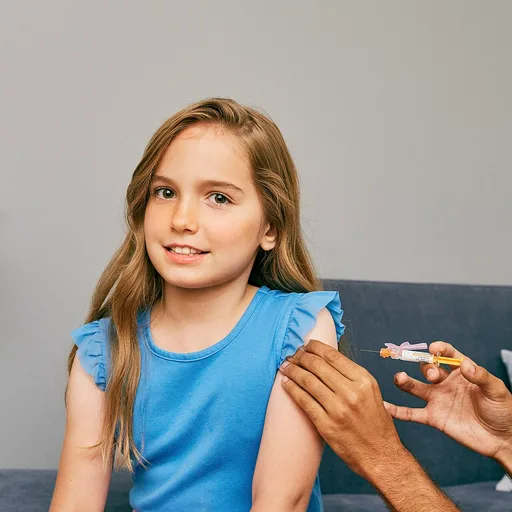
Edward Jenner noticed milkmaids who caught cowpox never got smallpox, so in 1796 he scratched pus from a milkmaid's blister into a boy's arm and then deliberately exposed him to smallpox — the kid didn't get sick. That single insane experiment eventually erased a disease that killed 300 million people in the 20th century alone, and it invented the entire concept of training the immune system before the enemy shows up. Nothing else on this list can claim to have driven a human pathogen to literal extinction.
Era: 1796
added by Yourlist Editorialin 4 rankingsvaccination
60Alexander Fleming left a petri dish out, went on vacation, and came back to find mold had killed his bacteria culture — accidental science at its finest. That moldy accident became the drug that turned battlefield gangrene and routine infections from death sentences into footnotes, saving an estimated 200 million lives and kicking off the entire antibiotic era. It's the breakthrough that made surgery, chemotherapy, and childbirth survivable in ways we now take completely for granted.
Era: 1928
added by Yourlist Editorialin 2 rankingspenicillin
57Anesthesia
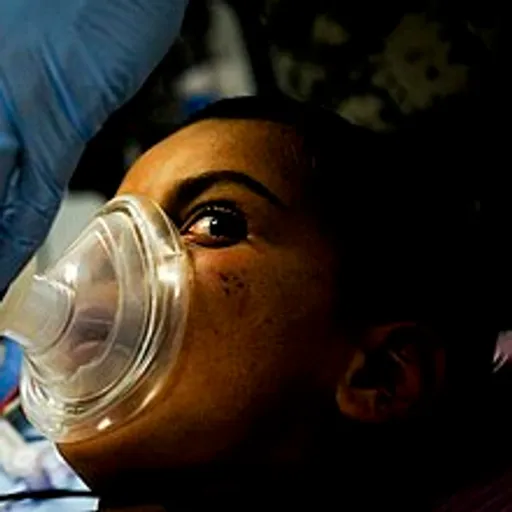
In 1846 at Massachusetts General Hospital, a dentist named William Morton had a patient inhale ether before a tumor removal, and the surgeon turned to the stunned audience and declared 'Gentlemen, this is no humbug.' Before that day, surgery meant screaming patients held down by assistants and surgeons prized for speed over precision; after it, operations could be slow, careful, and survivable. It's the breakthrough that transformed surgery from medieval butchery into an actual science.
Era: 1846
added by Yourlist Editorialin 2 rankings
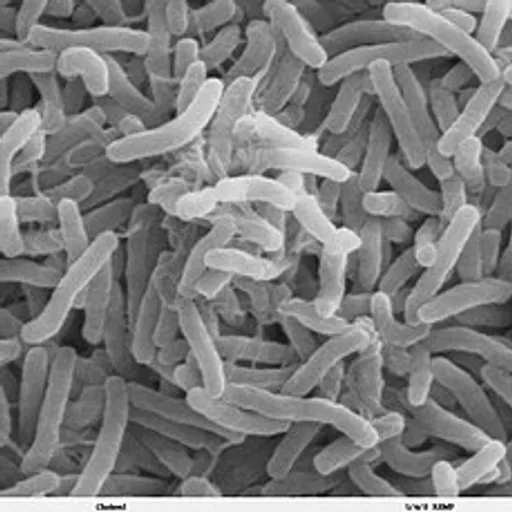
44Before Pasteur and Koch, doctors blamed disease on 'bad air' and didn't bother washing their hands between autopsies and deliveries — Ignaz Semmelweis got mocked and institutionalized for suggesting otherwise. Once germ theory proved invisible microbes cause illness, it rewrote surgery, sanitation, food safety, and public health from the ground up, arguably saving more lives through clean water and handwashing than any pill ever has. It's the foundational idea that makes every other entry on this list make sense.
Era: 1860s
added by Yourlist Editorialin 2 rankingsgerm theory of disease
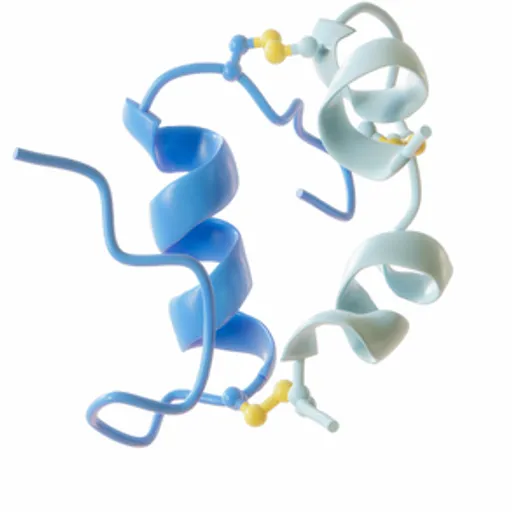
37In 1922, a starving, dying 14-year-old named Leonard Thompson got an injection of crude cow-pancreas extract in Toronto and within days went from a skeletal coma case to alert and hungry — diabetes went from an automatic death sentence to a manageable condition overnight. Banting and Best famously sold the patent for $1 each, insisting insulin belonged to the world, not to profiteers. It remains one of the fastest lab-to-lifesaving-drug stories in history, and millions of people are alive today purely because of that one desperate experiment.
Era: 1921
added by Yourlist Editorialin 2 rankingsinsulin
30X-rays
Wilhelm Röntgen was fiddling with a cathode ray tube in 1895 when he noticed a mysterious glow through solid materials, and days later he X-rayed his wife's hand — she saw her own skeleton and reportedly said 'I have seen my death.' For the first time in history, doctors could look inside a living body without cutting it open, instantly transforming diagnosis of fractures, tumors, and foreign objects. It kicked off the entire field of medical imaging that later gave us CT, MRI, and ultrasound.
Era: 1895
added by Yourlist Editorial
3mRNA vaccines
Katalin Karikó spent decades getting rejected and demoted for insisting mRNA could be turned into medicine, until COVID-19 gave the technology its moment — Pfizer and Moderna went from viral genetic sequence to injectable vaccine in under a year, a process that used to take a decade. It didn't just help end a pandemic that killed millions; it proved a programmable platform that can now be aimed at cancer, HIV, and diseases nobody's cured yet. It's the newest entry here, but arguably the one with the widest-open future.
Era: 2020
added by Yourlist Editorialin 3 rankings
-5Organ transplantation
In 1954, surgeon Joseph Murray transplanted a kidney between identical twins Ronald and Richard Herrick, sidestepping rejection entirely and proving a failing organ could simply be replaced with a working one. What started as a one-in-a-million genetic loophole became, with the development of immunosuppressants, a routine miracle — hearts, livers, lungs, and faces now get swapped between strangers every day. It's the breakthrough that turned science fiction body-swapping into Tuesday afternoon surgery.
Era: 1954
added by Yourlist Editorialin 2 rankings
-24