Most affordable big U.S. cities
As living costs climb across the country, more Americans are searching for big cities where their paychecks can actually stretch further. From housing prices to everyday expenses, affordability has become a major factor in where people choose to build their lives. Which major U.S. city do you think offers the best bang for your buck? Cast your vote below!
What counts: Seeded with approximate real-world figures — the crowd's votes decide the order from here.
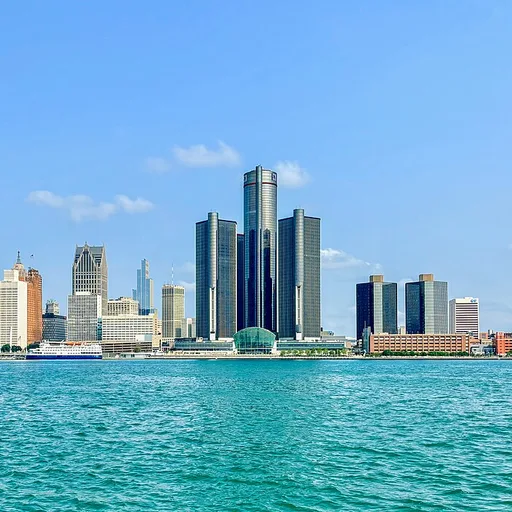
Detroit
The city that offered $1,000 houses to anyone willing to renovate them, a stunt born from decades of population flight and abandonment. It remains the poster child for affordability-through-collapse, where median home prices still hover in the tens of thousands in whole neighborhoods.
Metro pop.: 4,300,000Median home: $200,000Sunny days: 183
added by Yourlist Editorialin 10 rankings
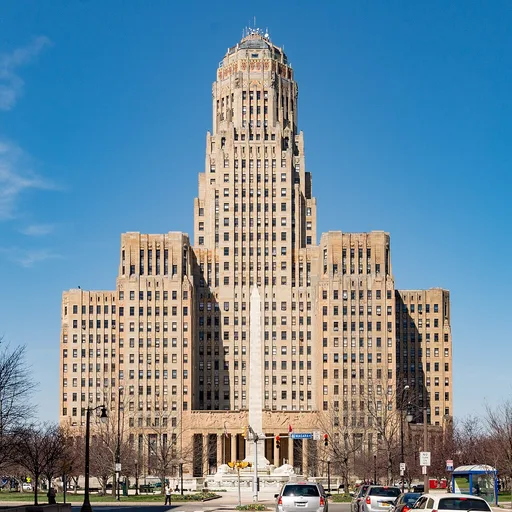
44Grain elevators rusted into ruin as Erie Canal trade dried up, leaving behind a housing stock so cheap that starter homes routinely list under $150,000. Brutal winters keep the hype down, but the affordability is no myth — it's the actual reward for enduring lake-effect snow.
Metro pop.: 1,100,000Median home: $220,000Sunny days: 155
added by Yourlist Editorialin 5 rankingsBuffalo
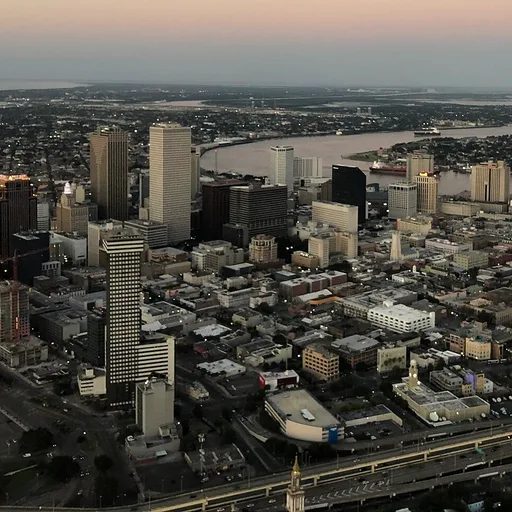
31Katrina's floodwaters rewrote the map in 2005, and while tourism roared back, housing prices in many parishes never caught up to the national surge. The Big Easy earns its spot by remaining shockingly livable for a city with world-class food and music on every corner.
Metro pop.: 1,300,000Median home: $250,000Sunny days: 216
added by Yourlist Editorialin 10 rankingsNew Orleans
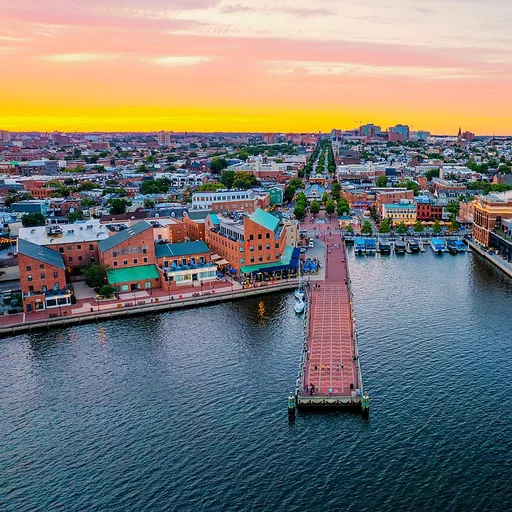
18Rowhouse blocks selling for the price of a used car became national news, especially after HBO's 'The Wire' cemented the city's reputation for disinvestment. Baltimore's affordability is inseparable from its struggles, but it's real — a coastal city where you can still buy property without a coastal budget.
Metro pop.: 2,800,000Median home: $220,000Sunny days: 213
added by Yourlist Editorialin 5 rankingsBaltimore
16Beer barons built mansions here, but the city's modern claim to fame is duplexes and bungalows still within reach of a bartender's paycheck. Milwaukee rides the Rust Belt affordability wave while offering lakefront views most coastal cities would charge triple for.
Metro pop.: 1,600,000Median home: $230,000Sunny days: 190
added by Yourlist Editorialin 4 rankingsMilwaukee
16St. Louis
The Gateway Arch looms over a city that lost half its population since the 1950s, leaving behind grand old homes that sell for a fraction of their square footage elsewhere. St. Louis is the definition of buying history cheap — ornate brick two-flats at Rust Belt prices.
Metro pop.: 2,800,000Median home: $250,000Sunny days: 202
added by Yourlist Editorialin 7 rankings
15Once mocked as 'the mistake on the lake' after its river literally caught fire in 1969, Cleveland turned civic embarrassment into a rock-bottom cost of living. Median rents and home prices remain among the lowest of any major metro, a quiet consolation prize for a city that burned through its industrial glory.
Metro pop.: 2,000,000Median home: $220,000Sunny days: 166
added by Yourlist Editorialin 5 rankingsCleveland
13Memphis
Elvis's Graceland sits blocks from neighborhoods where median home values barely crack six figures, a stark reminder that cultural cachet hasn't translated to cost-of-living inflation. Memphis stays cheap because its economic engine — logistics and warehousing — never triggered the wage or housing spiral of tech hubs.
Metro pop.: 1,300,000Median home: $240,000Sunny days: 218
added by Yourlist Editorialin 6 rankings
11Its hilly neighborhoods and German-built housing stock have kept Cincinnati under the radar of the coastal migration boom that inflated so many Midwest peers. It's the rare city that offers walkable urbanism and chili parlors without the price tag of walkable urbanism elsewhere.
Metro pop.: 2,200,000Median home: $260,000Sunny days: 175
added by Yourlist Editorialin 5 rankingsCincinnati
10Pittsburgh
The steel mills closed, the skies cleared, and somehow the city reinvented itself around hospitals and universities without home prices following the boomtown script. Pittsburgh proves post-industrial reinvention doesn't have to mean pricing out the people who stuck around.
Metro pop.: 2,400,000Median home: $230,000Sunny days: 160
added by Yourlist Editorialin 8 rankings
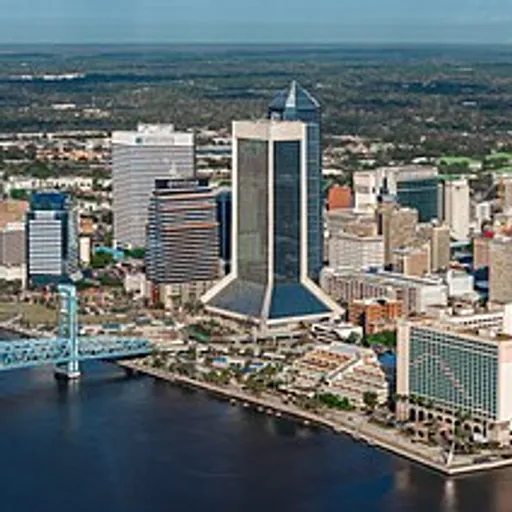
9America's largest city by land area spreads its population thin enough that housing pressure never concentrated the way it did in denser Sun Belt boomtowns. Jacksonville quietly offers beach proximity and no state income tax at a price point that undercuts nearly every other Florida metro.
Metro pop.: 1,600,000Median home: $300,000Sunny days: 221
added by Yourlist Editorialin 6 rankingsJacksonville
4Philadelphia
Rowhouses stretch for miles in a city that never fully gentrified block by block, letting Philly remain the most affordable big city on the Northeast Corridor. It's the one place you can live an hour from Manhattan's economy without paying Manhattan's rent.
Metro pop.: 6,200,000Median home: $280,000Sunny days: 207
added by Yourlist Editorialin 13 rankings
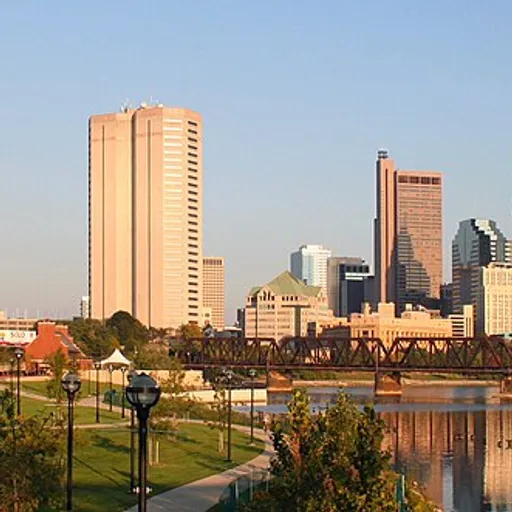
3Ohio's capital became a magnet for Intel's massive chip plant and steady population growth, yet home prices only recently started catching up to the hype. Columbus is the affordability window that's closing — still a bargain, but the clock is ticking.
Metro pop.: 2,100,000Median home: $300,000Sunny days: 179
added by Yourlist Editorialin 4 rankingsColumbus
-2San Antonio
The Alamo draws tourists, but locals stick around because San Antonio has managed to grow into a top-10 U.S. city by population without matching that growth in housing costs. It's Texas's affordability sleeper hit, overshadowed by flashier Austin and Houston.
Metro pop.: 2,600,000Median home: $300,000Sunny days: 220
added by Yourlist Editorialin 6 rankings
-4Barbecue smoke and jazz history aside, KC's real claim to fame is a housing market that barely blinked during the 2010s boom that reshaped so many peer cities. It's a city where a decent salary still buys an actual yard, not just a balcony.
Metro pop.: 2,200,000Median home: $300,000Sunny days: 215
added by Yourlist Editorialin 5 rankingsKansas City
-4Houston
No zoning laws let Houston build sprawling and fast, flooding the market with housing supply that kept prices in check even as the city added residents by the hundreds of thousands. It's proof that America's fourth-largest city can still be a bargain if you just let developers build whatever, wherever.
Metro pop.: 7,300,000Median home: $340,000Sunny days: 204
added by Yourlist Editorialin 8 rankings
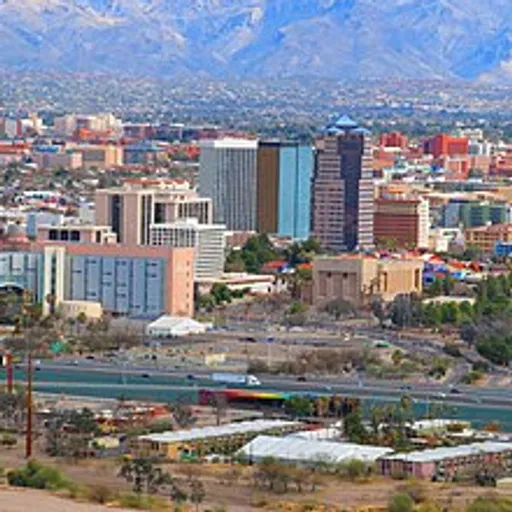
-8Desert sprawl and a slower growth trajectory than Phoenix kept Tucson's home prices meaningfully lower than its flashier Arizona sibling. It's the affordable-Southwest option for people who want saguaros and sunsets without Scottsdale-level costs.
Metro pop.: 1,000,000Median home: $330,000Sunny days: 286
added by Yourlist Editorialin 4 rankingsTucson
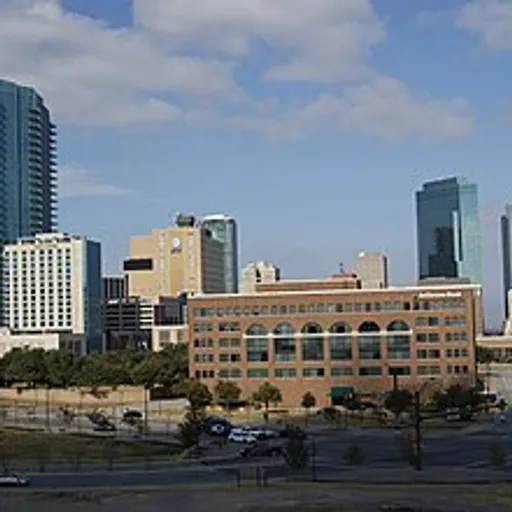
-16Long overshadowed by Dallas next door, Fort Worth kept its cowtown identity and its lower price tags even as the Metroplex exploded into a corporate relocation magnet. It's the quieter, cheaper half of a twin-city pairing that increasingly feels like a steal.
Metro pop.: 1,000,000Median home: $340,000Sunny days: 229
added by Yourlist Editorialin 5 rankingsFort Worth
-19Minneapolis
Frigid winters and a reputation as a 'flyover' city kept Minneapolis affordable even as it built one of the most robust job markets and park systems in the country. It's cold enough to scare off the coastal money, which is exactly why it still pencils out.
Metro pop.: 3,700,000Median home: $350,000Sunny days: 198
added by Yourlist Editorialin 8 rankings
-21Chicago
The Great Migration and decades of population plateau left Chicago as the rare true metropolis — global finance, elite architecture, deep-dish everything — that never inflated its housing costs like New York or LA. It's the biggest-city argument on this list: world-class urbanism at Midwest prices.
Metro pop.: 9,400,000Median home: $340,000Sunny days: 189
added by Yourlist Editorialin 20 rankings
-22