Most Fascinating Ancient Technologies
From the gears of ancient computers to engineering feats that still baffle modern experts, human ingenuity long before the digital age produced technologies that continue to amaze historians and scientists alike. Which ancient invention deserves the top spot for sheer brilliance, mystery, or lasting influence? Cast your vote and help crown the most fascinating ancient technology.
What counts: Ranked by sheer ingenuity, mystery, and lasting influence on modern engineering — all dates, origins, and status notes are approximate and debated by historians.
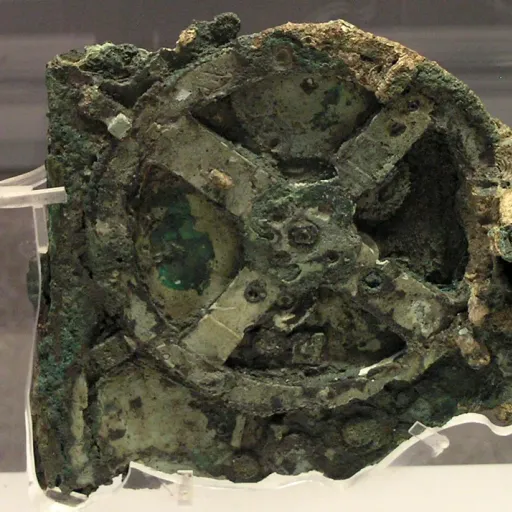
Hauled from a shipwreck off Antikythera in 1901, this bronze gearwork could predict eclipses and track planetary cycles centuries before anyone thought the Greeks had clockwork. Its 30-plus interlocking gears rival Renaissance astronomical clocks by 1,400 years. Scholars still ar
Approx. Date: ~150–100 BCEOrigin: Ancient GreeceIngenuity: 10/10Status Today: Fragment recovered, mechanism reconstructed
added by Yourlist Editorialin 2 rankingsAntikythera mechanism
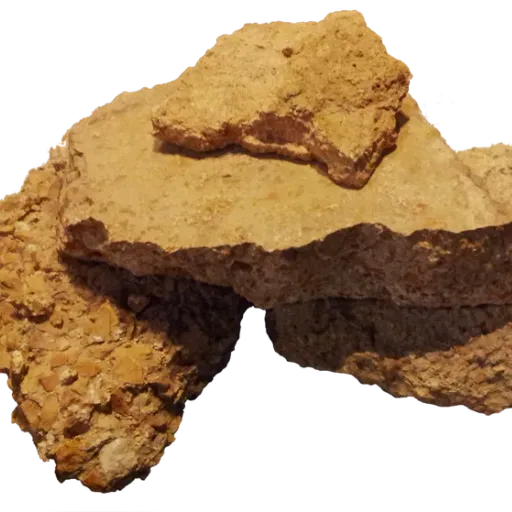
0Roman harbors built of seawater-cured concrete have outlasted modern rebar-reinforced structures, growing stronger as seawater reacts with volcanic ash inside it. Engineers only cracked the mineral secret, aluminous tobermorite, in 2017, humbling modern concrete science. The unre
Approx. Date: ~200 BCE–200 CEOrigin: Roman EmpireIngenuity: 9/10Status Today: Formula rediscovered in 2017
added by Yourlist EditorialRoman concrete
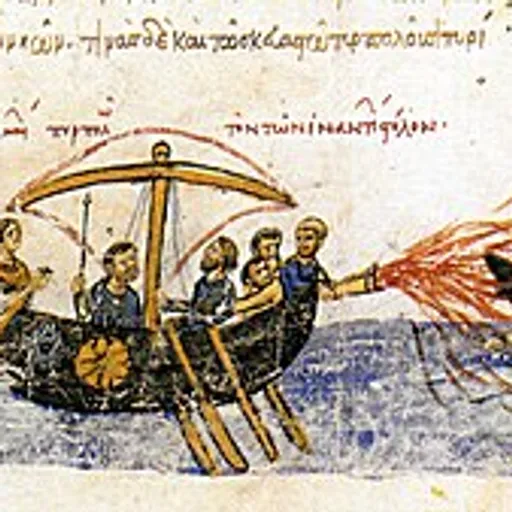
0This incendiary weapon burned even on water and turned Byzantine ships into flamethrowers that saved Constantinople from repeated sieges. The empire guarded its formula so fiercely that the exact recipe died with it. Every modern theory, from naphtha to quicklime, remains educate
Approx. Date: ~672 CEOrigin: Byzantine EmpireIngenuity: 8/10Status Today: Recipe lost
added by Yourlist EditorialGreek fire
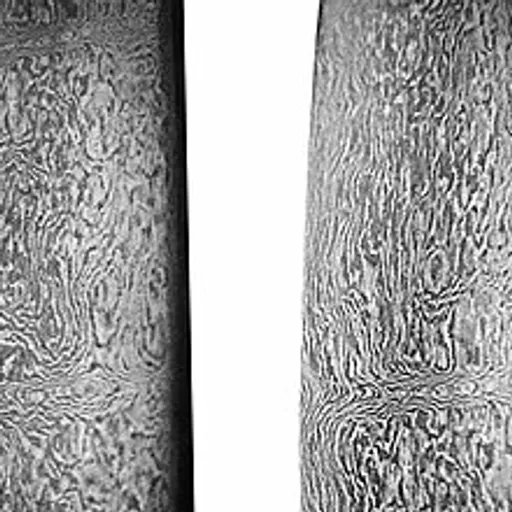
0Forged from wootz ingots imported from India, Damascus blades held legendary edges and rippling watered patterns European smiths couldn't replicate. Modern metallurgists suspect carbon nanotubes formed accidentally during smelting. The original wootz supply chain collapsed by the
Approx. Date: ~300 BCE–1700 CEOrigin: India / Middle EastIngenuity: 9/10Status Today: Technique lost, modern imitations exist
added by Yourlist EditorialDamascus steel
0Great Pyramid Construction
Moving and stacking 2.3 million stone blocks, some weighing 80 tons, into a near-perfect pyramid with no iron tools or wheels still baffles engineers. Wet-sand sledging and internal ramp theories explain pieces of the puzzle but not the whole picture. It stood as the tallest man-
Approx. Date: ~2560 BCEOrigin: Ancient EgyptIngenuity: 9/10Status Today: Construction methods still debated
added by Yourlist Editorial
0Roman Aqueducts
Using nothing but gravity and millimeter-precise gradients, Roman engineers moved water across hundreds of miles to feed public baths, fountains, and toilets. The Pont du Gard in France still stands after 2,000 years without mortar failure. Their surveying tool, the chorobates, l
Approx. Date: ~312 BCE onwardOrigin: Roman EmpireIngenuity: 8/10Status Today: Some segments still functional
added by Yourlist Editorialin 3 rankings
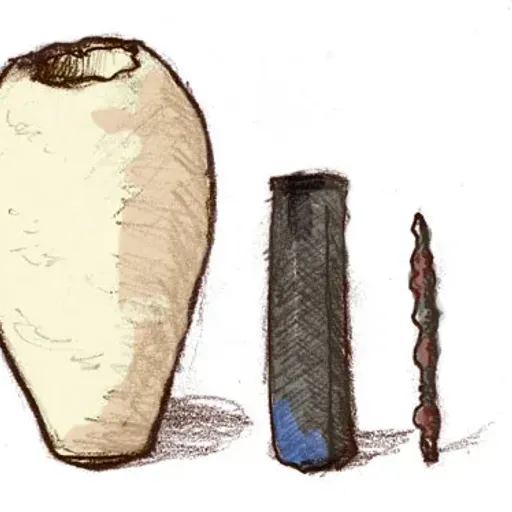
0A clay jar, copper cylinder, and iron rod found near Baghdad look suspiciously like a galvanic cell, sparking theories of ancient electroplating. Skeptics argue it was just a scroll container, and no ancient text mentions electricity. The mystery persists precisely because nobody
Approx. Date: ~200 BCE–200 CEOrigin: Parthian MesopotamiaIngenuity: 6/10Status Today: Function disputed
added by Yourlist EditorialBaghdad Battery
0Zhang Heng's Seismoscope
Zhang Heng's bronze urn detected the direction of distant earthquakes by dropping a ball from a dragon's mouth, centuries before Europe had any seismic instrument. It reportedly sensed a quake 400 miles away that nobody in the capital felt. No original survives, but modern recons
Approx. Date: 132 CEOrigin: Han ChinaIngenuity: 8/10Status Today: Original lost, replicas built
added by Yourlist Editorial
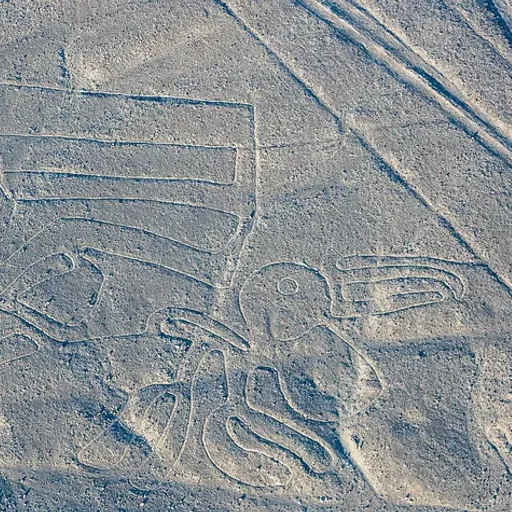
0Hundreds of geoglyphs etched into the desert, hummingbirds, monkeys, a 1,200-foot lizard, are only fully legible from the air, raising the question of how their makers designed them without flight. Simple surveying stakes and grids likely did the job, proving low-tech methods can
Approx. Date: ~500 BCE–500 CEOrigin: Ancient PeruIngenuity: 7/10Status Today: Preserved by arid climate
added by Yourlist Editorialin 2 rankingsNazca Lines
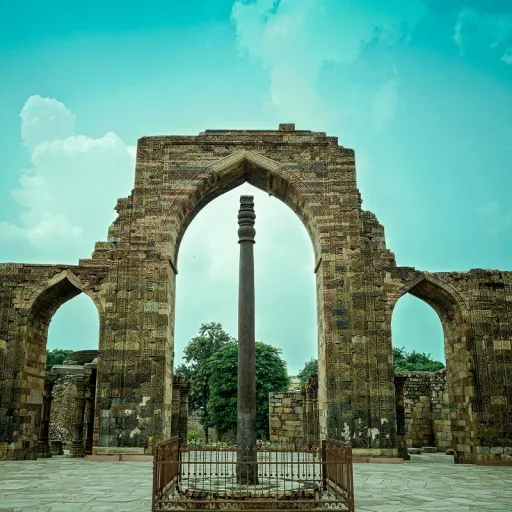
0This 24-foot solid iron pillar has resisted rust for over 1,600 years in humid Delhi, thanks to a phosphorus-rich protective layer Indian smiths achieved without knowing modern chemistry. It's a working advertisement for ancient metallurgical skill that outperforms much modern ir
Approx. Date: ~400 CEOrigin: Gupta IndiaIngenuity: 8/10Status Today: Still standing, rust-resistant
added by Yourlist Editorialiron pillar of Delhi
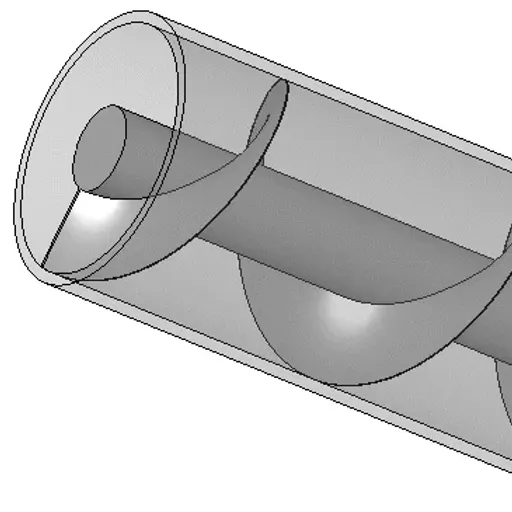
0A simple rotating helix inside a cylinder let ancient farmers lift water uphill with human or animal power, a design so efficient it's still used in modern wastewater plants. Archimedes reportedly adapted it from earlier Egyptian irrigation ideas. Few ancient inventions have enjo
Approx. Date: ~250 BCEOrigin: Ancient Greece / EgyptIngenuity: 7/10Status Today: Still manufactured today
added by Yourlist EditorialArchimedes' screw
0Inca Quipu
These knotted cords served as a portable data-storage system, encoding census figures, tribute records, and possibly narrative information across an empire with no written script. Modern researchers have cracked the numerical logic but still can't fully read the narrative quipu.
Approx. Date: ~1400s CEOrigin: Inca EmpireIngenuity: 7/10Status Today: Partially deciphered
added by Yourlist Editorial
0Viking Sunstones
Norse sagas describe crystal 'sunstones' that revealed the sun's position through fog by polarizing light, letting Vikings navigate the open Atlantic without a magnetic compass. Modern experiments with Iceland spar confirm the underlying physics works, though no confirmed sunston
Approx. Date: ~900 CEOrigin: ScandinaviaIngenuity: 6/10Status Today: Hypothetical, partly tested
added by Yourlist Editorial
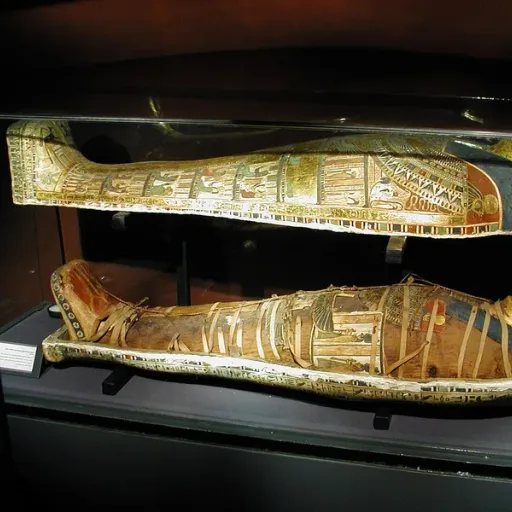
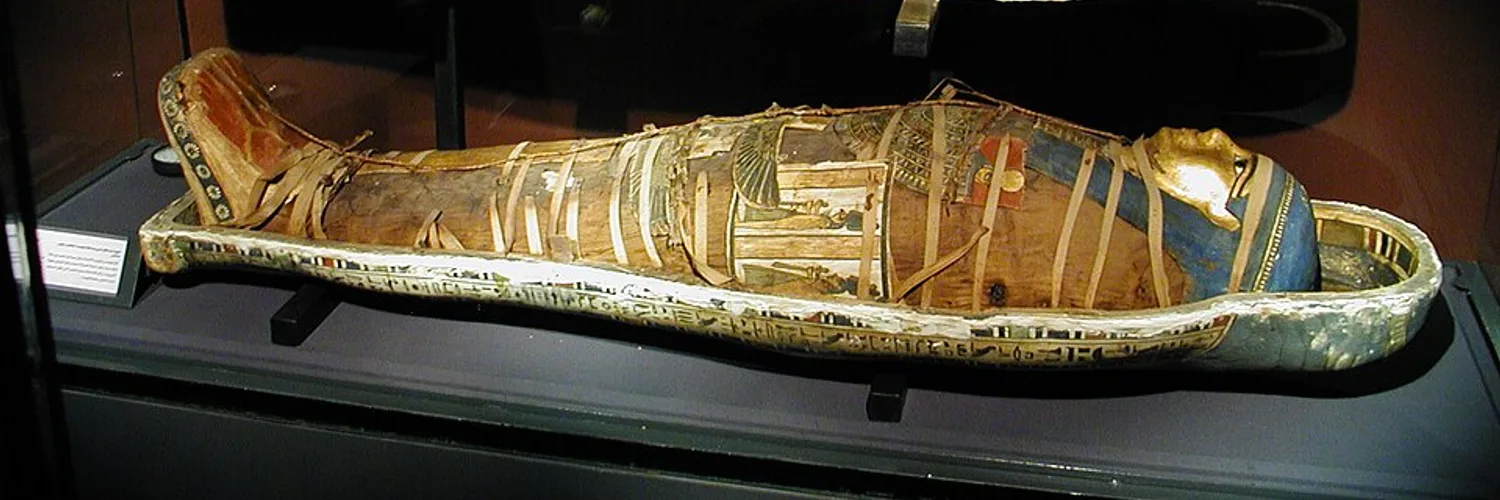
0Egyptian embalmers combined natron salt, resin, and precise organ removal to preserve bodies for millennia, achieving results modern morticians still study. Recent chemical analysis of embalming residues revealed imported resins from as far as Southeast Asia, hinting at a surpris
Approx. Date: ~2600 BCE onwardOrigin: Ancient EgyptIngenuity: 7/10Status Today: Chemistry reverse-engineered
added by Yourlist EditorialEgyptian mummification
0Roman Hypocaust Heating
Romans piped hot air from furnaces beneath raised floors and through wall cavities to heat entire bathhouses and villas, essentially inventing central heating. Wealthy Romans enjoyed heated floors nearly 2,000 years before it became a modern luxury feature. The system required co
Approx. Date: ~100 BCE onwardOrigin: Roman EmpireIngenuity: 6/10Status Today: Concept revived in modern underfloor heating
added by Yourlist Editorial
0Maya Astronomical Calendar
Maya astronomers tracked Venus's cycle to within a fraction of a day using nothing but naked-eye observation over centuries, embedding it into a calendar system of staggering complexity. Their Long Count calendar predicted eclipses that modern computation confirms were correct. P
Approx. Date: ~300 BCE–900 CEOrigin: MesoamericaIngenuity: 8/10Status Today: Cycles verified by modern astronomy
added by Yourlist Editorial
0Terracotta Army Manufacturing
Qin Shi Huang's workshops mass-produced over 8,000 life-sized soldiers using standardized molded parts later hand-finished for individuality, an assembly-line logic centuries before Rome and two millennia before Henry Ford. Each figure's face is unique despite the modular body pr
Approx. Date: ~210 BCEOrigin: Qin ChinaIngenuity: 8/10Status Today: Site still being excavated
added by Yourlist Editorial
0Nabataean Water Channels of Petra
In a desert receiving barely four inches of rain a year, the Nabataeans carved a citywide network of channels, cisterns, and dams that turned Petra into a flourishing city capable of supporting tens of thousands of residents. Their flash-flood control systems still function well
Approx. Date: ~300 BCEOrigin: Nabataean ArabiaIngenuity: 7/10Status Today: Channels still visible and partly functional
added by Yourlist Editorial
0