Greatest Archaeological Discoveries Ever
From lost tombs to entire buried cities, some archaeological finds don't just fill museum halls — they rewrite what we thought we knew about human history. These discoveries have sparked scientific revolutions, captured global imaginations, and settled centuries-old mysteries. Which unearthed treasure deserves the top spot? Cast your vote and help crown the greatest find of all time.
What counts: Ranked by historical significance, cultural impact, and sheer wow-factor; all dates and ages are approximate and rounded, since exact figures are often debated among scholars.
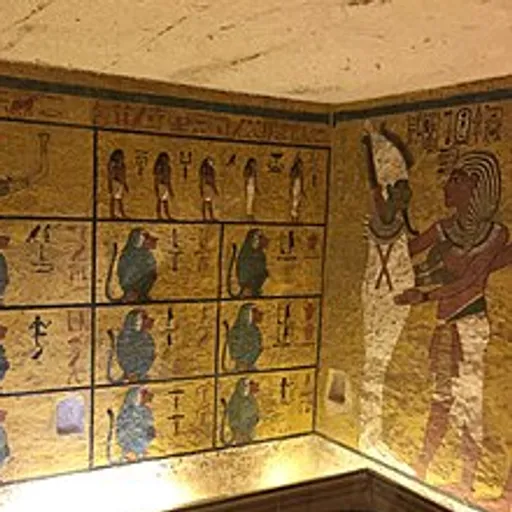
Howard Carter's 1922 candlelight glimpse into 'wonderful things' gave the world an intact pharaoh's burial, gold mask and all, untouched by tomb robbers for over 3,000 years. It remains the gold standard against which every other dig is measured.
Year Discovered: 1922Approximate Age: ~3,300 yearsLocation: Valley of the Kings, EgyptHistorical Significance: 10/10
added by Yourlist Editorialin 2 rankingstomb of Tutankhamun
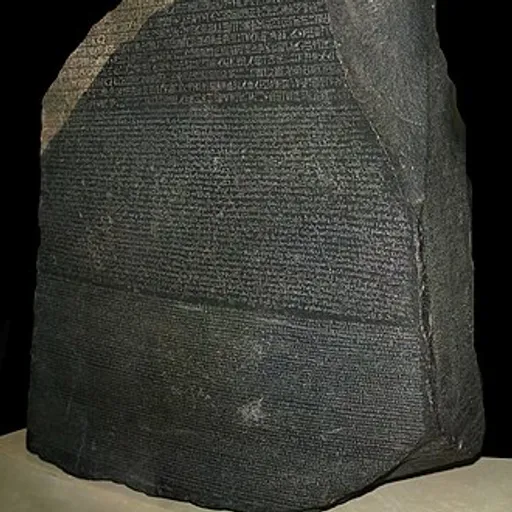
0A slab of granite dug up by French soldiers in 1799 became the key that unlocked Egyptian hieroglyphs, letting Champollion finally read 3,000 years of silent inscriptions. Without it, ancient Egypt would still be a mystery written in a language no one could speak.
Year Discovered: 1799Approximate Age: ~2,200 yearsLocation: Rosetta, EgyptHistorical Significance: 9.5/10
added by Yourlist Editorialin 3 rankingsRosetta Stone
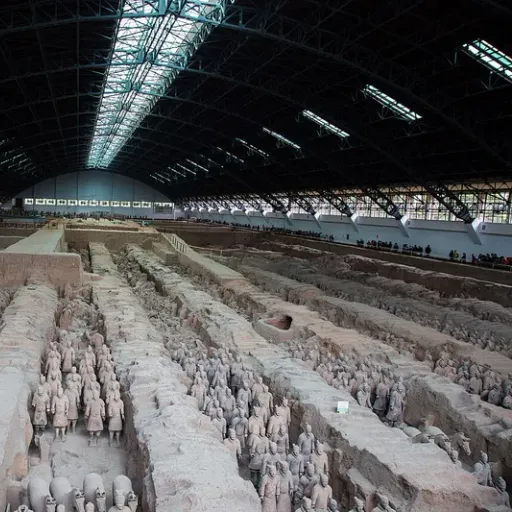
0Farmers digging a well in 1974 struck the buried honor guard of China's first emperor — thousands of individually sculpted soldiers standing sentinel for over two millennia. It instantly became one of the most staggering displays of ancient ambition ever unearthed.
Year Discovered: 1974Approximate Age: ~2,200 yearsLocation: Xi'an, ChinaHistorical Significance: 9/10
added by Yourlist Editorialin 3 rankingsTerracotta Army
0Pompeii & Herculaneum
Vesuvius's ash in 79 CE froze a Roman city mid-breath, and its 18th-century rediscovery let archaeologists walk streets, bakeries, and bathhouses exactly as they were the day everyone fled or perished. The plaster casts of the dead remain some of history's most haunting artifacts
Year Discovered: 1748 (excavations began)Approximate Age: ~1,950 yearsLocation: Campania, ItalyHistorical Significance: 9.5/10
added by Yourlist Editorial
0A Bedouin shepherd chasing a goat into a cave in 1947 stumbled onto the oldest known biblical manuscripts, upending scholarly assumptions about the transmission of scripture. The scrolls proved that ancient texts had survived almost unchanged for two millennia.
Year Discovered: 1947Approximate Age: ~2,000-2,200 yearsLocation: Qumran, West BankHistorical Significance: 9/10
added by Yourlist Editorialin 2 rankingsDead Sea scrolls
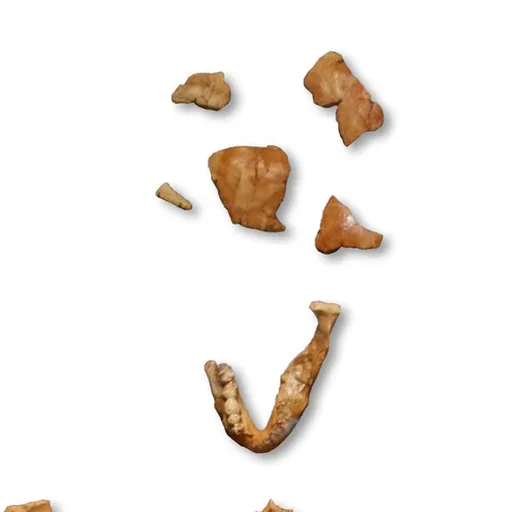
0Lucy (Australopithecus afarensis)
In 1974, paleoanthropologist Donald Johanson found a 40%-complete skeleton in Ethiopia that pushed back the story of human bipedalism by millions of years. Named after a Beatles song playing in camp, Lucy became the most famous fossil in the story of human origins.
Year Discovered: 1974Approximate Age: ~3.2 million yearsLocation: Hadar, EthiopiaHistorical Significance: 9/10
added by Yourlist EditorialLucy
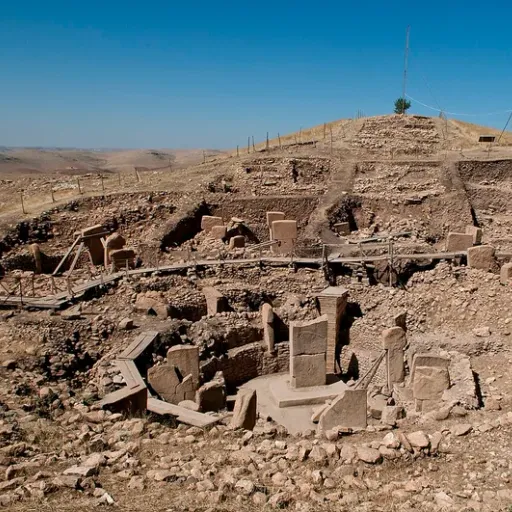
0Klaus Schmidt's excavations starting in 1994 revealed monumental carved pillars built by hunter-gatherers thousands of years before agriculture, forcing a total rethink of how civilization began. It suggests religion and ritual, not farming, may have been the spark that started i
Year Discovered: 1994 (excavations began)Approximate Age: ~11,500 yearsLocation: Şanlıurfa, TurkeyHistorical Significance: 9/10
added by Yourlist Editorialin 2 rankingsGöbekli Tepe
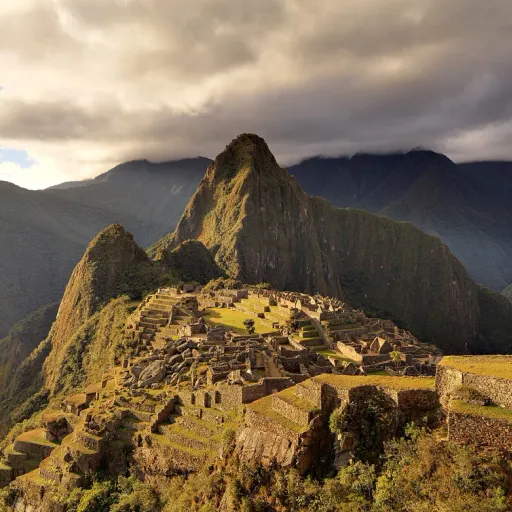
0Hiram Bingham's 1911 'rediscovery' of an Inca citadel hidden in Andean cloud forest turned a local secret into a global icon of lost civilizations. Its dry-stone walls and terraces, abandoned after the Spanish conquest, still baffle engineers with their precision.
Year Discovered: 1911Approximate Age: ~550 yearsLocation: Cusco Region, PeruHistorical Significance: 8.5/10
added by Yourlist Editorialin 6 rankingsMachu Picchu
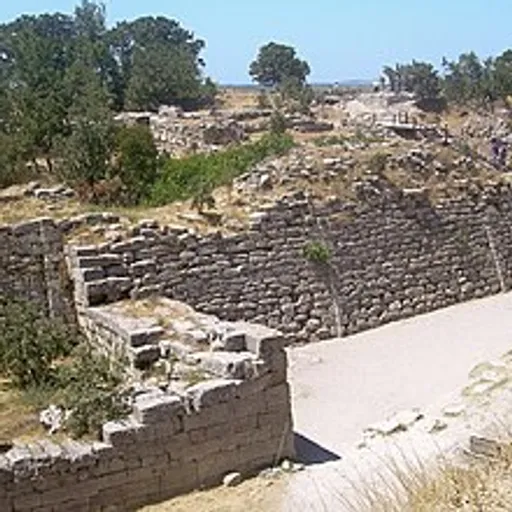
0Heinrich Schliemann's 1870s excavations at Hisarlik turned Homer's supposedly mythical war into a real, layered Bronze Age city with its own gold hoard, dubbed 'Priam's Treasure.' It proved legend and archaeology could collide in spectacular, if controversial, fashion.
Year Discovered: 1870sApproximate Age: ~3,200-4,500 yearsLocation: Hisarlik, TurkeyHistorical Significance: 8.5/10
added by Yourlist Editorialin 3 rankingsTroy
0Lascaux Cave Paintings
Four teenagers chasing a dog into a hole in 1940 found walls covered in vivid Ice Age bulls, horses, and deer, painted by hands 17,000 years removed from our own. Lascaux proved that sophisticated art — and imagination — long predates written history.
Year Discovered: 1940Approximate Age: ~17,000 yearsLocation: Dordogne, FranceHistorical Significance: 8.5/10
added by Yourlist Editorial
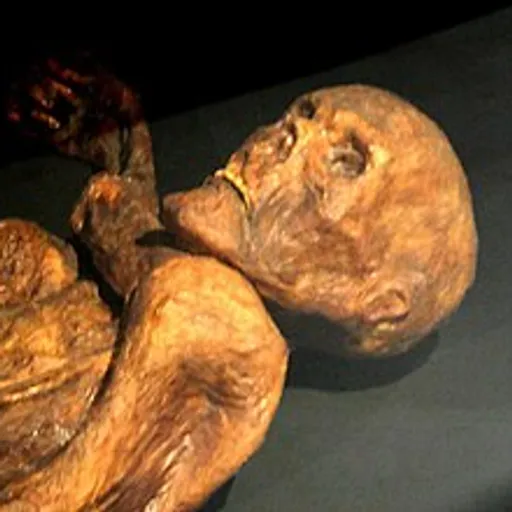
0Melting glacier ice in 1991 released the naturally mummified body of a Copper Age man, complete with tattoos, an arrow wound, and a stomach full of his last meal. Ötzi gave science an unprecedented, forensic-level window into everyday Bronze Age life and death.
Year Discovered: 1991Approximate Age: ~5,300 yearsLocation: Ötztal Alps, Italy/Austria borderHistorical Significance: 8/10
added by Yourlist EditorialÖtzi
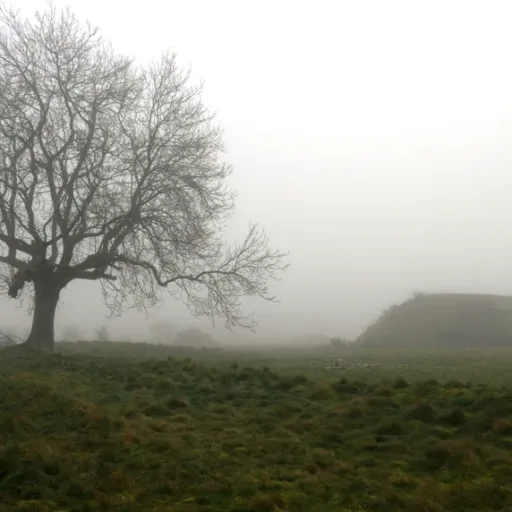
0A 1939 dig into an English burial mound revealed an entire ship-burial loaded with Anglo-Saxon treasure, including the iconic helmet that redefined the so-called 'Dark Ages' as anything but dark. It remains Britain's most spectacular archaeological find.
Year Discovered: 1939Approximate Age: ~1,400 yearsLocation: Suffolk, EnglandHistorical Significance: 8/10
added by Yourlist Editorialin 2 rankingsSutton Hoo
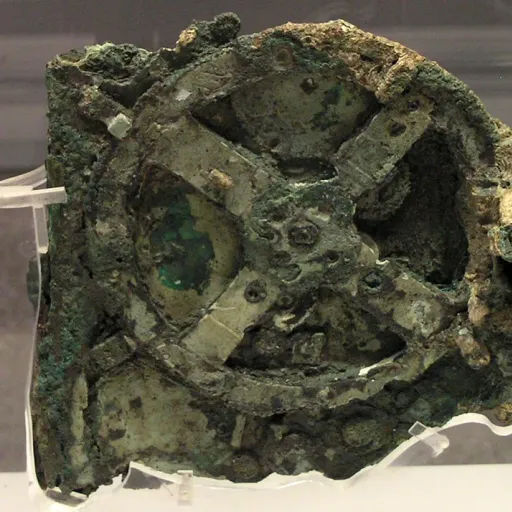
0Pulled from a shipwreck in 1901, this corroded bronze device turned out to be an astonishingly complex ancient astronomical computer, tracking eclipses and planetary cycles with gears no one expected the Greeks to have mastered. It single-handedly rewrote the timeline of mechanic
Year Discovered: 1901Approximate Age: ~2,100 yearsLocation: Antikythera, GreeceHistorical Significance: 8/10
added by Yourlist Editorialin 2 rankingsAntikythera mechanism
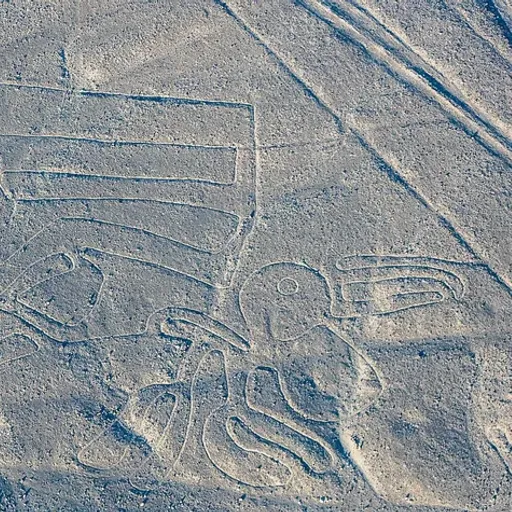
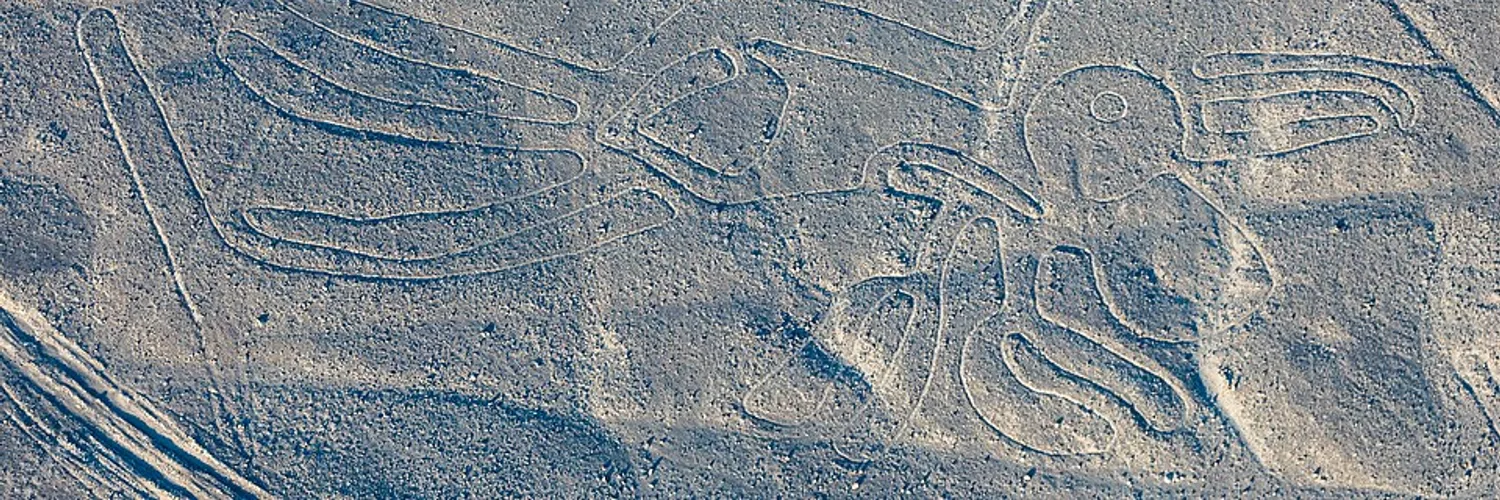
0Best appreciated from the air, these massive geoglyphs of animals and geometric shapes etched into the Peruvian desert baffled the pilots who first spotted them in the 1920s. Their exact purpose — ritual, astronomical, or something else — is still argued over today.
Year Discovered: 1927 (aerial discovery)Approximate Age: ~1,500-2,300 yearsLocation: Nazca Desert, PeruHistorical Significance: 7.5/10
added by Yourlist Editorialin 2 rankingsNazca Lines
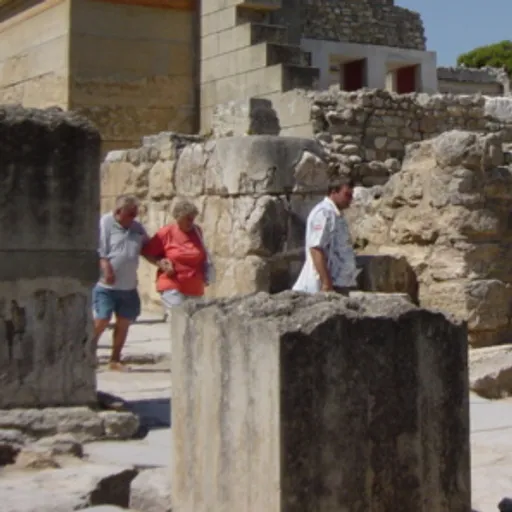
0Arthur Evans's 1900 excavation uncovered a sprawling Bronze Age palace complex, complete with frescoes and a labyrinthine layout that fed directly into the Minotaur myth. Knossos revealed the previously unknown Minoan civilization, one of Europe's earliest complex societies.
Year Discovered: 1900Approximate Age: ~3,700 yearsLocation: Crete, GreeceHistorical Significance: 7.5/10
added by Yourlist EditorialKnossos
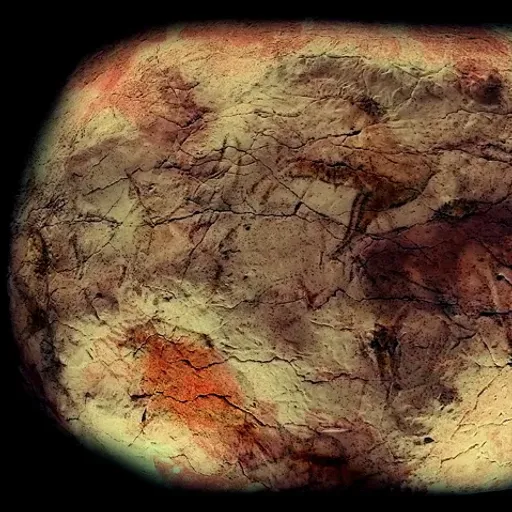
0A hunter's dog fell into a cave in 1868, but it was a young girl exploring in 1879 who first spotted the painted bison overhead, kicking off decades of disbelief that Paleolithic humans could create such art. Altamira's 'Sistine Chapel of Cave Art' eventually forced scholars to a
Year Discovered: 1868/1879Approximate Age: ~14,000-36,000 yearsLocation: Cantabria, SpainHistorical Significance: 7.5/10
added by Yourlist EditorialCave of Altamira
0