Most Influential Treaties Ever Signed
From parchment deals that redrew empires to climate pacts binding the whole planet, these documents reshaped history. Vote for the treaty you think left the deepest mark on the world.
What counts: Ranked by lasting global influence — how much the treaty reshaped borders, law, warfare, or international norms — using widely cited historical assessments; signatory counts and dates are approximate where sources vary.
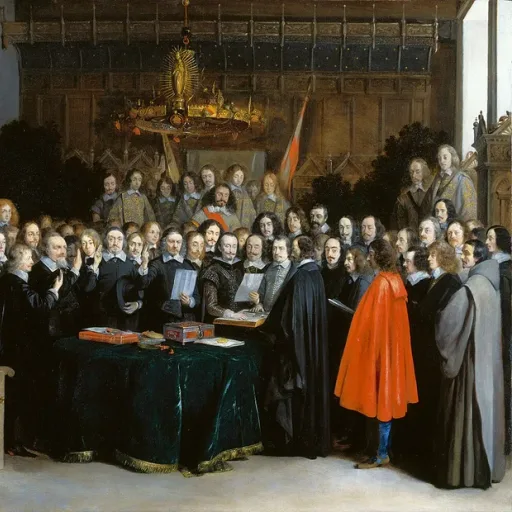
Ending the catastrophic Thirty Years' War, this 1648 settlement invented the modern idea that states are sovereign and equal, untouchable by outside religious or imperial authority. Every subsequent international order, from the UN Charter to modern diplomacy, still leans on 'Wes
Year Signed: 1648Key Parties: Holy Roman Empire, France, Sweden, Spain, Dutch RepublicGlobal Impact: 10/10Still Legally Active: —
added by Yourlist Editorialin 3 rankingsPeace of Westphalia
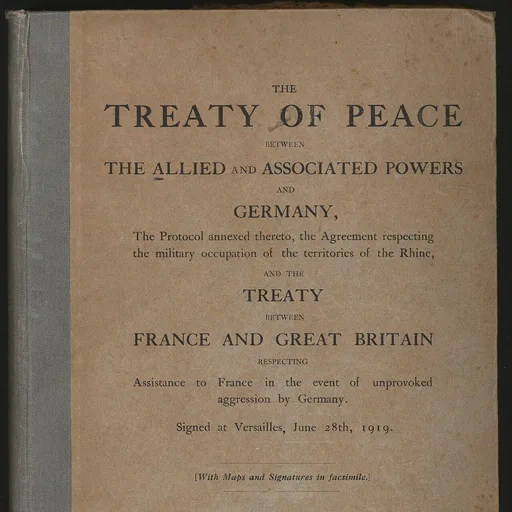
0The treaty that ended World War I also, through its harsh reparations and 'war guilt' clause on Germany, is widely blamed for fueling the resentment that fed Hitler's rise. Its redrawing of borders across Europe and the Middle East still shapes conflicts today. Few documents carr
Year Signed: 1919Key Parties: Allied Powers and GermanyGlobal Impact: 9/10Still Legally Active: —
added by Yourlist Editorialin 3 rankingsTreaty of Versailles
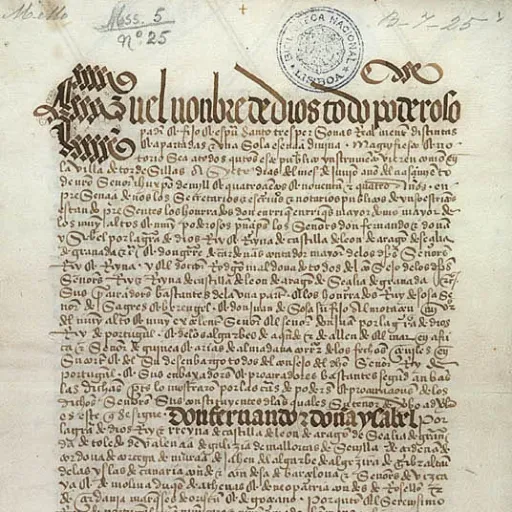
0Brokered by the Pope, this 1494 line-in-the-sand split the entire non-European world between Spain and Portugal before either had even seen most of it. It set the stage for centuries of colonization, explains why Brazil speaks Portuguese while its neighbors speak Spanish, and nor
Year Signed: 1494Key Parties: Spain and PortugalGlobal Impact: 8/10Still Legally Active: —
added by Yourlist Editorialin 2 rankingsTreaty of Tordesillas
0Congress of Vienna / Final Act
After Napoleon's defeat, Europe's powers redrew the continent's map and engineered a balance-of-power system that kept large-scale war off the continent for nearly a century. It pioneered the idea of great-power diplomacy as ongoing management rather than one-off deals, a model e
Year Signed: 1815Key Parties: Austria, Russia, Prussia, Britain, FranceGlobal Impact: 8/10Still Legally Active: —
added by Yourlist Editorial
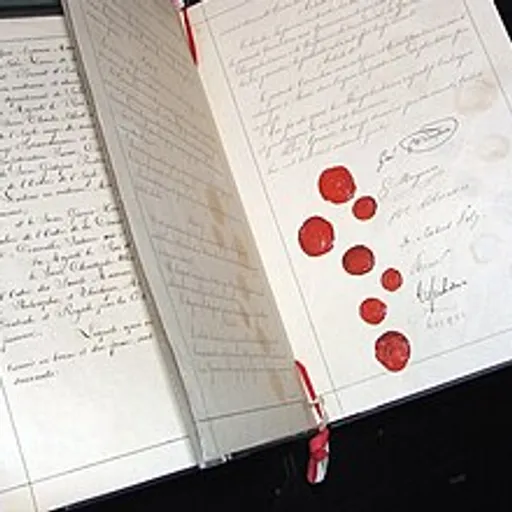
0Codifying humane treatment of the wounded, prisoners, and civilians in war, these conventions turned the horror of two world wars into enforceable law. Nearly every nation on Earth has ratified them, making them arguably the most universally accepted treaty framework in history,
Year Signed: 1949 (rooted in 1864)Key Parties: 196 states, near-universal ratificationGlobal Impact: 9/10Still Legally Active: ✓
added by Yourlist Editorialin 2 rankingsGeneva Conventions
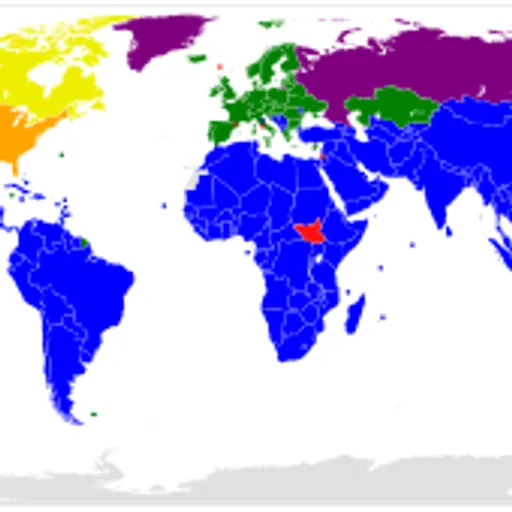
0Nuclear Non-Proliferation Treaty
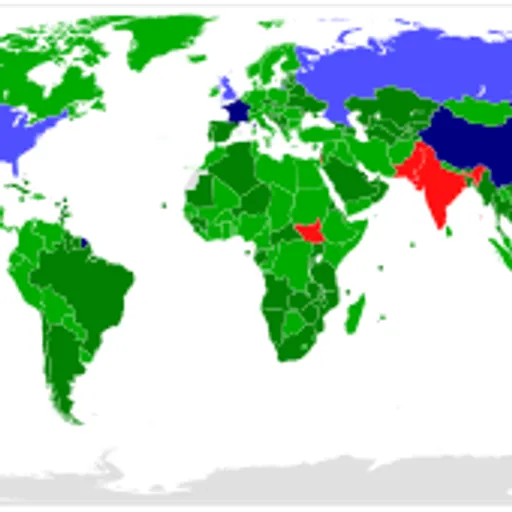
Signed at the height of Cold War fear, the NPT drew a hard line between five recognized nuclear states and everyone else, and remarkably held for decades, keeping the nuclear club far smaller than 1960s forecasts predicted. It remains the backbone of global arms control diplomacy
Year Signed: 1968Key Parties: 191 states including US, Russia, China, UK, FranceGlobal Impact: 9/10Still Legally Active: ✓
added by Yourlist EditorialTreaty on the Non-Proliferation of Nuclear Weapons
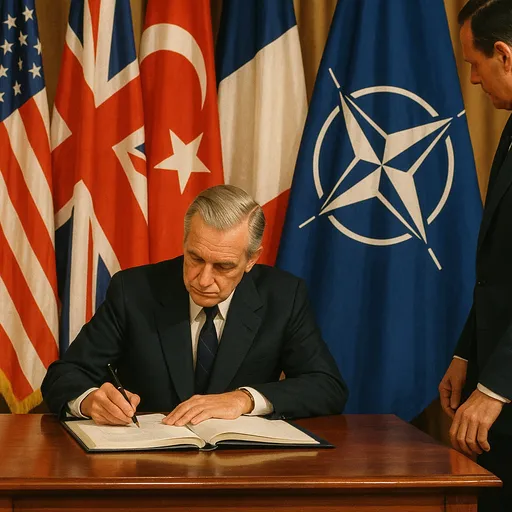
0Twelve nations pledged mutual defense against Soviet expansion in 1949, creating an alliance that outlived the Cold War it was built for and expanded to 32 members. Its only invocation of Article 5 came after 9/11, proving the pact's reach extends far beyond its founding purpose.
Year Signed: 1949Key Parties: 12 founding members, now 32Global Impact: 8/10Still Legally Active: ✓
added by Yourlist EditorialNorth Atlantic Treaty
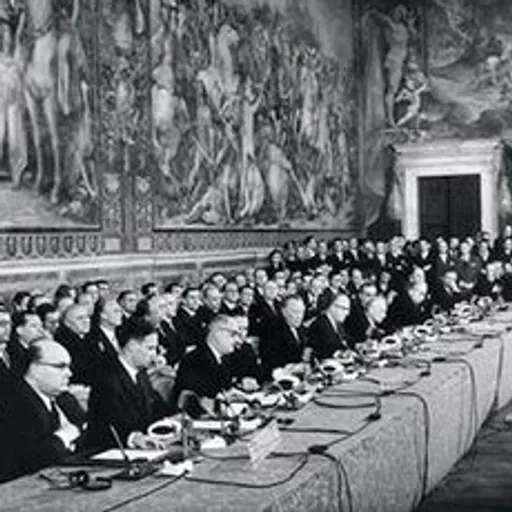
0Six war-scarred nations agreed to pool coal, steel, and eventually everything else, planting the seed that grew into the European Union. What began as an economic pact to make war between France and Germany 'materially impossible' became the world's boldest experiment in shared s
Year Signed: 1957Key Parties: Belgium, France, Italy, Luxembourg, Netherlands, West GermanyGlobal Impact: 8/10Still Legally Active: —
added by Yourlist EditorialTreaty of Rome
0Treaty of Paris (1783)
This treaty ended the American Revolutionary War and forced Britain to formally recognize the United States as an independent nation, redrawing the map of North America overnight. It set a template for how colonial rebellions could win legal legitimacy at the negotiating table.
Year Signed: 1783Key Parties: Great Britain and United StatesGlobal Impact: 8/10Still Legally Active: —
added by Yourlist Editorialin 2 rankings
0The first treaty to legally bind wealthy nations to specific carbon emission cuts, Kyoto put climate change on the diplomatic map even as the US never ratified it and its targets proved too weak. It's remembered as the flawed but essential first draft that made the Paris Agreemen
Year Signed: 1997Key Parties: 192 partiesGlobal Impact: 6/10Still Legally Active: ✓
added by Yourlist EditorialKyoto Protocol
0Nearly every country on Earth signed onto voluntary but tracked commitments to limit global warming, marking the first truly universal climate accord. Its bottom-up structure was a bet that peer pressure and transparency could succeed where Kyoto's top-down mandates failed.
Year Signed: 2015Key Parties: 196 partiesGlobal Impact: 8/10Still Legally Active: ✓
added by Yourlist EditorialParis Climate Agreement
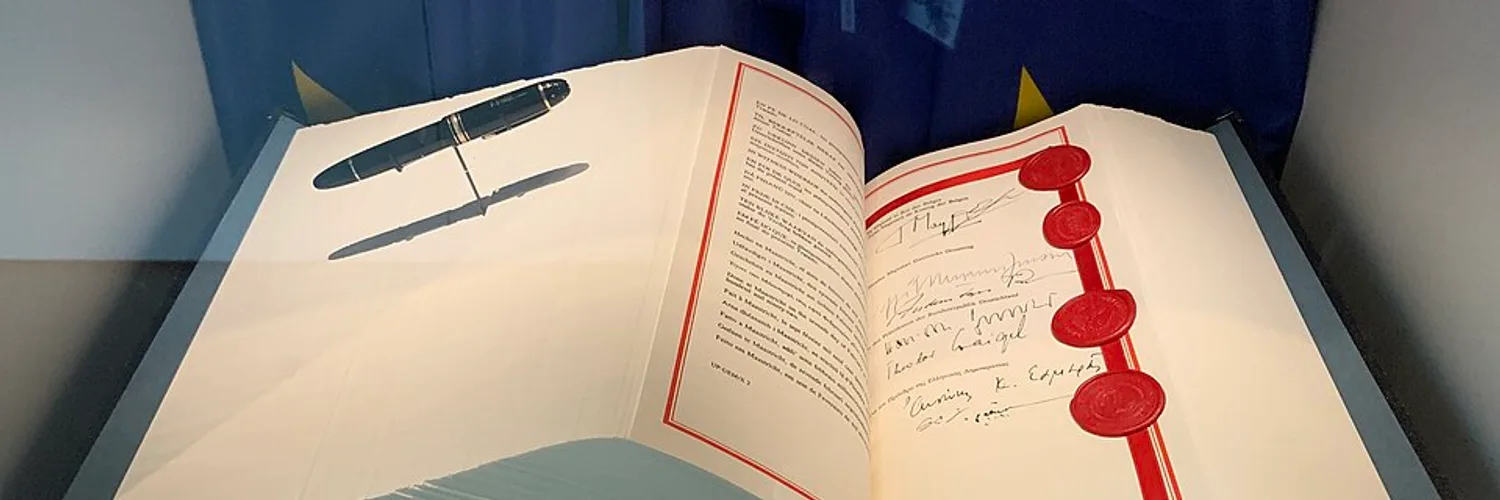
0This 1992 pact transformed a trading bloc into the European Union proper, creating EU citizenship and laying the groundwork for a single currency. It's the moment 'Europe' stopped being just an economic idea and became a political one.
Year Signed: 1992Key Parties: 12 EU member statesGlobal Impact: 7/10Still Legally Active: ✓
added by Yourlist EditorialMaastricht Treaty
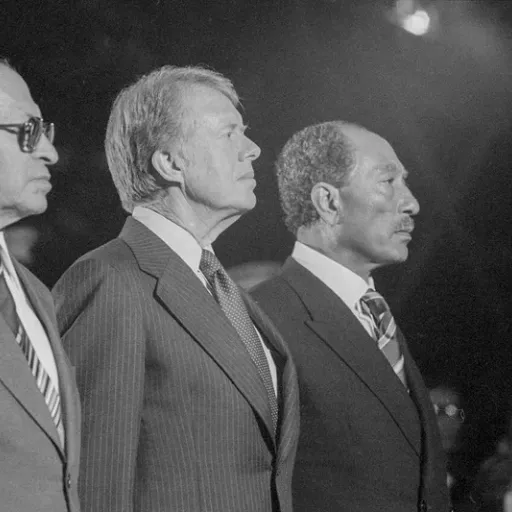
0Brokered by Jimmy Carter, this framework led Egypt to become the first Arab nation to formally recognize Israel, ending decades of war between them. Anwar Sadat paid with his life for the deal, but the peace between Cairo and Jerusalem has held for over 45 years.
Year Signed: 1978Key Parties: Egypt and IsraelGlobal Impact: 7/10Still Legally Active: ✓
added by Yourlist Editorialin 3 rankingsCamp David Accords
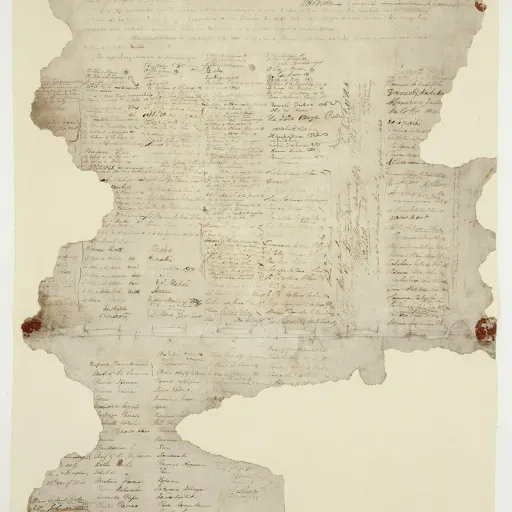
0Signed between the British Crown and Māori chiefs, this founding document of New Zealand promised protection of Māori land and rights in exchange for sovereignty, then was violated for over a century. Its modern reinterpretation and tribunal have made it a global model for reckon
Year Signed: 1840Key Parties: British Crown and Māori chiefsGlobal Impact: 6/10Still Legally Active: ✓
added by Yourlist EditorialTreaty of Waitangi
0SALT I
Nixon and Brezhnev's 1972 agreement froze the number of ballistic missile launchers each superpower could hold, the first real brake on the nuclear arms race. It proved that even bitter Cold War rivals could negotiate mutual restraint, opening the door to decades of further arms
Year Signed: 1972Key Parties: United States and Soviet UnionGlobal Impact: 6/10Still Legally Active: —
added by Yourlist Editorial
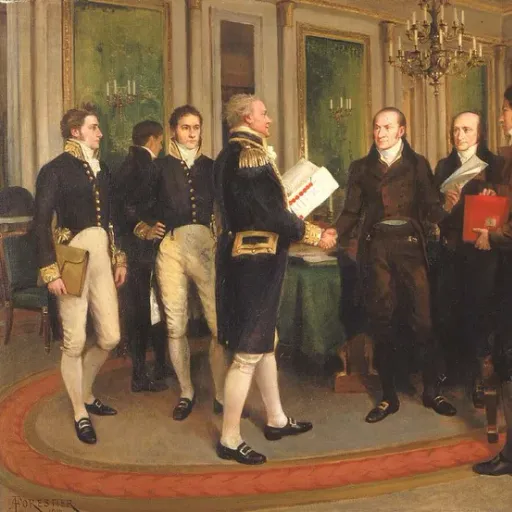
0Ending the War of 1812 with essentially a return to the pre-war status quo, this treaty is famous for how little it changed on paper yet how much it stabilized: it launched two centuries of peace between the US and Britain/Canada. It's proof that a treaty's value isn't always in
Year Signed: 1814Key Parties: United States and Great BritainGlobal Impact: 5/10Still Legally Active: ✓
added by Yourlist EditorialTreaty of Ghent
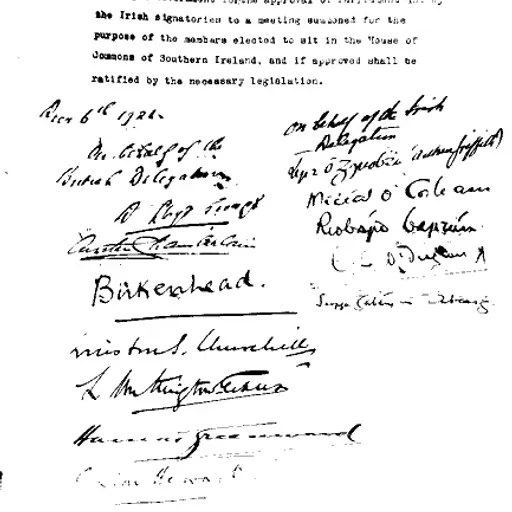
0This 1921 agreement ended the Irish War of Independence and created the Irish Free State, but its compromise on partition and the Crown split the nationalist movement and triggered a bitter civil war. It's a textbook case of a treaty solving one conflict while seeding another.
Year Signed: 1921Key Parties: United Kingdom and Irish representativesGlobal Impact: 5/10Still Legally Active: —
added by Yourlist EditorialAnglo-Irish Treaty
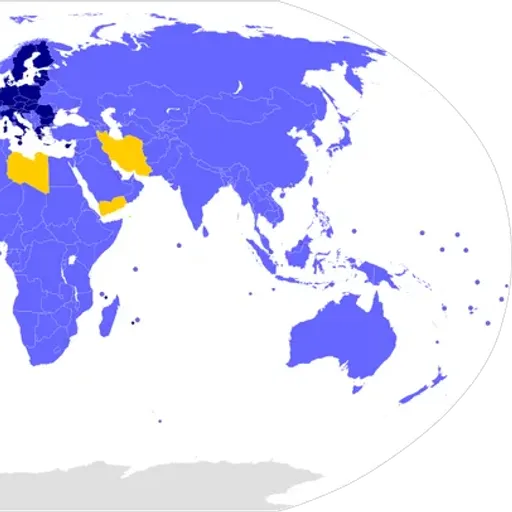
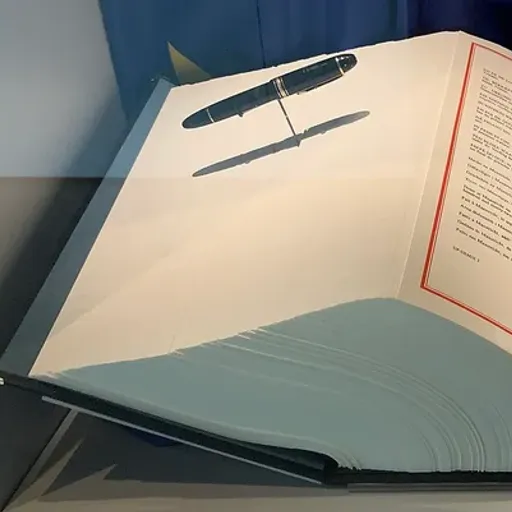
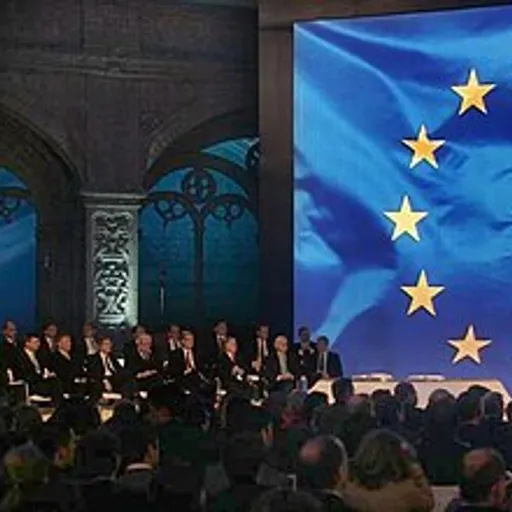
0After the EU's proposed constitution was rejected by voters, Lisbon quietly delivered most of the same reforms anyway, creating a permanent EU president and streamlining decision-making for 27 nations. It's the treaty that made the modern EU institutionally functional, if not uni
Year Signed: 2007Key Parties: 27 EU member statesGlobal Impact: 6/10Still Legally Active: ✓
added by Yourlist EditorialTreaty of Lisbon
0