Greatest Diplomatic Achievements in History
From ending world wars to defusing nuclear standoffs, these are history's most consequential acts of diplomacy. Vote for the ones you think reshaped the world for the better.
What counts: Ranked by lasting geopolitical impact, difficulty of the negotiation, and durability of the outcome. Years, party counts, and impact ratings are approximate and meant as rough guides, not precise records.
Ended the brutally destructive Thirty Years' War and effectively invented the modern concept of state sovereignty. Dozens of European powers hammered out a settlement in the twin cities of Osnabrück and Münster that still underpins international law today. Its principle of non-in
Year(s): 1648Key Parties: Holy Roman Empire, France, Sweden, and alliesHistorical Impact: 9.5/10Durability of Outcome: 9/10Negotiation Difficulty: 9/10
added by Yourlist EditorialPeace of Westphalia
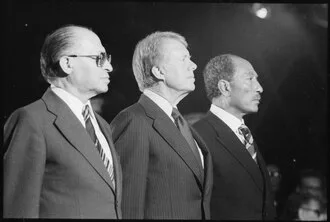
0Jimmy Carter locked Anwar Sadat and Menachem Begin in secluded talks for 13 tense days, producing the first peace treaty between Israel and an Arab state. Egypt regained the Sinai Peninsula while Israel gained unprecedented regional legitimacy. The deal cost Sadat his life but ha
Year(s): 1978Key Parties: Egypt, Israel, United StatesHistorical Impact: 9/10Durability of Outcome: 9/10Negotiation Difficulty: 9/10
added by Yourlist EditorialCamp David Accords
0Congress of Vienna (1814-1815)
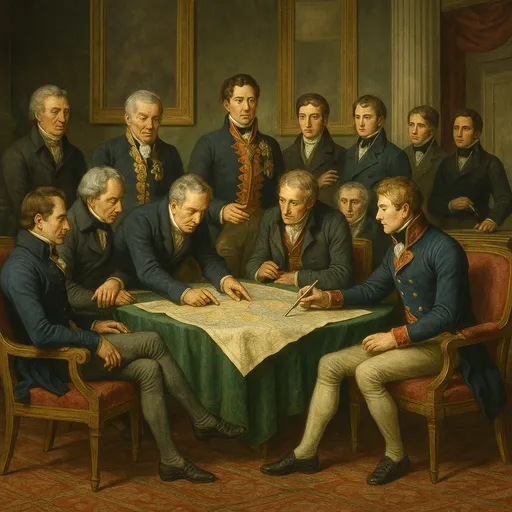
After Napoleon's defeat, European powers redrew the continent's map and engineered a balance-of-power system that avoided another general war for nearly a century. Metternich, Talleyrand, and Castlereagh turned potential vengeance into a surprisingly stable settlement. It's the g
Year(s): 1814-1815Key Parties: Austria, Russia, Prussia, Britain, FranceHistorical Impact: 9/10Durability of Outcome: 8.5/10Negotiation Difficulty: 8.5/10
added by Yourlist EditorialCongress of Vienna
0Cuban Missile Crisis Resolution (1962)
Kennedy and Khrushchev, through back-channel letters and a secret deal brokered by Robert Kennedy and Ambassador Dobrynin, pulled the world back from the brink of nuclear war in thirteen days. The quiet trade of a Turkey missile withdrawal for Cuba's Soviet missiles never became
Year(s): 1962Key Parties: United States, Soviet UnionHistorical Impact: 9.5/10Durability of Outcome: 8/10Negotiation Difficulty: 10/10
added by Yourlist Editorial
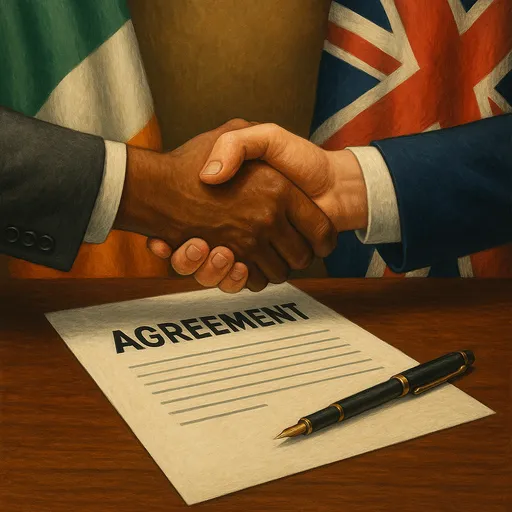
0Ended three decades of sectarian violence in Northern Ireland known as the Troubles, brokered by George Mitchell with crucial input from Tony Blair and Bertie Ahern. It created a power-sharing government between unionists and nationalists that, despite periodic crises, has held.
Year(s): 1998Key Parties: UK, Ireland, Northern Ireland factionsHistorical Impact: 8.5/10Durability of Outcome: 8/10Negotiation Difficulty: 8.5/10
added by Yourlist EditorialGood Friday Agreement
0Treaty of Paris (1783)
Benjamin Franklin, John Adams, and John Jay negotiated Britain's formal recognition of American independence, securing generous territorial boundaries that stretched to the Mississippi. It was a diplomatic triumph for a fledgling nation with almost no leverage beyond its French a
Year(s): 1783Key Parties: United States, Great BritainHistorical Impact: 8.5/10Durability of Outcome: 9/10Negotiation Difficulty: 7.5/10
added by Yourlist Editorialin 2 rankings
0Marshall Plan Negotiations (1947-1951)
George Marshall's diplomatic push convinced a war-weary Congress and skeptical European governments to accept massive American aid, rebuilding economies and cementing Western alliances against Soviet expansion. It required sixteen nations to cooperate on distribution despite hist
Year(s): 1947-1951Key Parties: United States, Western European nationsHistorical Impact: 8.5/10Durability of Outcome: 8.5/10Negotiation Difficulty: 7/10
added by Yourlist Editorial
0Nixon's Opening to China (1972)
Henry Kissinger's secret shuttle diplomacy set up Richard Nixon's stunning visit to Mao's China, ending 23 years of estrangement between the two powers. The move split the Communist bloc and gave the US crucial leverage over the Soviet Union. It's remembered as one of the most au
Year(s): 1972Key Parties: United States, People's Republic of ChinaHistorical Impact: 8.5/10Durability of Outcome: 7.5/10Negotiation Difficulty: 8/10
added by Yourlist Editorial
0Iran Nuclear Deal / JCPOA (2015)
After years of grinding multilateral talks, six world powers and Iran agreed to curb Tehran's nuclear program in exchange for sanctions relief, narrowly averting a potential military confrontation. John Kerry and Javad Zarif built personal trust that made an extraordinarily techn
Year(s): 2015Key Parties: Iran, US, UK, France, Russia, China, GermanyHistorical Impact: 7.5/10Durability of Outcome: 5/10Negotiation Difficulty: 9/10
added by Yourlist Editorial
0Dayton Accords (1995)
Richard Holbrooke bulldozed Serbian, Croatian, and Bosnian leaders into a peace deal at an Ohio air base, ending the horrifically bloody Bosnian War. The agreement's complex ethnic power-sharing structure was imperfect but stopped the killing immediately. It remains a textbook ca
Year(s): 1995Key Parties: Bosnia, Croatia, Serbia, United StatesHistorical Impact: 7.5/10Durability of Outcome: 6.5/10Negotiation Difficulty: 8.5/10
added by Yourlist Editorial
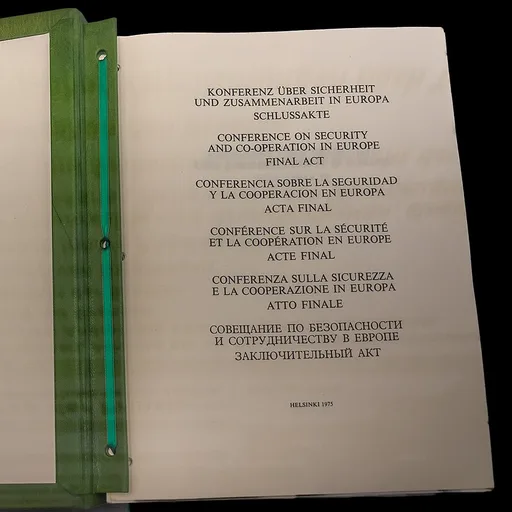
0This Cold War agreement between NATO and Warsaw Pact nations traded Western recognition of Soviet borders for Soviet commitments to human rights, a clause the USSR badly misjudged. Dissidents across Eastern Europe later used those human rights provisions as legal ammunition again
Year(s): 1975Key Parties: USA, USSR, and 33 European nationsHistorical Impact: 7.5/10Durability of Outcome: 7/10Negotiation Difficulty: 7.5/10
added by Yourlist EditorialHelsinki Accords
0Louisiana Purchase Negotiation (1803)
Robert Livingston and James Monroe went to France hoping to buy New Orleans and came home having doubled the size of the United States for about $15 million. Napoleon's abrupt decision to sell all of Louisiana turned a modest mission into history's greatest real estate diplomacy.
Year(s): 1803Key Parties: United States, FranceHistorical Impact: 8/10Durability of Outcome: 9/10Negotiation Difficulty: 5/10
added by Yourlist Editorial
0Paris Peace Accords / Vietnam War End (1973)
Henry Kissinger and Le Duc Tho negotiated the withdrawal of American forces from Vietnam after years of secret Paris talks, earning both a controversial Nobel Peace Prize. The accord did not prevent the war's continuation and Saigon's eventual fall in 1975, exposing its limits. I
Year(s): 1973Key Parties: United States, North Vietnam, South VietnamHistorical Impact: 6.5/10Durability of Outcome: 3/10Negotiation Difficulty: 8/10
added by Yourlist Editorial
0Reagan-Gorbachev Summits (1985-1988)
A series of summits from Geneva to Moscow saw Ronald Reagan and Mikhail Gorbachev build an improbable personal rapport that produced the INF Treaty eliminating an entire class of nuclear weapons. Their willingness to walk together in Reykjavik and speak candidly thawed decades of
Year(s): 1985-1988Key Parties: United States, Soviet UnionHistorical Impact: 8.5/10Durability of Outcome: 7/10Negotiation Difficulty: 8/10
added by Yourlist Editorial
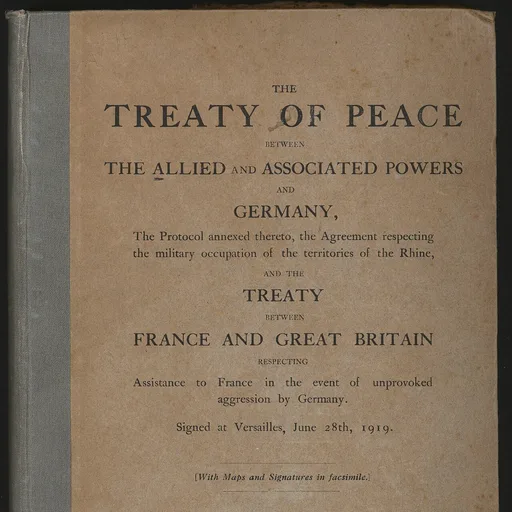
0Woodrow Wilson, Georges Clemenceau, and David Lloyd George ended World War I but imposed punitive terms on Germany that many historians argue sowed the seeds of World War II. It's a monumental diplomatic effort remembered as much for its catastrophic unintended consequences as it
Year(s): 1919Key Parties: Allied Powers, GermanyHistorical Impact: 7/10Durability of Outcome: 2/10Negotiation Difficulty: 8/10
added by Yourlist EditorialTreaty of Versailles
0Sadat-Begin Nobel Peace Framework (1979)
Building directly on Camp David, the formal Egypt-Israel Peace Treaty signed on the White House lawn made Egypt the first Arab nation to recognize Israel diplomatically. Sadat's willingness to break Arab League consensus was an act of extraordinary political courage. The cold but
Year(s): 1979Key Parties: Egypt, IsraelHistorical Impact: 8/10Durability of Outcome: 8.5/10Negotiation Difficulty: 8/10
added by Yourlist Editorial
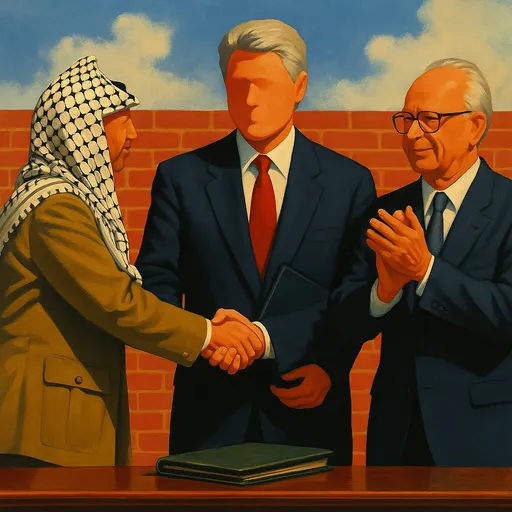
0Secret Norwegian-brokered talks produced the first direct agreement between Israel and the PLO, culminating in the famous Rabin-Arafat handshake on the White House lawn. It established limited Palestinian self-governance and seemed to open a genuine path to a two-state solution.
Year(s): 1993Key Parties: Israel, Palestine Liberation OrganizationHistorical Impact: 7/10Durability of Outcome: 3.5/10Negotiation Difficulty: 9/10
added by Yourlist EditorialOslo Accords
0Bandung Conference / Non-Aligned Movement (1955)
Newly independent Asian and African nations gathered in Indonesia to chart a path independent of both US and Soviet blocs, founding the Non-Aligned Movement. Sukarno, Nehru, and Nasser turned decolonization into organized diplomatic power. It gave dozens of postcolonial states co
Year(s): 1955Key Parties: 29 Asian and African nationsHistorical Impact: 6.5/10Durability of Outcome: 6/10Negotiation Difficulty: 6/10
added by Yourlist Editorial
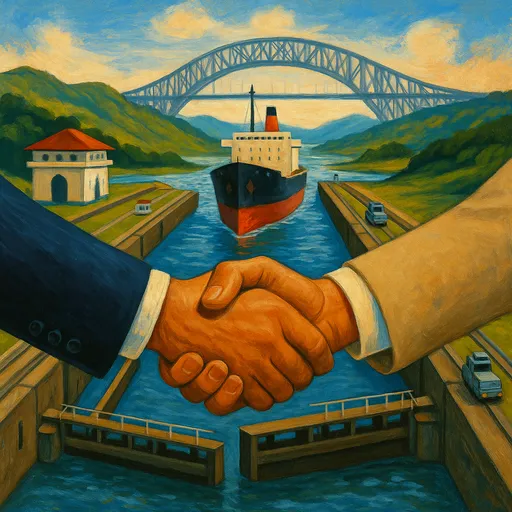
0Jimmy Carter pushed through an unpopular domestic fight to negotiate the handover of the Panama Canal to Panamanian control by 1999, defusing decades of resentment over American control of the waterway. It required Carter to spend enormous political capital against fierce Senate
Year(s): 1977Key Parties: United States, PanamaHistorical Impact: 6/10Durability of Outcome: 7.5/10Negotiation Difficulty: 6.5/10
added by Yourlist EditorialTorrijos–Carter Treaties
0Good Neighbor Policy / Rio Pact Diplomacy (1933-1948)
Franklin Roosevelt's renunciation of US military intervention in Latin America, followed by the Rio Treaty's collective defense framework, reset a century of resentment over American interventionism. It replaced gunboat diplomacy with genuine hemispheric partnership during a crit
Year(s): 1933-1948Key Parties: United States, Latin American nationsHistorical Impact: 5.5/10Durability of Outcome: 6.5/10Negotiation Difficulty: 5/10
added by Yourlist Editorial
0