⚔️Best Conquerors in History
From steppe nomads to empire-builders who redrew maps, these figures changed the course of civilizations through military campaigns and statecraft. The stakes are how far their reach extended, how long it lasted, and what they left behind. Vote on who ranks highest.
What counts: Best means scale of territory controlled, duration of control, and enduring institutional legacy. All figures are approximate.
Genghis Khan united the Mongol tribes and launched campaigns that created the largest contiguous empire in history. His disciplined cavalry and merit-based command crushed larger foes across Asia and Europe. The resulting Pax Mongolica reshaped trade and administration for centuries.
Peak Territory: 24 M km²Reign Period: 1206-1227Major Victories: 20Legacy Impact: 9/10Empire Duration: 150 years
- Unified fragmented tribes into professional army
- Created efficient postal and legal systems
- Opened Eurasian trade routes
- Relied heavily on terror tactics
- Empire fragmented after his death
- Limited long-term cultural institutions
added by Yourlist Editorialin 11 rankingsGenghis Khan
65Napoleon Bonaparte
Napoleon rose from artillery officer to emperor and briefly dominated Europe through rapid maneuver warfare. His Grande Armée won decisive victories at Austerlitz and Jena using corps system and artillery concentration. The Napoleonic Code and metric system still shape modern governance and measurement.
Peak Territory: 2.1 M km²Reign Period: 1799-1815Major Victories: 40Legacy Impact: 8/10Empire Duration: 16 years
- Reformed legal and administrative systems
- Revolutionized corps-based command
- Promoted merit over birth
- Ultimate defeat at Waterloo
- Continental System harmed economies
- Mass conscription caused huge casualties
added by Yourlist Editorialin 10 rankings
40Alexander inherited a Macedonian army and in thirteen years conquered the Persian Empire and lands from Greece to India. His phalanx and siege tactics repeatedly defeated numerically superior forces. He founded dozens of cities that spread Greek culture for centuries.
Peak Territory: 5.2 M km²Reign Period: 336-323 BCMajor Victories: 15Legacy Impact: 9/10Empire Duration: 13 years
- Spread Hellenistic culture and cities
- Innovative combined-arms tactics
- Respected local customs to stabilize rule
- Empire collapsed immediately after death
- Overextended supply lines
- Left no clear succession plan
added by Yourlist Editorialin 10 rankingsAlexander the Great
28Qin Shi Huang ended the Warring States period by conquering all rival Chinese kingdoms with iron discipline and standardized weapons. His centralized bureaucracy, uniform script, and Great Wall segments created the template for imperial China. The First Emperor’s tomb and legalist system left a lasting institutional legacy.
Peak Territory: 3.4 M km²Reign Period: 221-210 BCMajor Victories: 10Legacy Impact: 8/10Empire Duration: 15 years
- Standardized weights, script, and laws
- Built early Great Wall defenses
- Created unified Chinese state
- Brutal legalist purges
- Short-lived dynasty
- Massive forced labor projects
added by Yourlist Editorialin 6 rankingsQin Shi Huang
26Caesar conquered Gaul in eight years, doubling Roman territory and building a veteran army loyal to him alone. His engineering feats, including Rhine bridges and siege works at Alesia, demonstrated unmatched logistical skill. The civil war victory ended the Republic and set the template for imperial rule.
Peak Territory: 1.8 M km²Reign Period: 49-44 BCMajor Victories: 12Legacy Impact: 8/10Empire Duration: 500 years
- Professionalized Roman army logistics
- Documented campaigns in clear prose
- Laid foundation for Roman Empire
- Started devastating civil wars
- Assassinated before reforms matured
- Conquests relied on personal charisma
added by Yourlist Editorialin 9 rankingsJulius Caesar
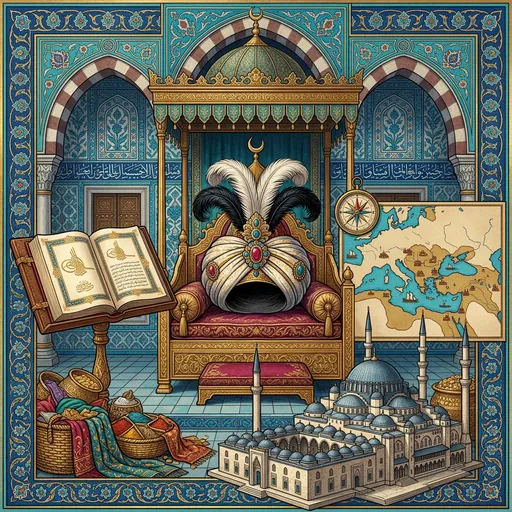
21Suleiman expanded the Ottoman Empire to its greatest extent, conquering Hungary, Rhodes, and parts of North Africa. His janissary corps and artillery train dominated European battlefields for decades. Legal and architectural reforms earned him the title Lawgiver.
Peak Territory: 2.2 M km²Reign Period: 1520-1566Major Victories: 13Legacy Impact: 8/10Empire Duration: 46 years
- Codified Ottoman legal system
- Built iconic mosques and infrastructure
- Balanced military and civil administration
- Costly wars against Safavids
- Naval setbacks at Malta
- Succession issues after his reign
added by Yourlist Editorialin 4 rankingsSuleiman the Magnificent
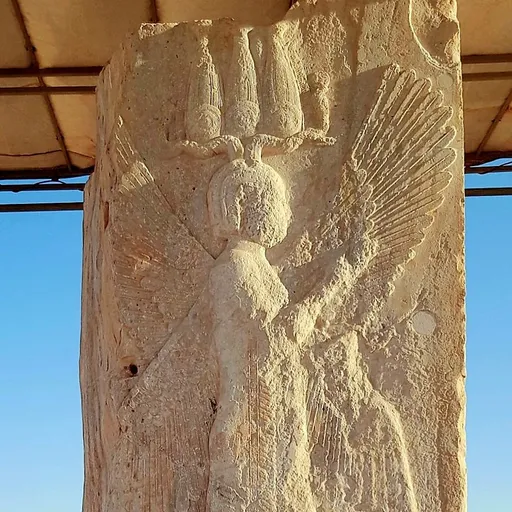
21Cyrus founded the Achaemenid Empire by defeating Media, Lydia, and Babylon in rapid succession. His policy of tolerating local religions and customs allowed stable rule over diverse populations. The resulting administrative model influenced later Persian and Hellenistic states.
Peak Territory: 5.5 M km²Reign Period: 559-530 BCMajor Victories: 8Legacy Impact: 8/10Empire Duration: 220 years
- Pioneered tolerant imperial governance
- Built Royal Road and postal network
- Respected conquered peoples’ traditions
- Sparse records of exact battles
- Died in campaign against nomads
- Successors faced repeated revolts
added by Yourlist Editorialin 5 rankingsCyrus the Great
17Tamerlane
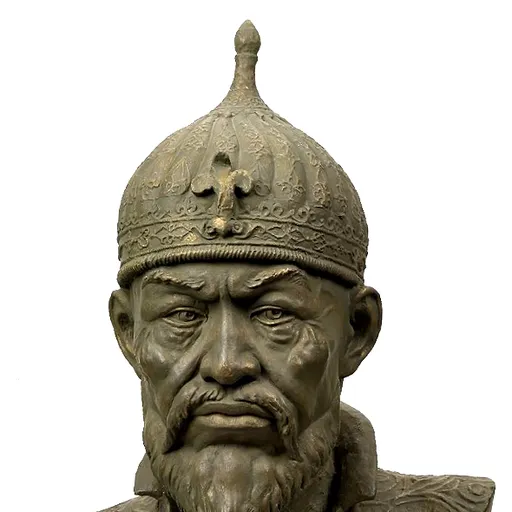
Tamerlane rebuilt a vast Central Asian empire through relentless campaigns that echoed Genghis Khan’s reach. He crushed Delhi, Baghdad, and Damascus with superior siege engineering and cavalry mobility. His Timurid Renaissance later influenced art and architecture across the region.
Peak Territory: 4.4 M km²Reign Period: 1370-1405Major Victories: 18Legacy Impact: 7/10Empire Duration: 35 years
- Mastered psychological warfare and siege craft
- Patronized scholars and architects
- Reunited fractured Mongol successor states
- Left pyramids of skulls, destroying cities
- Empire splintered among sons
- No durable administrative reforms
added by Yourlist Editorialin 3 rankings
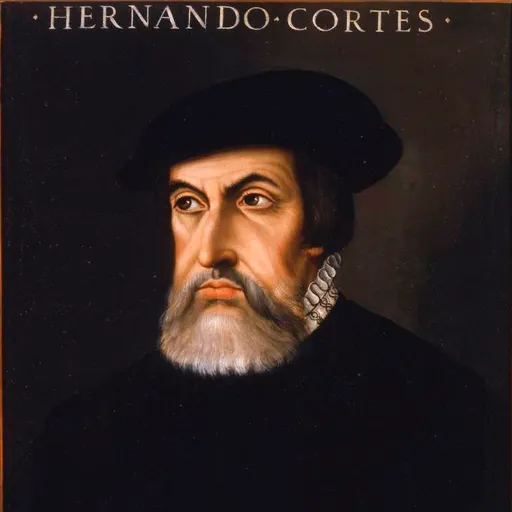
14Cortés landed in Mexico with a few hundred men and toppled the Aztec Empire through alliances, disease, and superior steel and horses. His capture of Tenochtitlán demonstrated audacious siege tactics and political maneuvering. Spanish rule over Mesoamerica followed directly from his campaign.
Peak Territory: 2 M km²Reign Period: 1519-1521Major Victories: 4Legacy Impact: 6/10Empire Duration: 300 years
- Leveraged local allies effectively
- Introduced European military tech
- Opened vast silver resources
- Relied on disease as ally
- Destroyed indigenous records
- Brutal treatment of conquered peoples
added by Yourlist Editorialin 2 rankingsHernán Cortés
12Attila the Hun
Attila welded Hunnic tribes into a mobile striking force that extracted tribute from both Eastern and Western Roman Empires. His raids reached Gaul and Italy before his sudden death halted further expansion. The terror he inspired reshaped Roman diplomacy and frontier defenses.
Peak Territory: 4 M km²Reign Period: 434-453Major Victories: 9Legacy Impact: 6/10Empire Duration: 19 years
- Mastered steppe cavalry tactics
- Forced Roman tribute payments
- United disparate nomadic groups
- No lasting administrative structures
- Empire dissolved after death
- Relied on plunder rather than settlement
added by Yourlist Editorialin 4 rankings
11Charlemagne conquered Saxony, Lombardy, and Bavaria, uniting most of Western Europe under Frankish rule. His mobile field armies and siege expertise overcame fortified strongholds across diverse terrain. The Carolingian Renaissance and imperial coronation revived the idea of a Christian Roman Empire.
Peak Territory: 1.2 M km²Reign Period: 768-814Major Victories: 14Legacy Impact: 7/10Empire Duration: 46 years
- Revived learning and administration
- Created missi dominici oversight system
- Christianized large parts of Europe
- Frequent rebellions by Saxons
- Empire divided among heirs
- Limited naval power
added by Yourlist Editorialin 6 rankingsCharlemagne
11Ramses II
Ramses II campaigned deep into Canaan and Syria, fighting the Hittites at Kadesh in the largest chariot battle recorded. Monumental building programs and peace treaties secured Egyptian influence for decades. His long reign stabilized the New Kingdom at its height.
Peak Territory: 0.8 M km²Reign Period: 1279-1213 BCMajor Victories: 5Legacy Impact: 6/10Empire Duration: 66 years
- Negotiated first recorded peace treaty
- Massive temple construction
- Stabilized Egyptian borders
- Battle of Kadesh was tactical draw
- Heavy reliance on chariot forces
- Later pharaohs could not match scale
added by Yourlist Editorialin 2 rankings
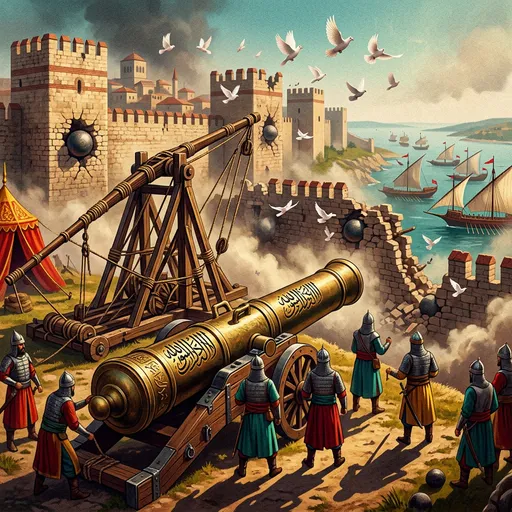
9Mehmed II captured Constantinople in 1453 using massive bombards and disciplined janissary infantry, ending the Byzantine Empire. He then consolidated Ottoman control over Anatolia and the Balkans. The conquest opened centuries of Ottoman dominance in the eastern Mediterranean.
Peak Territory: 2.2 M km²Reign Period: 1444-1446, 1451-1481Major Victories: 7Legacy Impact: 7/10Empire Duration: 200 years
- Revolutionized siege artillery use
- Rebuilt Constantinople as capital
- Integrated diverse populations
- Heavy reliance on gunpowder tech
- Costly campaigns in the east
- Succession struggles weakened later rule
added by Yourlist Editorialin 2 rankingsMehmed II
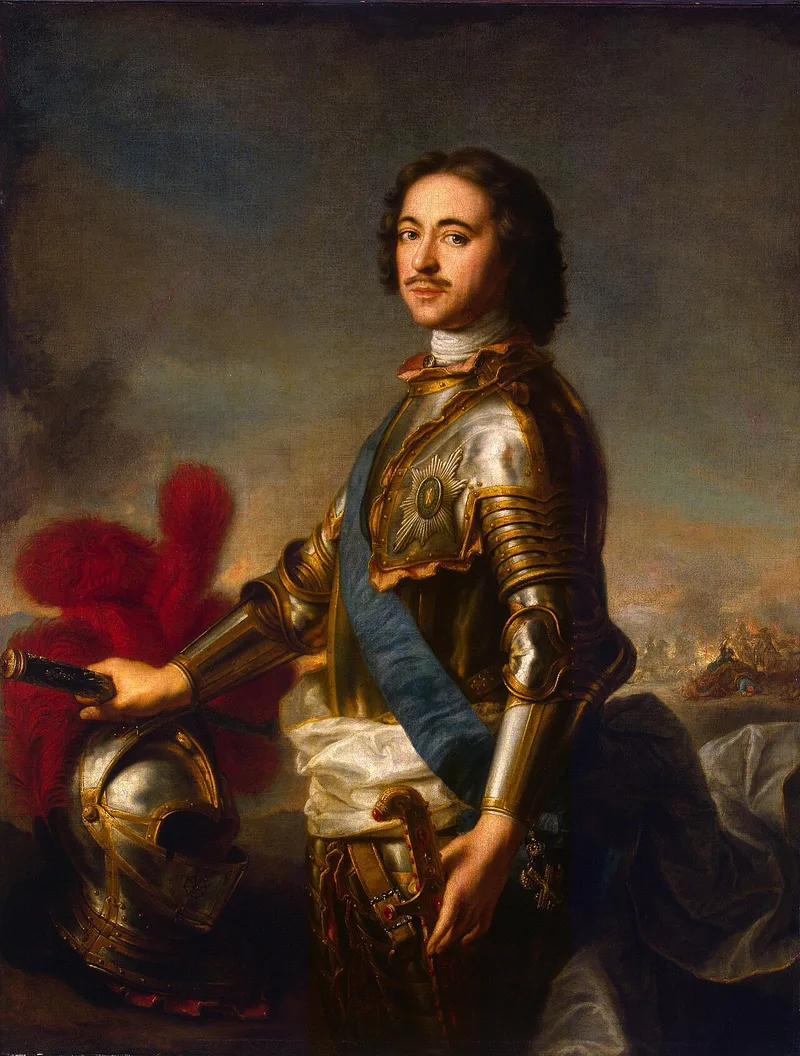
8Peter modernized the Russian army and navy, defeating Sweden at Poltava and securing Baltic access. His conquests and reforms transformed Russia into a European great power. The new capital St. Petersburg symbolized the westward reorientation of the empire.
Peak Territory: 17 M km²Reign Period: 1682-1725Major Victories: 8Legacy Impact: 7/10Empire Duration: 200 years
- Built professional navy and army
- Westernized administration and tech
- Secured warm-water ports
- Costly wars drained treasury
- Forced labor on canals and city
- Nobility resisted reforms
added by Yourlist Editorialin 4 rankingsPeter the Great
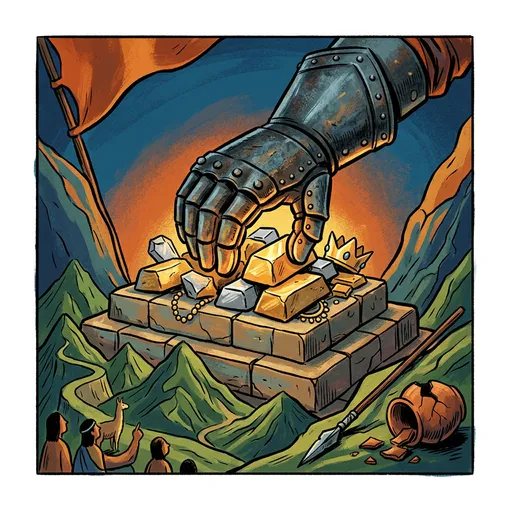
6Pizarro captured the Inca emperor Atahualpa and seized Cuzco with a tiny force, exploiting civil war and superior weapons. His rapid conquest brought the Andes under Spanish control. The resulting silver flow reshaped the global economy for centuries.
Peak Territory: 2.5 M km²Reign Period: 1532-1533Major Victories: 3Legacy Impact: 5/10Empire Duration: 300 years
- Exploited Inca civil war
- Secured enormous silver wealth
- Established Lima as key port
- Extreme brutality and betrayal
- Internal Spanish infighting
- No lasting personal dynasty
added by Yourlist EditorialFrancisco Pizarro
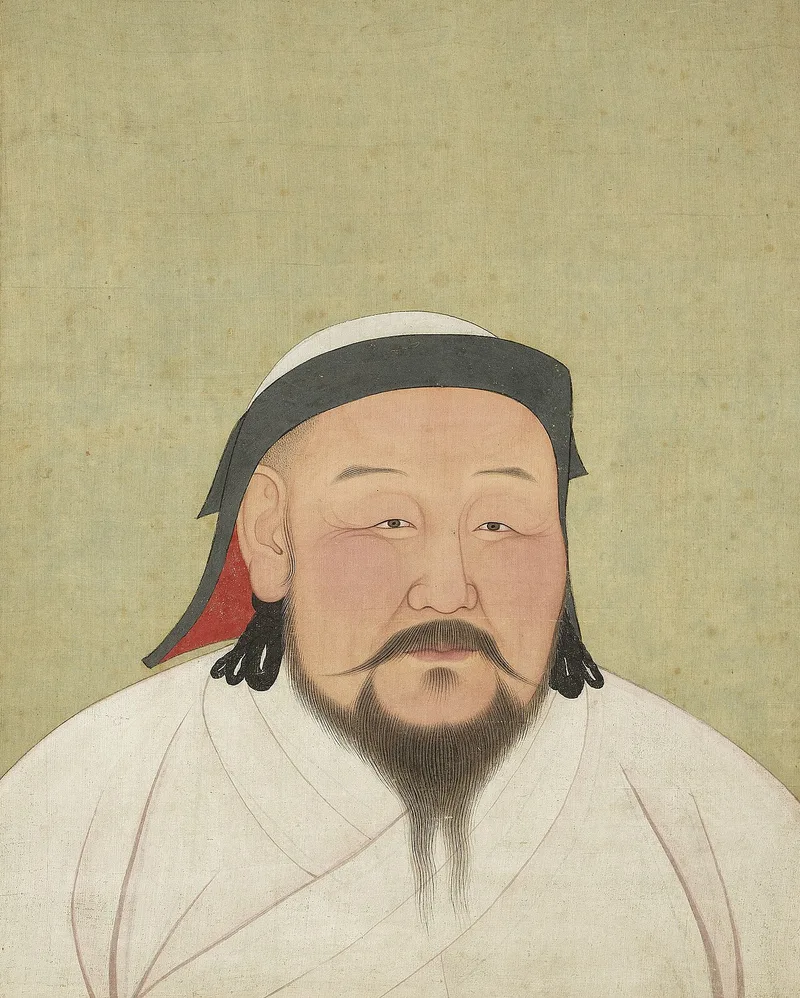
4Kublai completed the Mongol conquest of China and founded the Yuan dynasty, ruling the largest empire of his era. He adapted Chinese bureaucracy while maintaining Mongol military supremacy. His fleets and postal network linked East Asia with Central Asia and beyond.
Peak Territory: 24 M km²Reign Period: 1260-1294Major Victories: 12Legacy Impact: 7/10Empire Duration: 97 years
- Unified China under foreign rule
- Promoted Silk Road trade
- Tolerated multiple religions
- Failed invasions of Japan
- Heavy taxation sparked revolts
- Cultural separation from Chinese subjects
added by Yourlist Editorialin 4 rankingsKublai Khan
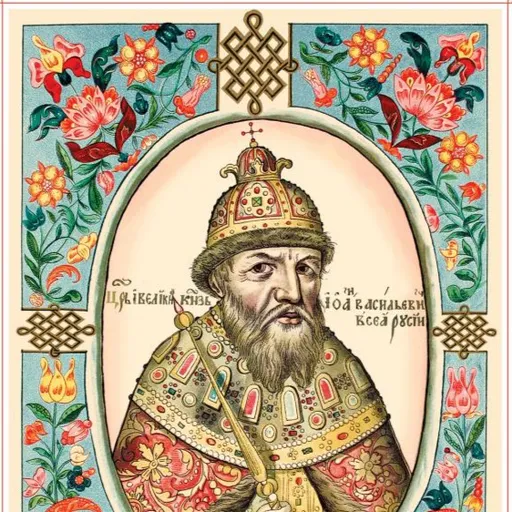
2Ivan IV conquered the khanates of Kazan and Astrakhan, opening the Volga trade route and expanding Russia eastward. His oprichnina terror apparatus and centralized autocracy created the model for Russian state power. The conquests laid the foundation for later Siberian expansion.
Peak Territory: 5.5 M km²Reign Period: 1547-1584Major Victories: 5Legacy Impact: 6/10Empire Duration: 200 years
- Eliminated Tatar threat on Volga
- Introduced centralized bureaucracy
- Began Siberian colonization
- Oprichnina caused economic ruin
- Livonian War ended in defeat
- Succession instability followed
added by Yourlist Editorialin 3 rankingsIvan the Terrible
0Hannibal crossed the Alps with elephants and crushed Roman legions at Cannae using double-envelopment tactics. His fifteen-year Italian campaign forced Rome to adopt Fabian strategy and ultimately innovate new command structures. Though ultimately defeated, he changed Roman military doctrine forever.
Peak Territory: 0.1 M km²Reign Period: 221-183 BCMajor Victories: 7Legacy Impact: 7/10Empire Duration: 20 years
- Revolutionized tactical envelopment
- Maintained army cohesion abroad
- Forced Roman military reforms
- Never captured Rome itself
- Lacked siege equipment
- Carthage ultimately lost the war
added by Yourlist Editorialin 4 rankingsHannibal
-2Ieyasu won the Battle of Sekigahara and established the Tokugawa shogunate that ruled Japan for over 250 years. His castle networks and sankin-kotai hostage system prevented daimyo rebellion. The resulting peace allowed economic and cultural growth unmatched in prior eras.
Peak Territory: 0.4 M km²Reign Period: 1603-1605Major Victories: 5Legacy Impact: 7/10Empire Duration: 268 years
- Created stable centralized feudalism
- Ended century of civil war
- Promoted economic and cultural stability
- Closed Japan to most foreign contact
- Rigid class system stifled mobility
- Relied on hostage politics
added by Yourlist Editorialin 2 rankingsTokugawa Ieyasu
-3Ashoka expanded the Maurya Empire across most of the Indian subcontinent through brutal conquests, most famously the Kalinga war. Horrified by the carnage, he converted to Buddhism and promoted non-violence while maintaining strong central rule. His edicts spread ethical governance across South Asia.
Peak Territory: 5 M km²Reign Period: 268-232 BCMajor Victories: 4Legacy Impact: 7/10Empire Duration: 50 years
- Spread Buddhist ethics widely
- Built roads and welfare institutions
- Created lasting moral governance model
- Kalinga campaign caused massive deaths
- Military expansion halted after conversion
- Empire declined rapidly after death
added by Yourlist Editorialin 5 rankingsAshoka
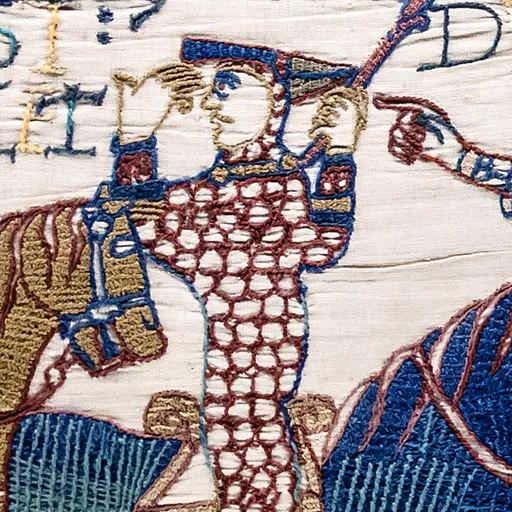
-4William crossed the Channel in 1066 and defeated Harold at Hastings, seizing the English throne. His castle-building program and feudal reorganization secured Norman control over England. The Domesday Book recorded the new order with unprecedented administrative precision.
Peak Territory: 0.3 M km²Reign Period: 1066-1087Major Victories: 3Legacy Impact: 7/10Empire Duration: 88 years
- Introduced centralized feudal system
- Commissioned detailed land survey
- Integrated Norman and Anglo-Saxon elites
- Harsh suppression of rebellions
- Limited continental expansion
- Succession disputes after death
added by Yourlist Editorialin 4 rankingsWilliam the Conqueror
-8Chandragupta overthrew the Nanda dynasty and defeated Seleucid forces to create India’s first pan-subcontinental empire. His advisor Kautilya helped build a centralized administration and standing army. The Maurya state controlled trade routes and resources across the Ganges plain and beyond.
Peak Territory: 5 M km²Reign Period: 321-297 BCMajor Victories: 6Legacy Impact: 7/10Empire Duration: 137 years
- Built professional standing army
- Established efficient tax bureaucracy
- Negotiated lasting peace with Seleucids
- Sparse contemporary records
- Empire weakened after his abdication
- Relied on espionage network
added by Yourlist Editorialin 2 rankingsChandragupta Maurya
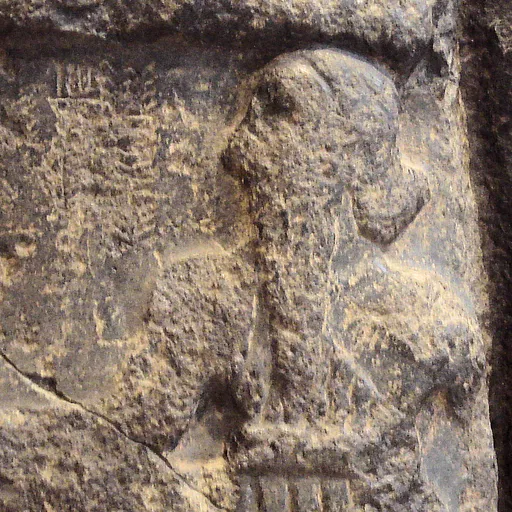
-8Sargon rose from cupbearer to conquer Sumerian city-states and create the world’s first known empire. His standing army and provincial governors allowed sustained control over Mesopotamia. The Akkadian language and imperial model influenced later Near Eastern rulers for centuries.
Peak Territory: 0.8 M km²Reign Period: 2334-2279 BCMajor Victories: 10Legacy Impact: 6/10Empire Duration: 180 years
- Invented professional standing army
- Established provincial administration
- Spread Akkadian as lingua franca
- Records are fragmentary
- Empire collapsed after his grandsons
- Faced constant city-state revolts
added by Yourlist EditorialSargon of Akkad
-13Timur (Tamerlane) conquered Persia, Central Asia, and northern India, creating a vast but short-lived empire through terror and engineering. His victories at Delhi and Baghdad demonstrated mastery of combined siege and cavalry operations. The Timurid cultural flowering later influenced Mughal India and Safavid Iran.
Peak Territory: 4.4 M km²Reign Period: 1370-1405Major Victories: 18Legacy Impact: 7/10Empire Duration: 35 years
- Advanced siege and artillery use
- Patronized Persian arts and science
- Reunited Central Asian trade routes
- Massive civilian massacres
- No stable succession mechanism
- Empire fragmented immediately
added by Yourlist Editorialin 2 rankingsTimur
-15Saladin united Egypt and Syria under the Ayyubid banner and recaptured Jerusalem from the Crusaders at Hattin. His mobile cavalry and siege operations repeatedly outmaneuvered larger European coalitions. The chivalric reputation he earned shaped later Muslim and European views of leadership.
Peak Territory: 1.5 M km²Reign Period: 1174-1193Major Victories: 6Legacy Impact: 7/10Empire Duration: 57 years
- Restored Muslim control of Jerusalem
- Unified fractious Muslim states
- Practiced notable battlefield mercy
- Failed to take Tyre or Acre
- Empire divided among relatives
- Relied on personal prestige
added by Yourlist Editorialin 4 rankingsSaladin
-21