Greatest samurai and shoguns
For centuries, Japan's history was shaped by the warriors who lived by the sword and the shoguns who ruled with iron discipline. From legendary duelists to unifiers who ended eras of civil war, their legacies still spark fierce debate about who truly earned lasting glory. Now it's your turn to weigh in — cast your vote for the greatest samurai and shoguns in history!
What counts: Seeded with approximate figures where shown — the crowd's votes decide the order.
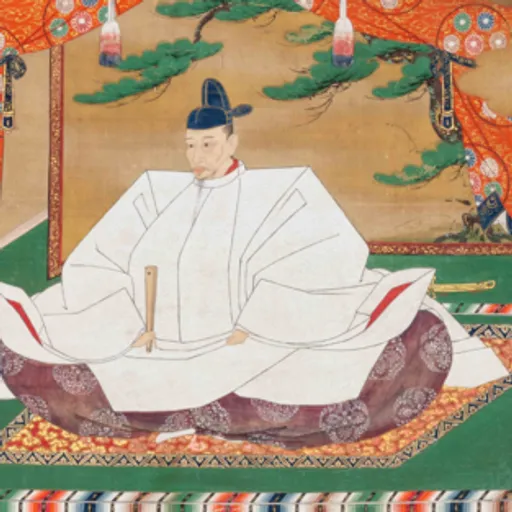
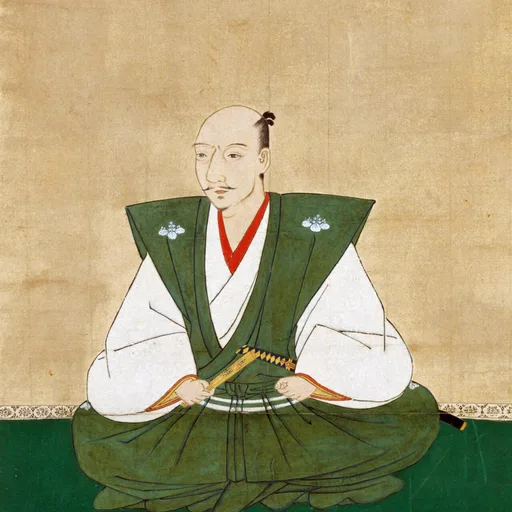
The 'Demon King' torched Mount Hiei's warrior monks, armed his ashigaru with volleyed matchlocks to shatter the Takeda cavalry at Nagashino, and treated Japan's feudal chessboard like something meant to be smashed rather than played. He never finished unifying the country — cornered by his own general Akechi Mitsuhide at Honno-ji, he chose seppuku over surrender — but every shogun after him built on the ashes he left behind. Ruthless, innovative, and utterly without sentiment, he's the one who made unification thinkable at all.
Era: 1500s
added by Yourlist Editorialin 2 rankingsOda Nobunaga
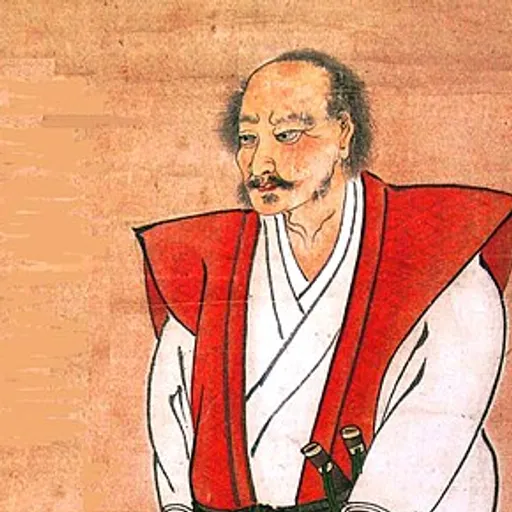
46He allegedly won his first duel at thirteen and never lost across sixty-plus bouts, most famously showing up hours late to face Sasaki Kojiro on Ganryu Island armed with nothing but a carved boat oar. He wasn't a general or a lord — he was something rarer, a wandering blade who turned swordsmanship into philosophy and wrote The Book of Five Rings, a strategy text still read in boardrooms and dojos four centuries later. No armies, no castles, just an unbeaten sword and a legend that outlasted every shogunate.
Era: 1600s
added by Yourlist Editorialin 2 rankingsMiyamoto Musashi
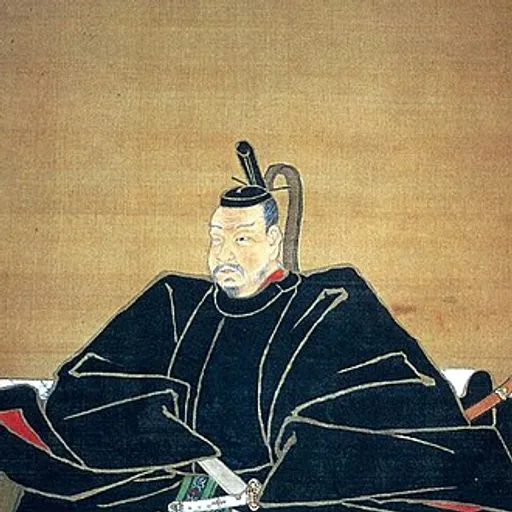
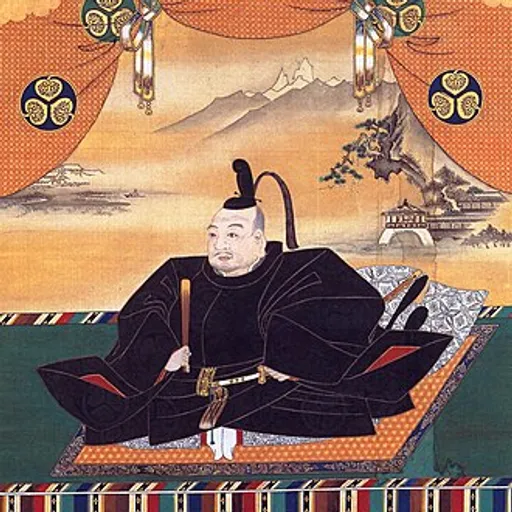
40He waited. Through Nobunaga's fire and Hideyoshi's ambition, Ieyasu played the patient ally, absorbed insults and setbacks, and then crushed the western coalition at Sekigahara in 1600 to become the last man standing. What he built didn't burn down: the Tokugawa shogunate locked Japan into two and a half centuries of enforced peace, making him arguably the single most consequential political figure in Japanese history. The turtle beat the hares, and the turtle ruled for 250 years.
Era: 1600s
added by Yourlist Editorialin 2 rankingsTokugawa Ieyasu
37Born a peasant with no surname, he rose through sheer audacity to become Nobunaga's sandal-bearer and eventually the man who finished unifying Japan, banning swords from commoners with his famous 'sword hunt' to freeze the social order in his own favor. His ego eventually outran his genius — two catastrophic invasions of Korea drained the treasury and cost thousands of lives for nothing gained. Still, the arc from nobody to supreme ruler of Japan remains one of the most improbable climbs in samurai history.
Era: 1500s
added by Yourlist EditorialToyotomi Hideyoshi
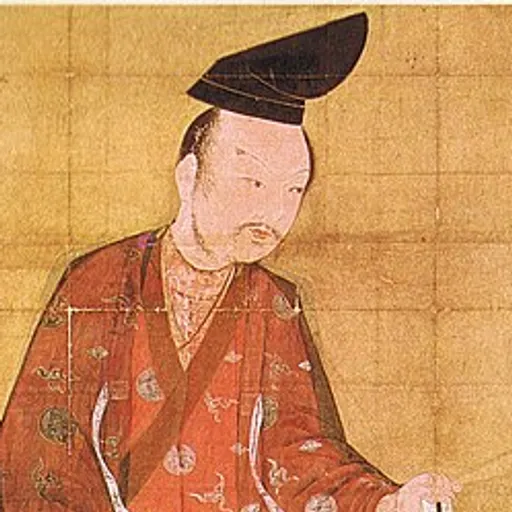
5The tragic golden boy of the Genpei War, he won the naval battle of Dan-no-ura that annihilated the Taira clan and effectively delivered Japan to his own brother Yoritomo — who then, consumed by jealousy, hunted him down and drove him to suicide at Koromogawa. His genius on the battlefield and his betrayal by blood became the template for Japanese tragic heroism, immortalized in noh plays and folklore where the loyal retainer Benkei dies defending him at the bridge. He won everything and was allowed to keep nothing — that's why he's still sung about.
Era: 1100s
added by Yourlist EditorialMinamoto no Yoshitsune
-6Blind in one eye from smallpox and nicknamed the 'One-Eyed Dragon,' he carved out the Sendai domain through sheer swagger, commissioning gold-leafed crescent-moon helmets and later sending a diplomatic mission all the way to Rome and the Vatican, decades before Japan sealed its borders shut. He arrived too late to challenge for supreme power, boxed in by Hideyoshi and then Ieyasu, but his flair, ambition, and genuine curiosity about the world outside make him the most stylish 'what if' of the era.
Era: 1600s
added by Yourlist EditorialDate Masamune
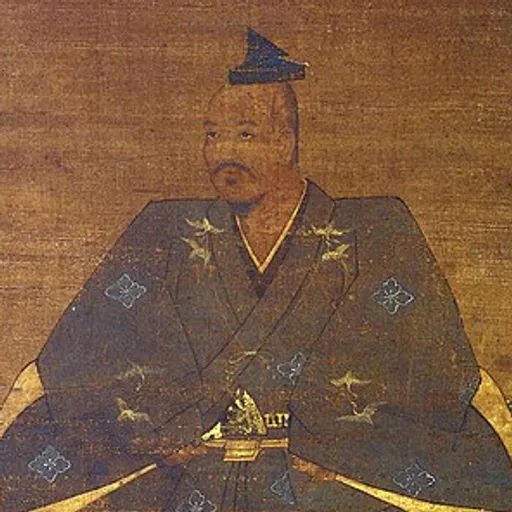
-8His cavalry was the most feared force in Japan, built on the Kai horsemen who terrorized rivals for decades, and his decades-long rivalry with Uesugi Kenshin at Kawanakajima produced some of the most mythologized clashes in samurai history, including the (probably embellished) tale of the two commanders crossing swords in single combat. He died of illness during a campaign against Ieyasu, and without him his cavalry was annihilated by Nobunaga's guns at Nagashino — a brutal reminder that even the greatest warlord couldn't outlast time or technology.
Era: 1500s
added by Yourlist EditorialTakeda Shingen
-21Devoutly religious and reportedly celibate, he styled himself the earthly incarnation of the Buddhist war god Bishamonten and fought Takeda Shingen to a bloody standstill across five battles at Kawanakusa without either man ever landing a decisive blow. He was also famous for sending salt to his enemy Shingen when a rival cut off the Takeda's supply, refusing to win by starvation rather than steel — a rare flash of chivalry in an era built on betrayal. Undefeated in the field by his own reputation, he's the samurai idealists point to as proof honor and ambition weren't always opposites.
Era: 1500s
added by Yourlist EditorialUesugi Kenshin
-58