Most influential monarchs of England
England's crown has been worn by builders, tyrants, reformers, and warriors—each leaving a mark that still shapes the nation today. From reshaping religion to redrawing borders through conquest and diplomacy, these monarchs' decisions echo through centuries of law, culture, and identity. Which ruler do you think left the deepest imprint on England's story? Cast your vote and help settle the debate.
What counts: Seeded with approximate figures where shown — the crowd's votes decide the order.
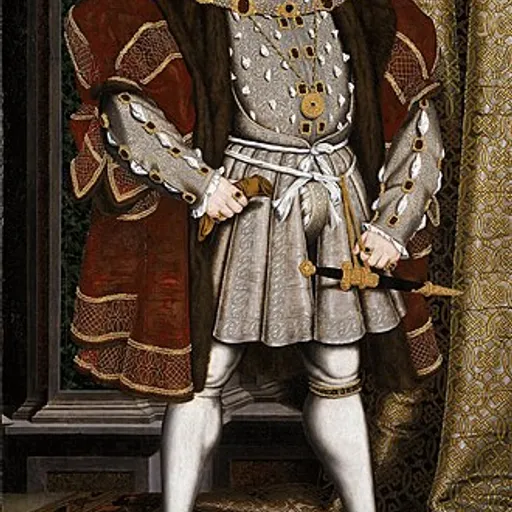
Henry VIII▲ Rising
One king's desperate need for a son and a divorce blew up a thousand years of Roman Catholic authority in England, birthing the Church of England and triggering the dissolution of the monasteries that redrew the nation's landscape and wealth overnight. Six wives, two executions, and a break with Rome later, he'd permanently altered England's religious identity, its relationship to Europe, and the power of the crown itself. Love him or loathe him, no monarch reshaped English institutions with a single personal grudge quite like this one.
Era: 1500s
added by IJR
67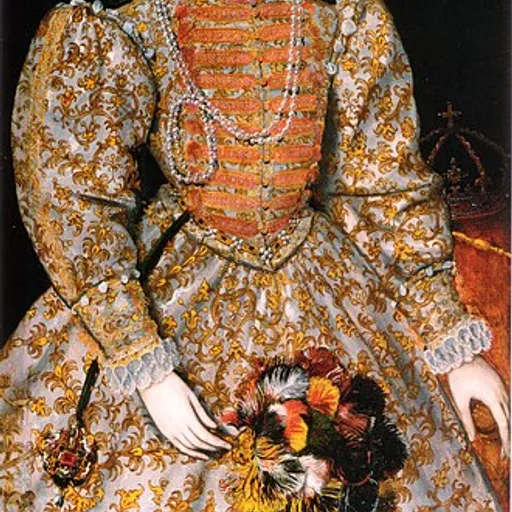
Elizabeth I▲ Rising
She took a bankrupt, religiously fractured kingdom threatened by Spain's empire and turned it into a confident Protestant power, crushing the Armada in 1588 and presiding over Shakespeare, Marlowe, and the birth of English maritime ambition. Never marrying, she made her own image—the Virgin Queen—into a nation-building propaganda masterstroke that still defines 'Elizabethan' as a golden age. Few monarchs did more with less; her 45-year reign is the template for cultural soft power.
Era: 1500s
added by IJRin 3 rankings
49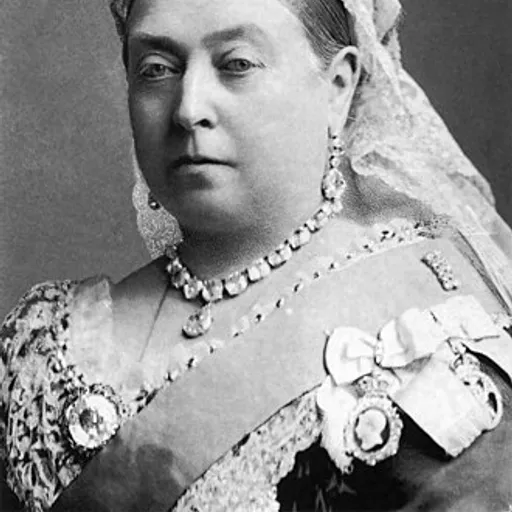
Queen Victoria▲ Rising
Her 63-year reign stretched so long it became a synonym for an entire era, presiding over an empire that eventually covered a quarter of the globe and an industrial revolution that remade Britain into the workshop of the world. She turned the monarchy into a symbol of domestic respectability and imperial grandeur simultaneously, becoming Empress of India while raising nine children who married into royal houses across Europe, earning her the nickname 'grandmother of Europe.' Victoria didn't just witness the peak of British global power—she became its living brand.
Era: 1800s
added by IJRin 6 rankings
37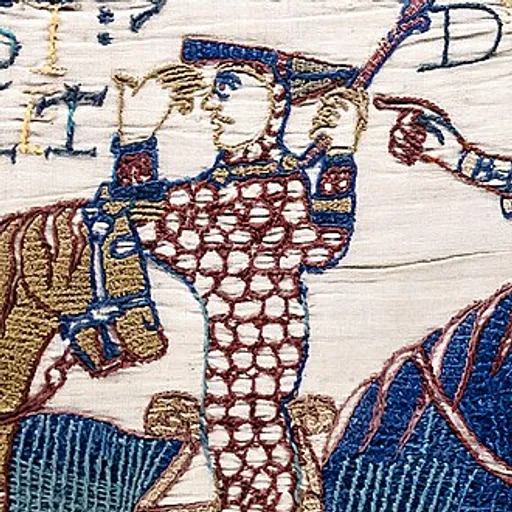
William the Conqueror▲ Rising
One battle at Hastings in 1066 ended Anglo-Saxon England forever, and the Norman he installed in its place rewired the language, law, land ownership, and ruling class of the entire country in a single generational sweep. The Domesday Book he commissioned wasn't just an audit—it was proof of total conquest, cataloguing every acre of a kingdom he'd violently seized and redistributed to his followers. Nearly every English monarch since traces legitimacy back through the bloodline and institutions he brutally imposed, making him arguably the single most consequential invader in the country's histo
Era: 1000s
added by IJRWilliam the Conqueror
30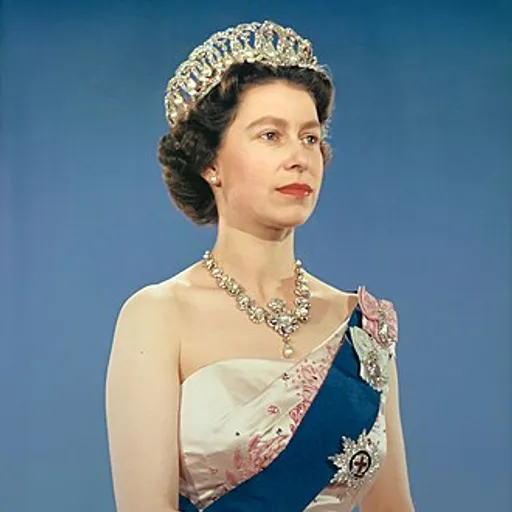
Elizabeth II▼ Falling
Crowned in 1952 as the empire was dissolving, she spent 70 years turning a shrinking, war-weary monarchy into a globally recognized institution of quiet stability, outlasting fifteen prime ministers and steering the Crown through decolonization, Diana's death, and the digital age without ever giving a real interview. Her platinum jubilee made her the longest-reigning monarch in British history, a living thread connecting Churchill's Britain to TikTok-era Britain. She proved that in a modern democracy, a monarch's power isn't decree—it's sheer, unblinking endurance and symbolism.
Era: 1900s
added by IJRElizabeth II
3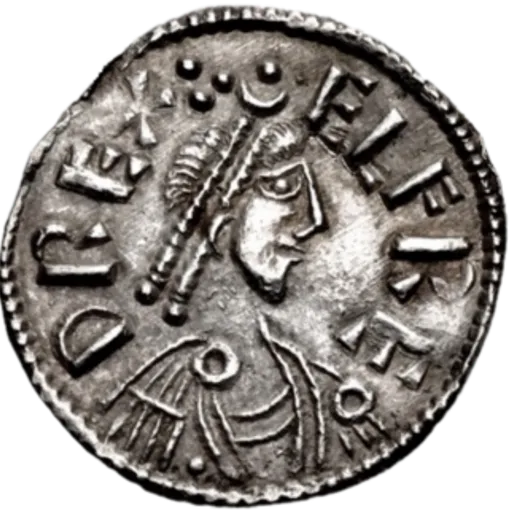
Alfred the Great▼ Falling
The only English king ever awarded 'the Great,' he stopped the Viking conquest of England cold at the Battle of Edington in 878, then rebuilt a shattered Wessex into the nucleus of a unified English kingdom with fortified towns, a revived legal code, and a passion for literacy that had him translating Latin texts himself. Without Alfred's stand, there may have been no unified England to conquer, rule, or reform at all—everything that follows on this list happens on a foundation he laid. He's less a flashy monarch than the bedrock one.
Era: 800s
added by IJRAlfred the Great
-25Charles II▼ Falling
Restored to the throne in 1660 after his father's execution and a decade of grim Puritan rule under Cromwell, the 'Merry Monarch' reopened the theaters, revived the arts, and presided over a cultural exhale that reshaped English public life after civil war trauma. He navigated the Great Fire of London, the founding of the Royal Society, and a genuinely chaotic Restoration court with a political survivor's instinct that kept the monarchy itself alive after it nearly vanished for good. His reign is the hinge between republican experiment and modern constitutional monarchy.
Era: 1600s
added by IJR
-41
Henry V▼ Falling
Agincourt in 1415 is the stuff of legend—a battered, outnumbered English army under a young king cutting through French chivalry and turning Henry into the national warrior-king archetype immortalized by Shakespeare centuries later. His conquest of Normandy and the Treaty of Troyes briefly made him heir to the French throne itself, the closest England ever came to actually ruling France. He died young of dysentery before it could last, but the myth of Henry V—brilliant, righteous, undefeated—outlived the fragile empire he built.
Era: 1400s
added by IJRHenry V
-47
Keep ranking
Comments (9)
Free account · your comment posts right after signup
Voted — and the gap between #1 and #2 should be bigger.
The crowd is sleeping on the bottom half of this list.
This order is closer to right than any editor would've gotten.
Exactly the kind of argument the internet was built for.