Best Directorial Debuts
From micro-budget miracles to instant classics, these are the first features that announced major filmmaking talents overnight. Cast your vote for the debut that hit hardest.
What counts: Ranked by a blend of critical acclaim, cultural impact, and the sheer audacity of the first swing; all budget and box-office figures are approximate and drawn from public estimates.
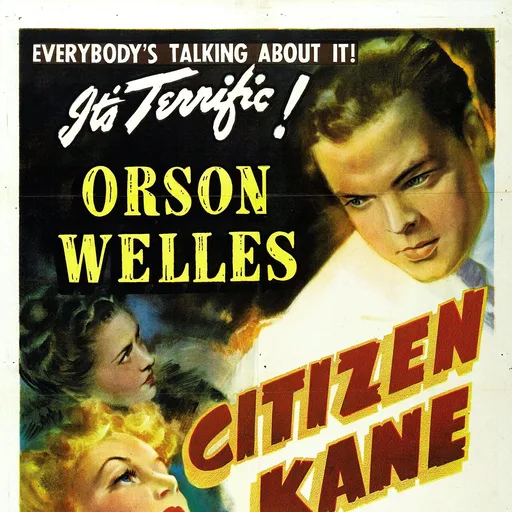
Orson Welles was 25 and had never directed a studio film, so naturally he reinvented deep-focus cinematography, nonlinear narrative, and the entire grammar of American cinema in one go. The sled, the newsreel, the mirrors multiplying Kane into infinity — every shot argues for its own genius, which is either the height of hubris or the height of art. It remains the north star against which every debut on this list is secretly measured, and most fail the comparison.
Year: 1941Budget: $840,000Critical Score: 9.5/10Box Office: $1,600,000
added by Yourlist Editorialin 3 rankingsCitizen Kane
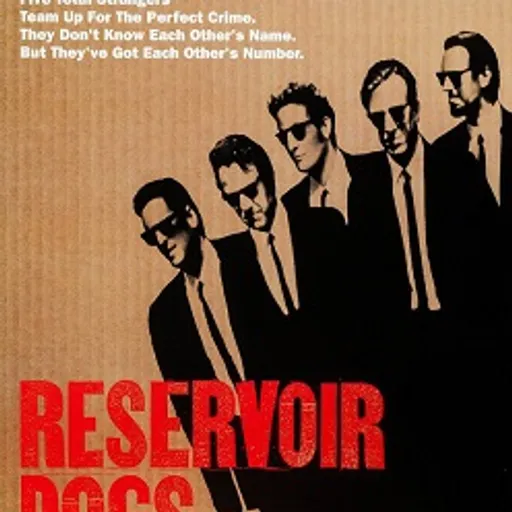
0Tarantino walked in with a low-budget heist movie that never shows the heist, just the bloody, garrulous aftermath in a warehouse full of double-crosses and Stealers Wheel needle drops. Mr. Blonde's ear-cutting dance rewired what violence could look like on screen — stylish, funny, unbearable all at once — and launched a thousand indie imitators who mistook the dialogue for the point. It's the debut that made talking cool again in a genre built on silence.
Year: 1992Budget: $1,200,000Critical Score: 8.7/10Box Office: $2,800,000
added by Yourlist Editorialin 5 rankingsReservoir Dogs
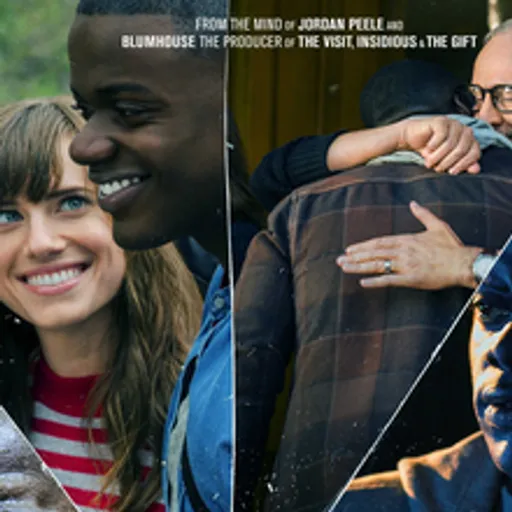
0Jordan Peele, a sketch comedian, turned a garden party into a horror-satire so precise it retroactively made every prior 'racial thriller' look timid. The Sunken Place became instant cultural shorthand, and the twist that the villains aren't hooded racists but smiling white liberals landed like a scalpel. Best Original Screenplay Oscar for a directorial debut horror film — that sentence alone tells you how thoroughly he changed the conversation.
Year: 2017Budget: $4,500,000Critical Score: 8.5/10Box Office: $255,000,000
added by Yourlist Editorialin 6 rankingsGet Out
0The Coen brothers arrived fully formed with a neo-noir so tightly wound it practically ticks, staging a love-triangle murder plot where everyone misunderstands everyone and the audience knows more than any character. The image of a hand pinned to a windowsill by a knife, lit in venetian-blind shadows, announced a visual and moral universe unlike anything else in American film. It's the rare debut that plays like a mid-career masterpiece.
Year: 1984Budget: $1,500,000Critical Score: 7.9/10Box Office: $2,000,000
added by Yourlist EditorialBlood Simple
0Christopher Nolan shot this black-and-white puzzle-box on weekends for a few thousand dollars, chopping time into fragments so a simple story about a writer who follows strangers becomes a maze of betrayal. It's rough, grainy, and clearly the work of someone teaching himself structure in real time — which is exactly the appeal, since you can watch Memento and Inception being born in embryo. The audacity isn't the budget; it's the belief that nonlinear storytelling could work on no money at all.
Year: 1998Budget: $6,000Critical Score: 7.3/10Box Office: $48,000
added by Yourlist Editorialin 2 rankingsFollowing
0David Lynch spent five years making a film about a mutant baby, industrial hellscapes, and a woman living in a radiator who sings 'In Heaven,' and somehow it became a midnight-movie cornerstone. There is no other debut this committed to pure, uncut nightmare logic, sound design as dread, and images that refuse to explain themselves. It didn't just launch a career — it invented an adjective, 'Lynchian,' before anyone knew they'd need one.
Year: 1977Budget: $100,000Critical Score: 7.8/10Box Office: —
added by Yourlist EditorialEraserhead
0Spike Lee made a $175,000 black-and-white comedy about a woman juggling three lovers and, in doing so, kicked open the door for Black independent cinema that Hollywood had kept locked. Nola Darling talks straight to camera, unapologetic and in control of her own story, which was itself a radical act in 1986. The confidence of it — jazzy, funny, sexually frank — announced a voice that would spend the next decades refusing to shrink.
Year: 1986Budget: $175,000Critical Score: 7.2/10Box Office: $7,100,000
added by Yourlist EditorialShe's Gotta Have It
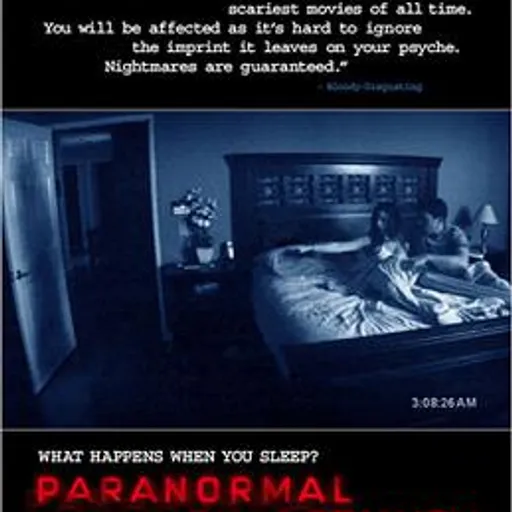
0Oren Peli spent about $15,000 on two actors, a house, and a static camera, and turned a creaking floorboard into a $200 million phenomenon. The genius is restraint: nothing happens for long stretches until something does, and the time-stamped nights format made every audience member do the monster's work in their own head. It proved found-footage horror wasn't a gimmick that died with Blair Witch — it was a business model.
Year: 2007Budget: $15,000Critical Score: 6.7/10Box Office: $193,000,000
added by Yourlist Editorialin 4 rankingsParanormal Activity
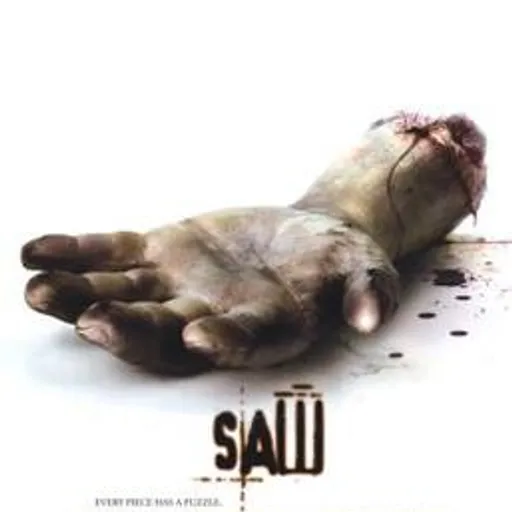
0James Wan and a $1.2 million budget gave us two men chained in a filthy bathroom, a corpse, and a tape recorder, and from that bottle-episode setup spawned an entire torture-porn subgenre and eight sequels. The twist — that the corpse was never dead — is the kind of cheap-trick brilliance that horror thrives on, executed with real formal control despite the grime. Jigsaw's traps became pop-culture furniture, proof that a great debut doesn't need money, just one merciless idea followed all the way through.
Year: 2004Budget: $1,200,000Critical Score: 6.8/10Box Office: $103,900,000
added by Yourlist Editorialin 5 rankingsSaw
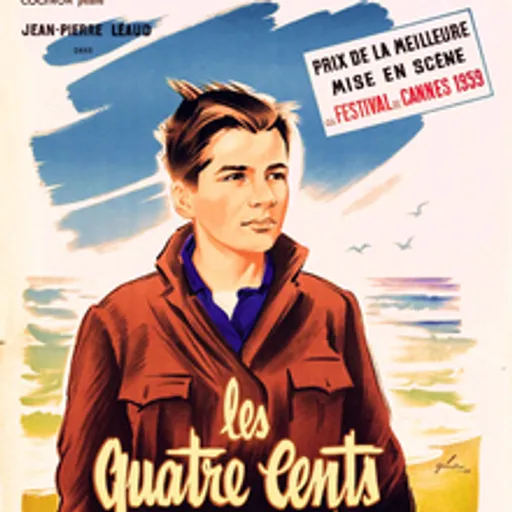
0Truffaut turned his own delinquent childhood into the founding document of the French New Wave, following young Antoine Doinel through truancy, reform school, and finally a run straight to the sea that ends on a freeze-frame stare into the camera. That final shot is one of cinema's great unresolved gestures — ambiguous, aching, and utterly modern. It didn't just launch a director; it launched a movement that would rewrite the rules of what films were allowed to feel like.
Year: 1959Budget: $75,000Critical Score: 8.9/10Box Office: —
added by Yourlist Editorialin 2 rankingsThe 400 Blows
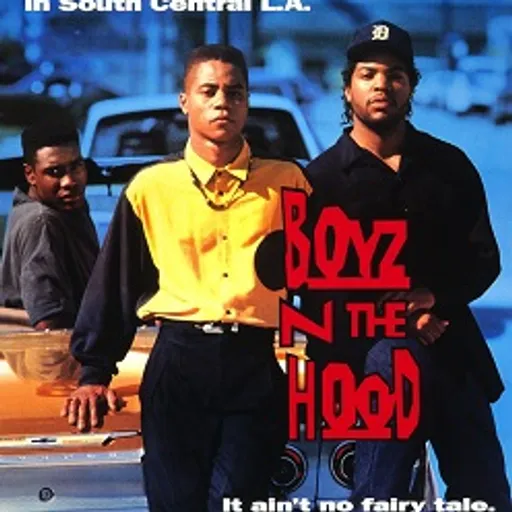
0John Singleton was 23 when he made this, becoming the youngest person and first Black director ever nominated for Best Director for a film that treated South Central as a place of specific people rather than a statistic. Furious Styles's speeches about gentrification and gun violence land like sermons, and Doughboy's final, devastating monologue about Ricky's death still guts audiences cold. It's a debut with the moral clarity of someone who lived the story he was telling.
Year: 1991Budget: $6,500,000Critical Score: 7.8/10Box Office: $57,500,000
added by Yourlist EditorialBoyz n the Hood
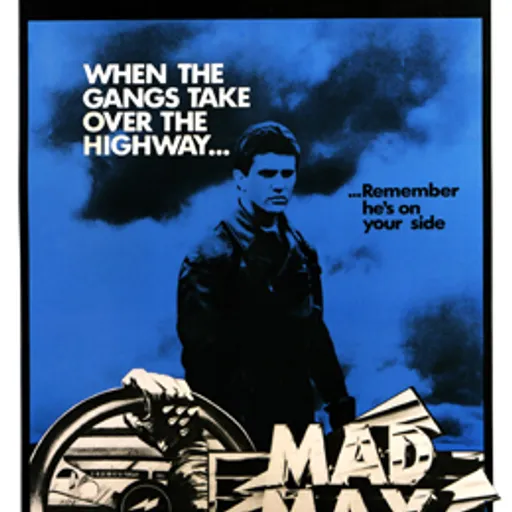
0George Miller, a former emergency-room doctor, spent almost nothing and used actual stunt drivers with minimal training to build a post-apocalyptic road-rage opera that basically invented a genre. The car chases have a documentary-real brutality because they mostly were real, injuries and all, and Mel Gibson's Max emerged as a new kind of laconic action anti-hero. Everything wild and vehicular in action cinema since — including Miller's own Fury Road — traces back to this scrappy Australian original.
Year: 1979Budget: $350,000Critical Score: 6.9/10Box Office: $100,000,000
added by Yourlist Editorialin 3 rankingsMad Max
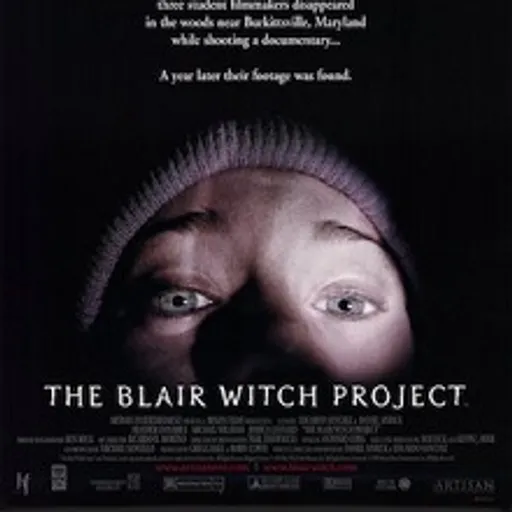
0Two film-school grads with a $60,000 budget and a viral pre-internet marketing campaign convinced audiences the footage was real, and the shaky-cam panic in the woods became a genuine cultural event. The final shot — a man facing the corner, silent — needs no explanation and got none, which was the whole audacious point. It single-handedly resurrected found footage as a commercial force and terrified a generation into checking their tents.
Year: 1999Budget: $60,000Critical Score: 6.9/10Box Office: $248,000,000
added by Yourlist Editorialin 4 rankingsThe Blair Witch Project
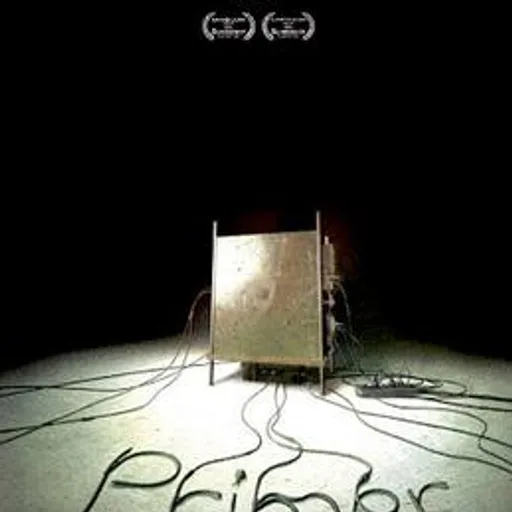
0Shane Carruth, an engineer with no film training, made a time-travel movie so rigorously logical and deliberately under-explained that it requires flowcharts to fully parse — and made it for about $7,000. Two guys in a garage build a box that breaks causality, and the film trusts you to keep up rather than dumbing anything down, which is either brilliant or maddening depending on your patience. No debut has ever weaponized its own low budget into intellectual intimidation quite so effectively.
Year: 2004Budget: $7,000Critical Score: 7/10Box Office: $500,000
added by Yourlist Editorialin 3 rankingsPrimer
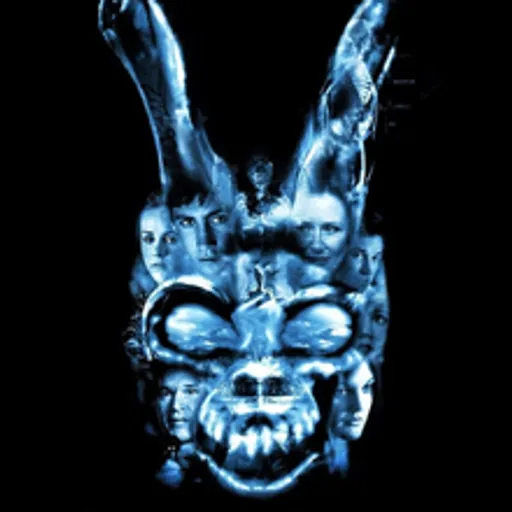
0Richard Kelly built a suburban-apocalypse fever dream around a giant rabbit named Frank, a jet engine that falls from nowhere, and a soundtrack needle-drop of 'Mad World' that became inseparable from early-2000s melancholy. It bombed on release, then found its real audience on DVD and midnight screenings, becoming the defining cult debut of its decade. The tangent universe theory is half-baked by design — the feeling is the point, and the feeling is unforgettable.
Year: 2001Budget: $4,500,000Critical Score: 7.7/10Box Office: $1,300,000
added by Yourlist Editorialin 3 rankingsDonnie Darko
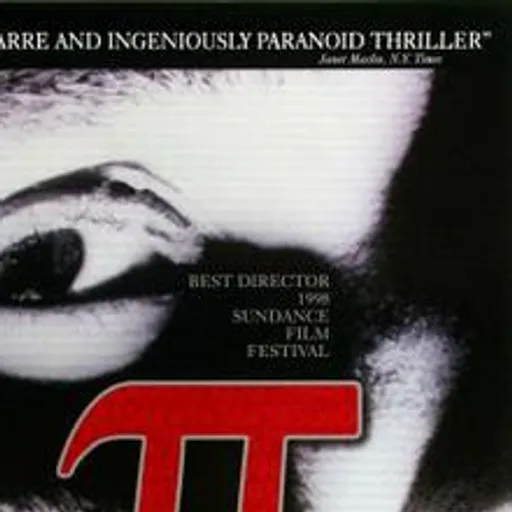
0Darren Aronofsky shot this in grainy black-and-white for around $60,000, following a paranoid mathematician chasing a 216-digit number that might unlock the stock market or the name of God. The industrial score, the power-drill migraines, the sense that knowledge itself is a kind of self-harm — it's a debut that announces a director obsessed with obsession itself. Every Aronofsky film since has just been a bigger-budget variation on the mind cracking open that Pi first diagrammed.
Year: 1998Budget: $60,000Critical Score: 7.2/10Box Office: $3,200,000
added by Yourlist EditorialPi
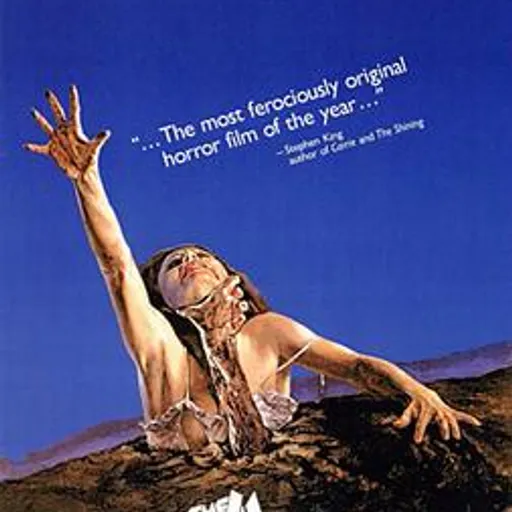
0Sam Raimi, barely out of his teens, took a cabin, some Karo-syrup blood, and a homemade camera rig nicknamed the 'Shakycam' and invented a whole visual vocabulary for horror — the demon-POV racing through the woods is still copied constantly. Ash Williams gets possessed, dismembered trees attack, and the film tips gleefully from terror into slapstick, a tonal high-wire act Raimi would spend his career perfecting. It's proof that pure filmmaking energy can outrun any budget limitation.
Year: 1981Budget: $375,000Critical Score: 7.4/10Box Office: $2,900,000
added by Yourlist EditorialThe Evil Dead
0Sam Mendes, a theater director with zero film experience, walked onto a Hollywood set and walked off with Best Picture and Best Director Oscars, framing suburban rot through Kevin Spacey's deadpan narration and a bag of rose petals drifting through the air. The red-rose fantasy sequences and Thora Birch cheerleader daydream became instant, endlessly parodied signifiers of late-90s prestige cinema. It's the rare theater-to-film crossover debut that arrived already fluent in a new medium's language, for better or worse depending on how the film has aged for you.
Year: 1999Budget: $15,000,000Critical Score: 8.3/10Box Office: $356,000,000
added by Yourlist Editorialin 4 rankingsAmerican Beauty
0