👑Best Emperors in History
Ranking emperors requires weighing territorial expansion, lasting institutions, and cultural transformation against the human costs of conquest and rule. The strongest cases rest on emperors who built durable systems rather than fleeting military gains. Vote to reorder the list by the criteria that matter most to you.
What counts: Best means greatest long-term impact on governance, law, territory, and culture; all figures are approximate round numbers.
Augustus ended a century of civil war and created the Principate that governed Rome for centuries. His provincial reorganization and tax system funded two hundred years of relative stability. No later emperor matched his combination of political invention and restraint.
Reign (years): 41 yrMax territory: 5 M km²Military: 8/10Administration: 9/10Legacy: 10/10
- Created durable imperial framework
- Stabilized finances and provinces
- Set precedent for succession
- Relied on proscriptions early
- Limited expansion after Actium
- Dynastic succession failed quickly
added by Yourlist Editorialin 4 rankingsAugustus
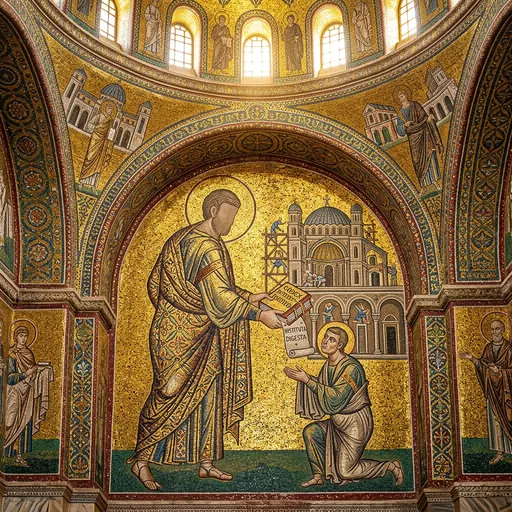
26Justinian reconquered North Africa and Italy while codifying Roman law into the Corpus Juris Civilis. His building program and administrative overhaul shaped Byzantine governance for centuries. The legal legacy outlasted the territorial gains.
Reign (years): 38 yrMax territory: 2 M km²Military: 7/10Administration: 9/10Legacy: 9/10
- Codified Roman law
- Rebuilt Constantinople
- Restored Mediterranean provinces
- Costly wars strained treasury
- Plague devastated population
- Territory lost soon after death
added by Yourlist Editorialin 2 rankingsJustinian I
25Suleiman expanded the Ottoman Empire to its peak while codifying law and patronizing architecture and culture. His legal reforms earned him the title Lawgiver and stabilized administration across three continents. The empire's golden age is dated to his reign.
Reign (years): 46 yrMax territory: 5 M km²Military: 8/10Administration: 9/10Legacy: 8/10
- Codified Ottoman law
- Oversaw cultural golden age
- Expanded into Europe and Middle East
- Costly wars with Persia and Habsburgs
- Succession conflicts after death
- Empire began slow decline
added by Yourlist Editorialin 4 rankingsSuleiman the Magnificent
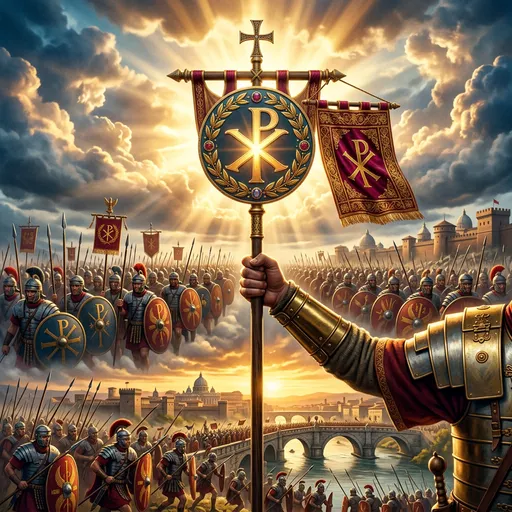
25Constantine seized sole power and legalized Christianity while founding Constantinople as a new capital. His administrative and military reforms extended Roman rule another century in the east. The city and faith he anchored shaped medieval Europe and Byzantium.
Reign (years): 31 yrMax territory: 4 M km²Military: 8/10Administration: 7/10Legacy: 9/10
- Founded enduring eastern capital
- Legalized major religion
- Reformed army and coinage
- Civil wars to gain throne
- Dynastic murders after death
- Administrative split of empire
added by Yourlist EditorialConstantine the Great
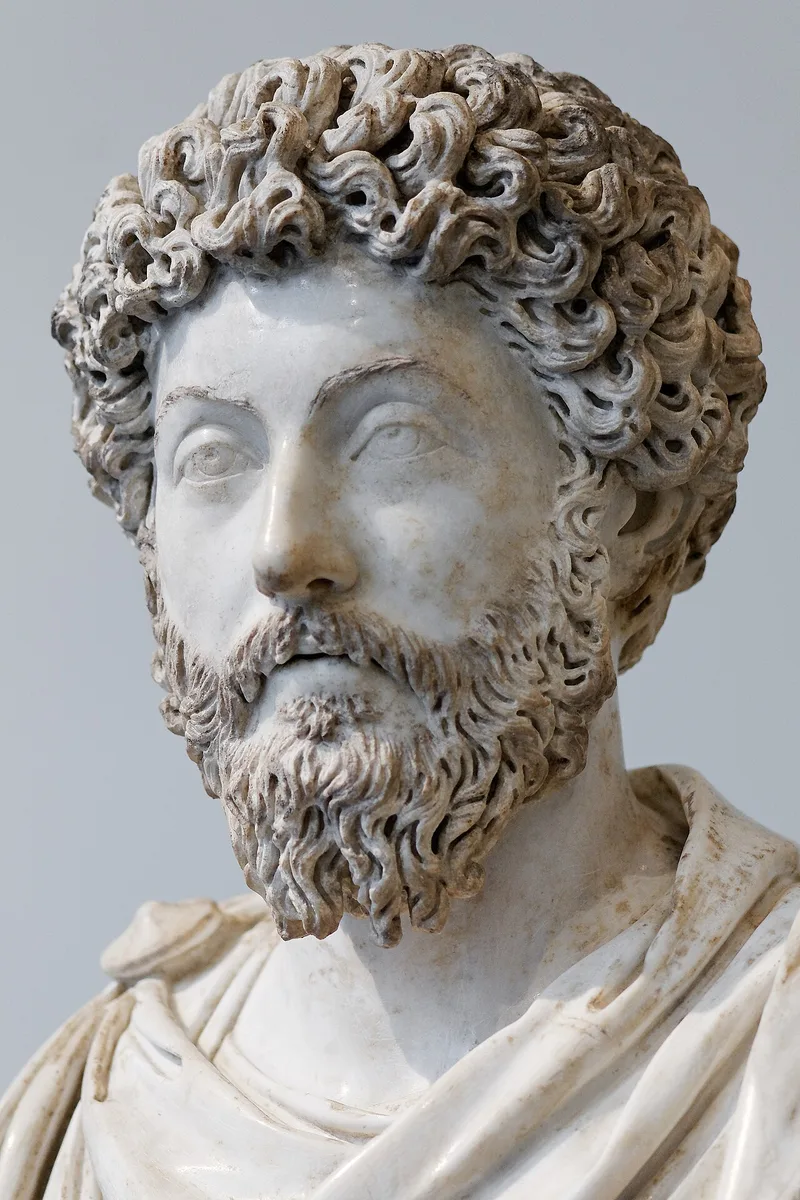
19Marcus Aurelius ruled during the height of the Pax Romana while personally leading campaigns and writing philosophical reflections. His reign demonstrated that an emperor could combine military duty with Stoic governance. Later rulers cited him as the model philosopher-king.
Reign (years): 19 yrMax territory: 5 M km²Military: 7/10Administration: 8/10Legacy: 9/10
- Maintained stability in crisis
- Left philosophical model
- Respected Senate traditions
- Plague and wars drained resources
- Named unfit son as successor
- Frontier defenses stretched thin
added by Yourlist Editorialin 3 rankingsMarcus Aurelius
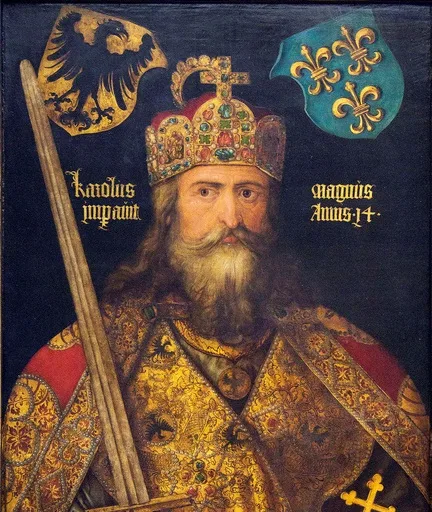
18Charlemagne conquered much of western Europe and revived learning through the Carolingian Renaissance. His coronation as emperor and administrative capitularies laid groundwork for medieval kingship. The Holy Roman Empire concept traces directly to his reign.
Reign (years): 46 yrMax territory: 1 M km²Military: 8/10Administration: 7/10Legacy: 8/10
- Revived classical learning
- Unified much of western Europe
- Standardized administration and script
- Empire fragmented after death
- Limited lasting central institutions
- Relied heavily on personal authority
added by Yourlist Editorialin 6 rankingsCharlemagne
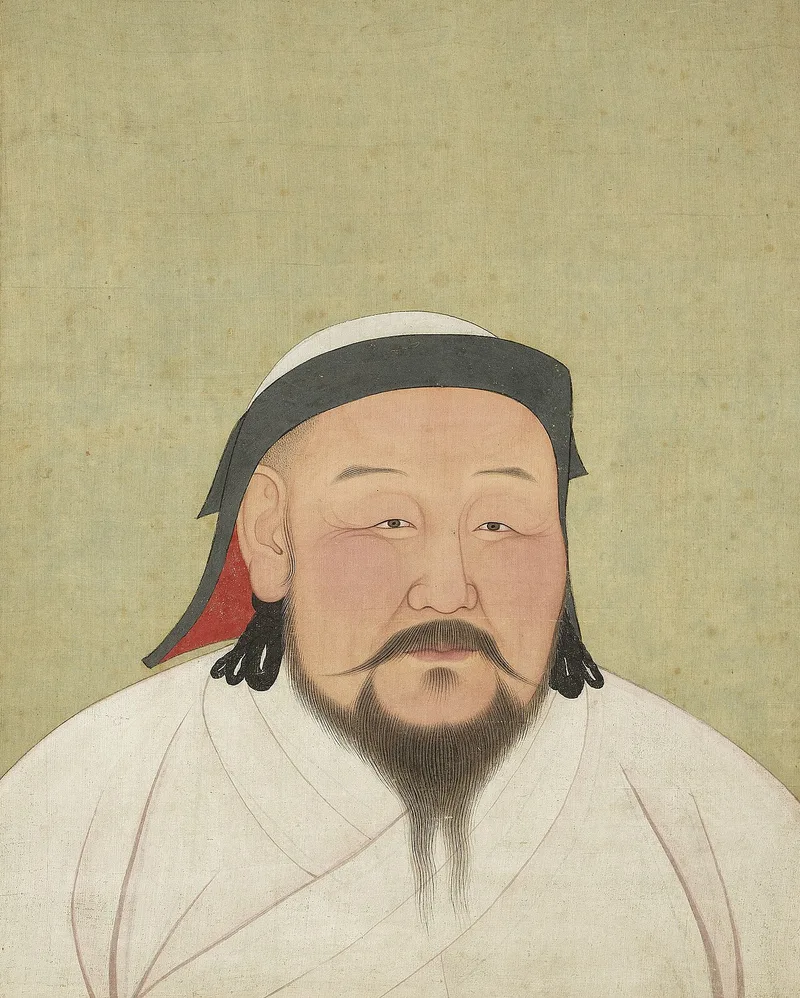
15Kublai Khan completed the Mongol conquest of China and founded the Yuan dynasty with a hybrid Chinese-Mongol administration. His capital at Dadu and patronage of trade integrated East Asia into global networks. The Yuan model influenced later Chinese governance.
Reign (years): 34 yrMax territory: 24 M km²Military: 8/10Administration: 7/10Legacy: 7/10
- Unified China under Mongol rule
- Promoted Silk Road commerce
- Adopted Chinese bureaucratic tools
- Faced repeated rebellions
- Mongol-Chinese tensions persisted
- Dynasty collapsed within a century
added by Yourlist Editorialin 4 rankingsKublai Khan
12Qin Shi Huang unified seven warring states into a single empire and imposed uniform laws, script, and weights. His legalist administration and road network endured long after the dynasty fell. The speed and scale of his centralization remain unmatched in Chinese history.
Reign (years): 11 yrMax territory: 3 M km²Military: 9/10Administration: 8/10Legacy: 9/10
- Unified China and standards
- Built extensive infrastructure
- Created lasting bureaucratic model
- Short reign and harsh policies
- Massive forced labor projects
- Dynasty collapsed immediately
added by Yourlist Editorialin 6 rankingsQin Shi Huang
9Akbar expanded the Mughal Empire across northern India and created a centralized administration with religious tolerance policies. His land revenue system and mansabdari ranks professionalized governance. The framework supported Mughal power for another century.
Reign (years): 49 yrMax territory: 4 M km²Military: 8/10Administration: 9/10Legacy: 8/10
- Built efficient revenue system
- Practiced religious tolerance
- Expanded empire significantly
- Successors reversed tolerance
- Heavy centralization later strained
- Ongoing frontier wars
added by Yourlist EditorialAkbar
7Hirohito presided over Japan's transformation from militarist empire to constitutional democracy after World War II. His decision to accept surrender preserved the monarchy and enabled rapid postwar reconstruction. The institution he retained remains central to modern Japan.
Reign (years): 63 yrMax territory: 7 M km²Military: 5/10Administration: 6/10Legacy: 7/10
- Accepted surrender to end war
- Preserved monarchy institution
- Symbol of postwar continuity
- Oversaw aggressive wartime expansion
- Limited personal power during war
- Controversial war responsibility
added by Yourlist EditorialHirohito
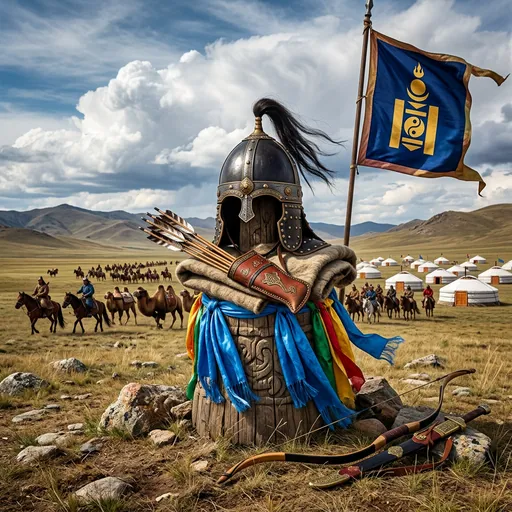
6Genghis Khan forged the largest contiguous empire through disciplined military organization and merit-based command. His postal relay and legal code (Yassa) enabled rule across Eurasia. The administrative template influenced successor states for generations.
Reign (years): 21 yrMax territory: 24 M km²Military: 10/10Administration: 7/10Legacy: 8/10
- Created largest contiguous empire
- Merit-based military system
- Established transcontinental trade routes
- Massive civilian casualties
- Empire divided among heirs
- Few enduring civilian institutions
added by Yourlist Editorialin 11 rankingsGenghis Khan
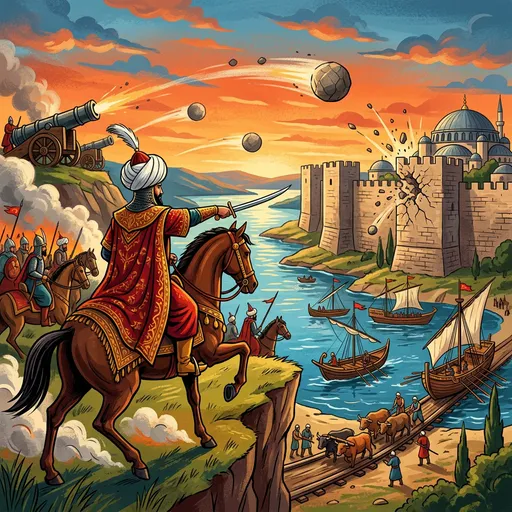
5Mehmed II conquered Constantinople and transformed the city into the Ottoman capital, ending the Byzantine Empire. His administrative and military reforms created a lasting multi-ethnic state. The conquest reshaped trade and power in the eastern Mediterranean.
Reign (years): 30 yrMax territory: 2 M km²Military: 9/10Administration: 7/10Legacy: 8/10
- Captured Constantinople
- Established Ottoman capital
- Integrated conquered populations
- Short second reign interruptions
- Heavy military spending
- Ongoing European resistance
added by Yourlist Editorialin 2 rankingsMehmed II
4Tang Taizong expanded the Tang dynasty to its greatest extent and instituted the examination system that shaped Chinese bureaucracy for a millennium. His military and civil reforms produced one of China's most prosperous eras. Later emperors measured themselves against his standard.
Reign (years): 23 yrMax territory: 6 M km²Military: 8/10Administration: 9/10Legacy: 9/10
- Expanded and stabilized empire
- Perfected civil service exams
- Promoted cultural flourishing
- Succession struggles after reign
- Border wars remained costly
- Later Tang declined sharply
added by Yourlist EditorialEmperor Taizong of Tang
3Trajan conquered Dacia and pushed Roman borders to their maximum extent while funding massive public works from the spoils. His administrative correspondence with Pliny shows careful provincial governance. The empire never again reached the same size or prosperity.
Reign (years): 19 yrMax territory: 5 M km²Military: 9/10Administration: 8/10Legacy: 8/10
- Achieved maximum Roman extent
- Funded extensive infrastructure
- Maintained Senate relations
- Conquests proved unsustainable
- Heavy military focus
- No clear succession plan
added by Yourlist Editorialin 3 rankingsTrajan
1Napoleon Bonaparte
Napoleon crowned himself emperor and spread the Napoleonic Code and administrative reforms across Europe through conquest. His legal and bureaucratic systems influenced modern states from France to Poland. The revolutionary empire collapsed yet left permanent institutional changes.
Reign (years): 15 yrMax territory: 3 M km²Military: 9/10Administration: 8/10Legacy: 8/10
- Exported legal code widely
- Centralized efficient administration
- Promoted merit-based advancement
- Ultimately defeated and exiled
- Massive loss of life in wars
- Empire lasted only a decade
added by Yourlist Editorialin 10 rankings
1Hadrian consolidated Trajan's conquests, built defensive walls, and traveled extensively to inspect provinces. His administrative focus and cultural patronage strengthened Roman cohesion without further expansion. The empire enjoyed internal stability under his rule.
Reign (years): 21 yrMax territory: 5 M km²Military: 6/10Administration: 9/10Legacy: 8/10
- Consolidated frontiers
- Promoted provincial integration
- Sponsored architecture and arts
- Abandoned some eastern gains
- Jewish revolt suppressed harshly
- Succession arrangements failed
added by Yourlist Editorialin 2 rankingsHadrianic
1Ashoka expanded the Maurya Empire across most of India then embraced Buddhism and promoted non-violence and welfare policies. His edicts spread ethical governance and religious tolerance across the subcontinent. The moral model influenced later Indian rulers.
Reign (years): 36 yrMax territory: 5 M km²Military: 8/10Administration: 7/10Legacy: 8/10
- Promoted ethical governance
- Spread Buddhism widely
- Built extensive infrastructure
- Empire fragmented after death
- Military expansion costly early
- Limited long-term central control
added by Yourlist Editorialin 5 rankingsAshoka
-2Catherine the Great
Catherine expanded Russian territory dramatically while modernizing administration and education along Enlightenment lines. Her legal and provincial reforms strengthened the state despite preserving serfdom. Russia emerged as a major European power under her rule.
Reign (years): 34 yrMax territory: 22 M km²Military: 7/10Administration: 8/10Legacy: 8/10
- Expanded empire southward
- Reformed provincial government
- Promoted education and arts
- Preserved and extended serfdom
- Costly wars with Ottomans
- Succession remained unstable
added by Yourlist Editorialin 4 rankings
-2Chandragupta founded the Maurya Empire by defeating the Nanda dynasty and later Seleucid forces, creating India's first large centralized state. His administration and espionage system enabled control over a vast territory. The empire set the template for later Indian rulers.
Reign (years): 24 yrMax territory: 5 M km²Military: 8/10Administration: 7/10Legacy: 7/10
- Founded India's largest empire
- Defeated Seleucid invasion
- Established centralized administration
- Relied on harsh control methods
- Empire peaked under grandson
- Limited cultural unification
added by Yourlist Editorialin 2 rankingsChandragupta Maurya
-3Diocletian ended the third-century crisis by creating the Tetrarchy and overhauling tax, currency, and provincial administration. His reforms restored stability and allowed the empire to survive another century in the west. The bureaucratic structure he built shaped late antiquity.
Reign (years): 21 yrMax territory: 4 M km²Military: 7/10Administration: 9/10Legacy: 8/10
- Stabilized empire after crisis
- Reformed taxation and currency
- Created lasting provincial system
- Persecuted Christians
- Tetrarchy collapsed after abdication
- Economic controls largely failed
added by Yourlist EditorialDiocletian
-4Meiji Emperor
The Meiji Emperor oversaw Japan's rapid modernization from feudal society to industrial power through the Meiji Restoration. His reign centralized authority and adopted Western institutions while retaining imperial symbolism. Japan emerged as an Asian great power.
Reign (years): 45 yrMax territory: 0 M km²Military: 7/10Administration: 8/10Legacy: 8/10
- Drove rapid modernization
- Centralized national government
- Built industrial and military base
- Initial foreign concessions
- Later militarism emerged
- Social upheaval during transition
added by Yourlist Editorial
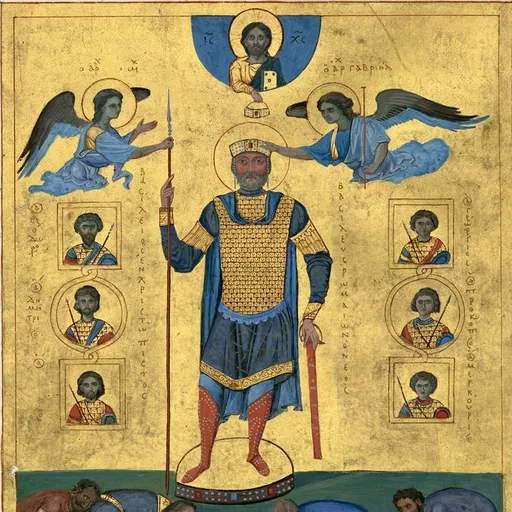
-4Basil II crushed internal revolts and expanded Byzantine territory while amassing a large treasury through careful administration. His military successes secured the empire's longest period of medieval strength. The fiscal reserves he left delayed later decline.
Reign (years): 50 yrMax territory: 1 M km²Military: 9/10Administration: 8/10Legacy: 7/10
- Crushed aristocratic revolts
- Expanded eastern frontiers
- Built large treasury surplus
- No clear heir weakened succession
- Later emperors squandered gains
- Heavy reliance on personal rule
added by Yourlist Editorialin 2 rankingsBasil II
-5Louis XIV
Louis XIV transformed France into Europe's dominant power through centralized absolutism and a professional bureaucracy. His court culture and administrative model influenced monarchs across the continent. The state he built endured until the Revolution.
Reign (years): 72 yrMax territory: 1 M km²Military: 7/10Administration: 8/10Legacy: 7/10
- Created centralized state model
- Professionalized administration
- Patronized arts and sciences
- Costly wars drained treasury
- Revoked Edict of Nantes
- Left massive debts for successors
added by Yourlist Editorialin 3 rankings
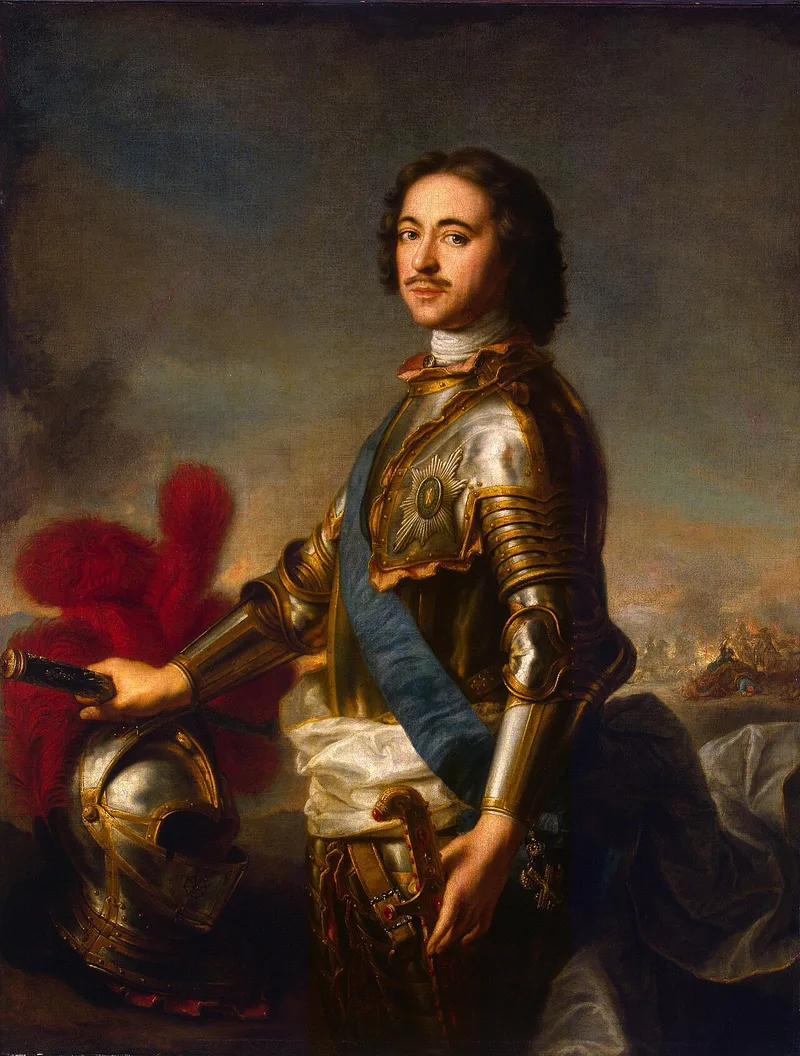
-8Peter the Great modernized Russia through military, administrative, and cultural reforms and founded St. Petersburg as a new capital. His victory in the Great Northern War established Russia as a European power. The state institutions he created endured for two centuries.
Reign (years): 43 yrMax territory: 22 M km²Military: 8/10Administration: 8/10Legacy: 8/10
- Westernized Russian state
- Built powerful navy
- Expanded Baltic access
- Forced rapid cultural changes
- Heavy taxation and conscription
- Succession instability
added by Yourlist Editorialin 4 rankingsPeter the Great
-10Theodosius reunited the empire one final time and made Christianity the state religion while suppressing pagan practices. His administrative division between east and west became permanent. The religious settlement shaped medieval Europe.
Reign (years): 16 yrMax territory: 4 M km²Military: 7/10Administration: 7/10Legacy: 7/10
- Established state Christianity
- Defeated major usurpers
- Negotiated with Goths
- Final permanent division of empire
- Heavy reliance on barbarian troops
- Short reign limited reforms
added by Yourlist EditorialTheodosius I
-21