Greatest philosophers of all time
For thousands of years, philosophers have wrestled with the biggest questions of existence, knowledge, ethics, and reality itself, shaping civilizations and the very way we think. But who truly deserves the title of the greatest philosopher of all time? Cast your vote and help settle this timeless debate.
What counts: Seeded with approximate figures where shown — the crowd's votes decide the order.
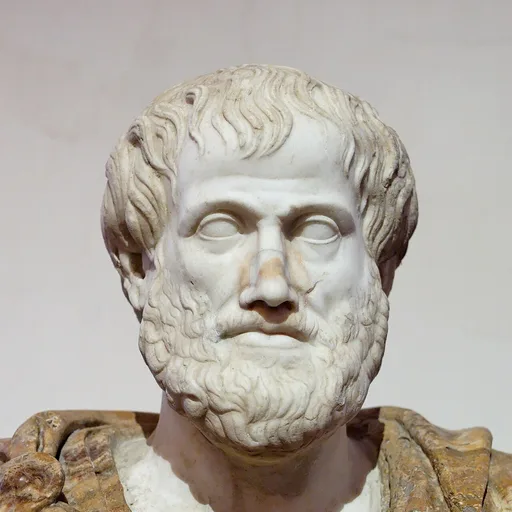
Tutored a future world-conqueror, then spent his real career inventing logic, biology, and literary criticism almost as side projects while founding the Lyceum. His empirical, categorizing mind shaped Western science and ethics for two thousand years, making 'the Philosopher' (as medieval scholars simply called him) the closest thing to an intellectual operating system the West has ever run.and thousands of years of Aristotelianism argue for the top spot outright.
Era: 300s BC
added by Yourlist Editorialin 5 rankingsAristotle
77Wrote the Republic's allegory of the cave and basically invented the idea that reality itself might be a shadow-play behind appearances. Whitehead quipped that all Western philosophy is 'a series of footnotes to Plato,' and founding the Academy means he also invented the university. No one before him made metaphysics, politics, and ethics into one unified, dazzling literary system.
Era: 300s BC
added by Yourlist Editorialin 3 rankingsPlato
63Lived such a punishingly regular schedule in Königsberg that neighbors reportedly set clocks by his walks, then quietly detonated a bomb under all prior metaphysics with the Critique of Pure Reason. His categorical imperative tried to ground morality in reason alone, no God required, reshaping ethics into something universal and duty-bound. Nearly every philosophy since has had to either build on him or explicitly rebel against him.
Era: 1700s
added by Yourlist Editorialin 2 rankingsImmanuel Kant
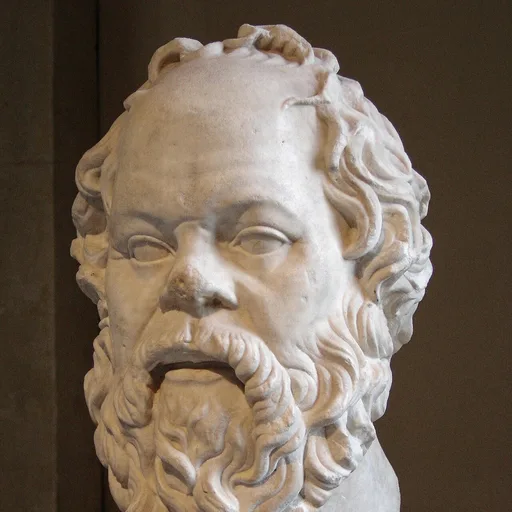
44Never wrote a word, wandered Athens annoying powerful people with questions, and got sentenced to death by hemlock for it — then drank the cup calmly, turning his execution into philosophy's founding martyrdom. The Socratic method he pioneered, relentlessly interrogating assumptions until they crumble, remains the field's basic move. He's the patron saint of 'I know that I know nothing,' which is somehow both humble and devastating.
Era: 400s BC
added by Yourlist Editorialin 5 rankingsSocrates
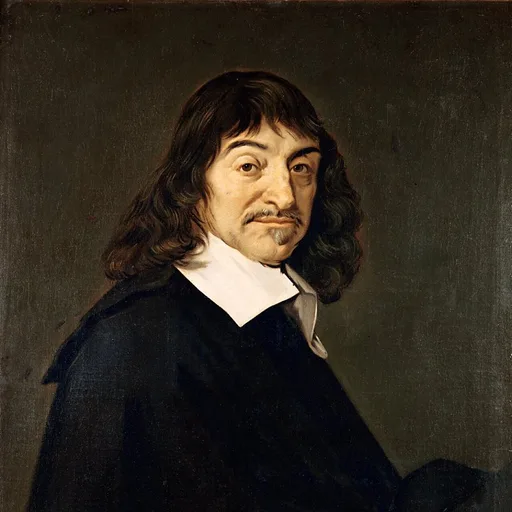
36Sat by a stove, doubted literally everything he could doubt, and landed on 'I think, therefore I am' as the one unshakeable foundation — inventing modern philosophy's obsession with certainty in a single sentence. He also split mind from body so cleanly that we're still arguing about the seam he left (the 'hard problem' owes him rent). Founder of both analytic geometry and the whole rationalist tradition, he's the hinge between medieval and modern thought.
Era: 1600s
added by Yourlist Editorialin 2 rankingsRené Descartes
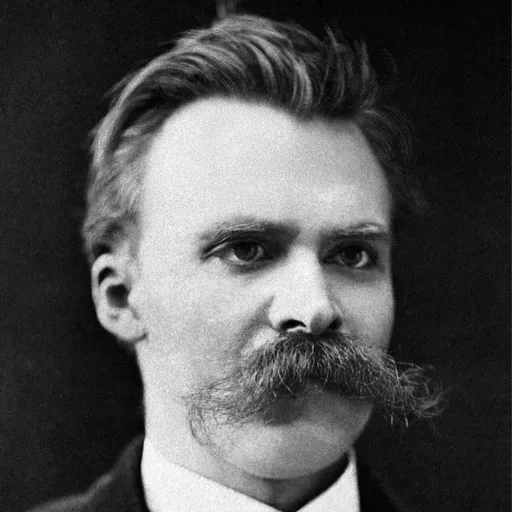
26Declared 'God is dead' and meant it as a diagnosis, not a celebration, then spent his sanity trying to imagine what values survive the collapse of absolute truth. The Übermensch, eternal recurrence, and his ferocious attacks on slave morality made him philosophy's great provocateur, hated and worshipped in equal measure, misused by fascists he would have despised. No one hits harder as a prose stylist or unsettles comfortable certainties more thoroughly.
Era: 1800s
added by Yourlist Editorialin 2 rankingsFriedrich Nietzsche
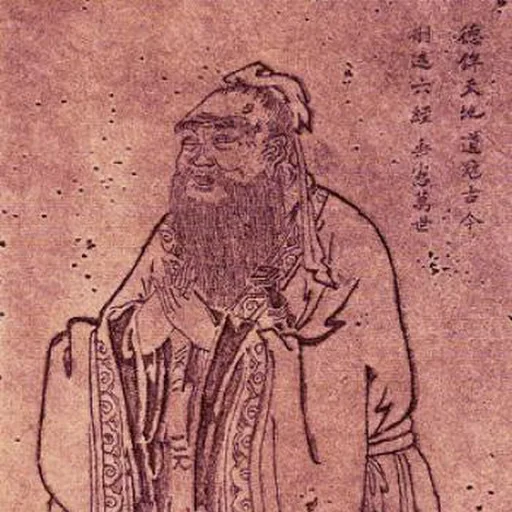
7A minor bureaucrat whose sayings, collected posthumously as the Analects, became the moral operating system for over two thousand years of Chinese civilization and beyond. He argued that ritual, filial piety, and cultivated virtue — not divine command — hold society together, an idea that outlasted dynasties. Few thinkers anywhere can claim to have shaped the daily ethics of a quarter of humanity this directly.
Era: 500s BC
added by Yourlist Editorialin 6 rankingsConfucius
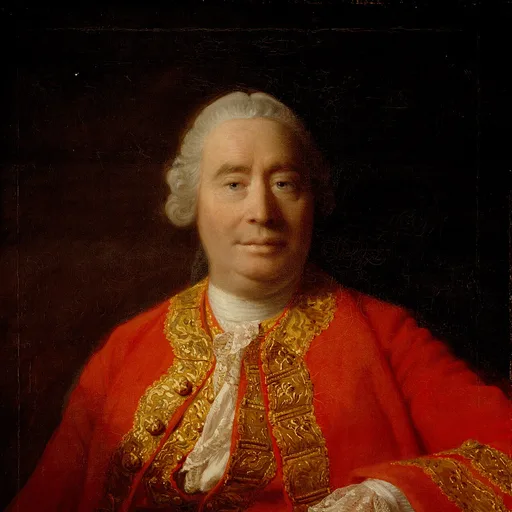
-6Politely dismantled causation itself, pointing out we never actually observe cause and effect, just one thing following another and our own habit of assuming a connection — a problem that famously jolted Kant awake from his 'dogmatic slumber.' His empiricism pushed skepticism about induction, miracles, and the self to its limits, and he did it all with unusual wit and clarity for a man questioning the foundations of knowledge. The godfather of hardheaded, no-nonsense philosophy of science.
Era: 1700s
added by Yourlist Editorialin 2 rankingsDavid Hume
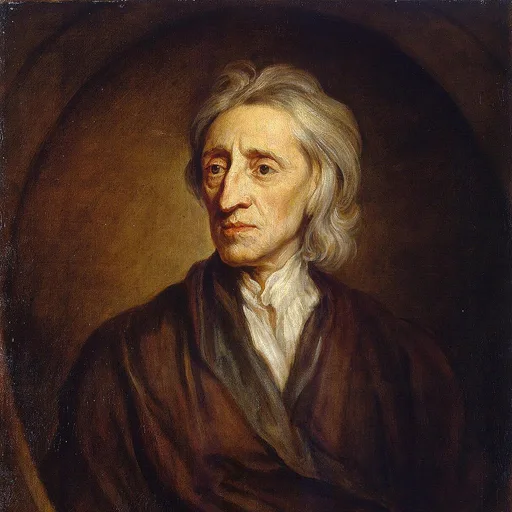
-9Argued the mind starts as a blank slate and that governments derive legitimacy only from the consent of the governed — ideas that walked straight out of his Second Treatise and into the Declaration of Independence. His theory of natural rights to life, liberty, and property became the DNA of liberal democracy. Few philosophers can point to an actual founding document as their direct legacy.
Era: 1600s
added by Yourlist Editorialin 2 rankingsJohn Locke
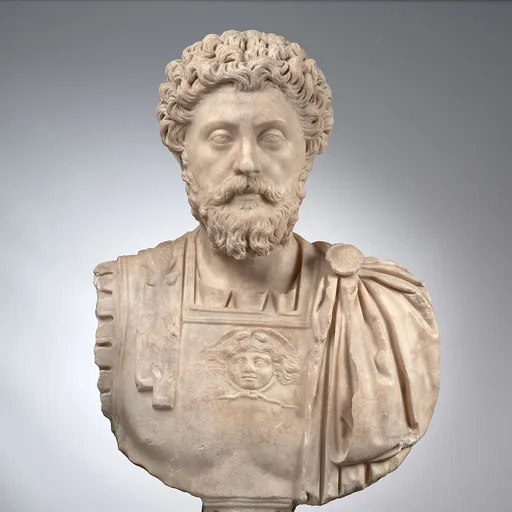
-20Ran the entire Roman Empire while privately scribbling Stoic reminders to himself in what became the Meditations, never intended for publication, making it the rare philosophy book written purely for the author's own survival. His insistence on accepting fate, controlling only your own judgments, and treating death without terror turned personal journaling into a timeless self-help classic for warlords and CEOs alike. The philosopher-king Plato only theorized about, actually made real.
Era: 100s
added by Yourlist Editorialin 3 rankingsMarcus Aurelius
-49