🏝️Best Hawaiian Islands Ranked
The Hawaiian Islands each offer distinct landscapes, from black sand beaches to lush valleys. Choosing the right one depends on whether you seek adventure, relaxation, or culture. Which island tops your list? Vote now.
What counts: Best is determined by visitor appeal, natural beauty, and accessibility. Only a handful of islands are commonly visited so this list focuses on the major ones with approximate figures.
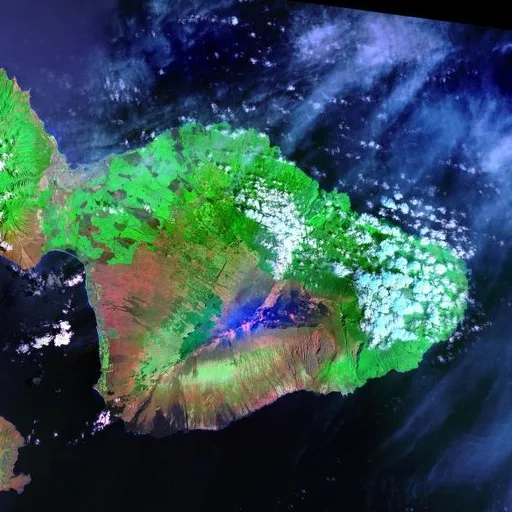
Maui rose to the top through its Road to Hana drive and Haleakala sunrise views that deliver both drama and accessibility. The island's mix of beaches and upcountry farms created a signature vacation formula that draws repeat visitors. Its central location made it the natural hub for island hopping.
Area: 727 sq miPopulation: 154,000Annual Visitors: 3,000,000Beaches: 9/10Hiking: 8/10Family Friendly: ✓
- Iconic beaches and snorkeling
- Diverse activities in short drive
- Strong tourist infrastructure
- Traffic and crowds in peak season
- Higher lodging costs
- Limited remote hiking trails
added by Yourlist Editorialin 3 rankingsMaui
55Hawaii (Big Island)
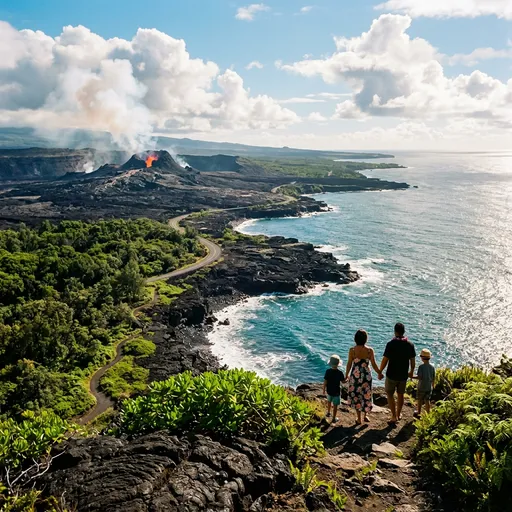
The Big Island claimed its spot with active volcanoes and the chance to witness lava flows that no other island can match. Vast size allowed it to offer both tropical beaches and alpine terrain in one destination. Its ongoing eruptions keep it in the global spotlight.
Area: 4,028 sq miPopulation: 200,000Annual Visitors: 1,700,000Beaches: 7/10Hiking: 9/10Family Friendly: ✓
- Volcanoes and unique geology
- Diverse climates in short distances
- Space for uncrowded exploration
- Long drives between attractions
- Fewer classic white-sand beaches
- Variable weather by region
added by Yourlist Editorial
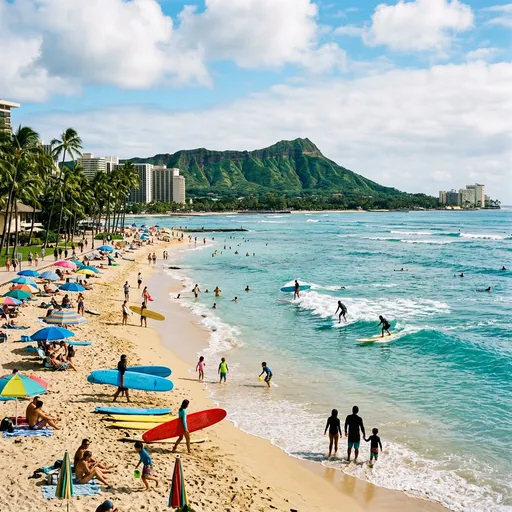
37Oahu secured its place with Waikiki Beach and Pearl Harbor that combine urban energy with historic sites. The island's North Shore waves and hiking trails provide variety within reach of Honolulu's amenities. Its role as the state capital made it the easiest entry point for first-time visitors.
Area: 597 sq miPopulation: 1,000,000Annual Visitors: 5,500,000Beaches: 8/10Hiking: 7/10Family Friendly: ✓
- Best shopping and dining
- Easy airport access
- Mix of city and surf culture
- Most crowded and touristy
- Higher crime in some areas
- Less pristine nature
added by Yourlist Editorialin 2 rankingsOʻahu
35Kauai
Kauai earned its high rank with the Na Pali Coast and Waimea Canyon that showcase raw volcanic scenery unmatched elsewhere. The island's small size and strict development rules preserved its jungle character. Its film-famous landscapes continue to attract adventure seekers.
Area: 562 sq miPopulation: 73,000Annual Visitors: 1,200,000Beaches: 8/10Hiking: 9/10Family Friendly: ✓
- Spectacular hiking and scenery
- Less commercialized feel
- Excellent for nature photography
- Fewer sandy beaches
- Frequent rain on north shore
- Limited nightlife options
added by Yourlist Editorialin 2 rankings
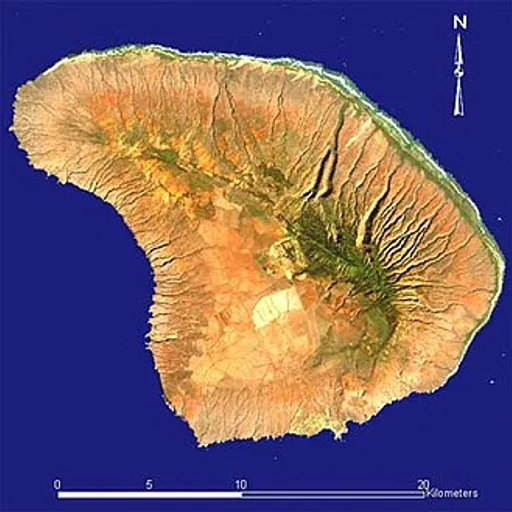
25Lanai rose through its quiet luxury resorts and the sense of exclusivity that comes from being the smallest inhabited island. Its red-dirt roads and shipwreck beach created an off-the-grid appeal for those seeking seclusion. The island's pineapple plantation history adds a unique story.
Area: 141 sq miPopulation: 3,000Annual Visitors: 150,000Beaches: 7/10Hiking: 6/10Family Friendly: —
- Peaceful and uncrowded
- High-end resorts
- Unique 4x4 adventures
- Very limited dining options
- Expensive to visit
- Few family activities
added by Yourlist Editorialin 2 rankingsLanai
24Molokai
Molokai earned its ranking with the dramatic Kalaupapa cliffs and a strong Hawaiian cultural presence that feels authentic. Its mule ride and lack of resorts created a destination for travelers wanting to step back in time. The island's rural character remains its strongest draw.
Area: 260 sq miPopulation: 7,000Annual Visitors: 80,000Beaches: 6/10Hiking: 7/10Family Friendly: ✓
- Authentic local culture
- Dramatic sea cliffs
- Low tourist volume
- Limited lodging choices
- Rough roads and access
- Fewer modern amenities
added by Yourlist Editorialin 2 rankings
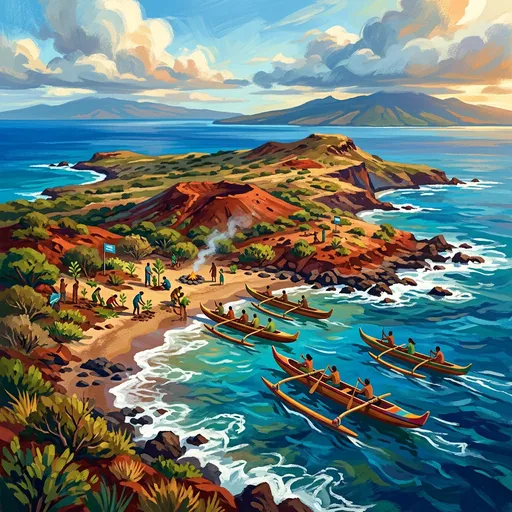
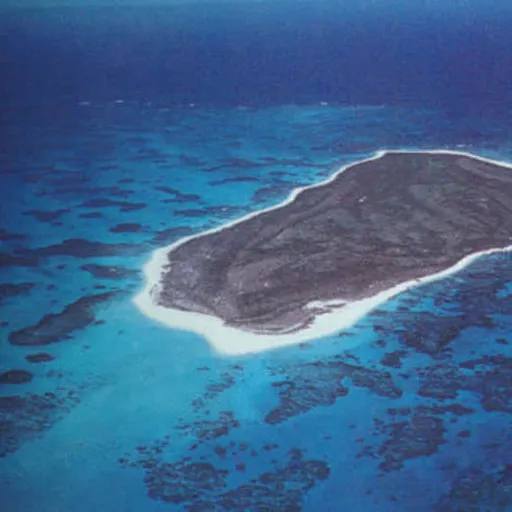
21Kahoolawe gained attention as the former bombing range turned cultural reserve with restricted access that highlights Hawaiian sovereignty issues. Its barren landscape tells a story of environmental recovery. The island serves more as a symbol than a visitor destination.
Area: 45 sq miPopulation: 0Annual Visitors: 0Beaches: 3/10Hiking: 4/10Family Friendly: —
- Cultural significance
- No commercial development
- Unique conservation story
- Completely off-limits to public
- Uninhabitable
- No tourism facilities
added by Yourlist Editorialin 2 rankingsKahoolawe
11Kaula
Kaula is a small rocky islet used mainly for military target practice that appears on many island-hopping maps. Its isolation keeps it free of visitors. The islet serves as a navigational marker rather than a destination.
Area: 0.3 sq miPopulation: 0Annual Visitors: 0Beaches: 1/10Hiking: 1/10Family Friendly: —
- Completely undeveloped
- Rarely visited
- Part of the chain's geography
- No access permitted
- Used for bombing practice
- No natural attractions
added by Yourlist Editorial
8Necker Island is a small privately managed islet occasionally visited by ultra-high-end guests seeking total seclusion. Its terraced landscape and bird populations create a unique setting. Access is limited to invited visitors only.
Area: 0.1 sq miPopulation: 0Annual Visitors: 200Beaches: 5/10Hiking: 2/10Family Friendly: —
- Ultimate privacy
- Pristine condition
- Exclusive experience
- Invitation only
- Very expensive
- No regular tourism
added by Yourlist EditorialNecker Island
8Niihau
Niihau stands out as the privately owned island that offers rare helicopter tours and a glimpse into traditional Hawaiian life. Its restricted access created an aura of mystery that appeals to adventure travelers. The island's isolation preserved its unique character.
Area: 70 sq miPopulation: 170Annual Visitors: 5,000Beaches: 8/10Hiking: 5/10Family Friendly: —
- Exclusive access
- Pristine environment
- Cultural immersion
- Very expensive tours
- Strict visit rules
- No public beaches
added by Yourlist Editorialin 2 rankings
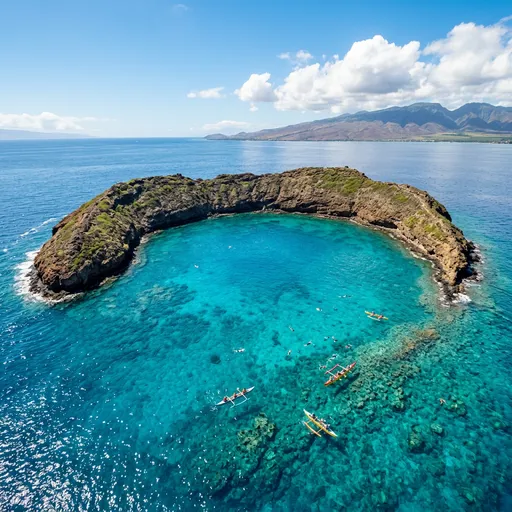
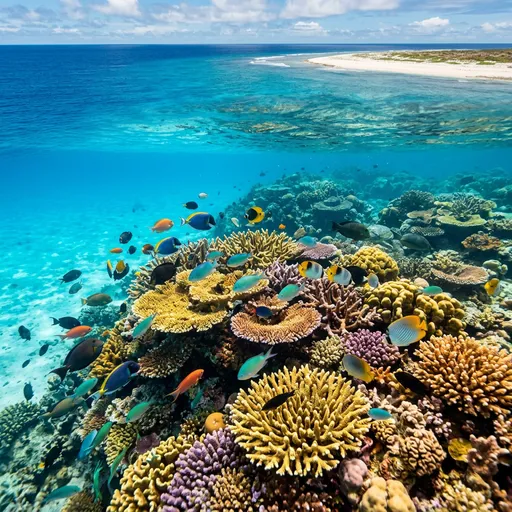
7Molokini is a crescent-shaped crater that draws snorkelers for its clear waters and abundant fish. Its protected status keeps the reef healthy and the experience consistent. The short boat ride from Maui made it a staple half-day excursion.
Area: 0.1 sq miPopulation: 0Annual Visitors: 400,000Beaches: 9/10Hiking: 1/10Family Friendly: ✓
- World-class snorkeling
- Protected marine life
- Short boat trips
- No land access
- Can be crowded with boats
- Only a snorkel site
added by Yourlist Editorialin 2 rankingsMolokini
7Lisianski Island is a small sandy island within the Pearl and Hermes Atoll that supports nesting seabirds and monk seals. Its flat terrain and isolation make it a classic northwestern atoll example. Access is research-only.
Area: 0.5 sq miPopulation: 0Annual Visitors: 20Beaches: 3/10Hiking: 1/10Family Friendly: —
- Wildlife sanctuary
- Untouched atoll
- Seal habitat
- No visitor access
- Very small size
- Research permits only
added by Yourlist EditorialLisianski Island
7Nihoa is a remote northwestern island with ancient Hawaiian archaeological sites that speak to early settlement. Its sheer cliffs and limited landing spots kept it off most tourist routes. The island is now a protected wildlife refuge.
Area: 0.3 sq miPopulation: 0Annual Visitors: 100Beaches: 2/10Hiking: 3/10Family Friendly: —
- Archaeological interest
- Seabird habitat
- Historical significance
- Extremely difficult access
- No facilities
- Strict permit required
added by Yourlist EditorialNihoa
5Lehua is a tiny tuff cone off Niihau that offers dramatic sea cliffs and seabird colonies visible from boat tours. Its sheer walls create a striking silhouette against the ocean. The island remains uninhabited and largely untouched.
Area: 0.4 sq miPopulation: 0Annual Visitors: 10,000Beaches: 4/10Hiking: 2/10Family Friendly: —
- Striking visual landmark
- Birdwatching opportunities
- Remote and pristine
- No landing allowed
- Only viewable by boat
- Rough surrounding waters
added by Yourlist EditorialLehua
2Laysan Island is a low-lying atoll island known for its large seabird colony and the rare Laysan duck. Its isolation protected the unique ecosystem from most human impact. Visits are limited to scientific teams.
Area: 1.5 sq miPopulation: 0Annual Visitors: 30Beaches: 4/10Hiking: 2/10Family Friendly: —
- Rich birdlife
- Rare endemic species
- Pristine atoll environment
- No tourism allowed
- Extremely remote
- Strict conservation rules
added by Yourlist EditorialLaysan
-6Pearl and Hermes Atoll is a remote chain of reefs and islets that once hosted a pearl oyster fishery and now serves as a protected marine area. Its multiple small islands create diverse habitats. Public visits are not permitted.
Area: 0.1 sq miPopulation: 0Annual Visitors: 10Beaches: 4/10Hiking: 1/10Family Friendly: —
- Rich marine biodiversity
- Historical pearl fishery
- Protected reefs
- Closed to public
- Extremely remote
- No infrastructure
added by Yourlist EditorialPearl and Hermes Atoll
-6Kure Atoll is the northernmost Hawaiian island and the site of a former Coast Guard station now focused on seabird and monk seal protection. Its circular reef and Green Island create a classic atoll. Access is limited to permitted researchers.
Area: 0.3 sq miPopulation: 0Annual Visitors: 20Beaches: 4/10Hiking: 1/10Family Friendly: —
- Northernmost point
- Important wildlife refuge
- Pristine reef
- No public access
- Research only
- Extremely remote
added by Yourlist EditorialKure Atoll
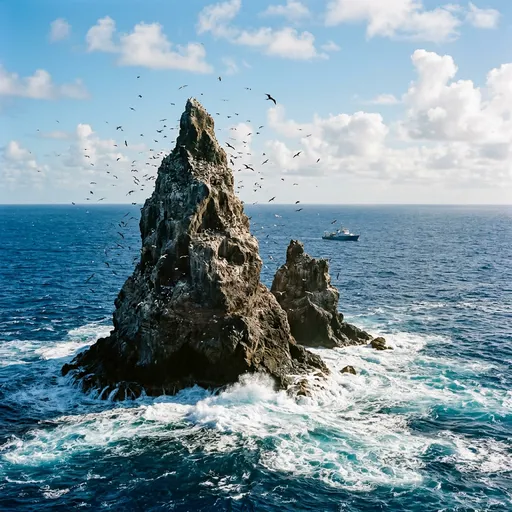
-6Gardner Pinnacles are two towering rock spires that rise dramatically from the ocean and serve as a landmark for the northwestern chain. Their sheer cliffs support limited vegetation and seabirds. No landing is possible.
Area: 0.01 sq miPopulation: 0Annual Visitors: 0Beaches: 1/10Hiking: 1/10Family Friendly: —
- Dramatic visual landmark
- Completely natural
- Unique geology
- No landing possible
- No attractions
- Only visible from sea
added by Yourlist EditorialGardner Pinnacles
-6Maro Reef is a submerged reef system that appears only at low tide and supports diverse coral and fish populations. Its shallow waters make it hazardous for navigation but rich for marine life. No land exists for visitors.
Area: 0 sq miPopulation: 0Annual Visitors: 0Beaches: 2/10Hiking: 1/10Family Friendly: —
- Rich coral ecosystem
- Protected marine area
- Unique reef structure
- Completely submerged
- No land access
- Navigation hazard
added by Yourlist EditorialMaro Reef
-7French Frigate Shoals is an atoll chain famous for green sea turtle nesting and its role in WWII history. The scattered sandbars and lagoon create a rich marine environment. Access is restricted to researchers.
Area: 0.1 sq miPopulation: 0Annual Visitors: 50Beaches: 6/10Hiking: 1/10Family Friendly: —
- Important wildlife habitat
- Historical WWII site
- Unique lagoon ecosystem
- No public access
- Remote location
- Research only
added by Yourlist EditorialFrench Frigate Shoals
-8Eastern Island (Midway)
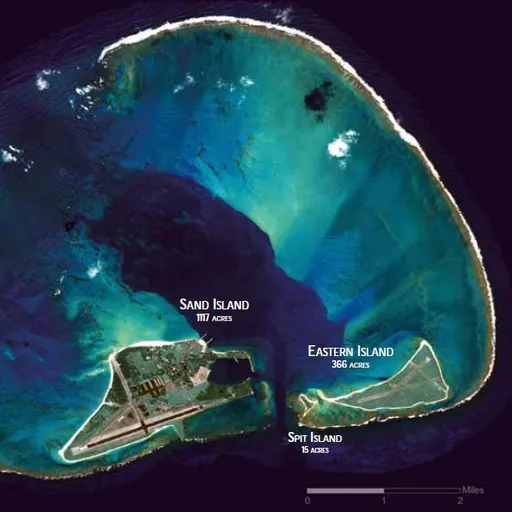
Eastern Island at Midway is a smaller islet used primarily for wildlife research and albatross nesting with fewer facilities than Sand Island. Its quiet beaches and bird colonies provide a more remote feel within the atoll.
Area: 0.6 sq miPopulation: 0Annual Visitors: 500Beaches: 4/10Hiking: 2/10Family Friendly: —
- Quiet bird colonies
- Less developed
- Research focus
- No overnight stays
- Limited transport
- Research priority
added by Yourlist Editorial
-9Midway Atoll is best known for its WWII battle and now serves as a national wildlife refuge with limited ecotourism. Its historic buildings and albatross colonies draw a small number of visitors each year. Access requires advance booking.
Area: 2.4 sq miPopulation: 50Annual Visitors: 2,000Beaches: 5/10Hiking: 3/10Family Friendly: —
- Historic battle site
- Albatross viewing
- Limited ecotourism
- Remote location
- Strict visit limits
- Basic accommodations
added by Yourlist Editorialin 2 rankingsMidway Atoll
-12Spit Island (Midway)
Spit Island is a tiny sand spit at Midway that hosts nesting birds and changes shape with storms. Its ephemeral nature highlights the dynamic atoll environment. Visits are rare and brief.
Area: 0.01 sq miPopulation: 0Annual Visitors: 100Beaches: 3/10Hiking: 1/10Family Friendly: —
- Dynamic landscape
- Bird nesting site
- Part of atoll system
- Very small
- Changes with weather
- No facilities
added by Yourlist Editorial
-15Sand Island (Midway)
Sand Island at Midway is the main hub for the atoll's limited tourism and research operations with historic buildings and a small runway. It serves as the base for albatross viewing and snorkeling trips. Access is controlled.
Area: 1.2 sq miPopulation: 50Annual Visitors: 1,500Beaches: 5/10Hiking: 2/10Family Friendly: —
- Historic structures
- Wildlife viewing base
- Snorkeling access
- Limited lodging
- Remote location
- Permit required
added by Yourlist Editorial
-21Disappearing Island (Midway)
Disappearing Island is a low sandbar at Midway that frequently submerges and reappears, illustrating the fragile nature of atoll islands. It offers little more than a resting spot for birds. Access is incidental.
Area: 0.01 sq miPopulation: 0Annual Visitors: 50Beaches: 2/10Hiking: 1/10Family Friendly: —
- Illustrates atoll dynamics
- Bird resting spot
- Natural process visible
- Often underwater
- No landing value
- Transient feature
added by Yourlist Editorial
-22