👑Best Kings in History
Ranking history's kings pits raw conquest against lasting institutions, decisive leadership against cultural flourishing, and personal ambition against stable governance. The stakes are how we measure influence that still shapes borders, laws, and languages today. Compare the candidates and vote.
What counts: Best means greatest net historical impact through conquest, administration, and legacy; reign lengths and ratings are approximate round figures.
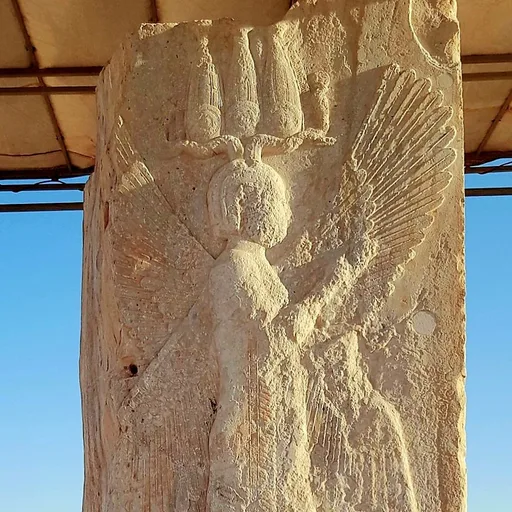
Cyrus founded the Achaemenid Empire by defeating the Medes, Lydians, and Babylonians in rapid succession. His signature act was the liberation of the Jews from Babylonian captivity and the issuance of the Cyrus Cylinder, an early charter of rights. He earns high placement for creating the model of tolerant imperial rule copied by later empires.
Reign (years): 29 yearsExpansion Rating: 9/10Legacy Rating: 9/10Military Rating: 9/10Reform Rating: 8/10
- Pioneered policy of religious tolerance
- Built efficient satrapy system of governance
- Conquered three major powers in one generation
- Succession weakened after his death
- Limited lasting cultural imprint beyond Persia
- Relied heavily on local rulers who later rebelled
added by Yourlist Editorialin 5 rankingsCyrus the Great
30Suleiman expanded the Ottoman Empire to its greatest extent while codifying its legal system, earning the title Lawgiver. His siege of Vienna in 1529 marked the high-water mark of Ottoman power in Europe. He ranks here for balancing military reach with administrative codification that lasted centuries.
Reign (years): 46 yearsExpansion Rating: 9/10Legacy Rating: 8/10Military Rating: 9/10Reform Rating: 9/10
- Codified Ottoman law still studied today
- Oversaw golden age of art and architecture
- Extended empire across three continents
- Failed to take Vienna decisively
- Succession struggles weakened later reigns
- Overextension left borders vulnerable
added by Yourlist Editorialin 4 rankingsSuleiman the Magnificent
28Louis XIV
Louis XIV centralized French power at Versailles and made France the cultural and military arbiter of Europe for decades. His revocation of the Edict of Nantes and aggressive wars defined the era. He ranks high for creating the template of absolute monarchy that influenced rulers for a century.
Reign (years): 72 yearsExpansion Rating: 7/10Legacy Rating: 8/10Military Rating: 7/10Reform Rating: 8/10
- Built centralized bureaucracy still copied today
- Made France Europe's cultural leader
- Longest reign in European history
- Costly wars left France near bankruptcy
- Revocation of Nantes drove out skilled Protestants
- Personal rule created brittle system
added by Yourlist Editorialin 3 rankings
27Charlemagne united fractured Frankish lands and on Christmas Day 800 revived the idea of a Western Roman Empire. His coronation by the Pope marked the birth of the Holy Roman Empire concept. He tops many lists for fusing military conquest with educational and legal reforms that shaped medieval Europe.
Reign (years): 46 yearsExpansion Rating: 8/10Legacy Rating: 9/10Military Rating: 8/10Reform Rating: 9/10
- Revived learning across Western Europe
- Created lasting administrative divisions
- Strengthened ties between church and state
- Empire divided among heirs after death
- Relied on personal authority rather than institutions
- Frequent border wars with limited long-term gains
added by Yourlist Editorialin 6 rankingsCharlemagne
24Alexander inherited a shaky Macedonian throne and within thirteen years forged an empire from Greece to India. His signature moment was the decisive victory at Gaugamela that toppled the Persian Empire. He earns the top spot by combining unmatched battlefield speed with the deliberate spread of Hellenistic culture that endured for centuries.
Reign (years): 13 yearsExpansion Rating: 10/10Legacy Rating: 10/10Military Rating: 10/10Reform Rating: 7/10
- Unified vast territories under single rule
- Founded dozens of cities that became cultural hubs
- Defeated the world's largest empire at the time
- Empire fragmented immediately after death
- Left no stable succession plan
- Heavy reliance on constant warfare
added by Yourlist Editorialin 10 rankingsAlexander the Great
23Frederick the Great
Frederick turned Prussia into a great power through disciplined military innovation and the seizure of Silesia in the War of Austrian Succession. His enlightened absolutism included legal and agricultural reforms that outlasted his wars. He earns inclusion for proving that a small state could punch above its weight through superior administration and strategy.
Reign (years): 46 yearsExpansion Rating: 7/10Legacy Rating: 8/10Military Rating: 9/10Reform Rating: 8/10
- Built Europe's most efficient army
- Introduced legal protections and religious tolerance
- Turned Prussia into a major European player
- Wars devastated Prussian population
- Left state financially strained
- Model relied on his personal genius
added by Yourlist Editorialin 3 rankings
19Ramses II
Ramses II ruled Egypt for sixty-six years and fought the Hittites to a stalemate at Kadesh, then signed history's first recorded peace treaty. Monuments such as Abu Simbel still dominate the Nile landscape. He secures a top rank by restoring Egyptian power and leaving the most visible architectural legacy of any pharaoh.
Reign (years): 66 yearsExpansion Rating: 7/10Legacy Rating: 9/10Military Rating: 8/10Reform Rating: 7/10
- Signed first known international peace treaty
- Oversaw massive building program still visible today
- Restored Egypt's prestige after earlier losses
- Battle of Kadesh was at best a draw
- Heavy spending strained the economy long-term
- Successors could not maintain his momentum
added by Yourlist Editorialin 2 rankings
12Gustavus Adolphus revolutionized warfare with mobile artillery and combined arms, then intervened in the Thirty Years' War to save Protestant Germany. His administrative and tax reforms funded Sweden's rise as a great power. He secures a spot for proving small kingdoms could reshape Europe through military and bureaucratic innovation.
Reign (years): 21 yearsExpansion Rating: 7/10Legacy Rating: 7/10Military Rating: 9/10Reform Rating: 8/10
- Transformed military tactics for the modern era
- Strengthened Swedish administration and economy
- Preserved Protestant cause in Germany
- Died young on battlefield
- Gains proved hard to hold after death
- Wars strained Sweden's limited resources
added by Yourlist EditorialGustavus Adolphus of Sweden
11Richard the Lionheart
Richard the Lionheart led the Third Crusade, captured Cyprus, and negotiated a truce that kept Jerusalem open to Christian pilgrims. His military reputation across Europe and the Middle East made him a medieval legend. He earns ranking through sheer battlefield charisma despite limited time ruling England.
Reign (years): 10 yearsExpansion Rating: 6/10Legacy Rating: 7/10Military Rating: 8/10Reform Rating: 5/10
- Led successful crusade campaign
- Captured strategic Cyprus
- Earned international military fame
- Spent little time in England
- Left realm financially drained
- No lasting territorial gains in Holy Land
added by Yourlist Editorialin 2 rankings
11Solomon built the First Temple in Jerusalem and expanded trade networks that brought wealth from Africa and Arabia. His wisdom literature and diplomatic marriages shaped the image of the ideal biblical king. He earns ranking for creating the cultural and religious center that defined Jewish identity for millennia.
Reign (years): 40 yearsExpansion Rating: 6/10Legacy Rating: 9/10Military Rating: 6/10Reform Rating: 7/10
- Built Jerusalem Temple central to Judaism
- Expanded trade and diplomacy
- Left enduring wisdom tradition
- Heavy taxation sparked later revolt
- Empire split after death
- Historical evidence remains limited
added by Yourlist Editorialin 2 rankingsSolomon
11Alfred halted the Viking conquest of England, created the first English navy, and promoted literacy through translations of key texts. His burh system of fortified towns laid the foundation for a unified English kingdom. He earns his place by preserving Anglo-Saxon culture and laying institutional groundwork for later English monarchy.
Reign (years): 28 yearsExpansion Rating: 6/10Legacy Rating: 8/10Military Rating: 7/10Reform Rating: 8/10
- Saved Anglo-Saxon England from conquest
- Promoted education and law codes
- Built defensive network that endured
- Never fully expelled Vikings
- Limited territorial gains
- Successors faced renewed invasions
added by Yourlist Editorialin 2 rankingsAlfred the Great
10Peter transformed Russia from a landlocked tsardom into a major European power by building St. Petersburg and defeating Sweden in the Great Northern War. His forced modernization of the military and bureaucracy set Russia on its imperial path. He earns this position by dragging a reluctant nation into the modern era through decisive, often brutal reforms.
Reign (years): 43 yearsExpansion Rating: 8/10Legacy Rating: 9/10Military Rating: 8/10Reform Rating: 9/10
- Created Russian navy and modern army
- Founded new capital that became cultural center
- Defeated Sweden and gained Baltic access
- Reforms imposed at enormous human cost
- Left unstable succession system
- Heavy taxation sparked repeated revolts
added by Yourlist Editorialin 4 rankingsPeter the Great
9Ivan IV crowned himself first Tsar of Russia, conquered Kazan and Astrakhan, and expanded Russian territory dramatically eastward. His oprichnina security force centralized power but at horrific cost. He earns a place for creating the Russian autocratic model that defined the state for centuries.
Reign (years): 37 yearsExpansion Rating: 8/10Legacy Rating: 7/10Military Rating: 7/10Reform Rating: 6/10
- Conquered key Tatar khanates
- Expanded Russia into Siberia
- Established tsarist autocracy
- Oprichnina caused mass terror and chaos
- Economic ruin followed his reign
- Succession left unstable
added by Yourlist Editorialin 3 rankingsIvan the Terrible
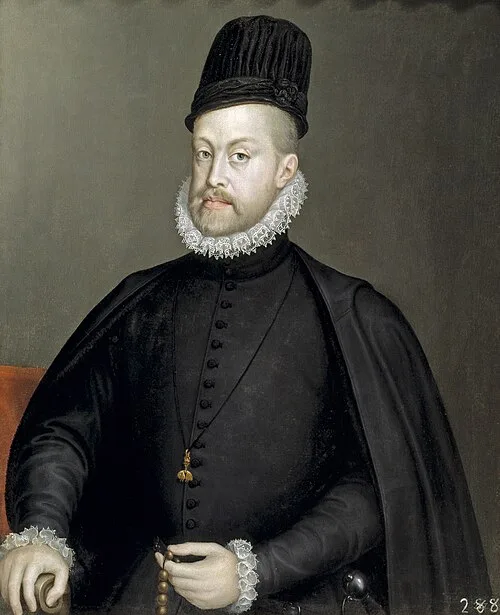
7Philip II ruled the first global empire, controlling territories in Europe, the Americas, and Asia while defending Catholicism against Protestantism. The Spanish Armada defeat marked the limits of his power, yet his administrative system governed vast lands. He ranks for demonstrating how one monarch could direct worldwide affairs.
Reign (years): 42 yearsExpansion Rating: 9/10Legacy Rating: 7/10Military Rating: 7/10Reform Rating: 8/10
- Ruled largest empire of the era
- Maintained global administrative reach
- Defended Catholic orthodoxy across continents
- Armada failure weakened naval power
- Bankruptcies repeatedly crippled finances
- Overextension invited multiple revolts
added by Yourlist Editorialin 2 rankingsPhilip II of Spain
5Ashoka conquered most of the Indian subcontinent but then converted to Buddhism after the bloody Kalinga war and promoted non-violence across his empire. His edicts carved on pillars spread moral governance from Afghanistan to Sri Lanka. He earns his place by showing a conqueror could pivot to lasting ethical administration.
Reign (years): 36 yearsExpansion Rating: 8/10Legacy Rating: 9/10Military Rating: 7/10Reform Rating: 9/10
- Spread Buddhism across Asia
- Left earliest written Indian laws
- Promoted religious tolerance and welfare
- Empire shrank rapidly after death
- Military gains reversed by pacifist policies
- Limited long-term political unity in India
added by Yourlist Editorialin 5 rankingsAshoka
3William crossed the Channel in 1066 and imposed Norman rule on England, creating a unified kingdom with new laws and castles. The Domesday Book he commissioned remains one of history's most detailed administrative surveys. He earns this ranking for permanently altering England's language, law, and landholding system.
Reign (years): 21 yearsExpansion Rating: 6/10Legacy Rating: 8/10Military Rating: 8/10Reform Rating: 8/10
- Created enduring centralized English state
- Introduced lasting legal and feudal structures
- Produced first comprehensive land survey
- Reign marked by brutal suppression of rebels
- Succession disputes followed quickly
- Cultural imposition created lasting divisions
added by Yourlist Editorialin 4 rankingsWilliam the Conqueror
2Qin Shi Huang ended the Warring States period, unified China, and imposed standardized weights, script, and law across the realm. His signature project, the early Great Wall, and the terra-cotta army show both ambition and control. He earns ranking for creating the template of imperial China that lasted two millennia.
Reign (years): 11 yearsExpansion Rating: 8/10Legacy Rating: 9/10Military Rating: 8/10Reform Rating: 9/10
- Unified China and standardized systems
- Built infrastructure still used today
- Ended centuries of civil war
- Brutal suppression and book burnings
- Empire collapsed soon after death
- Heavy labor demands caused widespread suffering
added by Yourlist Editorialin 6 rankingsQin Shi Huang
2David united the tribes of Israel, captured Jerusalem, and established it as his capital, laying the foundation for the united monarchy. His military victories and psalms created the archetype of the warrior-poet king. He earns inclusion as the biblical ruler whose dynasty became the model for later Jewish and Christian kingship.
Reign (years): 40 yearsExpansion Rating: 6/10Legacy Rating: 9/10Military Rating: 7/10Reform Rating: 6/10
- United Israelite tribes under one throne
- Established Jerusalem as eternal capital
- Created lasting royal and religious archetype
- Biblical accounts mix history and legend
- Succession struggles followed
- Territorial control remained limited
added by Yourlist Editorialin 2 rankingsDavid
2Louis XVI inherited France's financial crisis and convened the Estates-General that triggered the French Revolution, ending absolute monarchy. His support for the American Revolution helped create the United States. He earns a spot for the unintended but world-changing consequences of his reign.
Reign (years): 18 yearsExpansion Rating: 5/10Legacy Rating: 8/10Military Rating: 5/10Reform Rating: 5/10
- Supported American independence
- Attempted financial and legal reforms
- Reign sparked modern democratic era
- Failed to resolve debt crisis
- Indecisive leadership accelerated revolution
- Ultimately executed by his subjects
added by Yourlist EditorialLouis XVI of France
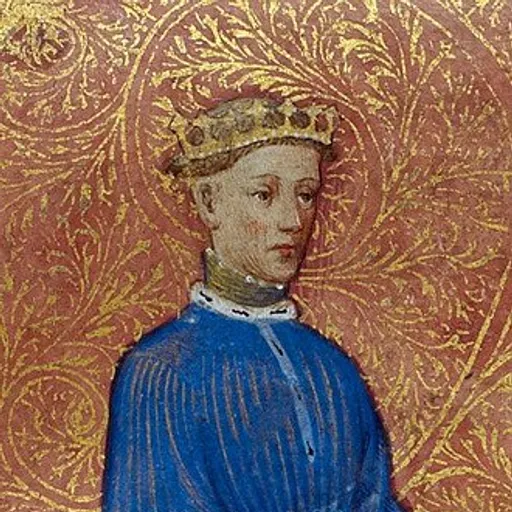
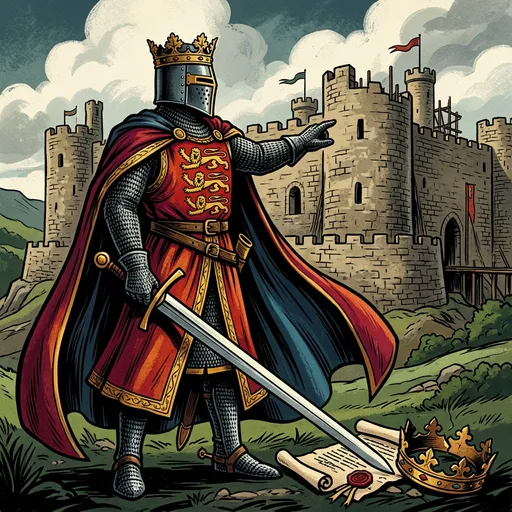
-3Henry V revived English claims in France and won the stunning victory at Agincourt that secured the Treaty of Troyes. His short reign demonstrated how focused military leadership could reshape dynastic fortunes. He earns inclusion for the lasting cultural memory of decisive battlefield command.
Reign (years): 9 yearsExpansion Rating: 7/10Legacy Rating: 7/10Military Rating: 9/10Reform Rating: 6/10
- Secured largest English holdings in France
- Demonstrated innovative battlefield tactics
- Created enduring national legend
- Died young leaving infant heir
- Gains reversed within decades
- Left England exhausted by war
added by Yourlist EditorialHenry V of England
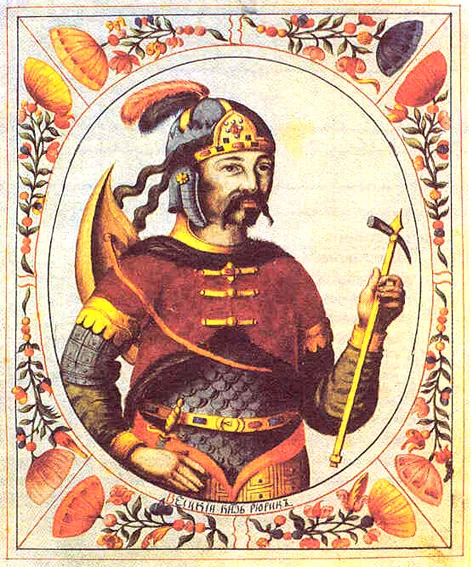
-4Rurik founded the Rurikid dynasty that ruled Russian lands for over seven centuries after arriving as a Varangian leader in Novgorod. His arrival marks the traditional beginning of Russian statehood. He earns ranking as the legendary founder whose lineage shaped Eastern European history.
Reign (years): 15 yearsExpansion Rating: 6/10Legacy Rating: 8/10Military Rating: 6/10Reform Rating: 5/10
- Founded dynasty that ruled for centuries
- Established Novgorod as power center
- Linked Norse and Slavic traditions
- Historical details remain sparse
- No lasting personal institutions
- Successors fought frequent civil wars
added by Yourlist EditorialRurik
-5James united the crowns of Scotland and England, sponsored the King James Bible, and advanced the idea of divine-right monarchy in writing. His reign bridged the Elizabethan and Stuart eras while planting seeds of colonial expansion. He earns ranking for creating the political and cultural framework of the British Isles.
Reign (years): 58 yearsExpansion Rating: 6/10Legacy Rating: 7/10Military Rating: 5/10Reform Rating: 7/10
- United Scottish and English crowns
- Authorized influential Bible translation
- Promoted early colonial ventures
- Parliamentary conflicts foreshadowed civil war
- Personal rule style created tensions
- Religious policies alienated Puritans
added by Yourlist EditorialJames VI and I
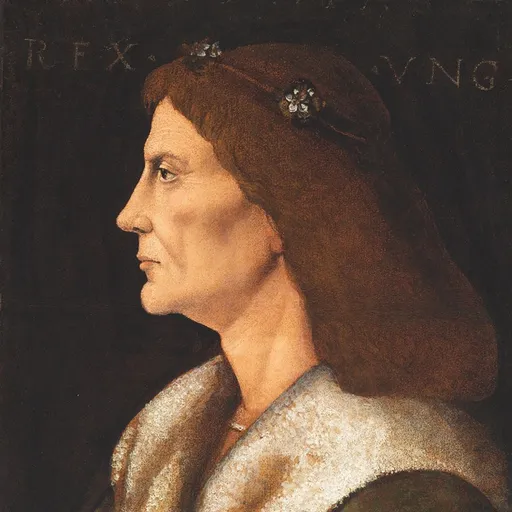
-6Matthias Corvinus built the Black Army, the first standing mercenary force in Europe, and expanded Hungarian territory while promoting Renaissance learning. His library and legal code made Hungary a cultural beacon. He earns ranking for showing how a Central European king could rival larger powers through military and cultural investment.
Reign (years): 32 yearsExpansion Rating: 7/10Legacy Rating: 7/10Military Rating: 8/10Reform Rating: 7/10
- Created first permanent standing army
- Promoted Renaissance culture in Hungary
- Expanded territory at Ottoman expense
- Army disbanded after death
- Territorial gains reversed quickly
- Heavy taxation caused noble unrest
added by Yourlist EditorialMatthias Corvinus
-10Edward I conquered Wales, attempted to subdue Scotland, and issued key legal reforms that shaped English common law. His Model Parliament of 1295 established broader representation. He earns a place for laying institutional foundations that outlasted his military campaigns.
Reign (years): 35 yearsExpansion Rating: 7/10Legacy Rating: 7/10Military Rating: 7/10Reform Rating: 8/10
- Conquered Wales and built lasting castles
- Strengthened English legal system
- Established parliamentary precedent
- Failed to conquer Scotland
- Expensive wars strained treasury
- Anti-Jewish policies damaged economy
added by Yourlist EditorialEdward I of England
-11John II fought the English at Poitiers, was captured, and later negotiated the Treaty of Brétigny that temporarily halted the Hundred Years' War. His captivity and ransom efforts highlighted the costs of medieval warfare. He earns inclusion for illustrating the limits of chivalric kingship in a changing world.
Reign (years): 15 yearsExpansion Rating: 5/10Legacy Rating: 6/10Military Rating: 6/10Reform Rating: 5/10
- Negotiated temporary peace with England
- Maintained royal dignity in captivity
- Attempted tax reforms
- Lost major battles and territory
- Ransom nearly bankrupted France
- Reign marked by internal instability
added by Yourlist EditorialJohn II of France
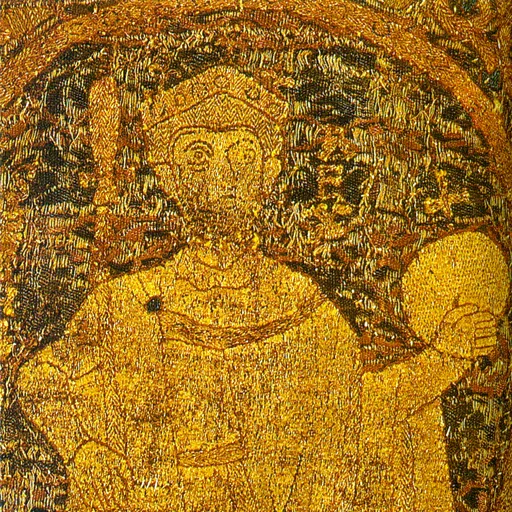
-12Stephen I converted Hungary to Christianity, received a crown from the Pope, and organized the kingdom into counties with written laws. His coronation in 1000 marks the birth of the Hungarian state. He earns a place for establishing the Christian kingdom that survived for centuries.
Reign (years): 42 yearsExpansion Rating: 6/10Legacy Rating: 8/10Military Rating: 6/10Reform Rating: 8/10
- Founded Christian Hungarian kingdom
- Created lasting county administrative system
- Received papal recognition
- Conversion met internal resistance
- Limited military expansion
- Succession disputes followed death
added by Yourlist EditorialStephen I of Hungary
-12Harald Bluetooth unified Denmark, completed the transition to Christianity, and built the famous Jelling stones that proclaimed his achievements. His reign marks the consolidation of the Danish kingdom. He earns inclusion for creating the political and religious framework of medieval Denmark.
Reign (years): 30 yearsExpansion Rating: 6/10Legacy Rating: 7/10Military Rating: 6/10Reform Rating: 7/10
- Unified Danish kingdom
- Completed Christianization
- Left lasting runestone records
- Lost control of Norway
- Limited long-term territorial gains
- Successors faced renewed fragmentation
added by Yourlist EditorialHarald Bluetooth
-12