Best story-driven games of all time
Video games have proven they can rival novels and films as vehicles for unforgettable storytelling, weaving together choice, character, and world-building in ways no other medium can match. From epic sagas that span decades to intimate tales that stay with you long after the credits roll, the debate over which game tells the best story is as passionate as it gets among fans. Now it's your turn to weigh in — cast your vote and help crown the greatest story-driven game of all time.
What counts: Seeded with approximate figures where shown — the crowd's votes decide the order.
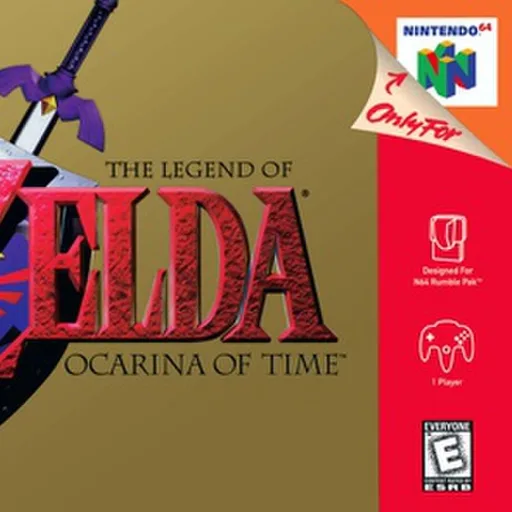
The Legend of Zelda: Ocarina of Time
The moment young Link pulls the Master Sword and wakes up seven years older into a Hyrule ruined by Ganondorf is the original gut-punch time skip, one that taught a generation of players that games could make you mourn a childhood. It codified the 3D action-adventure grammar—Z-targeting, dungeon-as-puzzle-box design—so thoroughly that everything from Dark Souls to Breath of the Wild still speaks its dialect. Decades on, it's the granite bedrock every 'best story in gaming' conversation still has to climb over.
Year: 1998Critic score: 9.9/10
added by Yourlist Editorialin 10 rankingsThe Legend of Zelda: Ocarina of Time
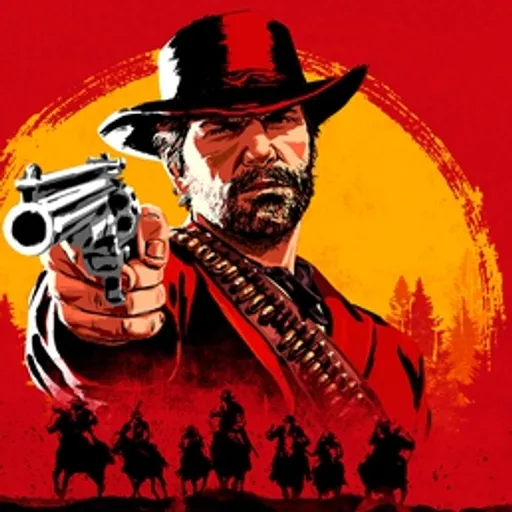
33Arthur Morgan spends sixty hours slowly realizing he's the villain of his own myth, and the moment his TB diagnosis lands, every ride through the mountains becomes elegy instead of adventure. Rockstar weaponizes its obscene production values not for spectacle but for intimacy—campfire small talk, a dying man settling debts—making the Old West's death feel personal rather than symbolic. It's the game that proved a AAA blockbuster could still end in genuine, unhurried tragedy without blinking.
Year: 2018Critic score: 9.7/10
added by Yourlist Editorialin 11 rankingsRed Dead Redemption 2
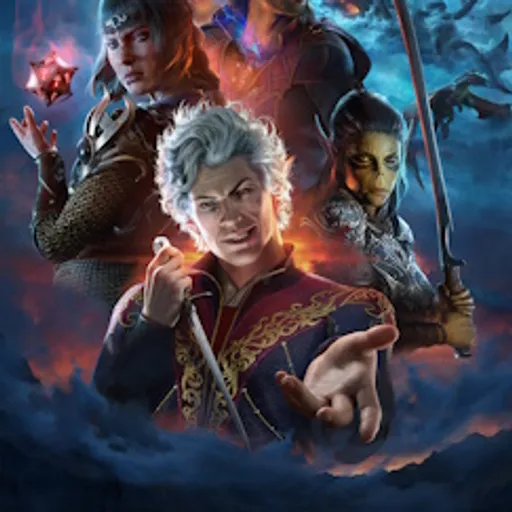
24A mind flayer tadpole in your skull becomes the engine for the most reactive story ever shipped, where saving a goblin camp, romancing a vampire spawn, or just shoving an NPC off a cliff all ripple forward for a hundred hours. Larian took D&D's promise of 'you can try anything' and actually built the systems to honor it, turning a niche CRPG revival into a genuine cultural moment. It belongs here because it's proof that player agency and authored narrative aren't opposites—they just require insane, obsessive craft to reconcile.
Year: 2023Critic score: 9.6/10
added by Yourlist Editorialin 9 rankingsBaldur's Gate 3
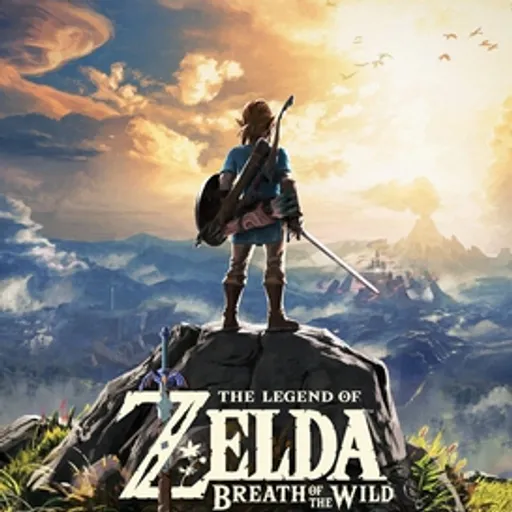
24The Legend of Zelda: Breath of the Wild
You wake with no memory atop the Great Plateau, look out at all of Hyrule, and the game simply says: go anywhere, right now, including straight to the final boss if you're brave enough. The story isn't told so much as excavated, in fragmented memories and ruins that turn a hundred years of failure and Zelda's quiet, guilt-ridden heroism into something you piece together yourself. It reinvented open-world storytelling by trusting players with absence instead of hand-holding, and the entire genre has been chasing that trust ever since.
Year: 2017Critic score: 9.7/10
added by Yourlist Editorialin 11 rankingsThe Legend of Zelda: Breath of the Wild
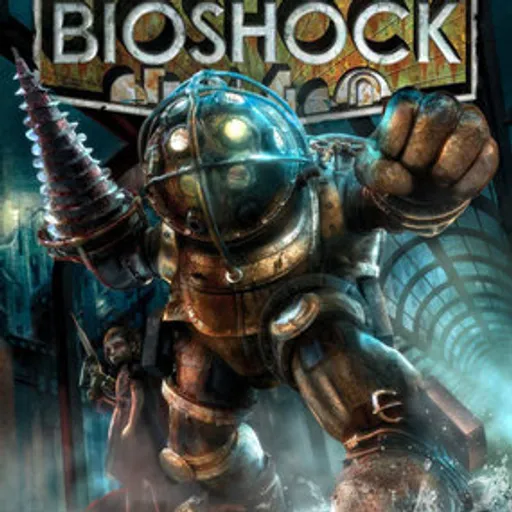
19'Would you kindly' turns out to be the two most devastating words in gaming, retroactively transforming every choice you thought you'd made in Rapture into someone else's puppetry, and suddenly the entire genre had to reckon with ludonarrative harmony as a design problem, not an accident. Andrew Ryan's objectivist utopia rotting into a splicer-infested nightmare gave games their sharpest political allegory yet, wrapped in Art Deco horror. It's here because it's the moment a shooter dared to indict the player instead of just entertaining them.
Year: 2007Critic score: 9.6/10
added by Yourlist Editorialin 9 rankingsBioShock
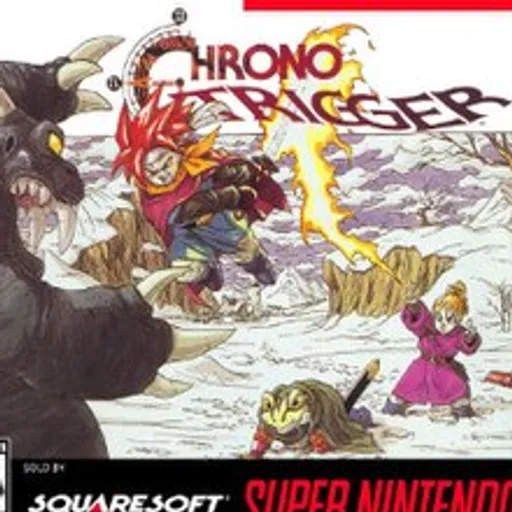
4The Millennial Fair opens like any ordinary RPG town, and then Crono bumps into Marle at a teleporter demo and gets flung across all of time, from a prehistoric jungle to a nightmarish apocalypse in 1999 AD. Its multiple endings and New Game+ structure made consequence and time itself the actual plot, not just flavor text, decades before that was fashionable. Trigger remains the platonic ideal of 16-bit storytelling: economical, emotionally direct, and somehow still the yardstick JRPGs measure themselves against.
Year: 1995Critic score: 9.6/10
added by Yourlist Editorialin 10 rankingsChrono Trigger
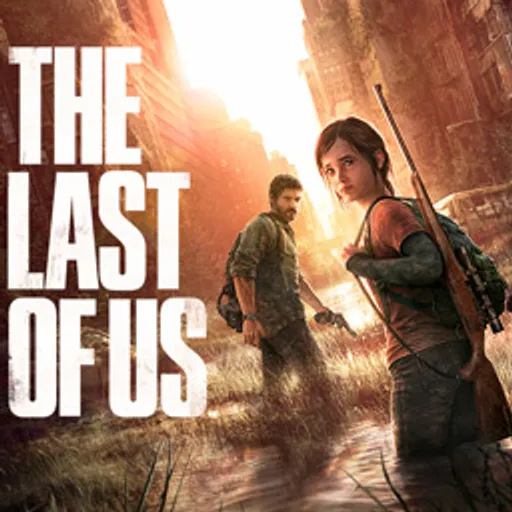
-5Joel's decision in the hospital—burning down humanity's last hope to save one girl he's chosen as his daughter—is the single most argued-about ending in modern games, precisely because it refuses to tell you he was right. Naughty Dog built a survival horror road trip so intimate that giraffes and Sarah's death and a rooftop conversation land harder than any zombie set piece. It's the game that made 'cinematic' mean earned silence and moral ambiguity instead of just better lighting.
Year: 2013Critic score: 9.5/10
added by Yourlist Editorialin 13 rankingsThe Last of Us
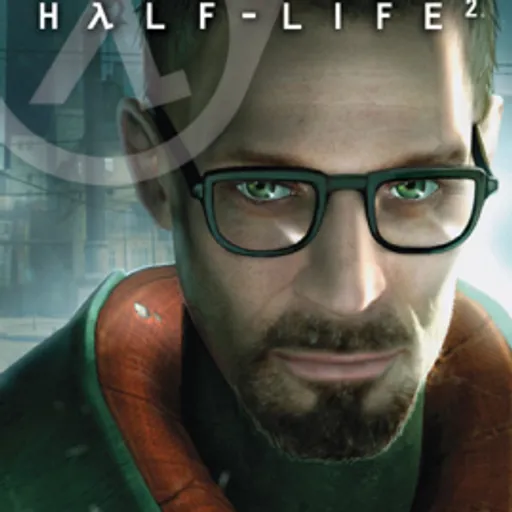
-10Gordon Freeman steps off a train into City 17's oppressive gray dystopia, and Half-Life 2 tells its entire story without a single cutscene—just Alyx Vance's face, Kleiner's lab, and the Combine's boot pressing down, all experienced in first-person real time. It proved environmental storytelling and silent-protagonist immersion could carry blockbuster weight, influencing everything from BioShock to The Last of Us. The crowbar-first, exposition-never approach still feels more radical than most games released since.
Year: 2004Critic score: 9.6/10
added by Yourlist Editorialin 8 rankingsHalf-Life 2
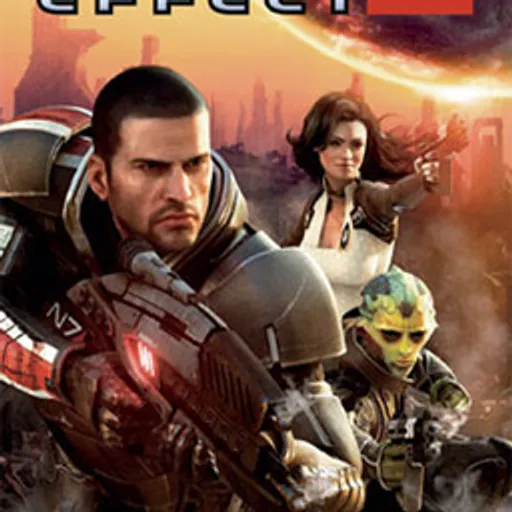
-11The suicide mission finale, where every loyalty mission and offhand conversation over sixty hours determines who lives or dies in the last twenty minutes, remains the high-water mark for choice-and-consequence design—no game before or since has made you feel the weight of your relationships crash down so mechanically and emotionally at once. Recruiting a ragtag crew of murderers, mercenaries, and geth to fly into certain death for humanity gave space opera real stakes. It earns its spot by proving that branching narrative could be rigorous system design, not just dialogue trees.
Year: 2010Critic score: 9.5/10
added by Yourlist Editorialin 9 rankingsMass Effect 2
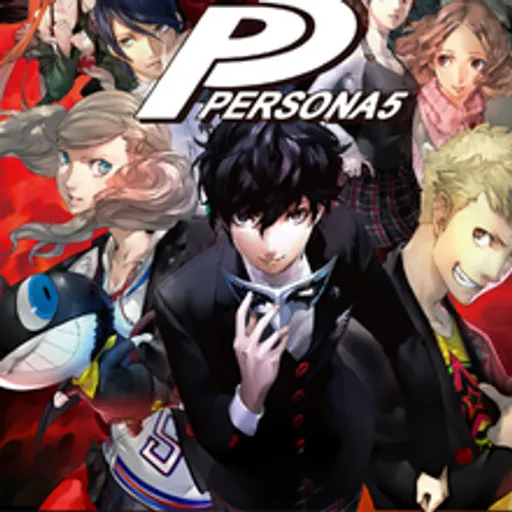
-12The Phantom Thieves steal corrupted adults' twisted hearts by literally invading their souls, turning teenage rebellion against a rotten society into a stylish, all-timer heist fantasy with a UI so sharp it should be in MoMA. Royal's added third semester and Maruki's seductive, grief-fueled false utopia deepen an already massive game into something that argues real growth requires accepting pain instead of erasing it. It's the definitive version of the JRPG that made 'social simulator meets dungeon crawler' feel like a completely new genre.
Year: 2020Critic score: 9.5/10
added by Yourlist Editorialin 5 rankingsPersona 5 Royal
-17