
Best TV finales ever
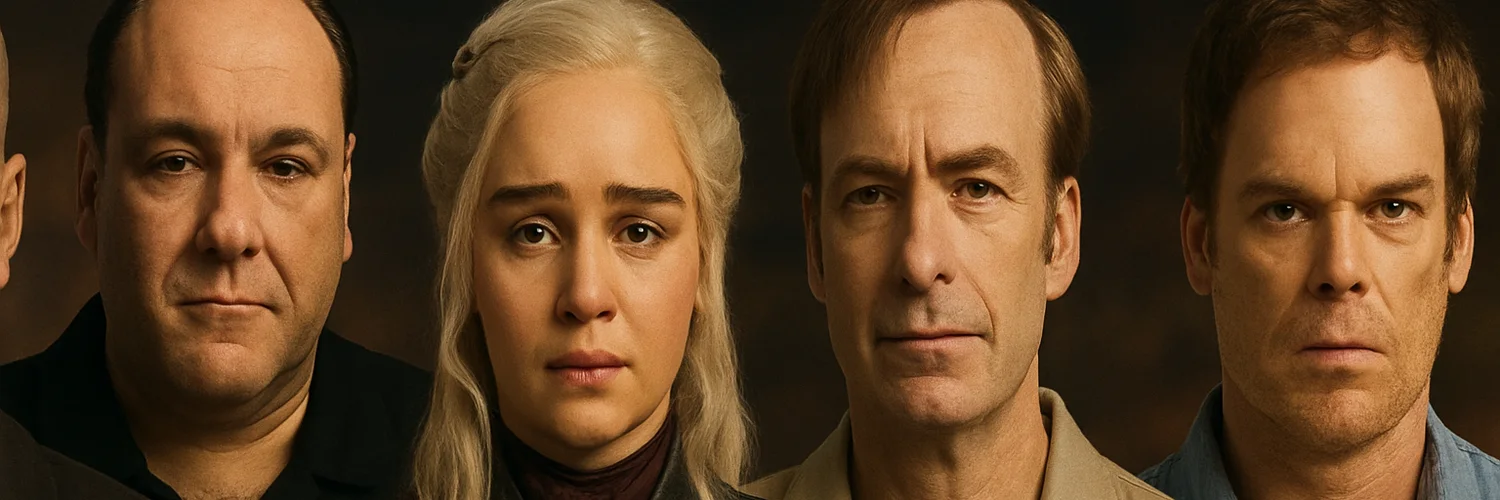
A great series finale can cement a show's legacy forever, while a botched one can taint even the most beloved story. From tearful goodbyes to shocking twists, the final episode is a showrunner's last chance to stick the landing and give fans the send-off they deserve. Which ending do you think nailed it best? Cast your vote and help crown the greatest TV finale of all time.
What counts: The crowd's votes decide the order — seeded neutral.
Walter White finally admits "I did it for me" to Skyler, stripping away every self-justification before rigging a machine gun, freeing Jesse, and bleeding out among the meth equipment he loved more than his family. It's the rare finale that answers every dangling thread with almost mathematical precision, giving villain and audience alike the exact ending they earned. The argument for its place at the top: few shows stuck the landing with this much narrative and emotional closure, tying a five-season bow without cheating.
added by Yourlist EditorialBreaking Bad
55Six Feet Under — Everyone's Waiting
Claire drives off to New York as Sia's "Breathe Me" swells, and Alan Ball delivers the boldest coda in TV history — flashing forward through decades to show exactly how, when, and where every Fisher dies. It's a finale that refuses sentimentality about death, the show's entire five-year subject, and instead makes peace with it by making it inevitable and strangely comforting. Nothing before or since has out-ended it; it's the gold standard for turning a series finale into a eulogy for the whole human project.
added by Yourlist EditorialSix Feet Under
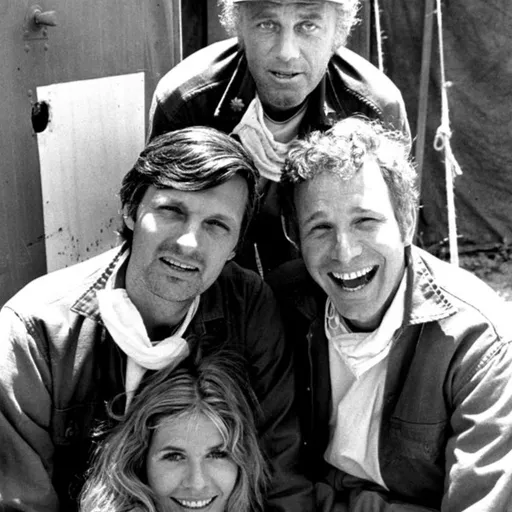
28Hawkeye's repressed memory of a mother smothering her baby to keep the enemy from hearing its cries reframes the entire series as trauma dressed up as comedy, before Radar's chopper spells out GOODBYE in stones as the camp disperses. Watched live by over 105 million people, it remains the most-watched scripted broadcast in U.S. history, a genuine cultural event. It belongs here for proving a finale could be both a ratings phenomenon and a legitimately dark meditation on the cost of war.
added by Yourlist Editorial
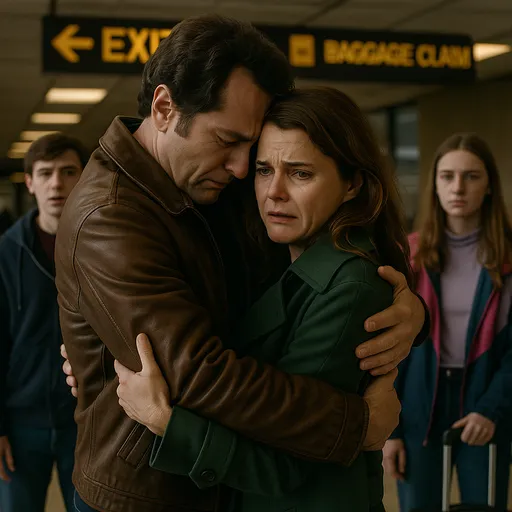
16Philip and Elizabeth abandon everything mid-flight, leaving Paige behind on a train platform and saying goodbye to Henry through a parking garage confession that lands like a gut punch precisely because it's so restrained. The genius is in what doesn't happen — no shootout, no arrest, just quiet devastation and Stan's anguished 'How could you do this to me?' The show spent six seasons earning a finale built on silence and compromise, and it's one of the few that trusts the audience enough to let the emotional wreckage speak for itself.
added by Yourlist EditorialThe Americans
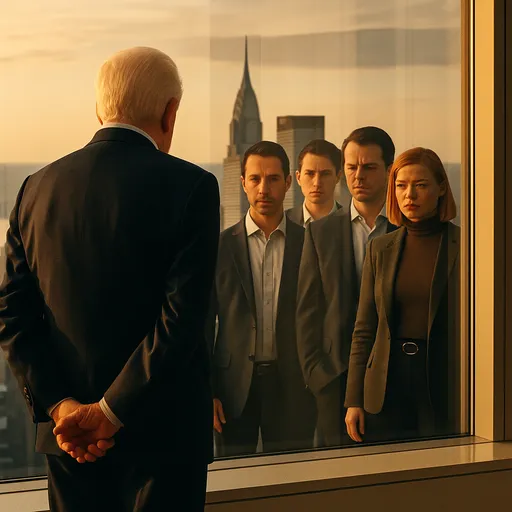
8Tom Wambsgans, the show's perpetual doormat, ends up running Waystar for Matsson while Kendall stares blankly at the Hudson River and Shiv's hand rests, unmoving, on his knee in the back of a car. The Roy siblings spend the whole episode reenacting every betrayal of the series in miniature, guaranteeing that none of them could ever win — only someone outside the bloodline could. It's a brutal, note-perfect thesis statement: power in this world always finds the person willing to feel nothing at all.
added by Yourlist EditorialSuccession
-3Jimmy McGill throws away his freedom in a courtroom to say Kim's name out loud and admit what he actually did to Chuck, choosing a decade in Montrose prison over one more escape as Saul Goodman. The black-and-white cigarette-lighter callback with Kim in the finale's closing frame is one of the show's quietest, most devastating images — two people who ruined each other, finding a sliver of truth too late. It earns its spot by doing something braver than its predecessor: letting its antihero actually be redeemed, not just punished.
added by Yourlist EditorialBetter Call Saul
-6McNulty stages his own fake serial killer's death for a wake he isn't even dead for, while the final montage shows the entire Baltimore machine simply reshuffling itself — new corner kids, new fake tough cops, new versions of Marlo and Carcetti already in motion. There's no catharsis, no villain punished, just David Simon's thesis made explicit: institutions eat individuals and nothing really changes. It belongs on this list precisely because it refuses the emotional payoff other finales chase, choosing bleak systemic truth over comfort.
added by Yourlist EditorialThe Wire
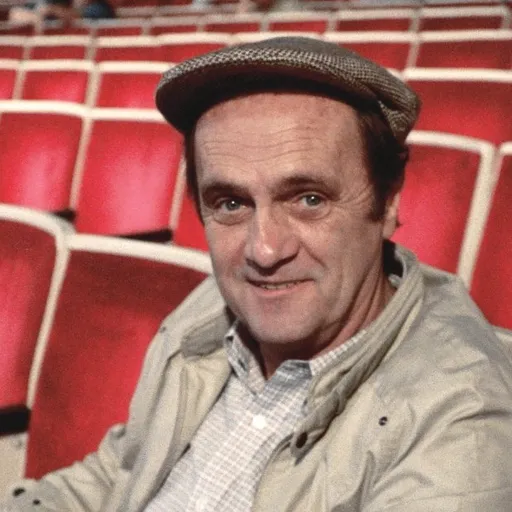
-13After eight seasons as Vermont innkeeper Dick Loudon, Bob Newhart wakes up in bed as Dr. Bob Hartley from his previous sitcom, turns to Suzanne Pleshette, and explains the entire show away as a bizarre dream — one of the greatest, most audacious swerves in TV history. It's pure meta-comedy joy, a finale that rewrites its own reality just to land one perfect joke, and the studio audience's gasp-then-roar is legendary. Its place here is earned by sheer audacity: no drama, no tears, just the funniest possible way to say goodbye.
added by Yourlist EditorialNewhart
-22