⚔️Best Warriors in History
Warriors who reshaped empires through battlefield command and strategic vision stand out across centuries. Their campaigns decided borders, cultures, and legacies that still echo today. Compare their records and vote for the greatest.
What counts: Best means scale of victories, tactical originality, and enduring historical effect. All figures are approximate.
From 334 BC he smashed the Persian Empire in three pitched battles and marched to India before age thirty. His phalanx-cavalry combined arms became the template for every later conqueror. No one matched the speed or breadth of his conquests.
Active Period: 336–323 BCMajor Battles: 15Conquest Scale: 5 million km²Strategy: 10/10Leadership: 9/10
- Lightning campaigns
- Combined-arms mastery
- Loyal veteran core
- Overextended supply lines
- Succession crisis on death
- Heavy reliance on personal bravery
added by Yourlist Editorialin 10 rankingsAlexander the Great
21Marched elephants over the Alps in 218 BC and crushed Roman armies at Trebia, Trasimene, and Cannae. His double-envelopment tactics are still studied at every military academy.
Active Period: 221–183 BCMajor Battles: 12Conquest Scale: None permanentStrategy: 10/10Leadership: 8/10
- Unmatched tactical genius
- Endurance in hostile territory
- Multicultural army cohesion
- No siege train for Rome
- Senate withheld reinforcements
- Final defeat at Zama
added by Yourlist Editorialin 4 rankingsHannibal
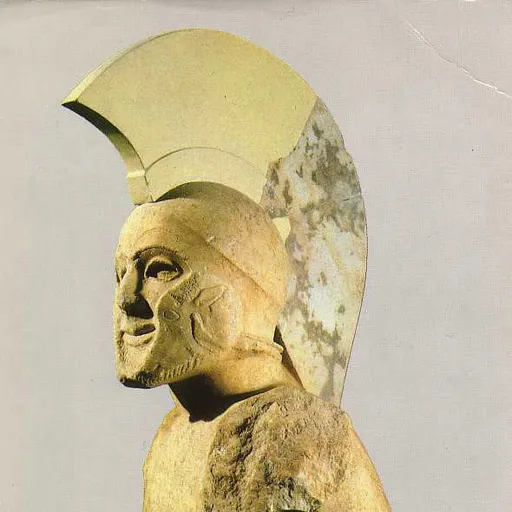
17Held the pass at Thermopylae in 480 BC with 300 Spartans and allies, delaying the Persian advance long enough for Greek city-states to organize. His stand became the archetype of sacrificial defense.
Active Period: 490–480 BCMajor Battles: 3Conquest Scale: NoneStrategy: 7/10Leadership: 10/10
- Disciplined phalanx
- Symbolic victory
- Delaying action success
- Small force
- Doomed position
- No strategic follow-up
added by Yourlist EditorialLeonidas I
15United Mongol tribes in 1206 and forged the largest contiguous empire ever seen. Composite-bow horse archers and rapid siege engineering crushed every army from China to Eastern Europe. His merit-based command system outclassed feudal rivals for generations.
Active Period: 1206–1227Major Battles: 20Conquest Scale: 24 million km²Strategy: 10/10Leadership: 10/10
- Merit promotion
- Psychological warfare
- Adaptable logistics
- Devastated civilian populations
- Relied on terror tactics
- Empire fragmented after death
added by Yourlist Editorialin 11 rankingsGenghis Khan
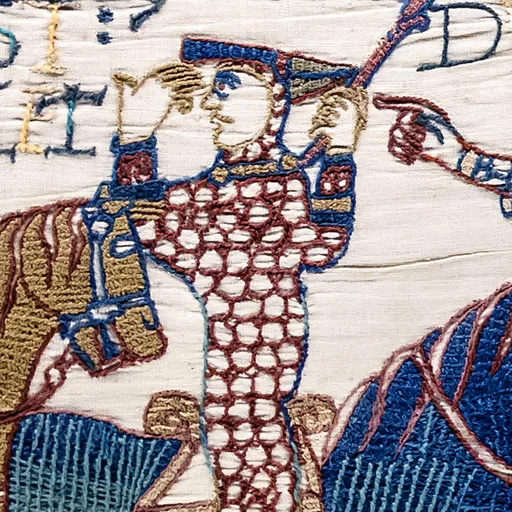
13Crossed the Channel in 1066 and won Hastings with combined archery and cavalry charges, then imposed Norman rule across England. His castle-building program secured lasting control.
Active Period: 1066–1087Major Battles: 5Conquest Scale: 100,000 km²Strategy: 8/10Leadership: 8/10
- Decisive single battle
- Castle network
- Administrative follow-through
- Small invasion force
- Rebellions continued
- Harsh land distribution
added by Yourlist Editorialin 4 rankingsWilliam the Conqueror
12Conquered Gaul in eight years with disciplined legions and innovative siege works, then crossed the Rubicon to end the Republic. His engineering feats at Alesia remain textbook examples of field fortification.
Active Period: 58–44 BCMajor Battles: 18Conquest Scale: 2 million km²Strategy: 9/10Leadership: 9/10
- Engineering excellence
- Political-military fusion
- Clear written doctrine
- Political enemies multiplied
- Heavy Roman casualties
- Vulnerable to assassination
added by Yourlist Editorialin 9 rankingsJulius Caesar
11Napoleon Bonaparte
Revolutionized European warfare with corps organization and rapid marches, winning Austerlitz and Jena before the disastrous Russian campaign. His artillery doctrine and staff system shaped 19th-century armies.
Active Period: 1796–1815Major Battles: 60Conquest Scale: 3 million km²Strategy: 9/10Leadership: 8/10
- Corps system
- Artillery focus
- Merit-based officer corps
- Overreliance on conscripts
- Naval weakness
- Strategic overreach in Russia
added by Yourlist Editorialin 10 rankings
10Undefeated in over 40 battles, he conquered Mesopotamia and Syria for the early Caliphate in four years. His night marches and sudden flank attacks repeatedly broke larger Byzantine and Persian forces.
Active Period: 629–638Major Battles: 40Conquest Scale: 1 million km²Strategy: 9/10Leadership: 9/10
- Zero recorded defeats
- Rapid desert mobility
- Religious motivation
- Short career span
- Later sidelined politically
- Limited siege experience
added by Yourlist Editorialin 2 rankingsKhalid ibn al-Walid
8Genghis Khan’s chief general planned and executed campaigns across 20 nations, defeating European knights at Legnica and the Hungarians at Mohi in the same year. His use of reconnaissance and feigned retreats set the standard for mobile warfare.
Active Period: 1210–1248Major Battles: 30Conquest Scale: 15 million km²Strategy: 10/10Leadership: 9/10
- Operational reach
- Intelligence networks
- Minimal losses
- Little political power
- Dependent on khan authority
- Records limited to enemy accounts
added by Yourlist EditorialSubutai
6Recaptured Jerusalem in 1187 and defeated Crusader armies at Hattin using disciplined heavy cavalry and supply control. His chivalric reputation and unified Ayyubid state reshaped the Levant.
Active Period: 1174–1193Major Battles: 12Conquest Scale: 1 million km²Strategy: 8/10Leadership: 9/10
- Unified Muslim front
- Fortress strategy
- Diplomatic skill
- Failed to retake all Crusader states
- Succession disputes
- Heavy reliance on personal prestige
added by Yourlist Editorialin 4 rankingsSaladin
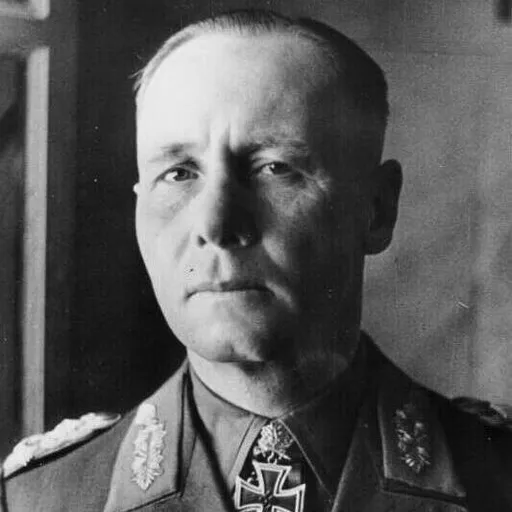
5Earned the nickname Desert Fox for rapid maneuvers that nearly captured Tobruk and threatened Egypt in 1941-42. His defensive Atlantic Wall preparations and mobile tactics influenced postwar NATO doctrine.
Active Period: 1940–1944Major Battles: 15Conquest Scale: None permanentStrategy: 9/10Leadership: 8/10
- Desert mobility
- Defensive innovation
- Troop morale
- Fuel shortages
- Hitler interference
- No strategic reserves
added by Yourlist Editorialin 2 rankingsErwin Rommel
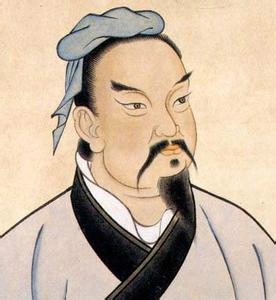
5Authored the Art of War while commanding Wu forces to repeated victories over Chu, emphasizing deception and positioning over brute force. His principles guided Chinese and later global military thought.
Active Period: c. 500 BCMajor Battles: 10Conquest Scale: RegionalStrategy: 10/10Leadership: 8/10
- Deception doctrine
- Psychological warfare
- Minimal resource use
- Sparse biographical detail
- Limited territorial gains
- Primarily theoretical
added by Yourlist Editorialin 4 rankingsSun Tzu
4Richard the Lionheart
Led the Third Crusade to victory at Arsuf and Jaffa, demonstrating disciplined infantry against mounted archers. His personal leadership under arrow fire became legendary across Europe and the Levant.
Active Period: 1189–1199Major Battles: 8Conquest Scale: None permanentStrategy: 8/10Leadership: 9/10
- Personal courage
- Crusader coalition command
- Fortification builder
- High ransom costs
- Neglected English governance
- Limited long-term gains
added by Yourlist Editorialin 2 rankings
3Attila the Hun
United Hunnic tribes and extracted tribute from both Eastern and Western Roman Empires through rapid horse-archer raids. His 451 invasion of Gaul forced a rare Roman-Visigoth alliance.
Active Period: 434–453Major Battles: 15Conquest Scale: None permanentStrategy: 7/10Leadership: 8/10
- Mobility advantage
- Diplomatic extortion
- Unified nomadic tribes
- No siege capability
- Short-lived empire
- Defeat at Catalaunian Plains
added by Yourlist Editorialin 4 rankings
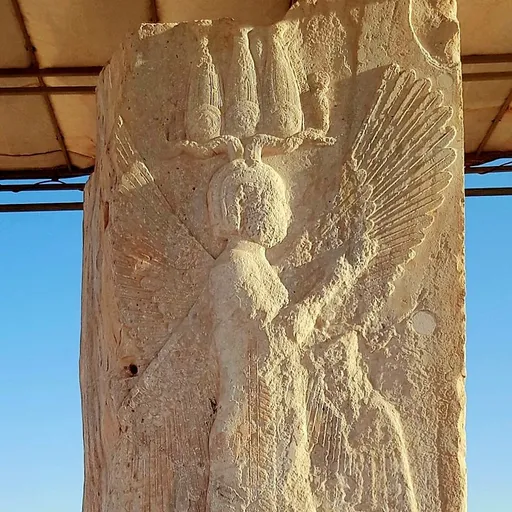
1Founded the Achaemenid Empire by conquering Media, Lydia, and Babylon with disciplined heavy infantry and cavalry. His policy of local autonomy and road networks created the first multinational empire.
Active Period: 559–530 BCMajor Battles: 12Conquest Scale: 5 million km²Strategy: 8/10Leadership: 9/10
- Tolerance policy
- Road infrastructure
- Multicultural army
- Sparse battle records
- Death in minor campaign
- Succession instability
added by Yourlist Editorialin 5 rankingsCyrus the Great
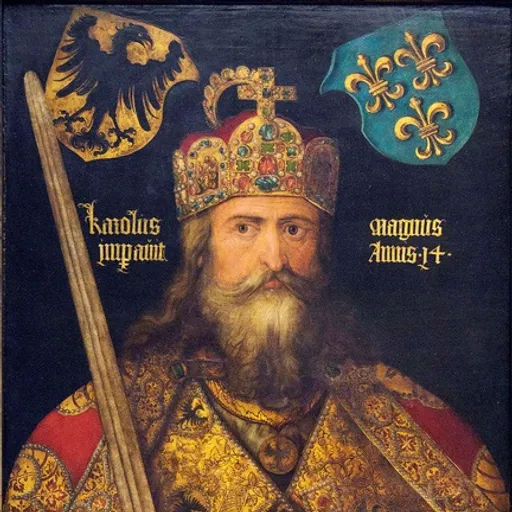
0Unified much of Western Europe through annual campaigns against Saxons, Lombards, and Avars, creating the Carolingian Empire. His mobile cavalry and fortified frontier system endured for centuries.
Active Period: 768–814Major Battles: 50Conquest Scale: 1 million km²Strategy: 8/10Leadership: 9/10
- Annual campaigning
- Christian alliance network
- Educational reforms
- Decentralized command
- Heavy reliance on personal presence
- Succession divided empire
added by Yourlist Editorialin 6 rankingsCharlemagne
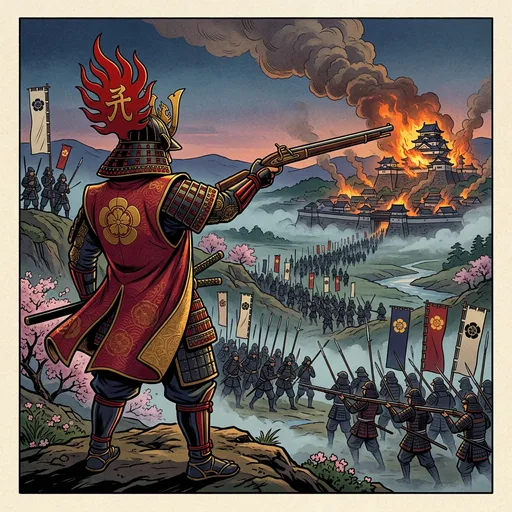
-1Introduced arquebus volley fire at Nagashino in 1575 and ended the Sengoku chaos by conquering central Japan. His castle networks and supply reforms modernized Japanese warfare.
Active Period: 1551–1582Major Battles: 25Conquest Scale: Half of JapanStrategy: 9/10Leadership: 8/10
- Firearm integration
- Castle logistics
- Rapid unification
- Assassinated at peak
- Ruthless reputation
- Incomplete conquest
added by Yourlist Editorialin 2 rankingsOda Nobunaga
-2Won over 60 duels and survived the Battle of Sekigahara, later codifying two-sword Niten Ichi-ryu. His undefeated record and strategic writings influenced samurai training for centuries.
Active Period: 1597–1645Major Battles: 60Conquest Scale: NoneStrategy: 9/10Leadership: 7/10
- Duel mastery
- Adaptive technique
- Written legacy
- No large-scale command
- Rōnin status
- Limited political impact
added by Yourlist Editorialin 2 rankingsMiyamoto Musashi
-4Tamerlane
Rebuilt the Mongol empire model in the late 14th century with devastating campaigns from Delhi to Ankara. His pyramid-of-skulls terror and engineer corps produced unmatched short-term conquests.
Active Period: 1370–1405Major Battles: 20Conquest Scale: 5 million km²Strategy: 8/10Leadership: 8/10
- Siege expertise
- Terror as weapon
- Multi-front campaigns
- Mass civilian slaughter
- No lasting institutions
- Empire collapsed quickly
added by Yourlist Editorialin 3 rankings
-4Led 70,000 escaped gladiators and slaves against Roman legions for two years, defeating multiple praetorian armies before defeat at the Silarus. His guerrilla tactics exposed Roman vulnerabilities.
Active Period: 73–71 BCMajor Battles: 6Conquest Scale: NoneStrategy: 7/10Leadership: 8/10
- Rapid army growth
- Hit-and-run tactics
- Symbolic resistance
- No naval escape
- Internal divisions
- Crushed by Crassus
added by Yourlist EditorialSpartacus
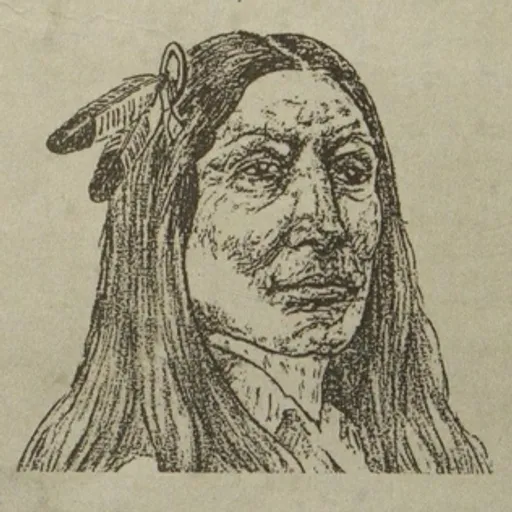
-7Led Lakota and Cheyenne warriors to victory at Little Bighorn in 1876, using terrain and coordinated charges to annihilate Custer’s command. His hit-and-run defense delayed U.S. expansion for years.
Active Period: 1865–1877Major Battles: 10Conquest Scale: NoneStrategy: 8/10Leadership: 8/10
- Terrain mastery
- Coalition leadership
- Decisive ambush
- No written records
- Ultimately surrendered
- Limited long-term gains
added by Yourlist EditorialCrazy Horse
-9Reformed Zulu warfare with the short stabbing spear and encirclement tactics, creating a centralized kingdom that dominated southern Africa by 1820. His age-grade regiments professionalized tribal combat.
Active Period: 1816–1828Major Battles: 20Conquest Scale: 200,000 km²Strategy: 8/10Leadership: 8/10
- Innovative weapons
- Regimental discipline
- Rapid expansion
- Brutal internal purges
- Overreliance on expansion
- Assassinated by rivals
added by Yourlist EditorialShaka Zulu
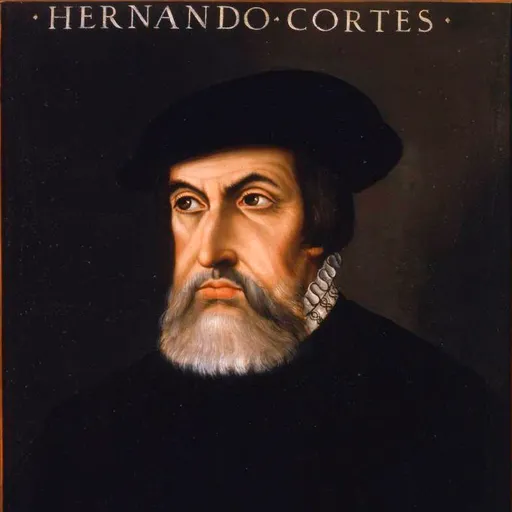
-10With 500 men and native allies he toppled the Aztec Empire in two years through siege, diplomacy, and smallpox exploitation. His capture of Tenochtitlán demonstrated combined European and indigenous warfare.
Active Period: 1519–1521Major Battles: 8Conquest Scale: 2 million km²Strategy: 8/10Leadership: 8/10
- Alliance building
- Siege engineering
- Adaptability
- Dependent on native allies
- Disease luck factor
- Later political disgrace
added by Yourlist Editorialin 2 rankingsHernán Cortés
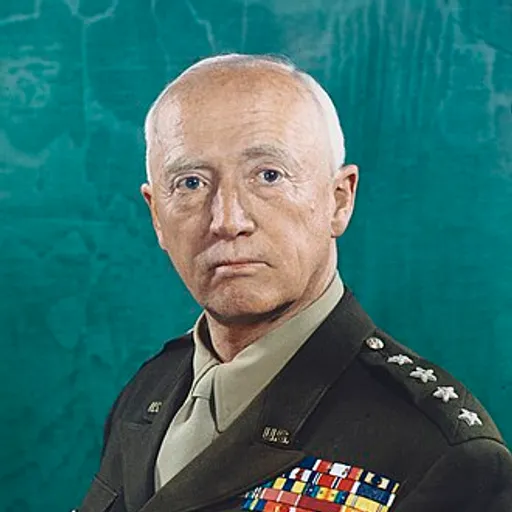
-10Led Third Army across France in 1944 with unmatched armored mobility, relieving Bastogne during the Battle of the Bulge. His emphasis on speed and aggressive reconnaissance defined modern mechanized doctrine.
Active Period: 1942–1945Major Battles: 10Conquest Scale: None territorialStrategy: 8/10Leadership: 9/10
- Armored speed
- Logistics focus
- Personal example
- Controversial public statements
- Limited infantry integration
- Short campaign window
added by Yourlist Editorialin 2 rankingsGeorge S. Patton
-11Lifted the Siege of Orléans in 1429 and led French forces to victory at Patay, turning the Hundred Years’ War. Her inspirational leadership and tactical use of artillery broke English dominance.
Active Period: 1429–1431Major Battles: 5Conquest Scale: NoneStrategy: 7/10Leadership: 9/10
- Morale catalyst
- Artillery coordination
- Rapid campaign
- Captured and executed
- Limited formal training
- Short active period
added by Yourlist Editorialin 3 rankingsJoan of Arc
-16