Greatest engineering feats before 1900
Long before modern machinery and computers, human ingenuity produced structures and systems that still inspire awe today—massive bridges, towering monuments, and sprawling networks that defied the limitations of their era. These achievements not only solved practical problems but pushed the boundaries of what was thought possible, laying the groundwork for modern engineering. Which pre-1900 feat do you think deserves the top spot? Cast your vote and help settle the debate!
What counts: Seeded with approximate figures where shown — the crowd's votes decide the order.
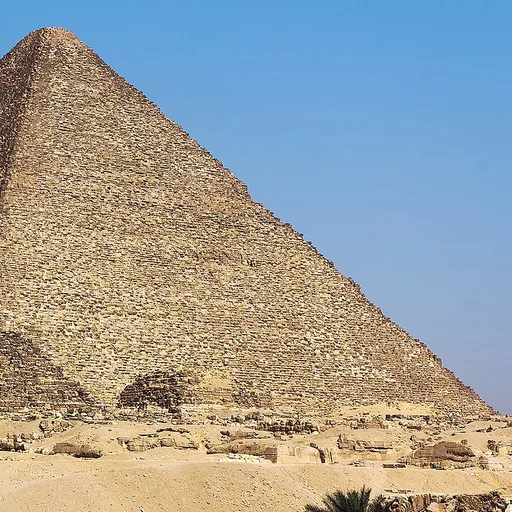
Around 2560 BC, tens of thousands of laborers stacked 2.3 million stone blocks into a 481-foot monument so precise its base is level to within a few centimeters. It stood as the tallest man-made structure on Earth for nearly 3,800 years, a record no other entry here comes close to touching. If longevity and sheer audacity of ambition are the measure of engineering greatness, nothing else even enters the conversation.
Era: 2560 BC
added by Yourlist Editorialin 5 rankingsGreat Pyramid of Giza
48Roman aqueducts
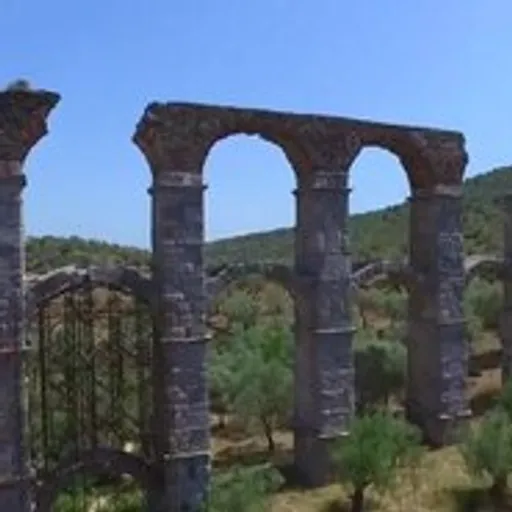
The Aqua Appia in 312 BC kicked off a network that eventually stretched over 250 miles into Rome alone, delivering water via gravity-fed channels so exact that some maintained a slope of just a few inches per mile across dozens of miles. Cities across the empire suddenly had public baths, fountains, and sewers, engineering urban sanitation centuries before germ theory even existed. Some Roman aqueduct bridges, like the Pont du Gard, still stand and could arguably carry water today.
Era: Ancient
added by Yourlist Editorialin 3 rankings
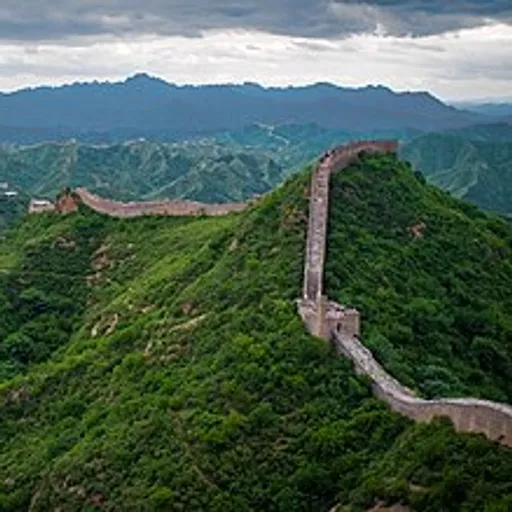
38Stitched together over centuries by successive dynasties, the wall's Ming-era stone-and-brick sections alone run about 5,500 miles, snaking over mountains and deserts where laying a single brick required hauling materials by hand or goat. It was less a single wall than an empire-spanning defense system of watchtowers, garrisons, and signal fires meant to control trade and repel invasion. Its scale of labor and geographic reach make it one of the most staggering acts of collective will in human history.
Era: Ancient
added by Yourlist Editorialin 4 rankingsGreat Wall of China
22Completed in 1883 after 14 years, the loss of at least 20 workers, and the caisson disease that crippled its chief engineer Washington Roebling, the bridge was the first to use steel suspension cables at massive scale, spanning 1,595 feet over the East River. It fused Gothic stone towers with modern steel wire in a way that turned an engineering necessity into an enduring symbol of American ambition. It proved steel suspension bridges could work at unprecedented lengths, setting the template for every great suspension bridge after it.
Era: 1883
added by Yourlist Editorialin 2 rankingsBrooklyn Bridge
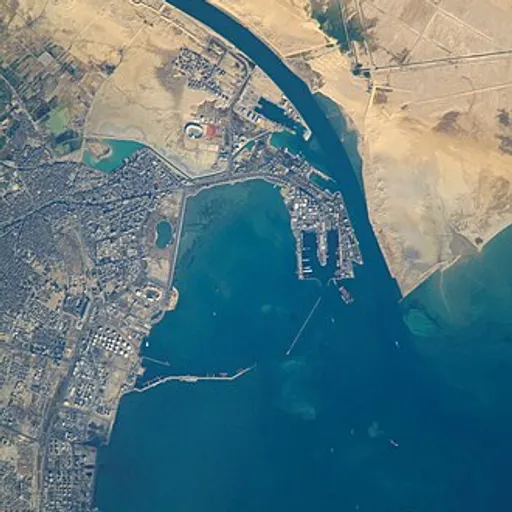
3Opened in 1869 after a decade of digging through 120 miles of desert, the canal eliminated the need to sail around Africa, slashing the journey between Europe and Asia by thousands of miles overnight. It reshaped global trade routes and geopolitics so thoroughly that nations went to war over control of it decades later. Few engineering projects have ever rewritten the map of world commerce this directly.
Era: 1869
added by Yourlist EditorialSuez Canal
-2Built in a stunningly fast five years starting in 532 AD under Justinian, its 105-foot dome seemed to float on a ring of windows, a feat of load distribution so bold that Byzantine engineers pushed masonry physics to its breaking point (it did partially collapse once, in 558). For nearly a thousand years it was the largest cathedral in the world, and its dome techniques influenced mosque and church architecture for centuries after. It's proof that pre-modern builders understood structural mechanics far better than we often give them credit for.
Era: 537
added by Yourlist Editorialin 3 rankingsHagia Sophia
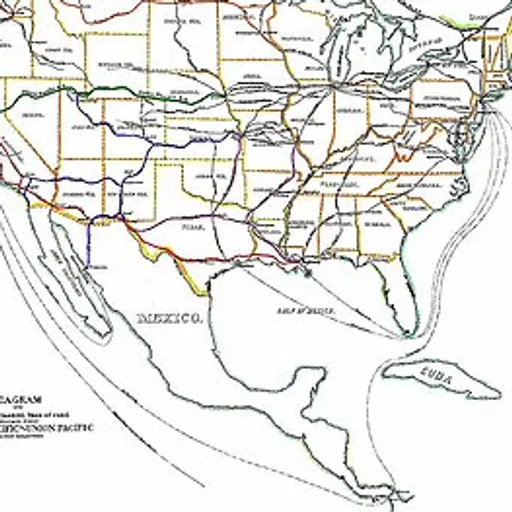
-9Finished with the golden spike at Promontory Summit in 1869, it stitched a continent together by having Chinese and Irish immigrant crews blast through the Sierra Nevada and lay track across brutal plains, often at a pace of miles per day under lethal conditions. A cross-country trip that once took months by wagon shrank to about a week. It's the engineering feat that turned the American frontier into an actual connected nation.
Era: 1869
added by Yourlist Editorialtranscontinental railroad
-11Built for the 1889 World's Fair in just over two years, Gustave Eiffel's 984-foot lattice of wrought iron was, at the time, more than twice as tall as any structure on the planet and was assembled from 18,000 pieces using only rivets, no welding. Parisians hated it as an eyesore before it became the very symbol of the city and a proof-of-concept for the skyscraper age's obsession with height. It's the engineering feat that made iron-frame construction glamorous rather than merely functional.
Era: 1889
added by Yourlist Editorialin 2 rankingsEiffel Tower
-20