Greatest Engineering Feats of the Ancient World
From pyramids to aqueducts, which ancient structure represents humanity's most impressive triumph of engineering? Vote and rank them by sheer audacity, durability, and ingenuity.
What counts: Best' weighs technical difficulty for the era, scale of ambition, durability across millennia, and lasting influence on engineering. All dates, dimensions, and figures are approximate and drawn from the best available archaeological estimates — precise records rarely survive.
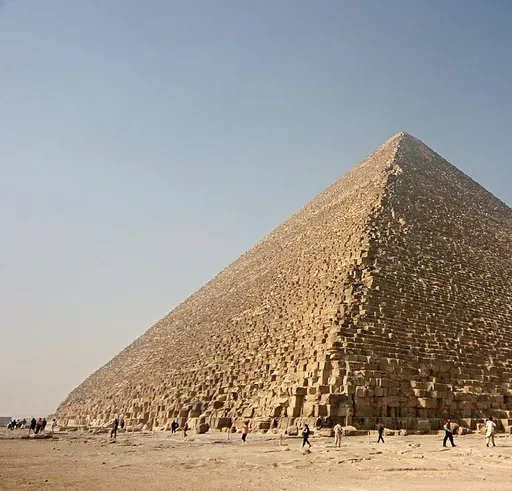
Built as Pharaoh Khufu's tomb, it stood as the tallest human-made structure on Earth for nearly 3,800 years — a record no other ancient site touches. Its precision alignment to true north and the sheer logistics of moving 2.3 million stone blocks without modern tools remain a ben
Era Built: c. 2560 BCEScale / Key Dimension: 146 m original height, 2.3 million blocksSurvives Today: ✓Engineering Ingenuity: 10/10
added by Yourlist Editorialin 5 rankingsGreat Pyramid of Giza
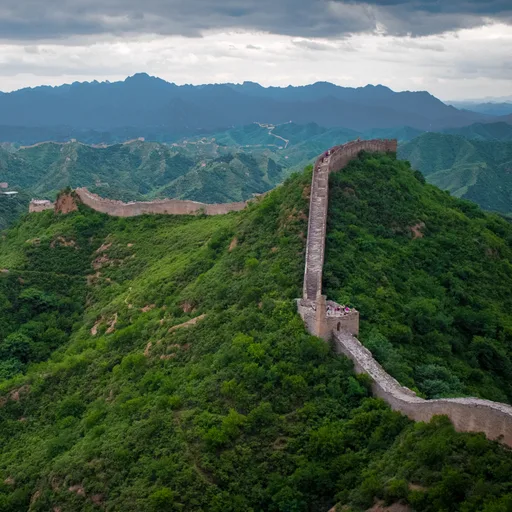
0Stitched together over two millennia by successive dynasties, it's less a single wall than the largest defensive engineering project in history, snaking across deserts and mountains. The Ming-era stone sections we recognize today show a level of standardized construction and logi
Era Built: 7th century BCE – 17th century CE (Ming sections c. 1368-1644)Scale / Key Dimension: ~21,000 km total length across all dynastiesSurvives Today: ✓Engineering Ingenuity: 9.5/10
added by Yourlist Editorialin 4 rankingsGreat Wall of China
0Roman Aqueducts
Rome's eleven aqueducts delivered a staggering volume of fresh water across hundreds of kilometers using nothing but gravity and a precisely calculated downward gradient. Structures like the Pont du Gard show the Romans mastering hydraulic engineering at a scale unmatched until t
Era Built: c. 312 BCE – 2nd century CEScale / Key Dimension: 11 aqueducts feeding Rome, some spanning 90+ kmSurvives Today: ✓Engineering Ingenuity: 9/10
added by Yourlist Editorialin 3 rankings
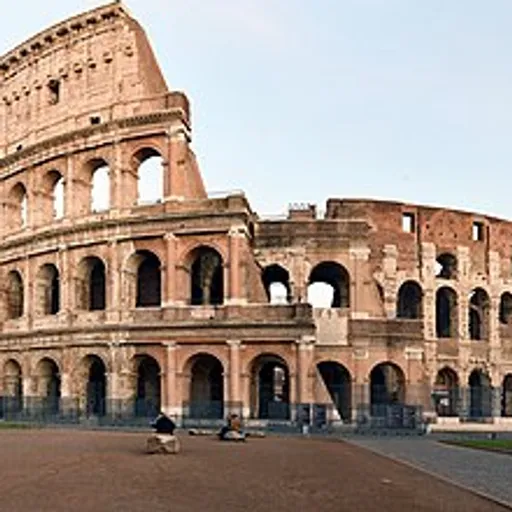
0An 80-arch amphitheater that could seat 50,000 spectators and empty them in minutes through an ingenious vaulted corridor system — the ancestor of every modern stadium's design. Its hypogeum of trapdoors, elevators, and animal lifts beneath the arena floor was pure theatrical eng
Era Built: 70–80 CEScale / Key Dimension: 48 m tall, ~50,000 seat capacitySurvives Today: ✓Engineering Ingenuity: 8.5/10
added by Yourlist Editorialin 4 rankingsColosseum
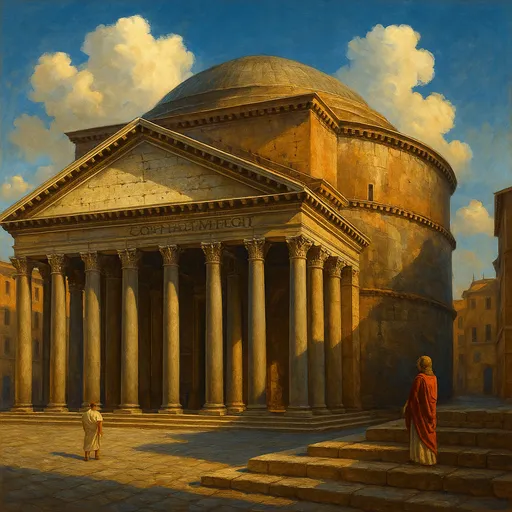
0Nearly 1,900 years after construction, it still holds the record for the world's largest unreinforced concrete dome, a feat modern engineers still study. The Romans lightened the dome with coffers and graded concrete density, a solution so elegant it wasn't surpassed for over a m
Era Built: c. 113–125 CEScale / Key Dimension: 43.3 m dome diameterSurvives Today: ✓Engineering Ingenuity: 9/10
added by Yourlist EditorialPantheon
0The Nabataeans carved an entire city — temples, tombs, theaters — directly into rose-colored sandstone cliffs, complete with a sophisticated water-channel system that turned a desert canyon into a thriving trade capital. The Treasury facade alone is a masterclass in monumental ro
Era Built: c. 4th century BCE – 1st century CEScale / Key Dimension: Treasury facade ~40 m tall, full rock-cut citySurvives Today: ✓Engineering Ingenuity: 8/10
added by Yourlist Editorialin 7 rankingsPetra
0Roman Road Network
At its height the network stretched roughly 400,000 km, engineered with layered foundations, drainage, and camber that kept legions and trade moving in nearly all weather. Many surviving stretches are still walkable today, a durability test few modern roads could pass.
Era Built: c. 500 BCE – 200 CEScale / Key Dimension: ~400,000 km network at peakSurvives Today: ✓Engineering Ingenuity: 8.5/10
added by Yourlist Editorial
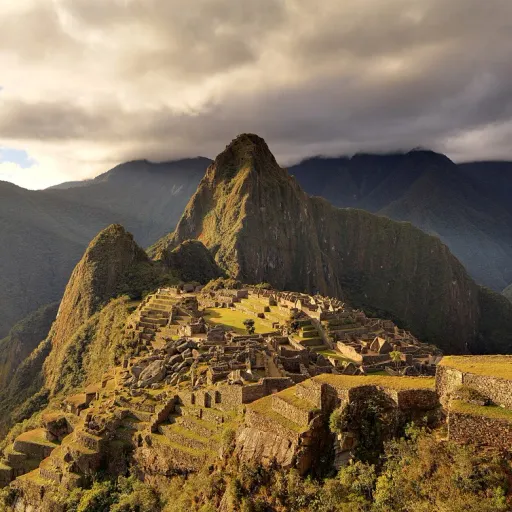
0Perched at 2,430 meters, the Inca built this royal estate using dry-stone masonry so precise that mortarless walls have survived earthquakes for over 500 years. Its terracing and drainage systems show an intimate, almost obsessive understanding of the mountain it sits on.
Era Built: c. 1450 CEScale / Key Dimension: 2,430 m elevation, dry-stone constructionSurvives Today: ✓Engineering Ingenuity: 8/10
added by Yourlist Editorialin 6 rankingsMachu Picchu
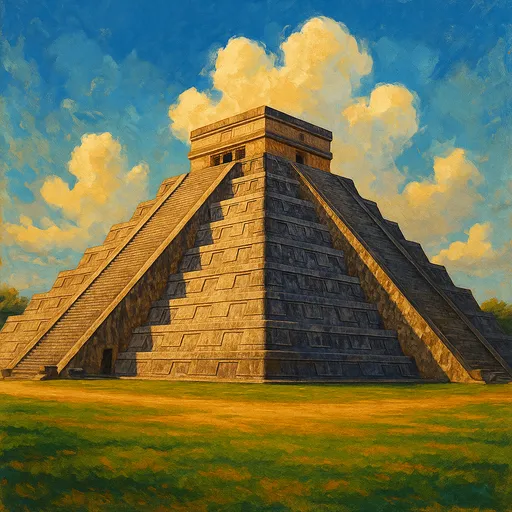
0The Maya built a pyramid that doubles as an astronomical instrument — twice a year, the setting sun casts a shadow resembling a serpent slithering down the staircase. Its 365 steps encode the solar calendar directly into the architecture.
Era Built: c. 600–1200 CEScale / Key Dimension: 30 m pyramid, 365 total stepsSurvives Today: ✓Engineering Ingenuity: 7.5/10
added by Yourlist EditorialChichen Itza
0The largest religious monument ever built, its moat and reservoir system reveal the Khmer Empire's mastery of hydraulic engineering to support a city of a million people. The temple's sandstone bas-reliefs stretch for kilometers, an artistic and structural achievement in one.
Era Built: early 12th century CEScale / Key Dimension: 162 hectare temple complexSurvives Today: ✓Engineering Ingenuity: 8.5/10
added by Yourlist Editorialin 3 rankingsAngkor Wat
0Byzantine engineers achieved a dome that appears to float on light thanks to a ring of windows at its base, solving structural problems that had stumped architects for centuries. It remained the world's largest cathedral for nearly a thousand years.
Era Built: 537 CEScale / Key Dimension: 55.6 m dome height, 31 m diameterSurvives Today: ✓Engineering Ingenuity: 9/10
added by Yourlist Editorialin 3 rankingsHagia Sophia
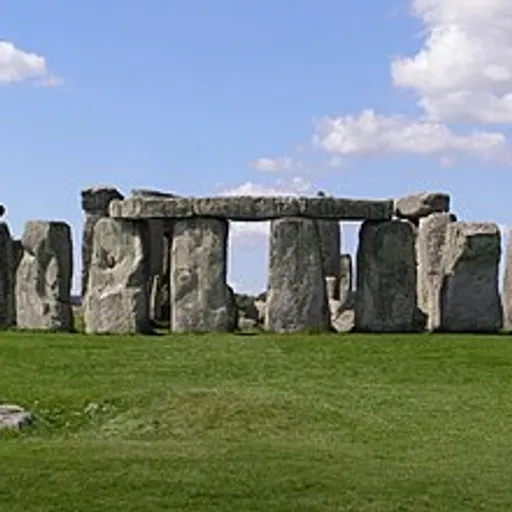
0Neolithic builders transported sarsen stones weighing up to 30 tons from miles away and aligned the whole monument to the solstice sunrise — without metal tools or the wheel in Britain yet. The mystery of exactly how they moved and erected the stones still fuels debate.
Era Built: c. 3000–2000 BCEScale / Key Dimension: sarsen stones up to 30 tonsSurvives Today: ✓Engineering Ingenuity: 7/10
added by Yourlist Editorialin 2 rankingsStonehenge
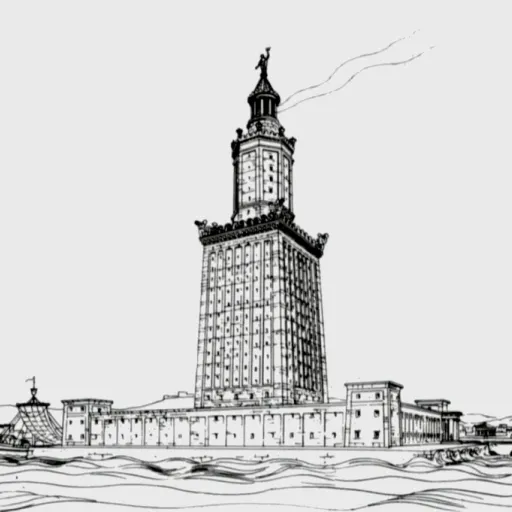
0One of the Seven Wonders, this legendary structure is believed to have stood over 100 meters tall and guided ships into harbor for over 1,500 years before earthquakes finally toppled it. Its lost design reportedly used mirrors to reflect sunlight and fire across the Mediterranean
Era Built: c. 280 BCEScale / Key Dimension: estimated 100+ m tallSurvives Today: —Engineering Ingenuity: 8/10
added by Yourlist Editorialin 2 rankingsLighthouse of Alexandria
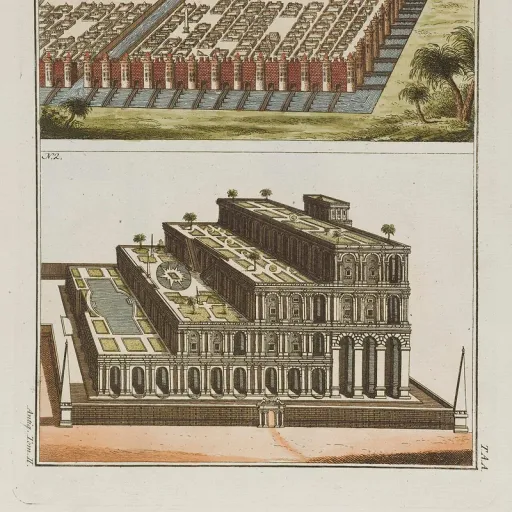
0Described by ancient historians as a lush terraced paradise irrigated by an ingenious screw-pump system, its very existence remains debated by scholars today. Whether myth or real, its legend has represented the pinnacle of imagined ancient engineering for over two thousand years
Era Built: c. 600 BCE (disputed)Scale / Key Dimension: unknown; legendary tiered irrigated gardensSurvives Today: —Engineering Ingenuity: 6/10
added by Yourlist Editorialin 2 rankingsHanging Gardens of Babylon
0Qanats of Persia
Ancient Persians dug gently sloping underground tunnels to carry groundwater across deserts for tens of kilometers without a single pump, using gravity and shafts sunk with astonishing precision. Thousands of qanats still deliver water in Iran today, a rare case of ancient infras
Era Built: c. 800 BCE onwardScale / Key Dimension: tens of thousands of km of underground channelsSurvives Today: ✓Engineering Ingenuity: 8/10
added by Yourlist Editorial
0Grand Canal of China
The longest artificial waterway in the world, it unified China's economy by linking the Yellow and Yangtze river basins through a network of locks and channels. Sui Dynasty engineers pulled off a logistics project so vast it's often compared to building a second Great Wall, but h
Era Built: began 5th century BCE, unified 7th century CEScale / Key Dimension: ~1,776 km longSurvives Today: ✓Engineering Ingenuity: 8.5/10
added by Yourlist Editorial
0Pyramid of the Sun, Teotihuacan
The centerpiece of one of the largest pre-Columbian cities in the Americas, this massive pyramid was built without metal tools or draft animals, using millions of sun-dried mudbricks and stone. Its precise alignment with celestial events shows the same obsession with astronomy se
Era Built: c. 100 CEScale / Key Dimension: 65 m tallSurvives Today: ✓Engineering Ingenuity: 7.5/10
added by Yourlist Editorial
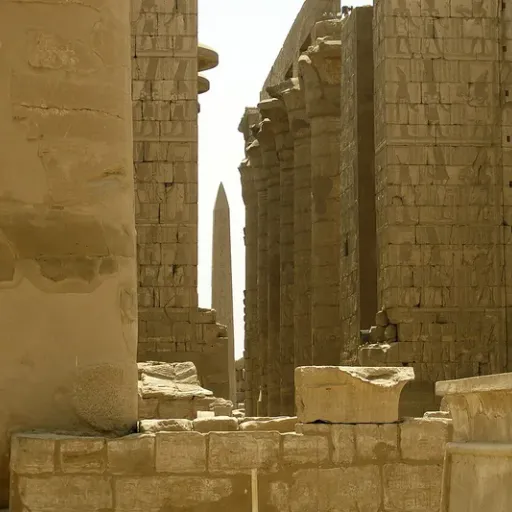
0Built and expanded by generations of pharaohs over nearly two thousand years, its Great Hypostyle Hall packs 134 massive columns into a forest of stone unlike anything else in the ancient world. Karnak shows engineering as an ongoing multigenerational project rather than a single
Era Built: c. 2000–100 BCE, built over centuriesScale / Key Dimension: 100 hectares, 134-column hypostyle hallSurvives Today: ✓Engineering Ingenuity: 8/10
added by Yourlist EditorialKarnak Temple Complex
0