Seven wonders, ranked
For centuries, travelers and scholars have debated which ancient marvels truly deserve the title of 'wonder' — feats of engineering, artistry, and ambition that pushed the limits of what humanity could build. From the Great Pyramid to the Hanging Gardens, each site tells a story of civilization's boldest dreams, and only one can claim the top spot. Cast your vote and help settle which wonder reigns supreme.
What counts: Seeded with approximate figures where shown — the crowd's votes decide the order.
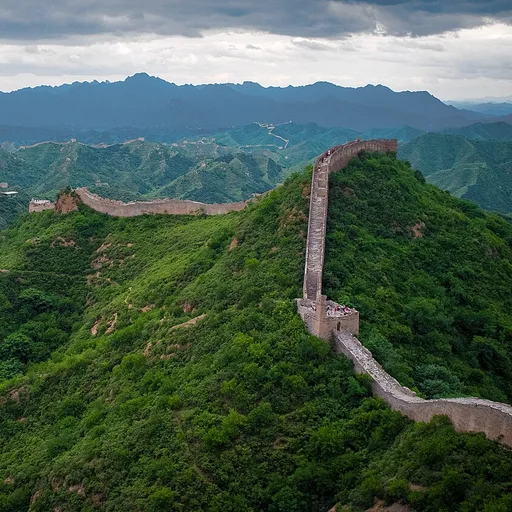
Stitched together over centuries by rival dynasties trying to keep out steppe invaders, it eventually stretched over 13,000 miles across mountains, deserts, and grasslands — the closest thing history has to a line drawn to contain an empire. The Ming-era brick sections, with their watchtowers marching over impossible ridgelines, turned defense into monumental art. Its case rests on sheer scale: no other wonder here required generations of laborers relaying the same idea across a continent.
Era: Ancient
added by Yourlist Editorialin 4 rankingsGreat Wall of China
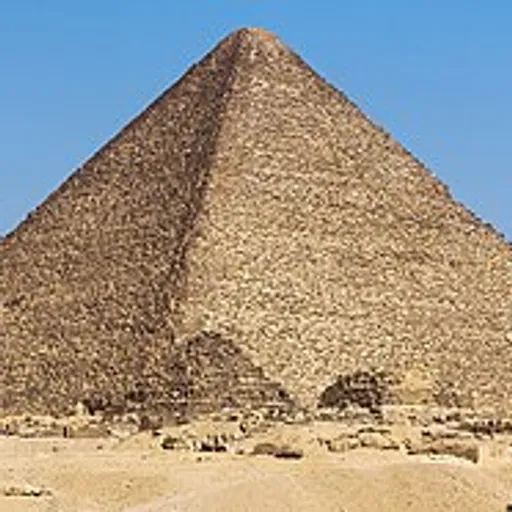
23Built around 2560 BCE as Pharaoh Khufu's stairway to the afterlife, it stood as the tallest man-made structure on Earth for nearly 3,800 years — a record no other entry here comes close to touching. The precision is the real flex: 2.3 million blocks aligned to the cardinal points with an accuracy modern surveyors still marvel at, no cranes, no wheels, just ramps, rope, and an empire's worth of labor. It's not just old, it's the last surviving Ancient Wonder still standing, which earns it the top argument by default.
Era: Ancient
added by Yourlist Editorialin 5 rankingsGreat Pyramid of Giza
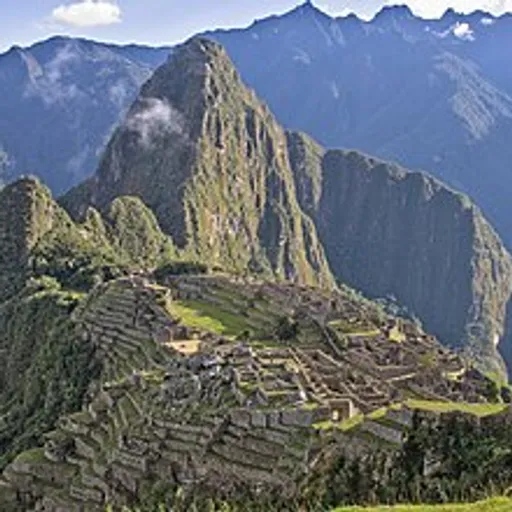
19Perched at 7,970 feet in the Andes, this 15th-century Incan retreat vanished from Western awareness for centuries, hidden by cloud forest until Hiram Bingham stumbled onto it in 1911 and handed the world a lost city intact. Its dry-stone walls fit so precisely that no mortar was needed, seismic-proofing engineered without written language or the wheel. The argument for its ranking is romance as much as engineering: it's the wonder that survived by disappearing.
Era: 1400s
added by Yourlist Editorialin 6 rankingsMachu Picchu
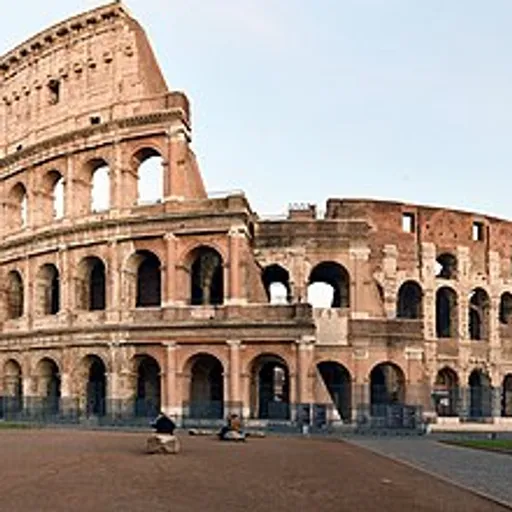
15Opened in 80 CE with a hundred days of gladiatorial games and mock naval battles, this Roman amphitheater could seat 50,000 and empty them out in minutes through a network of vaulted exits so efficient stadiums still copy the design. It's the ancestor of every sports arena on the planet, a blueprint for spectacle and crowd engineering carved in travertine. Its claim to the list is influence: nearly two thousand years later, we're still building smaller versions of it every Sunday.
Era: 80
added by Yourlist Editorialin 4 rankingsColosseum
5Chichén Itzá
The Maya built El Castillo so precisely that during the spring and fall equinoxes, sunlight and shadow crawl down the staircase to form the illusion of a serpent slithering to earth — architecture as astronomical calendar. Beyond the pyramid, the site's ballcourt and observatory reveal a civilization obsessed with tracking the heavens centuries before telescopes existed. Its ranking argument is precision disguised as mysticism: a wonder that turns light itself into the main event.
Era: 600s
added by Yourlist Editorial
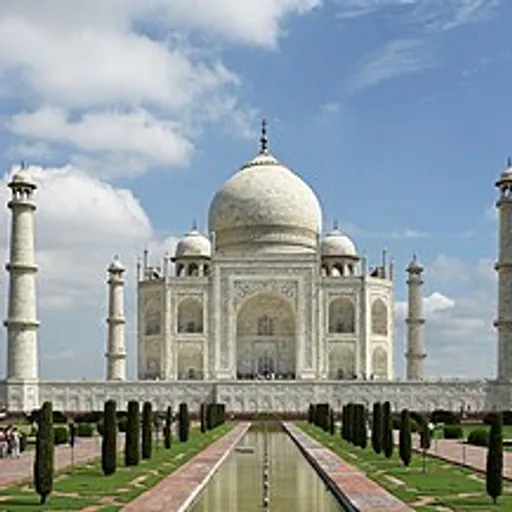
4Commissioned by Shah Jahan in 1632 as a mausoleum for his wife Mumtaz Mahal, it turned grief into the most famous building on Earth, its white marble shifting color with the sun and seeming to float above its reflecting pools. Twenty thousand artisans worked two decades to inlay it with semi-precious stones in patterns of flowers and calligraphy. Its case is emotional architecture at its most literal — a monument that made love and loss the whole point of the engineering.
Era: 1600s
added by Yourlist Editorialin 2 rankingsTaj Mahal
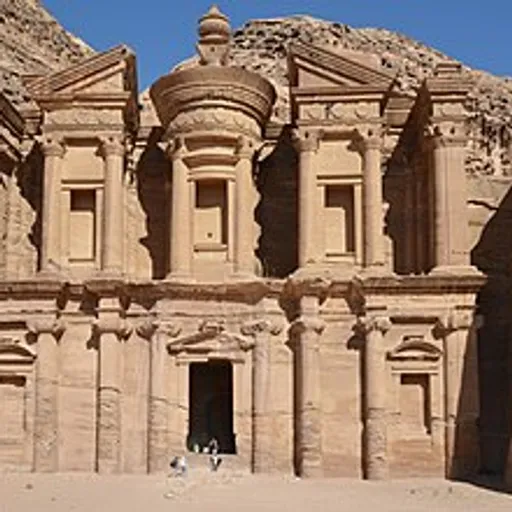
2Carved directly into rose-colored sandstone cliffs by the Nabataeans over 2,000 years ago, this desert trading hub hid in plain sight, accessible only through the narrow Siq canyon that dramatically opens onto the facade of the Treasury. It thrived as a water-engineering marvel in the middle of arid nowhere before fading into obscurity for centuries. Its argument here is the reveal itself: no other wonder stages its first impression as theatrically as walking out of that canyon.
Era: 300s BC
added by Yourlist Editorialin 7 rankingsPetra
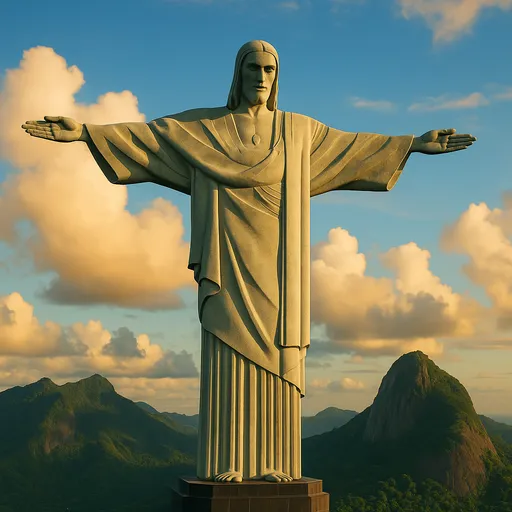
-4Completed in 1931 atop Corcovado mountain, the 98-foot Art Deco Christ with arms outstretched over Rio de Janeiro became an instant national symbol, visible from nearly every corner of the city below. It's the youngest wonder on this list by centuries, yet it's been struck by lightning, restored repeatedly, and still dominates postcards and skylines alike. Its case is modernity proving it can still produce something as iconic as antiquity ever did.
Era: 1900s
added by Yourlist EditorialChrist the Redeemer
-12