Greatest inventors of all time
Throughout history, a handful of brilliant minds have reshaped civilization with their inventions, from the wheel to the light bulb to the microchip. Their creations have powered industries, connected continents, and saved countless lives, sparking endless debate over whose genius truly changed the world the most. Now it's your turn to weigh in—cast your vote for the greatest inventor of all time.
What counts: Seeded with approximate figures where shown — the crowd's votes decide the order.
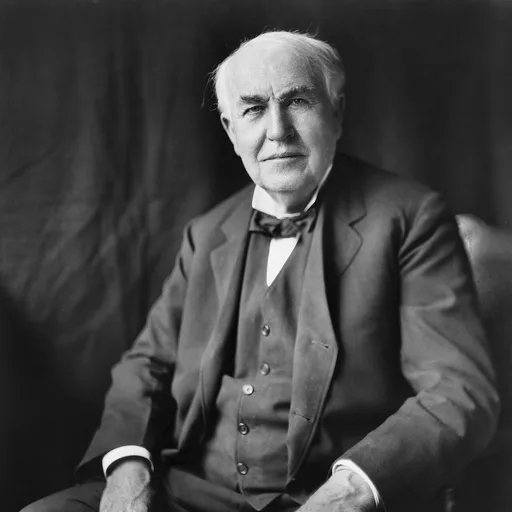
He turned invention into an industry, cranking out over 1,000 patents from his Menlo Park 'invention factory,' with the practical incandescent light bulb as his crowning triumph. He didn't just illuminate rooms—he electrified the modern world and gave us the blueprint for corporate R&D. Critics call him a ruthless patent-hoarder who stole credit, but the results speak in kilowatts and box-office receipts.
Era: 1800s
added by Yourlist Editorialin 4 rankingsThomas Edison
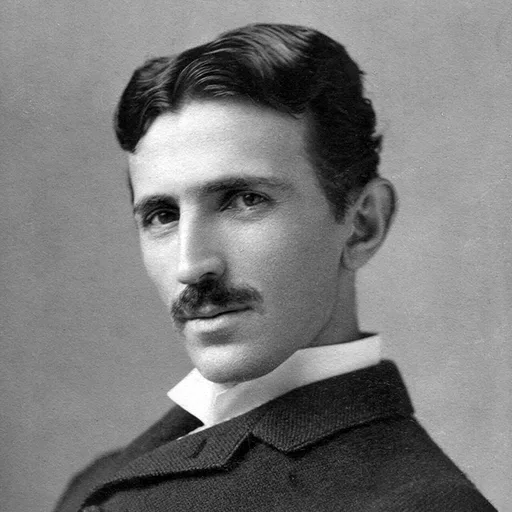
36The eccentric genius who gave us alternating current, the induction motor, and dreams of wireless power decades ahead of their time, all while dying broke and forgotten. His war with Edison over AC vs. DC literally powered the grid we still use today. He belongs here as the patron saint of visionaries who were right too soon and paid for it.
Era: 1900s
added by Yourlist Editorialin 6 rankingsNikola Tesla
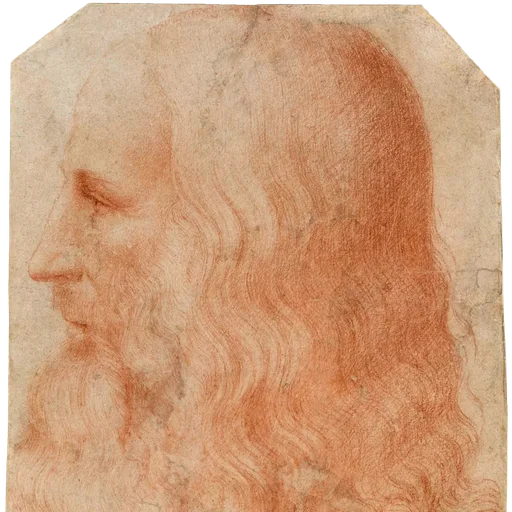
30He sketched helicopters, tanks, and parachutes centuries before anyone could build them, treating notebooks as a playground for imagination unbound by materials science. Almost none of his designs worked in his lifetime, but the sheer conceptual leap—engineering as art, art as engineering—reshaped how humans think about invention itself. He's on this list not for what he built, but for proving imagination alone can be a technology.
Era: 1500s
added by Yourlist Editorialin 7 rankingsLeonardo da Vinci
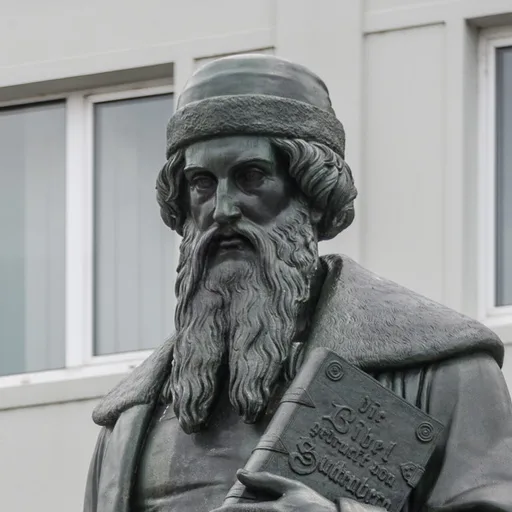
27His movable-type printing press turned books from rare treasures into mass-produced objects, igniting the Reformation, the Scientific Revolution, and literacy itself. One machine, one idea, and suddenly ideas could travel faster than armies. No invention on this list did more to democratize knowledge and rewire human civilization's software.
Era: 1400s
added by Yourlist Editorialin 3 rankingsJohannes Gutenberg
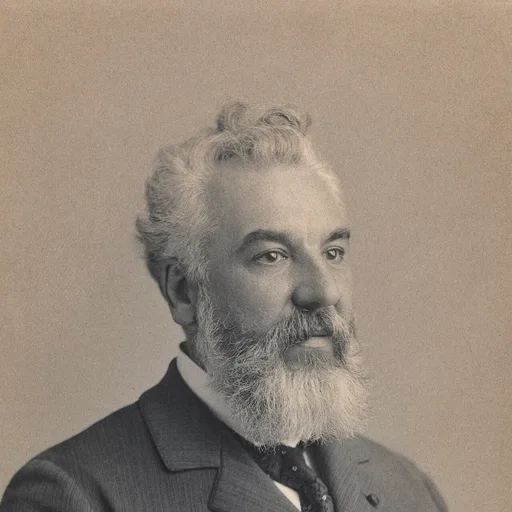
19"Mr. Watson, come here, I want to see you" wasn't just a phone call—it was the sound of distance collapsing forever. The telephone rewired how humans connect, turning voices into signals that could leap oceans, and Bell's patent fight with Elisha Gray remains one of history's great near-misses. He earns his spot for inventing not a gadget but a permanent human reflex: picking up the phone.
Era: 1800s
added by Yourlist Editorialin 2 rankingsAlexander Graham Bell
13The Wright Brothers
Twelve seconds and 120 feet at Kitty Hawk in 1903 turned bicycle mechanics into the fathers of flight, proving humans could conquer the sky through patient trial-and-error rather than myth. They didn't have labs or fortunes—just wind, wood, and stubborn iteration. Every jet contrail today traces back to their sandy, unglamorous proof of concept.
Era: 1900s
added by Yourlist Editorial
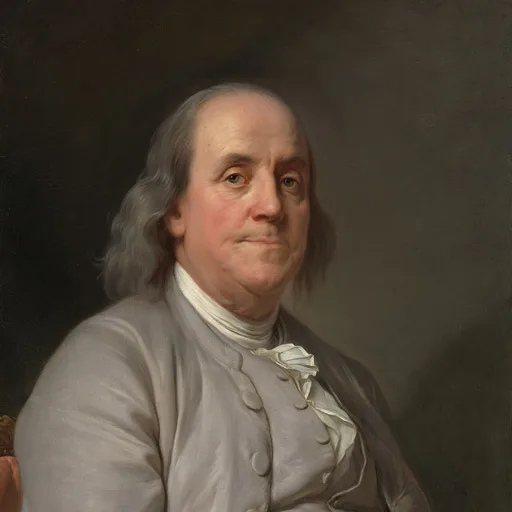
13He flew a kite into a thunderstorm to prove lightning was electricity, then invented the lightning rod, bifocals, and the Franklin stove almost as a hobby between founding a nation. His genius was refusing to patent anything, believing inventions should serve the public freely. He's the ultimate polymath entry—proof that curiosity itself can be a life's greatest invention.
Era: 1700s
added by Yourlist Editorialin 6 rankingsBenjamin Franklin
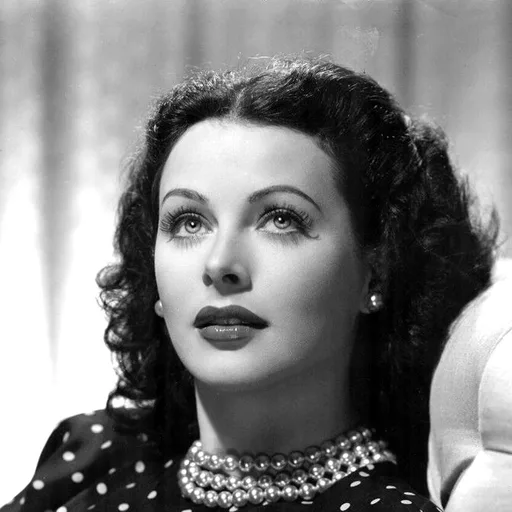
-4A Hollywood starlet by day, she co-invented frequency-hopping spread spectrum technology during WWII to guide torpedoes without enemy jamming—an idea the Navy shelved for decades before it became the backbone of Wi-Fi, GPS, and Bluetooth. She was dismissed as 'just an actress' while holding a patent that quietly rewired global communication. Her inclusion is a correction: proof genius doesn't announce itself, and history owes her decades of overdue credit.
Era: 1900s
added by Yourlist Editorialin 2 rankingsHedy Lamarr
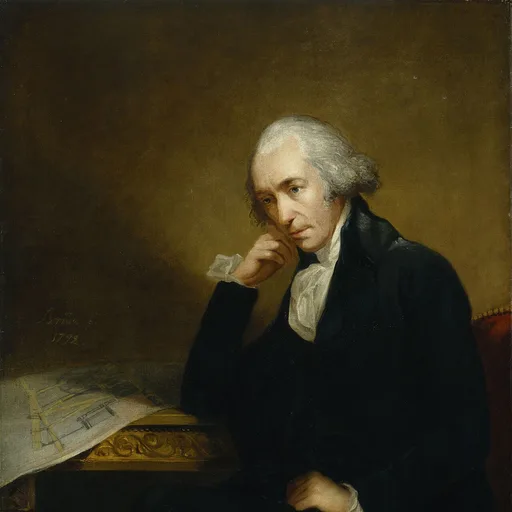
-10He didn't invent the steam engine, but his separate condenser made it efficient enough to power the Industrial Revolution, turning coal and water into the engine of modern economies. Factories, trains, and ships all trace their ancestry to his tinkering in a Glasgow workshop. He belongs here because he's the reason 'horsepower' became a unit we still measure everything by.
Era: 1700s
added by Yourlist Editorialin 2 rankingsJames Watt
-24In 1989, he stitched hypertext and the internet together into the World Wide Web, then gave it away for free instead of cashing in, believing openness mattered more than ownership. That single act of generosity turned a niche research tool into the connective tissue of modern civilization. He's the most recent name here, but arguably the one whose invention touches the most lives, every single day, without most people even knowing his name.
Era: 1900s
added by Yourlist Editorialin 2 rankingsTim Berners-Lee
-28