

📜Most Underrated Historical Figures
History is full of brilliant minds whose contributions were overlooked or downplayed for decades, shaping science, exploration, and society in ways that still echo today. Recognizing them corrects the record and highlights how fame often favors the loudest voices rather than the deepest impacts. Vote to rank the most underrated.
What counts: Best equals highest impact paired with lowest public awareness; figures chosen for verifiable achievements that changed their fields yet remain underappreciated. All figures and dates are approximate.
Through pea-plant experiments in a monastery garden, Mendel uncovered the laws of inheritance that became the foundation of genetics. His paper was ignored for thirty-five years until rediscovered, delaying the entire field. The quiet monk whose data outlasted the loudest debates earns a high rank for impact hidden by timing and obscurity.
Lifespan: 1822-1884Field: GeneticsSignature Contribution: Laws of segregation and independent assortmentImpact: 9/10Public Awareness: 5/10
- Experiments replicable and foundational
- Quantitative approach ahead of its time
- Work eventually transformed biology
- Paper unnoticed until 1900
- Limited institutional support
- No awards or fame in lifetime
added by Yourlist Editorialin 2 rankingsGregor Mendel
51A carpenter-turned-clockmaker who solved the longitude problem that had killed sailors for centuries, Harrison's marine chronometer turned ocean navigation from guesswork into science. His decades-long fight against the British Board of Longitude showed how class bias delayed practical genius. This earns him the top spot for an invention that literally redrew the map.
Lifespan: 1693-1776Field: HorologySignature Contribution: Marine chronometer H4Impact: 9/10Public Awareness: 3/10
- Solved centuries-old navigation crisis
- Self-taught innovator from modest background
- Designs still influenced later timepieces
- Work largely unrecognized in his lifetime
- Faced institutional resistance from elites
- Few public monuments or popular accounts
added by Yourlist EditorialJohn Harrison
43Anning's fossil finds on the Jurassic Coast supplied the first complete ichthyosaur and plesiosaur skeletons, laying groundwork for evolutionary theory decades before Darwin. As a working-class woman she sold specimens to survive while male scientists published the results under their names. Her story shows how credit and class intersected to bury a foundational contributor.
Lifespan: 1799-1847Field: PaleontologySignature Contribution: First complete plesiosaur skeletonImpact: 8/10Public Awareness: 4/10
- Major specimens still studied today
- Advanced understanding of extinct reptiles
- Self-taught expertise from field work
- Rarely credited in scientific papers
- Financial struggles limited recognition
- Few contemporary portraits or honors
added by Yourlist EditorialMary Anning
40While cataloging variable stars at Harvard, Leavitt discovered the period-luminosity relation that became the key rung on the cosmic distance ladder. Her finding let astronomers measure the universe's scale, yet she received no Nobel or lasting credit during her life. The gap between her discovery's reach and her name recognition makes her a prime underrated case.
Lifespan: 1868-1921Field: AstronomySignature Contribution: Period-luminosity relationImpact: 9/10Public Awareness: 2/10
- Enabled measurement of galactic distances
- Method still used in modern cosmology
- Work done despite limited resources
- Credit often given to male colleagues
- Died before full impact was known
- Minimal popular media coverage
added by Yourlist EditorialHenrietta Swan Leavitt
25Noether's theorem linked symmetries in physics to conservation laws, underpinning everything from relativity to particle physics, yet she taught for years without pay or title because she was a woman. Einstein called her the most important woman in mathematics; the gap between that praise and public memory is stark.
Lifespan: 1882-1935Field: MathematicsSignature Contribution: Noether's theorem on symmetriesImpact: 9/10Public Awareness: 3/10
- Revolutionized theoretical physics
- Mentored major 20th-century mathematicians
- Abstract algebra advances still used
- Worked unpaid for years
- Forced to emigrate twice
- Few popular biographies exist
added by Yourlist Editorialin 2 rankingsEmmy Noether
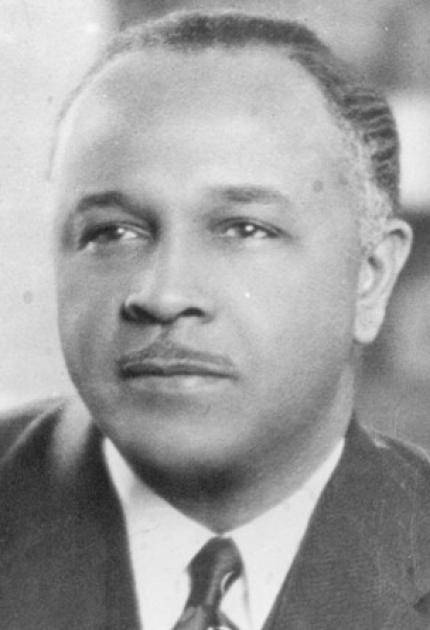
25Julian synthesized medicinal compounds from soy, making cortisone and birth-control drugs affordable for millions after starting in segregated labs with limited equipment. His patents and process improvements saved lives while he fought professional exclusion. The scale of practical benefit versus limited name recognition marks him as deeply underrated.
Lifespan: 1899-1975Field: ChemistrySignature Contribution: Large-scale synthesis of steroidsImpact: 8/10Public Awareness: 2/10
- Made life-saving drugs widely available
- Overcame systemic barriers to success
- Dozens of patents commercialized
- Early career blocked by racism
- Credit shared with larger firms
- Rarely featured in school curricula
added by Yourlist EditorialPercy Lavon Julian
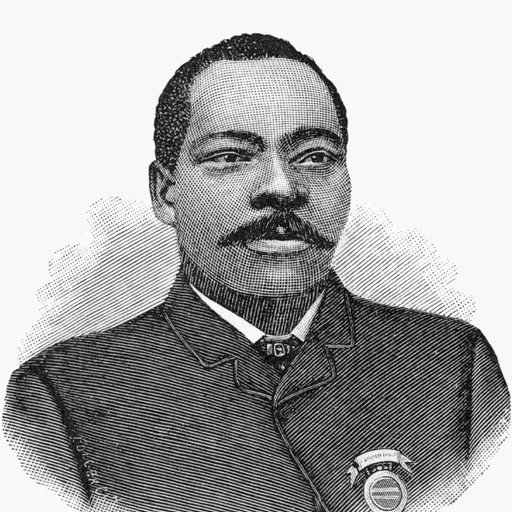
25Woods patented the multiplex telegraph that let moving trains communicate, plus dozens of other railway and electrical devices that major companies later bought or copied. Dubbed the Black Edison, he received little lasting fame despite enabling safer rail travel. The industrial scale of his output versus historical silence earns him a place here.
Lifespan: 1856-1910Field: Electrical engineeringSignature Contribution: Railway telegraph systemImpact: 7/10Public Awareness: 2/10
- Improved train safety and efficiency
- Over 50 patents granted
- Sold tech to major railroads
- Many patents challenged or sold cheaply
- Little public credit after death
- Minimal modern recognition programs
added by Yourlist EditorialGranville Tailer Woods
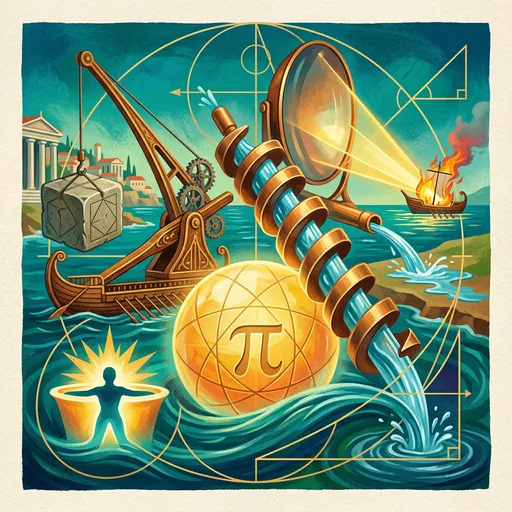
22Archimedes combined pure mathematics with practical inventions like the screw pump and defensive war machines that protected Syracuse, yet many of his treatises survived only in fragments or later copies. His method of exhaustion prefigured calculus by two millennia. The breadth of insight lost to time and war places him here despite ancient fame.
Lifespan: c. 287-212 BCEField: MathematicsSignature Contribution: Method of exhaustion and buoyancy principleImpact: 9/10Public Awareness: 7/10
- Anticipated integral calculus
- Practical inventions still used
- Rigorous proofs across multiple fields
- Many works lost or destroyed
- Credit sometimes attributed to later Europeans
- Popular image reduced to bathtub anecdote
added by Yourlist Editorialin 5 rankingsArchimedes
18Meitner explained nuclear fission theoretically while her colleague Otto Hahn received the Nobel; she had fled Nazi Germany and continued calculations from exile. Her work enabled both atomic energy and the bomb, yet textbooks long omitted her name. The combination of exile, gender bias, and delayed credit places her among the most overlooked.
Lifespan: 1878-1968Field: Nuclear physicsSignature Contribution: Theoretical explanation of fissionImpact: 9/10Public Awareness: 4/10
- Key insight into atomic nucleus splitting
- Ethical stance against bomb development
- Long career despite persecution
- Nobel denied despite central role
- Fled country and lost lab access
- Recognition came decades late
added by Yourlist EditorialLise Meitner
17Goodall's decades of chimpanzee observation overturned the idea that tool use was unique to humans and showed complex social behaviors in primates. She turned fieldwork into global conservation while publishing accessible books. Though better known than most on this list, her early dismissal by male primatologists still justifies inclusion.
Lifespan: 1934-presentField: PrimatologySignature Contribution: Long-term chimpanzee behavior studiesImpact: 8/10Public Awareness: 6/10
- Redefined human-animal boundary
- Inspired worldwide conservation efforts
- Accessible writing reached broad audiences
- Early papers questioned by established scientists
- Funding often precarious
- Public image sometimes overshadows research depth
added by Yourlist EditorialJane Goodall
13Carson's Silent Spring documented pesticide damage with rigorous evidence, sparking the modern environmental movement and leading to the DDT ban. Chemical industry attacks tried to discredit her, yet the data held. The policy shift she triggered versus lingering under-emphasis in some history texts keeps her on the underrated list.
Lifespan: 1907-1964Field: Marine biologySignature Contribution: Silent Spring and DDT awarenessImpact: 9/10Public Awareness: 5/10
- Catalyzed global environmental regulation
- Clear science writing for non-experts
- Directly influenced EPA creation
- Severe personal attacks during publication
- Health declined before full policy wins
- Often reduced to single book in summaries
added by Yourlist EditorialRachel Carson
9Maathai founded the Green Belt Movement that planted over 30 million trees while linking environmental restoration to women's rights and democracy in Kenya. She won the Nobel Peace Prize yet remains less known than many male environmentalists with smaller on-the-ground results. Her fusion of ecology and activism deserves wider ranking.
Lifespan: 1940-2011Field: Environmental activismSignature Contribution: Green Belt MovementImpact: 8/10Public Awareness: 4/10
- Tangible reforestation at scale
- Empowered rural women economically
- Nobel recognition for peace link
- Work often framed as local only
- Political imprisonment limited visibility
- Fewer global media profiles than peers
added by Yourlist Editorialin 2 rankingsWangari Muta Maathai
6Al-Haytham's Book of Optics established the scientific method through experimentation on light and vision centuries before the European Renaissance. His camera obscura work and rejection of Greek assumptions laid optics foundations. The erasure of Islamic Golden Age contributions from standard Western timelines makes him a clear pick.
Lifespan: c. 965-1040Field: OpticsSignature Contribution: Experimental optics and scientific methodImpact: 8/10Public Awareness: 3/10
- Pioneered controlled experimentation
- Corrected ancient errors on vision
- Influenced later European scientists
- Works rarely taught outside specialist circles
- Name often Latinized and detached from origin
- Few public memorials in West
added by Yourlist EditorialIbn al-Haytham
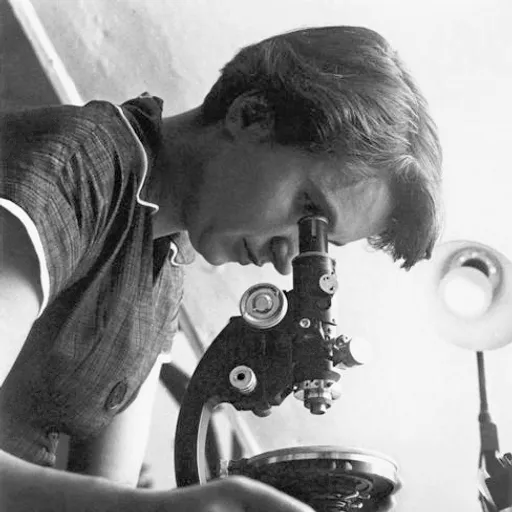
5Franklin's X-ray diffraction images provided the critical data confirming DNA's double-helix structure, yet Watson and Crick published first with limited acknowledgment. Her virus research later advanced molecular biology further. The Nobel exclusion and credit disputes make her a textbook case of historical slight.
Lifespan: 1920-1958Field: CrystallographySignature Contribution: Photo 51 and DNA structure dataImpact: 9/10Public Awareness: 5/10
- Essential evidence for DNA model
- Advanced virus structure studies
- Rigorous experimental standards
- Nobel not awarded posthumously
- Data used without full consent
- Popular accounts still minimize role
added by Yourlist Editorialin 3 rankingsRosalind Franklin
3Wu's cobalt-60 beta decay experiment confirmed parity violation in weak interactions, a discovery that earned her male colleagues the Nobel while she was sidelined. Her meticulous low-temperature physics work was essential yet publicly minimized. The pattern of experimental credit denied places her high on this list.
Lifespan: 1912-1997Field: Nuclear physicsSignature Contribution: Parity violation confirmationImpact: 8/10Public Awareness: 3/10
- Decisive experiment reshaped particle theory
- Mentored generations of physicists
- Led major Manhattan Project team
- Nobel not awarded despite key role
- Career barriers from gender and ethnicity
- Rarely highlighted in textbooks
added by Yourlist EditorialChien-Shiung Wu
2McCoy invented the automatic lubricator that allowed trains to run longer without stopping, earning the phrase 'the real McCoy' for quality. Over 50 patents followed, yet he struggled for capital and recognition in a segregated era. The industrial ubiquity of his devices versus personal obscurity marks him as underrated.
Lifespan: 1844-1929Field: Mechanical engineeringSignature Contribution: Automatic steam engine lubricatorImpact: 7/10Public Awareness: 2/10
- Enabled continuous industrial operation
- Dozens of practical patents
- Phrase entered common language
- Limited business success due to race
- Patents often infringed or sold
- Little formal historical study
added by Yourlist EditorialElijah McCoy
0Morgan patented an early gas mask used in World War I and a three-position traffic signal that reduced accidents at intersections. A self-taught inventor, he also founded a newspaper and hair-care business. Practical safety devices that saved lives yet remain footnotes justify his inclusion.
Lifespan: 1877-1963Field: InventionSignature Contribution: Gas mask and traffic signalImpact: 7/10Public Awareness: 3/10
- Directly improved public safety
- Multiple commercial products launched
- Overcame racial barriers to patent
- Early devices refined by others
- Businesses faced discrimination
- Limited mainstream historical mention
added by Yourlist EditorialGarrett Morgan
0Hypatia led Alexandria's Neoplatonic school, teaching mathematics and astronomy while editing key texts on conic sections that survived through her commentaries. Her murder by a mob ended the era's intellectual center. The combination of scholarly output and historical erasure through violence secures her ranking.
Lifespan: c. 355-415Field: MathematicsSignature Contribution: Commentaries on Diophantus and ApolloniusImpact: 7/10Public Awareness: 4/10
- Preserved and improved Greek mathematical texts
- Led major philosophical school
- Symbol of late classical learning
- Original works mostly lost
- Life overshadowed by dramatic death
- Details often romanticized rather than studied
added by Yourlist EditorialHypatia
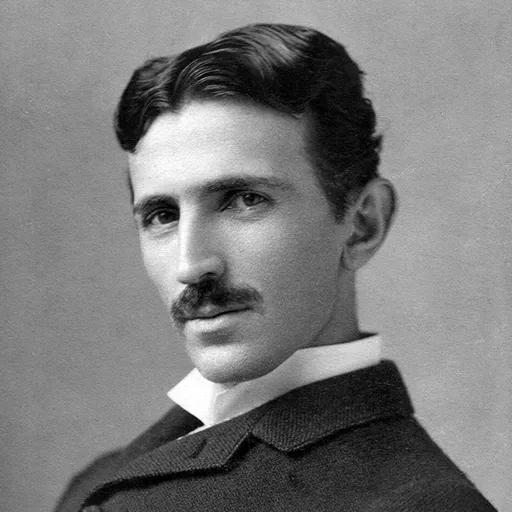
-2Tesla pioneered alternating current systems that electrified the world, plus radio and remote-control concepts, yet died in debt while Edison and Westinghouse profited. His visionary notes on wireless power were dismissed for decades. The contrast between inventions' ubiquity and personal financial failure secures his place.
Lifespan: 1856-1943Field: Electrical engineeringSignature Contribution: AC power distribution systemImpact: 9/10Public Awareness: 8/10
- Enabled modern electrical grids
- Multiple foundational patents
- Visionary ideas ahead of infrastructure
- Died penniless and largely forgotten
- Many projects never commercialized
- Credit disputes with contemporaries
added by Yourlist Editorialin 6 rankingsNikola Tesla
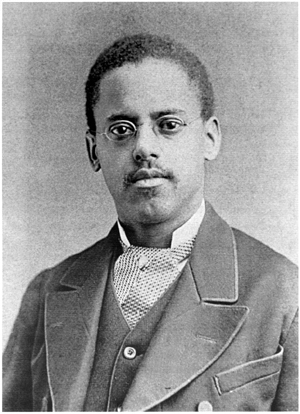
-2Latimer improved the carbon filament for incandescent bulbs, making electric lighting practical and durable for Edison's company, and later drafted telephone diagrams for Bell. His engineering and patent work supported two defining technologies. The supporting role in famous inventions kept his name secondary.
Lifespan: 1848-1928Field: Electrical engineeringSignature Contribution: Improved carbon filament bulbImpact: 7/10Public Awareness: 2/10
- Extended bulb lifespan dramatically
- Drafted key patent drawings
- Advanced electric lighting adoption
- Credit tied to employers' brands
- Few independent biographies
- Barriers limited later opportunities
added by Yourlist EditorialLewis Howard Latimer
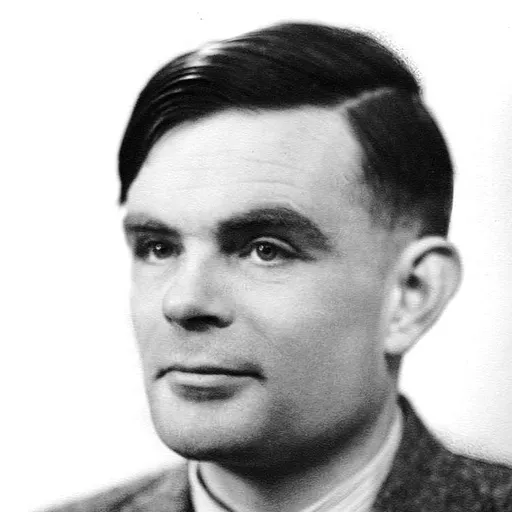
-3Turing formalized computation with the Turing machine, broke Nazi Enigma codes shortening World War II, and outlined artificial intelligence concepts. Persecution for homosexuality cut his life short and delayed full recognition. The combination of foundational theory, wartime impact, and posthumous justice places him among the most significant yet initially buried figures.
Lifespan: 1912-1954Field: Computer scienceSignature Contribution: Turing machine and codebreakingImpact: 10/10Public Awareness: 7/10
- Defined modern computing theory
- Shortened war by years
- Pioneered AI and morphogenesis
- Convicted and chemically castrated
- Work classified for decades
- Suicide at age 41 limited later output
added by Yourlist Editorialin 6 rankingsAlan Turing
-8Carver developed hundreds of products from peanuts and sweet potatoes, promoting crop rotation that restored Southern soils depleted by cotton. His agricultural extension work helped poor farmers diversify. The practical reach of his research versus simplified peanut-butter myths keeps deeper contributions underappreciated.
Lifespan: 1860s-1943Field: Agricultural scienceSignature Contribution: Crop rotation and alternative cropsImpact: 7/10Public Awareness: 6/10
- Restored soil health across region
- Created economic alternatives for farmers
- Hundreds of commercial applications
- Many inventions commercialized by others
- Popular stories exaggerate peanut focus
- Less emphasis on scientific publications
added by Yourlist EditorialGeorge Washington Carver
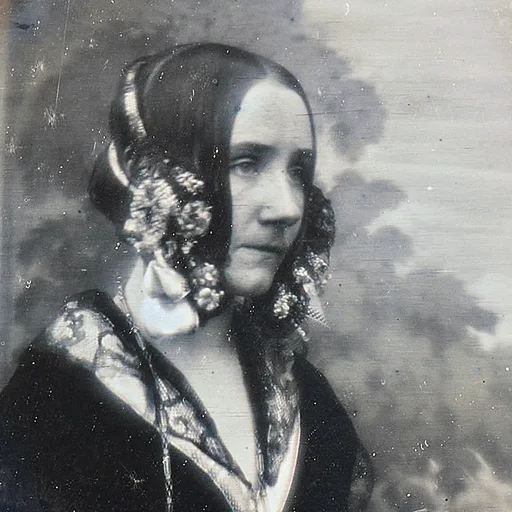
-9Lovelace wrote the first published algorithm intended for Babbage's Analytical Engine, recognizing its potential beyond calculation to manipulate symbols. Her notes foresaw computing's creative reach a century early. The gap between her insight and the machine's non-existence kept her contribution theoretical and under-credited for generations.
Lifespan: 1815-1852Field: ComputingSignature Contribution: First computer algorithm notesImpact: 8/10Public Awareness: 5/10
- Anticipated general-purpose computing
- Detailed notes preserved Babbage's ideas
- Vision extended beyond arithmetic
- Engine never built in her lifetime
- Work rediscovered in 20th century
- Often presented only as Byron's daughter
added by Yourlist Editorialin 2 rankingsAda Lovelace
-12Walker built a hair-care empire from door-to-door sales into a national company employing thousands of Black women, becoming America's first self-made female millionaire. Her philanthropy supported education and anti-lynching efforts. The scale of economic and social impact versus narrow beauty-industry framing keeps her underrated.
Lifespan: 1867-1919Field: EntrepreneurshipSignature Contribution: Walker System hair productsImpact: 8/10Public Awareness: 4/10
- Created large-scale employment
- Pioneered direct-sales model
- Funded civil-rights causes
- Often reduced to cosmetics only
- Company declined after her death
- Few business-school case studies
added by Yourlist EditorialMadam C. J. Walker
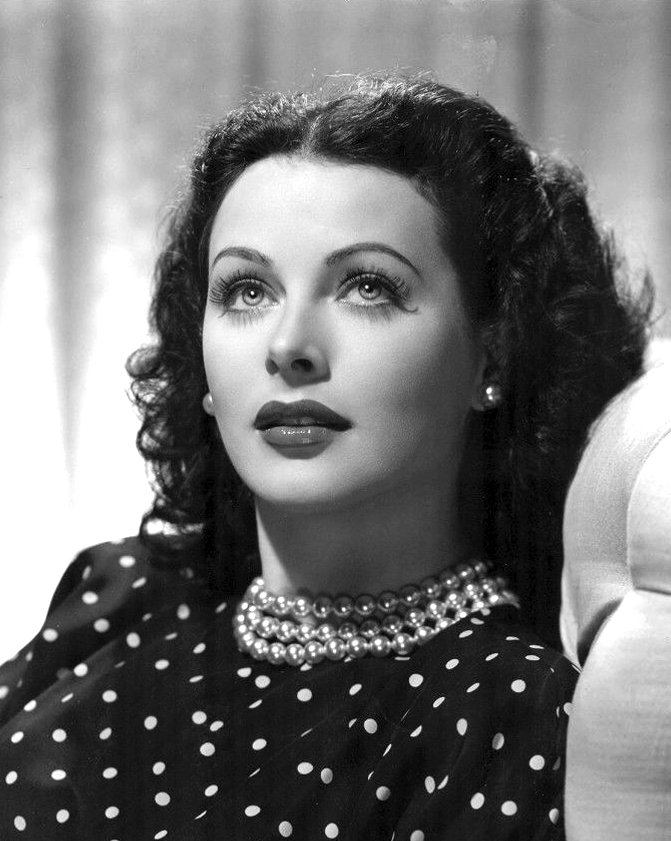
-12Lamarr co-invented frequency-hopping spread spectrum technology during World War II to guide torpedoes, a principle now foundational to Wi-Fi and Bluetooth. Hollywood fame overshadowed the patent that the Navy shelved. The decades-long gap between invention and widespread use underscores her underrated status.
Lifespan: 1914-2000Field: CommunicationsSignature Contribution: Frequency-hopping patentImpact: 8/10Public Awareness: 4/10
- Technology powers modern wireless
- Invented while pursuing acting career
- Patent granted despite no engineering training
- Military ignored the invention
- Credit emerged only in 1990s
- Public image dominated by film roles
added by Yourlist Editorialin 2 rankingsHedy Lamarr
-21