Most influential U.S. founding figures
America's founding wasn't the work of one person but a contentious collaboration of thinkers, soldiers, and statesmen whose ideas still shape the nation's laws and identity today. Debating who mattered most forces us to weigh military leadership against political philosophy, and public fame against quiet influence. Cast your vote and help settle which founding figure truly left the deepest mark.
What counts: Seeded with approximate figures where shown — the crowd's votes decide the order.
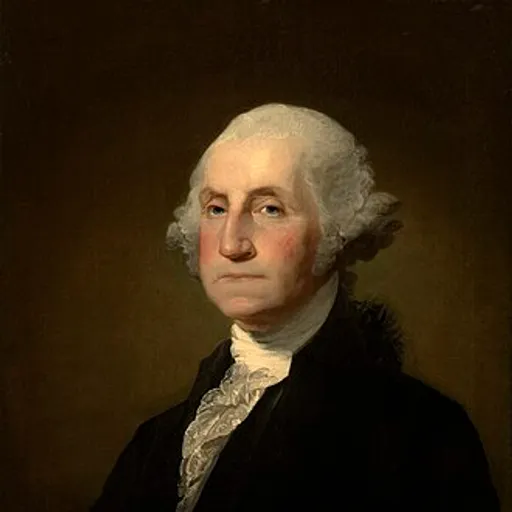
George Washington▲ Rising
He resigned his military commission when he could have seized power, and then walked away from the presidency after two terms, single-handedly establishing the norm that American leaders serve rather than rule. His steady, almost mythic presence held the fractious Continental Army together through Valley Forge and gave the new republic the legitimacy it desperately needed. No founder's restraint shaped the office of the presidency—and the country's faith in peaceful transfer of power—more than his.
Era: 1700s
added by IJRin 7 rankings
75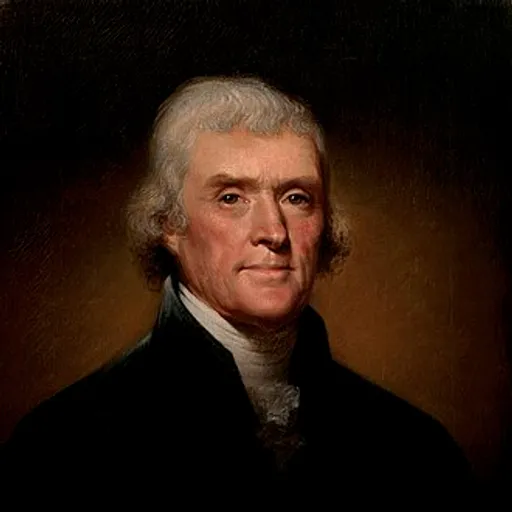
Thomas Jefferson▲ Rising
His pen gave the Declaration of Independence its immortal line about self-evident truths, turning a colonial grievance into a universal creed that still gets quoted in protests worldwide. As president he doubled the nation's size with the Louisiana Purchase, betting big on westward expansion despite his own constitutional scruples. The gap between his soaring rhetoric of liberty and his lifetime as a slaveholder makes him endlessly debated, but his words remain the founding's most quoted text.
Era: 1700s
added by IJRin 11 rankings
66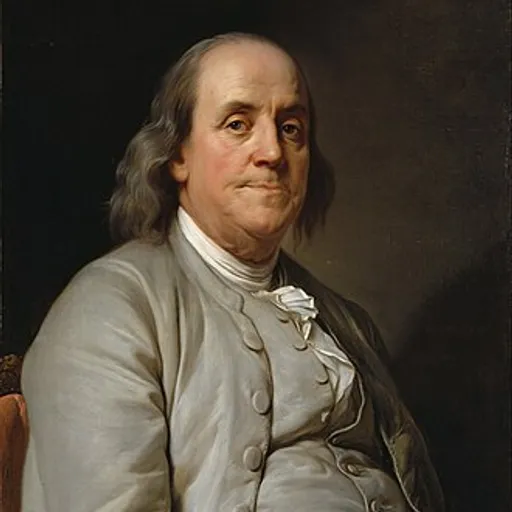
Benjamin Franklin▲ Rising
He flew a kite in a thunderstorm to prove lightning was electricity, then spent decades as America's indispensable diplomat, charming the French court into the alliance that won the Revolutionary War. The only founder to sign the Declaration, the Treaty of Paris, and the Constitution, he was the glue connecting the era's biggest moments. His printing-press wit and scientific fame made him the new nation's first international celebrity, proving America could produce genius, not just grievances.
Era: 1700s
added by IJRin 5 rankings
56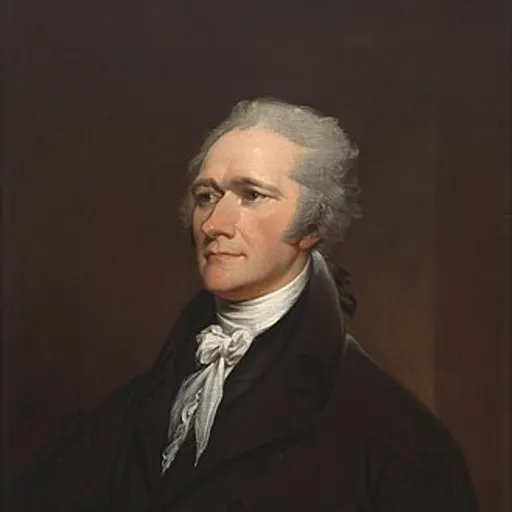
Alexander Hamilton▲ Rising
As the first Treasury Secretary he built the entire financial architecture of the United States from scratch—assuming state debts, founding a national bank, and convincing skeptical states that a strong federal economy was worth the fight. His Federalist Papers, co-written to sell New York on ratifying the Constitution, remain the single best explanation of how and why American government works. Killed in a duel by Aaron Burr at 49, he packed more institution-building into fewer years than almost anyone on this list.
Era: 1700s
added by IJRin 3 rankings
14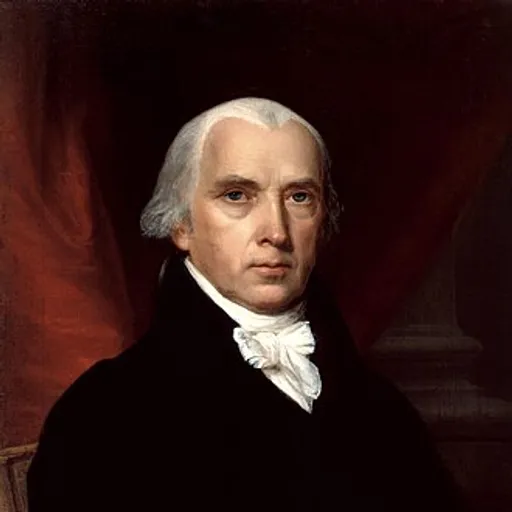
James Madison▲ Rising
Called the 'Father of the Constitution,' he arrived at the Philadelphia Convention with the Virginia Plan already drafted, shaping the document's structure before debate even began. He then co-wrote the Federalist Papers and later authored the Bill of Rights, turning skeptics' fears about federal overreach into ten amendments that still anchor American civil liberties. Few people did more to translate revolutionary ideals into durable, functioning government machinery.
Era: 1700s
added by IJRin 5 rankings
13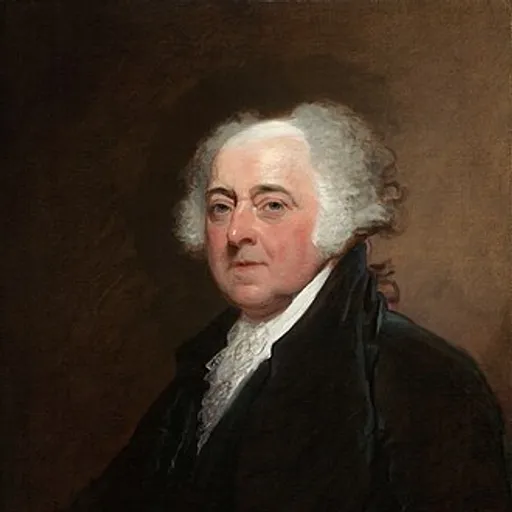
John Adams
He defended British soldiers after the Boston Massacre on principle, then became the loudest voice in Congress pushing for independence when others hesitated, earning him the nickname 'the Atlas of Independence.' As the young nation's second president, he kept America out of a ruinous war with France despite fierce political cost to himself. His prickly, brilliant correspondence with Jefferson remains one of the great intellectual friendships-turned-rivalries in American history.
Era: 1700s
added by IJRin 8 rankings
7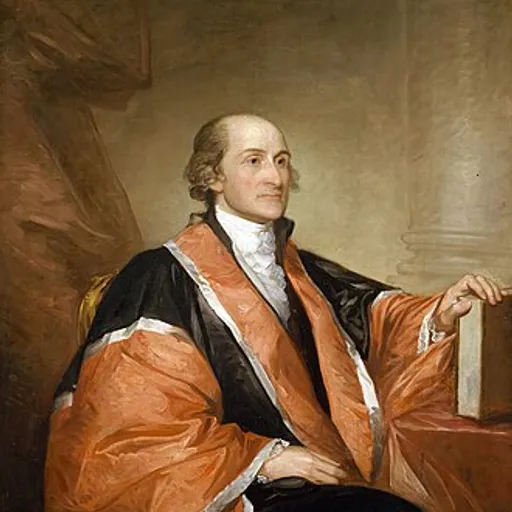
John Jay▼ Falling
He co-wrote the Federalist Papers, served as the first Chief Justice of the Supreme Court, and negotiated the 1794 treaty with Britain that, however unpopular, kept the fragile young republic out of another war it couldn't afford to fight. As president of the Continental Congress and a key architect of the Treaty of Paris, he helped secure the peace that made America's independence real on paper and in practice. Less flashy than his peers, he was the founding's essential institution-builder and diplomat.
Era: 1700s
added by IJR
-14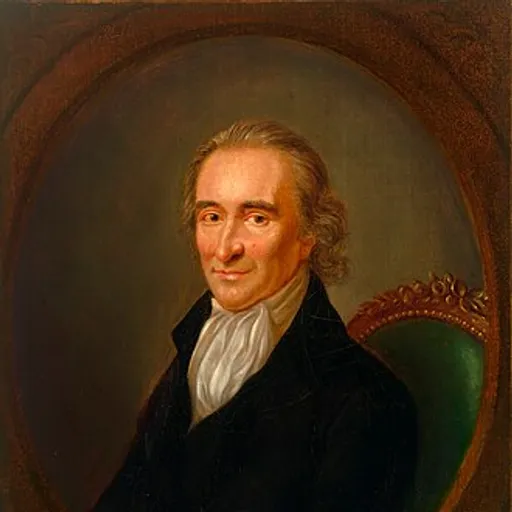
Thomas Paine▼ Falling
His pamphlet Common Sense sold hundreds of thousands of copies in 1776, using plain, furious language to convince ordinary colonists that independence wasn't just possible but necessary and overdue. He followed it with The American Crisis, whose opening line—'These are the times that try men's souls'—was read aloud to Washington's freezing troops to keep them fighting. No founder did more to turn elite political theory into a mass movement that regular people would actually die for.
Era: 1700s
added by IJR
-46
Keep ranking
Comments (9)
Free account · your comment posts right after signup
This order is closer to right than any editor would've gotten.
Exactly the kind of argument the internet was built for.
- NNoah IvanovJul 29, 2026
The crowd is sleeping on the bottom half of this list.
Voted — and the gap between #1 and #2 should be bigger.