Greatest Renaissance artists
The Renaissance ignited an explosion of artistic genius that reshaped how humanity sees beauty, perspective, and the divine, with masters like Leonardo, Michelangelo, and Raphael leaving legacies that still define art itself. Centuries later, we still debate whose brushstrokes, chisels, and visions rose above the rest to change art forever. Whose genius do you believe deserves the crown as the greatest of this golden age? Cast your vote and make your case.
What counts: Seeded with approximate figures where shown — the crowd's votes decide the order.
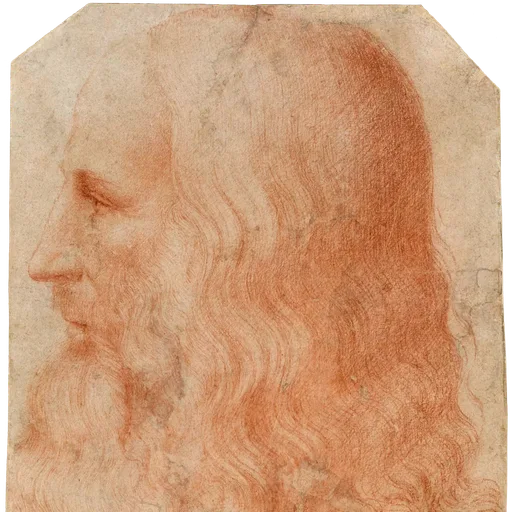
The Mona Lisa's smile has launched a thousand theories, but Leonardo's real revolution was sfumato — that smoky blending that made paint feel like breath instead of pigment. He filled notebooks with helicopters and anatomy sketches nobody asked for, treating art and science as the same obsessive pursuit of how things actually work. No one else on this list changed what painting could mean; he changed what a human mind could attempt.
Era: 1500s
added by Yourlist Editorialin 7 rankingsLeonardo da Vinci
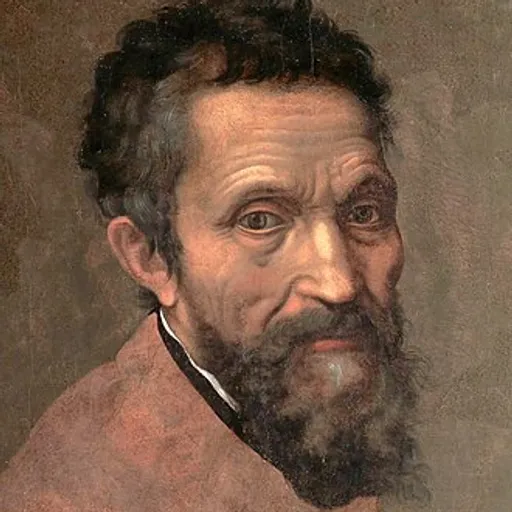
58He climbed scaffolding for four years to paint God reaching toward Adam on a ceiling he insisted he wasn't qualified to paint, then carved David from a block of marble other sculptors had already given up on and ruined. Michelangelo treated the human body like it was barely containing something divine, and his sheer physical audacity — the Pietà's grief, the Sistine's scope — set a bar for ambition that's never been cleared. If Leonardo was the mind of the Renaissance, Michelangelo was its fist.
Era: 1500s
added by Yourlist Editorialin 3 rankingsMichelangelo
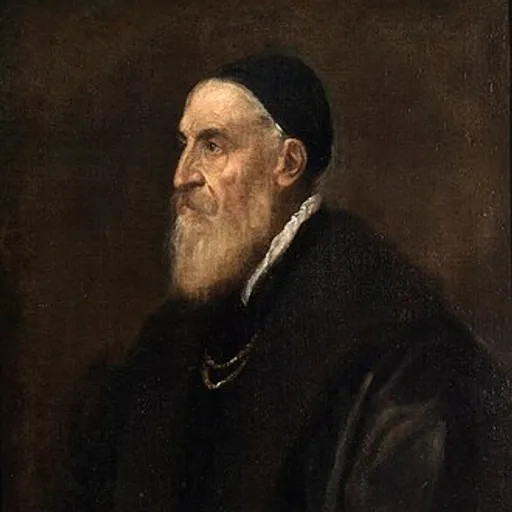
52He outlived everyone, kept innovating into his eighties, and basically invented painting as visible, energetic brushwork rather than smooth invisible finish — Venus of Urbino turned flesh into something you could feel breathing. Titian ran Venice's color revolution against Florence's drawing-obsessed establishment, proving paint itself could carry emotion without perfect line. Rubens, Velázquez, and basically every colorist after him owes their whole toolkit to this guy.
Era: 1500s
added by Yourlist Editorialin 2 rankingsTitian
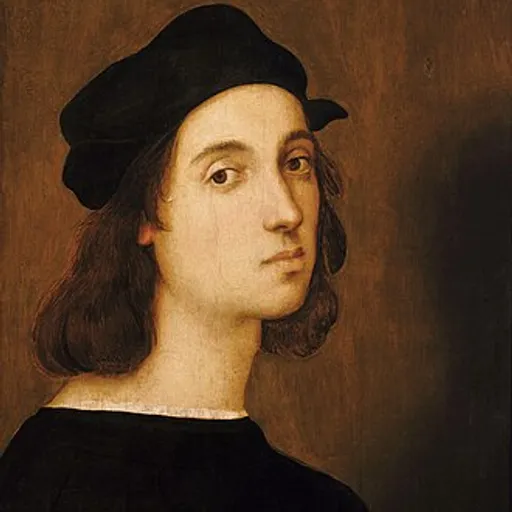
21Dead at 37, he still managed to paint the School of Athens, a room-sized argument that philosophy and art were the same noble project, populating it with Plato and Aristotle wearing the faces of his contemporaries. Raphael synthesized everything Leonardo and Michelangelo were doing into something warmer, more harmonious, more instantly beautiful — less genius-tortured, more effortlessly perfect. He became the default definition of 'classical' painting for the next three centuries, which is either the highest compliment or the reason later rebels needed to destroy him.
Era: 1500s
added by Yourlist Editorialin 2 rankingsRaphael
4Botticelli
Venus rising fully grown from a shell on a beach, hair impossibly long, feet not even touching the ground — Botticelli painted mythology like it was a fever dream of linear grace, all flowing contour and dreamy melancholy instead of Renaissance solidity. He fell into obscurity for centuries after getting swept up in Savonarola's bonfire-of-vanities guilt, only to be resurrected by the Pre-Raphaelites who recognized a kindred romantic. The Birth of Venus alone earns him a permanent seat at this table.
Era: 1400s
added by Yourlist Editorial
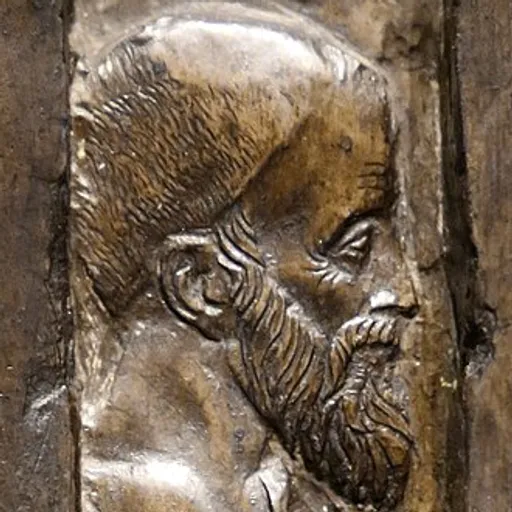
-4Decades before Michelangelo's David flexed in Florence, Donatello cast a bronze one — the first freestanding nude statue since antiquity, a teenage boy in a jaunty hat standing over Goliath's severed head with unsettling calm. He basically resurrected classical sculpture from a thousand-year nap and invented schiacciato relief so shallow it tricks your eye into seeing depth. Without Donatello cracking the door open, there's no Michelangelo storming through it.
Era: 1400s
added by Yourlist EditorialDonatello
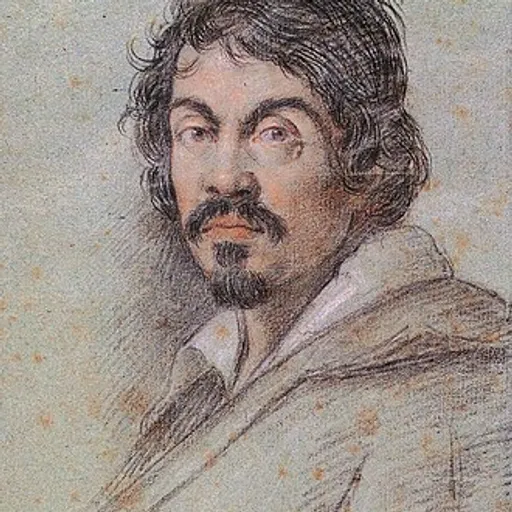
-16He dragged saints and apostles out of golden idealized light and into filthy taverns, painting them with dirt under their fingernails and doubt on their faces, lit by a single dramatic shaft like a spotlight in a police interrogation. Caravaggio also killed a man, fled multiple cities, and died mysteriously young — but the chiaroscuro he perfected became the entire visual language of Baroque art. He's the guy who proved holiness could look like the guy next door, and painting has never fully returned to pretty.
Era: 1600s
added by Yourlist Editorialin 2 rankingsCaravaggio
-32Dürer
A German goldsmith's son who traveled to Italy and came back convinced Northern Europe needed its own Renaissance, Dürer turned printmaking — woodcuts, engravings — into fine art capable of the same intellectual weight as painting. Melencolia I and his obsessively rendered self-portraits (staring out like a bearded Christ) fused Italian humanist theory with Germanic precision and anxiety. He proved the Renaissance wasn't just an Italian export — it was a method anyone rigorous enough could master.
Era: 1500s
added by Yourlist Editorial
-59