Most influential artists of all time
Art has the power to redefine how we see the world, challenging conventions and shaping culture for generations. From revolutionary painters to boundary-pushing sculptors, the debate over who truly left the deepest mark on art history is endless. Cast your vote and help decide which artist deserves the title of most influential of all time.
What counts: Seeded with approximate figures where shown — the crowd's votes decide the order.
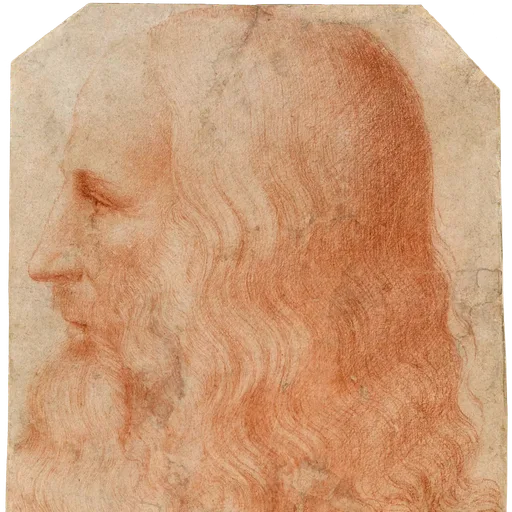
He gave the Mona Lisa a smile that art historians are still arguing about five centuries later, fusing anatomical science with painterly illusion via sfumato until flesh seemed to breathe on wood panel. Fewer than twenty paintings survive, yet that scarcity only inflated the myth of the ultimate Renaissance polymath. Every artist who ever obsessed over getting a shadow or a nervous system exactly right owes him a debt.
Era: 1500s
added by Yourlist Editorialin 7 rankingsLeonardo da Vinci
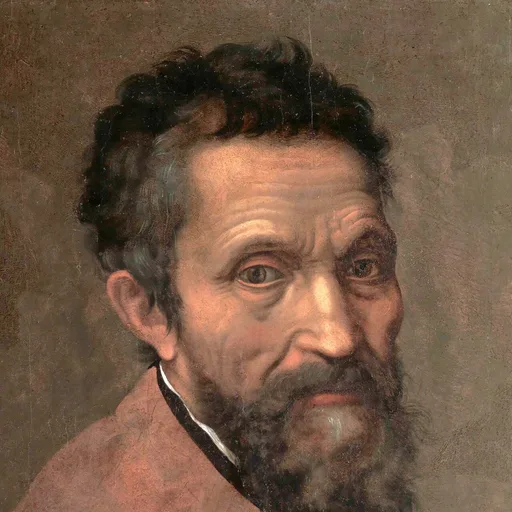
56He climbed scaffolding and spent four years contorted on his back to paint God reaching toward Adam on the Sistine ceiling, turning a chapel roof into humanity's most reproduced image of creation. His marble David reinvented what sculpture could dare — a giant slain not by force but by resolve, carved from a block everyone else had rejected. He set the bar for heroic scale and anatomical truth that Western art measured itself against for centuries.
Era: 1500s
added by Yourlist Editorialin 3 rankingsMichelangelo
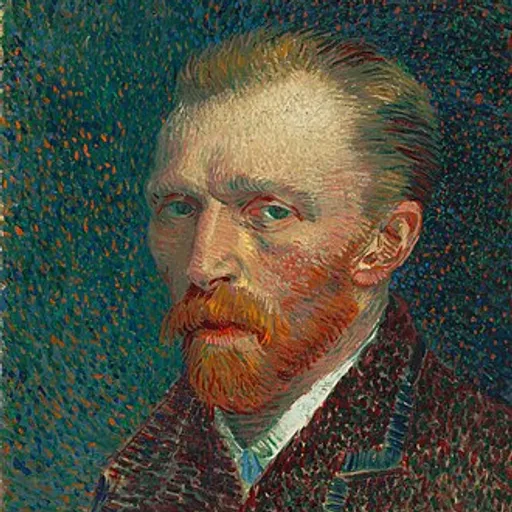
49He sold maybe one painting in his lifetime, cut off his own ear in a fit of crisis, and died by suicide at 37 — then became the posthumous patron saint of tortured genius once Starry Night's swirling cypresses and wheat fields caught the world's imagination. His thick, urgent brushstrokes turned paint itself into raw emotional weather, a direct line to Expressionism and every artist since who's tried to paint feeling rather than just appearance. The tragedy of his unrecognized life only sharpened the myth that made him art history's most beloved outsider.
Era: 1800s
added by Yourlist Editorialin 2 rankingsVincent van Gogh
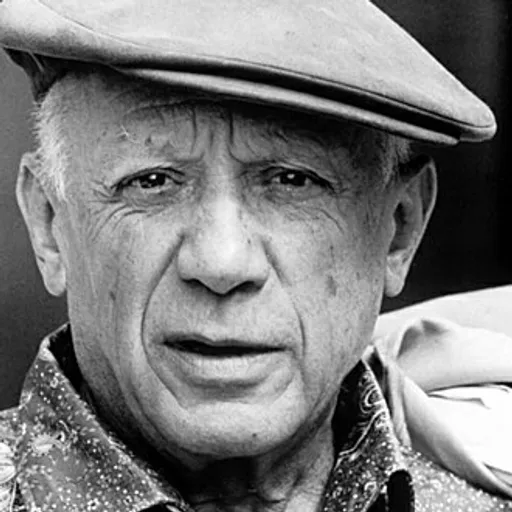
33With 1907's Les Demoiselles d'Avignon he shattered the picture plane into fractured, African-mask-inflected geometry and basically invented Cubism in a single canvas, dragging painting into the 20th century by force. He kept reinventing himself every decade — Blue Period, classicism, Guernica's anguished protest, late erotic scribbles — proving reinvention itself could be a career strategy. No other modern artist touched more movements or produced more sheer volume of era-defining work.
Era: 1900s
added by Yourlist Editorialin 2 rankingsPablo Picasso
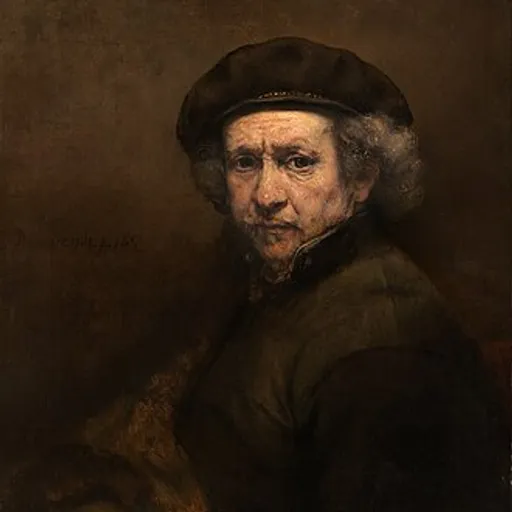
18In The Night Watch he took a stiff group militia portrait and blew it open into a chaotic, light-drenched drama, proving Dutch painting could rival any grand history scene. His relentless self-portraits, dozens across a lifetime, invented a kind of visual diary of aging and psychological interiority that photography wouldn't attempt for centuries. Command of chiaroscuro — that deep, velvety dark cut by a single shaft of gold light — became the template every dramatic painter since has quietly borrowed.
Era: 1600s
added by Yourlist EditorialRembrandt
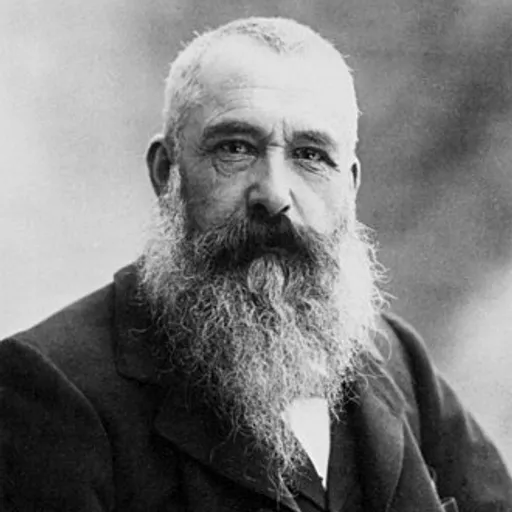
7He painted the same haystack, the same Rouen Cathedral facade, over and over at different hours just to chase how light itself changes everything, and in doing so basically willed Impressionism into existence with 1872's Impression, Sunrise. His late-life Water Lilies, painted half-blind with cataracts in his Giverny garden, dissolved into vast abstract fields of color that quietly predicted where painting was headed decades before anyone else got there. He taught the world to see atmosphere instead of objects.
Era: 1800s
added by Yourlist Editorialin 2 rankingsClaude Monet
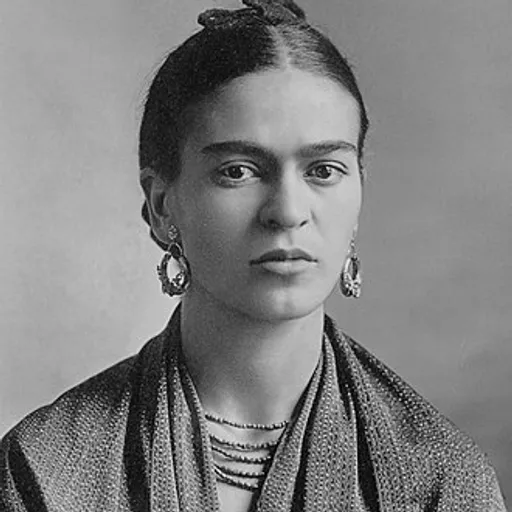
3Bedridden after a bus accident shattered her spine, she turned a mirror bolted above her bed into a lifelong confrontation with pain, identity, and Mexican heritage, producing self-portraits so unflinching they turned autobiography into high art. The Two Fridas and her surreal, blood-and-thorns imagery made suffering and selfhood explicitly political, feminist, and personal decades before that was fashionable. She's become the rare painter whose face is as iconic as her canvases — a global symbol of resilience as much as an artist.
Era: 1900s
added by Yourlist Editorialin 3 rankingsFrida Kahlo
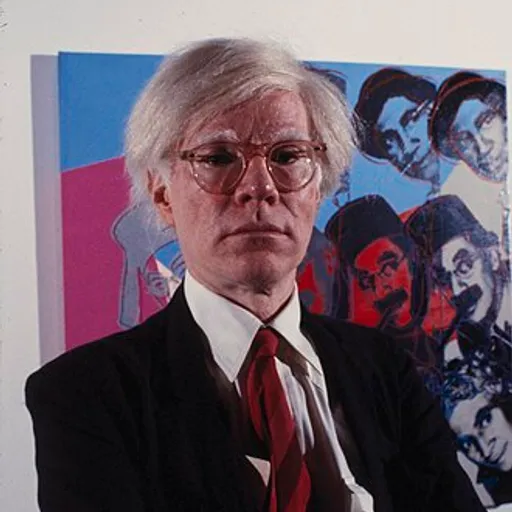
-7He silkscreened a Campbell's Soup can and Marilyn Monroe's face into mass-produced repetition, collapsing the line between fine art, celebrity, and consumer product forever. His Factory turned art-making into a machine-like enterprise and made 'famous for fifteen minutes' a prophecy about the culture he helped invent. Every meme, every ironic embrace of branding as art, every artist who treats reproduction itself as the medium is working in Warhol's shadow.
Era: 1900s
added by Yourlist Editorialin 2 rankingsAndy Warhol
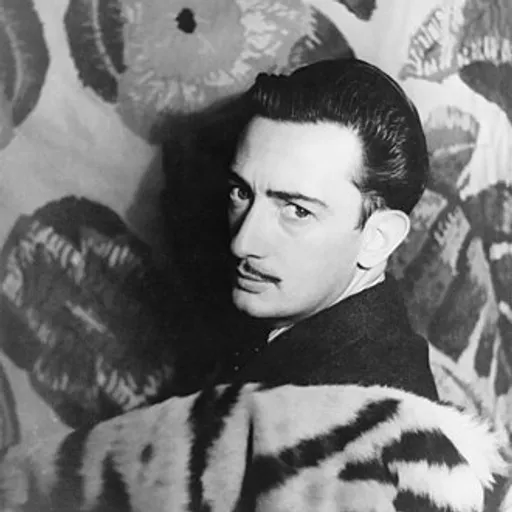
-33He melted clocks across a dreamscape in The Persistence of Memory and made Surrealism's unconscious-mind theories instantly, iconically visual — no other image sells 'melting time' faster. His theatrical mustache-twirling public persona turned the artist into a walking performance art piece, blurring self-promotion and painting decades before that became standard practice. Whatever you think of the showmanship, he gave Freud's dream logic a permanent, unforgettable canvas.
Era: 1900s
added by Yourlist Editorialin 2 rankingsSalvador Dalí
-34Hokusai
His woodblock print The Great Wave off Kanagawa — one tiny boat dwarfed by a cresting, claw-like swell with Mount Fuji small in the background — became arguably the most reproduced image in art history, out of a series he made in his seventies. He proved ukiyo-e could carry the same weight as Western fine art, and when his prints flooded Europe they detonated Japonisme, reshaping Monet, Van Gogh, and Art Nouveau alike. A man who called himself 'old man mad about drawing' ended up quietly rewiring the entire trajectory of Western modern art.
Era: 1800s
added by Yourlist Editorial
-41