Most influential ancient leaders
From empire builders to lawgivers, ancient leaders shaped the course of civilization long before modern nations existed, leaving legacies etched in stone, scripture, and legend. Their decisions on the battlefield and in the halls of power still echo through our institutions, borders, and beliefs today. Which of these towering figures do you think left the deepest mark on history? Cast your vote and help settle the debate.
What counts: Seeded with approximate figures where shown — the crowd's votes decide the order.
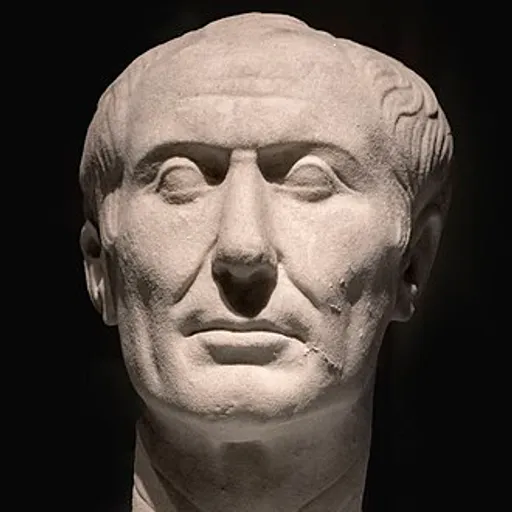
Julius Caesar▲ Rising
He crossed the Rubicon with a single legion and gambled the entire Roman Republic on his own ambition — and won, gutting five centuries of senatorial rule in a civil war that took barely four years. His assassination on the Ides of March didn't restore the Republic he'd shattered; it just cleared the stage for his heir to finish the job. Few men have ever engineered their own martyrdom into a permanent political revolution quite so efficiently.
Era: Rome
added by IJRin 5 rankings
47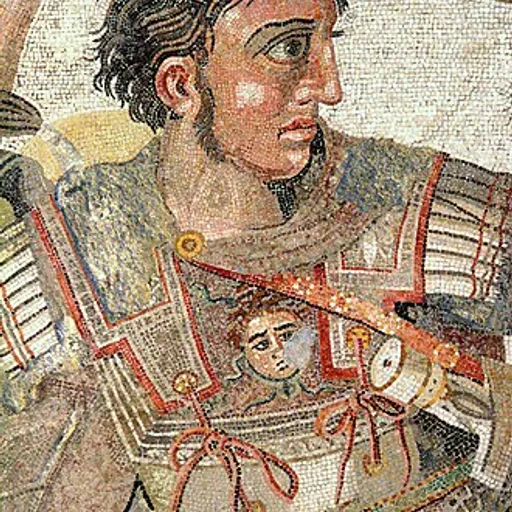
Alexander the Great▲ Rising
By 26 he'd never lost a battle, torching Persepolis and toppling the Achaemenid Empire that had ruled the known world for two centuries. He pushed to India, founded some twenty cities bearing his name, and fused Greek and Eastern cultures into the Hellenistic world that Rome would later inherit wholesale. Dead at 32 with no heir and no plan, he still managed to redraw the map of civilization more thoroughly than rulers who reigned five times as long.
Era: Macedon
added by IJRin 5 rankingsAlexander the Great
41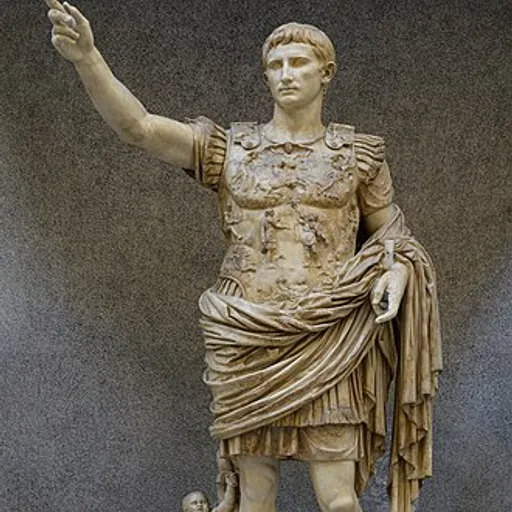
Augustus▲ Rising
He was the teenage grand-nephew nobody took seriously until he out-maneuvered Antony, Cleopatra, and every other claimant to become Rome's first emperor while insisting he'd merely 'restored the Republic.' That political sleight of hand bought two centuries of Pax Romana, a functioning bureaucracy, and a model of one-man rule so durable that 'Caesar' became a job title from Russia to Germany. Caesar had the vision and the guts; Augustus had the patience to actually make an empire work.
Era: Rome
added by IJRin 2 rankingsAugustus
30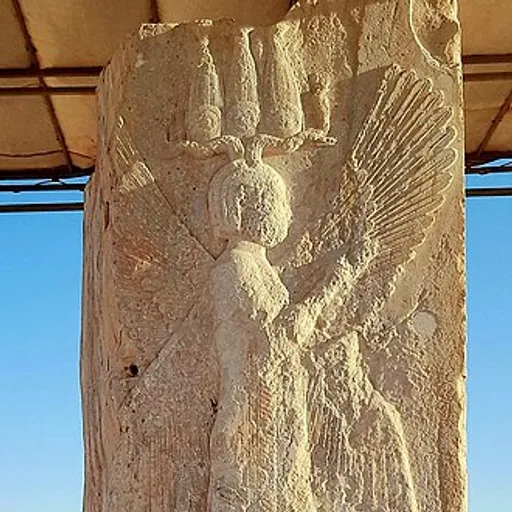
Cyrus the Great▲ Rising
He conquered Babylon in 539 BC and then did something almost nobody in the ancient world did: he freed the captive peoples, let the Jews return to Jerusalem, and issued what's remembered as history's first charter of human rights on the Cyrus Cylinder. He built the Persian Empire as a genuine multicultural machine — respecting local customs, religions, and languages instead of erasing them. That template of tolerant imperial rule outlived his dynasty and quietly influenced everyone from Alexander to the Founding Fathers.
Era: Persia
added by IJRin 2 rankingsCyrus the Great
12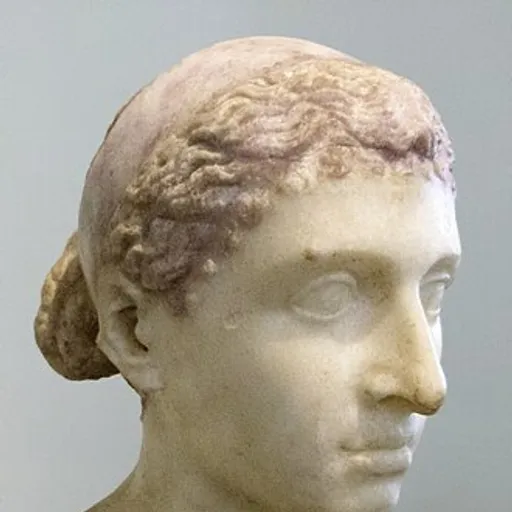
Cleopatra▲ Rising
The last active ruler of the Ptolemaic dynasty, she seduced and allied with both Caesar and Antony not out of romance but raw statecraft, trying to keep Egypt independent against the Roman juggernaut swallowing the Mediterranean. She lost — her death in 30 BC ended three thousand years of pharaonic rule and handed Augustus the final piece of his empire — but she nearly out-played Rome itself, and no ancient woman has cast a longer shadow over politics, art, and legend since.
Era: Egypt
added by IJRin 3 rankings
6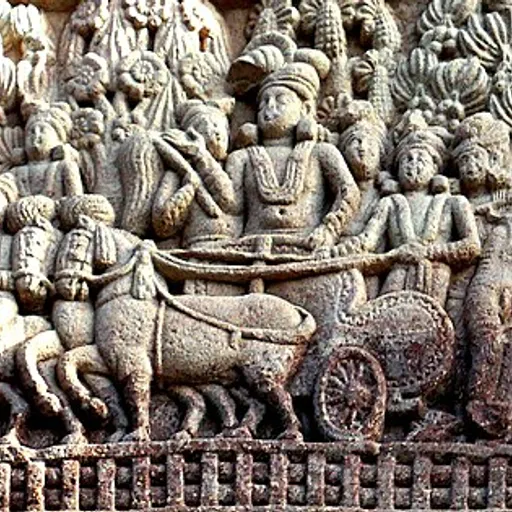
Ashoka
He conquered Kalinga in a bloodbath so horrifying — by his own account, over 100,000 dead — that he renounced war entirely and converted to Buddhism, then spent the rest of his reign carving edicts on rocks and pillars preaching nonviolence, religious tolerance, and welfare for his subjects. No other ancient emperor voluntarily disarmed at the peak of his power and rebuilt his legacy around compassion instead of conquest. He turned Buddhism from a regional sect into a world religion, and his lion capital still sits on India's national emblem today.
Era: India
added by IJR
6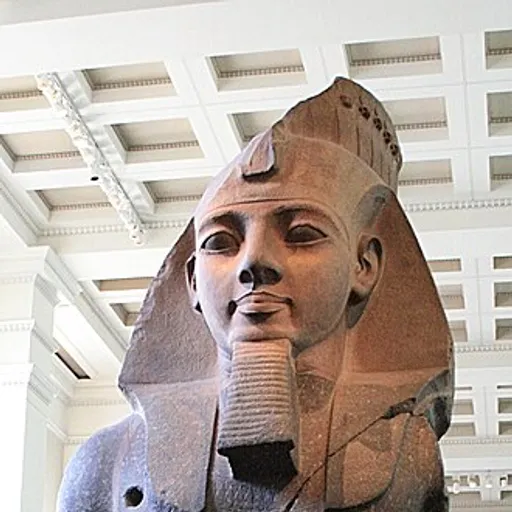
He ruled Egypt for 66 years, fought the Hittites to a standstill at Kadesh, then spun the stalemate into the world's first recorded peace treaty and plastered his own propaganda about it across a hundred monuments. Abu Simbel, the Ramesseum, more surviving statues and temples than any other pharaoh — he didn't just rule Egypt, he built the version of it that tourists still gawk at three thousand years later. Longevity plus branding made him the pharaoh against whom all others are measured.
Era: Egypt
added by IJRRamesses II
4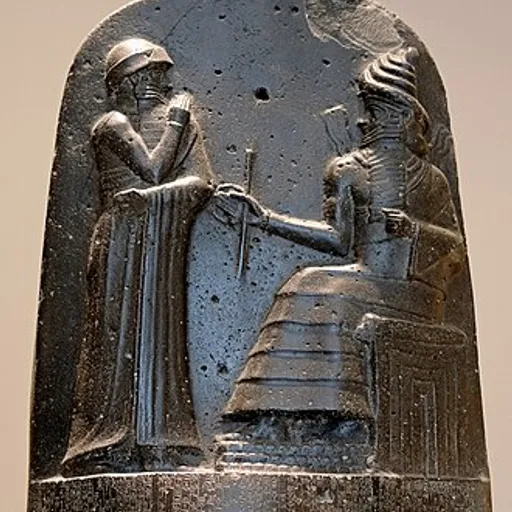
Around 1754 BC he carved 282 laws into an eight-foot stone stele and planted it in public for all Babylon to see — 'an eye for an eye' wasn't poetry, it was policy, and it was the first time a ruler codified justice as something above his own whims. He unified Mesopotamia under Babylon's rule, but his real legacy is the idea that law itself, not just the king's mood, should govern society. Every legal code since, in some genealogical sense, owes him a footnote.
Era: Babylon
added by IJRHammurabi
-6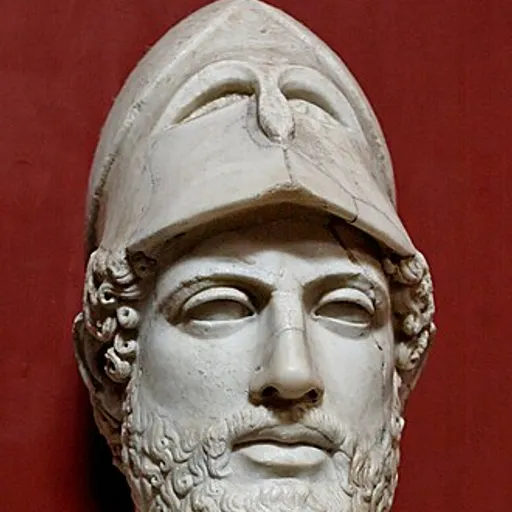
Pericles▼ Falling
For roughly three decades he steered Athens through its Golden Age, funneling the Delian League's treasury into the Parthenon and turning a war alliance into an Athenian empire in all but name. Under his watch, Athenian democracy, tragedy, philosophy, and art all peaked simultaneously — he didn't invent democracy, but he's the reason we remember it as glorious rather than just functional. He also dragged Athens into the Peloponnesian War that would eventually ruin it, proof that even the architect of a golden age can't outrun the empire's own contradictions.
Era: Athens
added by IJRPericles
-13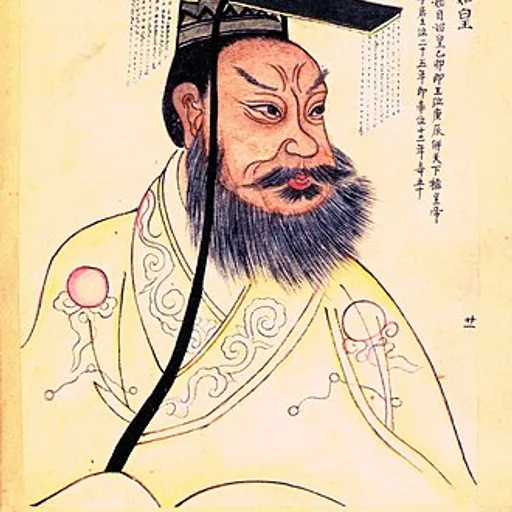
Qin Shi Huang▼ Falling
He was the first man to unify China's warring states in 221 BC, then standardized its writing, currency, and roads with a ruthlessness that also meant burning books and burying scholars alive who disagreed with him. He linked fortifications into the beginning of the Great Wall and built an underground army of 8,000 terracotta soldiers to guard him in death, obsessed to the end with immortality he never found. His dynasty collapsed within years of his death, but the unified China he forged has essentially never come apart since.
Era: China
added by IJRin 2 rankingsQin Shi Huang
-16
Keep ranking
Comments (9)
Free account · your comment posts right after signup
Exactly the kind of argument the internet was built for.
Voted — and the gap between #1 and #2 should be bigger.
The crowd is sleeping on the bottom half of this list.
This order is closer to right than any editor would've gotten.