Most influential civil rights leaders
The fight for civil rights has been shaped by countless voices, marches, and moments of courage that reshaped laws and hearts alike. Ranking the most influential leaders isn't just a history exercise—it's a way to reflect on whose vision and sacrifice still guide the pursuit of justice today. Cast your vote and help decide whose legacy stands tallest.
What counts: Seeded with approximate figures where shown — the crowd's votes decide the order.
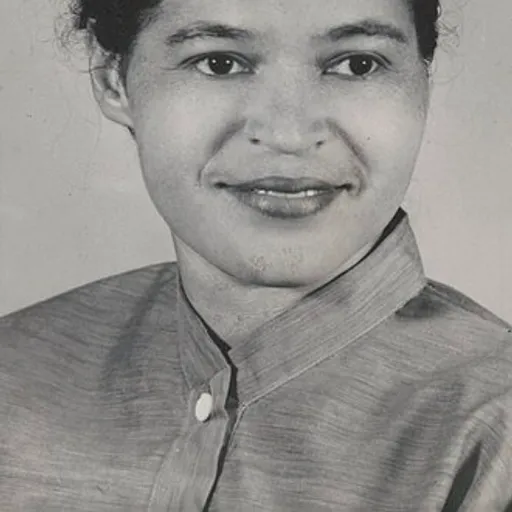
Rosa Parks▲ Rising
She didn't stand up by refusing to stand up — she'd been an NAACP investigator for over a decade before that December evening in 1955, which is exactly why her arrest ignited a 381-day boycott instead of fizzling out. Montgomery bent, the Supreme Court struck down bus segregation, and a soft-spoken seamstress became the spark that proved organized dignity could break a system. Her quiet refusal is the movement's most iconic single act.
Era: 1900s
added by IJRin 2 rankingsRosa Parks
67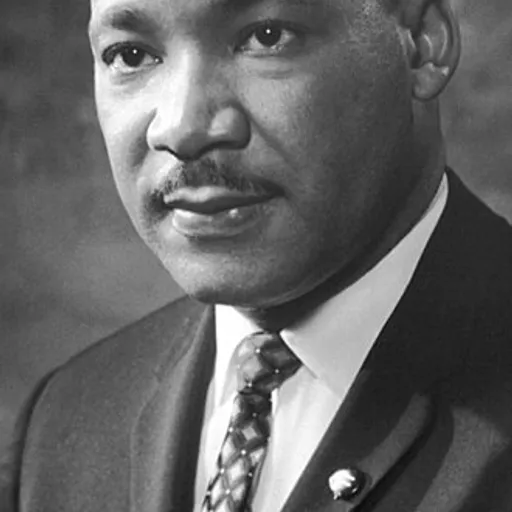
Martin Luther King Jr.▲ Rising
On the steps of the Lincoln Memorial in 1963, he turned a march into scripture, fusing Gandhian nonviolence with Baptist cadence to make moral clarity impossible to ignore. The Civil Rights and Voting Rights Acts followed within two years, legislation soaked in his blood and rhetoric. No one converted more of America's conscience into law, which is why he sits atop nearly every list like this one.
Era: 1900s
added by IJRin 2 rankingsMartin Luther King Jr.
66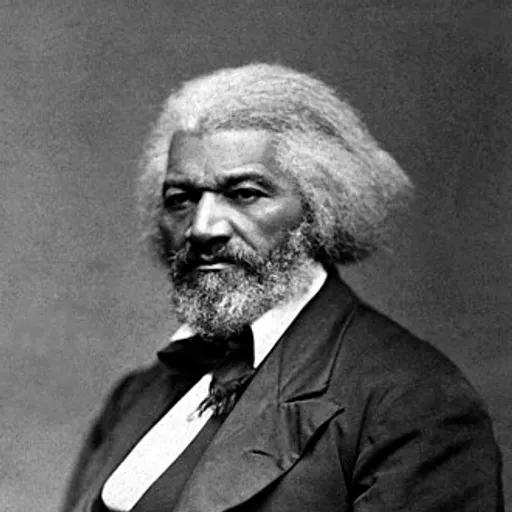
Frederick Douglass▲ Rising
Born enslaved, he taught himself letters in secret and turned that stolen literacy into 'Narrative of the Life,' a memoir so devastatingly precise it made abolition undeniable to readers who'd never met a Black man face to face. He advised Lincoln, recruited Black troops for the Union, and kept demanding full citizenship long after emancipation was won. As the founding voice of Black American political oratory, everyone after him is writing in margins he drew.
Era: 1800s
added by IJRFrederick Douglass
49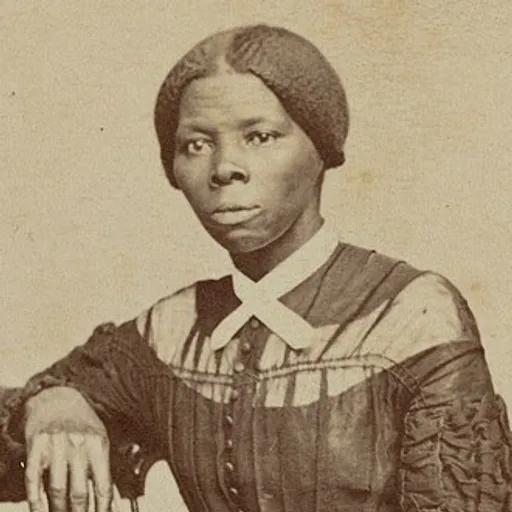
Harriet Tubman▲ Rising
Nineteen trips back into slave territory, zero passengers lost — she ran the Underground Railroad like a general, armed and unyielding, once threatening to shoot a fugitive who wanted to turn back. She then became the only woman to lead a Civil War military raid, freeing over 700 more people at Combahee Ferry. Her ranking rests on raw, physical courage: she didn't just argue for freedom, she went and got it herself, repeatedly, at gunpoint.
Era: 1800s
added by IJRin 3 rankingsHarriet Tubman
33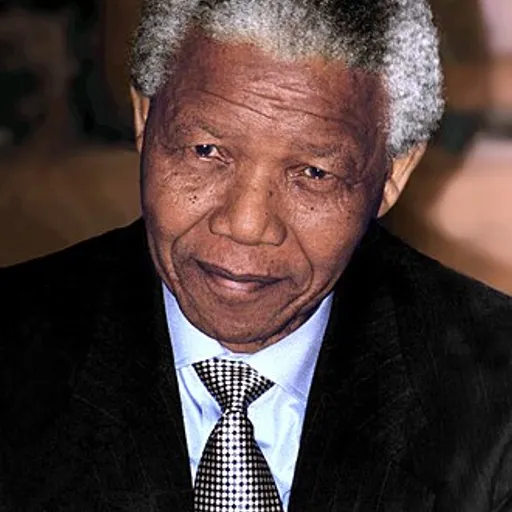
Nelson Mandela▲ Rising
Twenty-seven years in prison, including back-breaking labor on Robben Island, didn't produce a broken man or a vengeful one — it produced South Africa's first Black president, who chose reconciliation over retribution and made his jailers watch him forgive. He dismantled apartheid's legal architecture and then, astonishingly, walked away from power after one term. His global stature earns him a spot here even beyond the U.S.-centric frame: he's proof the struggle for civil rights was never just American.
Era: 1900s
added by IJRin 8 rankingsNelson Mandela
9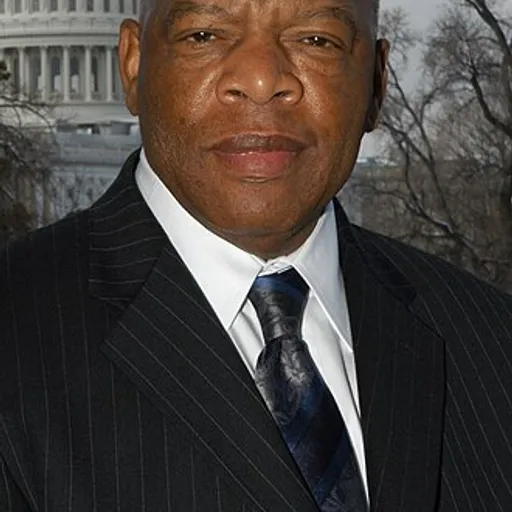
John Lewis
His skull was fractured by a state trooper's billy club on the Edmund Pettus Bridge in 1965, and the footage of 'Bloody Sunday' shamed Congress into passing the Voting Rights Act within months. He carried that same 'good trouble' into 33 years as a congressman, the last living bridge between the movement's front lines and its legislative afterlife. Few people paid a higher physical price and then spent six decades cashing that sacrifice into policy.
Era: 1900s
added by IJR
0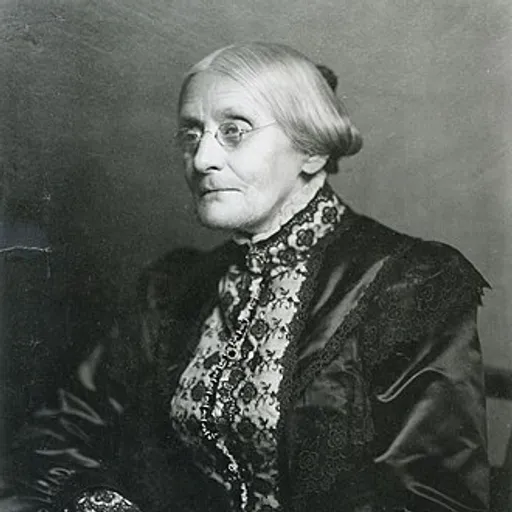
Arrested in 1872 for the crime of voting, she turned her trial into a national referendum on whether 'We the People' included women, refusing to pay her fine and daring the government to enforce it. Decades of relentless organizing with the National Woman Suffrage Association laid the entire infrastructure the 19th Amendment would later ride in on, though she died 14 years before it passed. Her inclusion widens this list's aperture: civil rights was never only about race, and she's the reason half the country can vote at all.
Era: 1800s
added by IJRin 2 rankingsSusan B. Anthony
0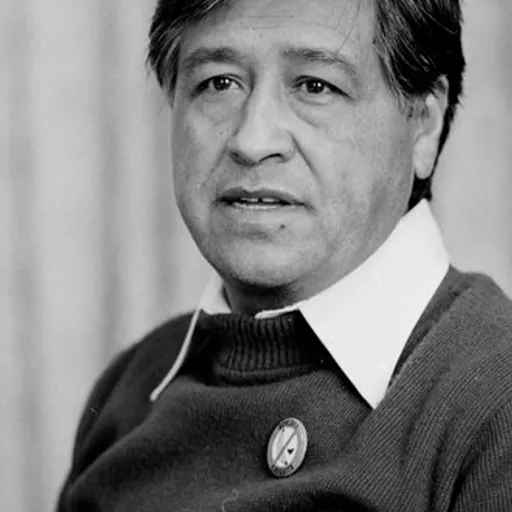
Cesar Chavez
He starved himself for 25 days in 1968 to keep the Delano grape strike nonviolent, turning his own body into the argument when words about farmworker exploitation weren't landing. The United Farm Workers he built with Dolores Huerta won real contracts, real wages, and forced America to see the mostly-invisible Latino laborers feeding it. He belongs here because he proved civil rights organizing wasn't a Black-white story alone — it was a template anyone facing structural exploitation could pick up and use.
Era: 1900s
added by IJR
-2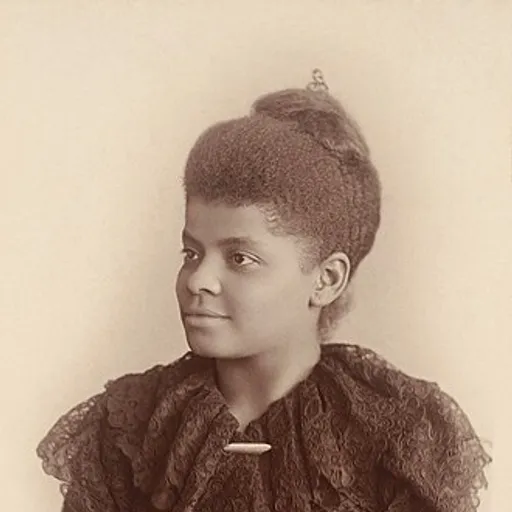
Ida B. Wells▼ Falling
She hand-documented and published the grim statistical truth of lynching in 'Southern Horrors,' using data as a weapon decades before that was standard practice, and had her Memphis press burned down for the trouble. She co-founded the NAACP yet was written out of its early leadership photos for being too radical and too female for comfortable rooms. Her place here is a correction: she was doing the movement's most dangerous investigative work before most of this list was even born.
Era: 1800s
added by IJRIda B. Wells
-24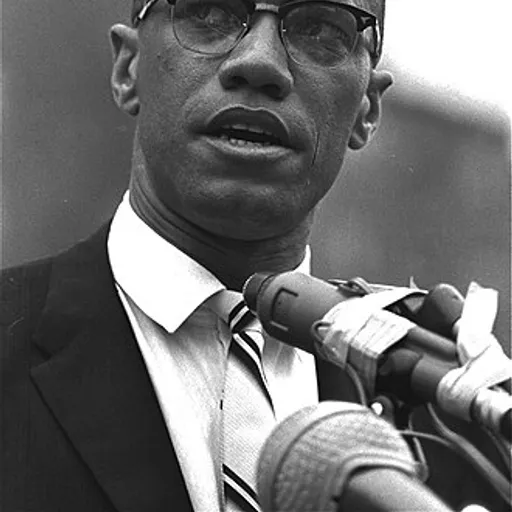
Malcolm X▼ Falling
He told Black America to stop waiting politely and start defending itself 'by any means necessary,' and that fury, delivered with surgical intelligence, cracked open a conversation King's gentler approach couldn't reach alone. His pilgrimage to Mecca in 1964 complicated his own narrative, softening his rhetoric on race just before an assassin's bullets ended him at 39. He's ranked here because the movement needed its uncompromising edge as much as its diplomacy — the fear of Malcolm made the promise of King easier to accept.
Era: 1900s
added by IJRMalcolm X
-43
Keep ranking
Comments (6)
Free account · your comment posts right after signup
Exactly the kind of argument the internet was built for.
This order is closer to right than any editor would've gotten.
- VVera RossiJul 29, 2026
Voted — and the gap between #1 and #2 should be bigger.