
⛪Best Preachers of All Time
Preachers have shaped faith, ethics, and culture through spoken words that moved millions. Lasting impact depends on reach, recorded influence, and enduring legacy rather than fleeting fame. Compare the candidates and vote for those whose messages still resonate strongest.
What counts: Best means greatest historical influence on listeners, volume of impactful preaching, and lasting theological or social legacy; figures are approximate where records are incomplete.
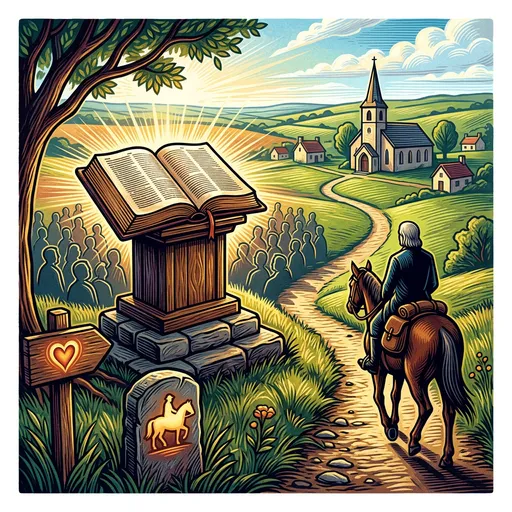
Wesley rode 250,000 miles on horseback and preached more than 40,000 times, founding Methodist societies across Britain and the colonies. Open-air field preaching reached working-class crowds ignored by established churches. His organizational genius turned converts into disciplined small groups that outlasted him.
Era: 18th centuryInfluence: 9/10Sermons: 40,000 approxKey Works: Journals & hymnsDenomination: Methodist
- Unmatched travel endurance
- Small-group discipleship model
- Social reform advocacy
- Ordination conflicts with Anglicans
- Some sermons repetitive
- Family strains from schedule
added by Yourlist EditorialJohn Wesley
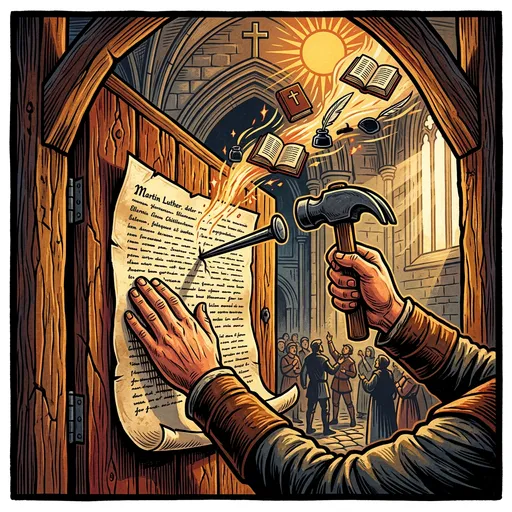
19Luther's pulpit attacks on indulgences and his 1522 Wittenberg sermons rallied German princes and commoners alike. His translation of Scripture into vernacular German let congregations hear the text directly. Luther's Reformation preaching redefined authority in Western Christianity.
Era: 16th centuryInfluence: 9/10Sermons: 2,000 approxKey Works: 95 Theses & catechismsDenomination: Lutheran
- Scripture translation impact
- Bold public stand
- Catechism teaching tool
- Later anti-Jewish writings
- Peasant-war ambivalence
- Harsh rhetoric
added by Yourlist Editorialin 5 rankingsMartin Luther
15The 19th-century 'Prince of Preachers' delivered over 3,600 sermons to packed London halls, with many printed and read worldwide. His plain language and vivid illustrations turned common listeners into lifelong believers. Spurgeon's printed sermons outsold most contemporary authors and still anchor Reformed training today.
Era: 19th centuryInfluence: 9/10Sermons: 3,600 approxKey Works: 63 volumesDenomination: Baptist
- Massive printed output still read
- Clear expository style
- Founded pastors' college
- Health struggles cut later years
- Controversial down-grade dispute
- Limited global travel
added by Yourlist Editorialin 2 rankingsCharles Spurgeon
14King's pulpit oratory fused biblical cadence with calls for justice, most famously at the 1963 March on Washington. Weekly sermons at Ebenezer Baptist grounded the civil-rights movement in Christian nonviolence. His preaching style and moral framing continue to shape public rhetoric.
Era: 20th centuryInfluence: 9/10Sermons: 800 approxKey Works: Letter from Birmingham JailDenomination: Baptist
- Moral clarity on justice
- Rhetorical power
- Global nonviolent model
- Assassination cut ministry short
- FBI surveillance limited reach
- Some sermons ghost-written
added by Yourlist Editorialin 3 rankingsMartin Luther King Jr.
13Whitefield's dramatic open-air preaching drew crowds of 20,000 or more in fields from England to the American colonies. His voice carried without amplification and his theatrical delivery converted thousands during the Great Awakening. He helped spark transatlantic evangelical networks that persist today.
Era: 18th centuryInfluence: 8/10Sermons: 18,000 approxKey Works: Journals & lettersDenomination: Anglican
- Extraordinary vocal power
- Colonial tour impact
- Orphanage founding
- Calvinist disputes with Wesley
- Health collapsed young
- Few written sermon texts survive
added by Yourlist EditorialGeorge Whitefield
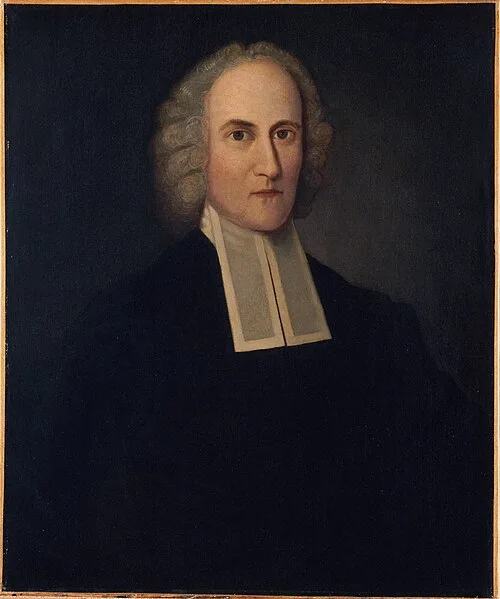
11Edwards' 1741 sermon 'Sinners in the Hands of an Angry God' helped ignite the First Great Awakening across New England. His careful philosophical defense of revival shaped later evangelical theology. Edwards combined rigorous intellect with vivid imagery that still appears in seminary reading lists.
Era: 18th centuryInfluence: 8/10Sermons: 1,200 approxKey Works: Freedom of the WillDenomination: Congregational
- Theological depth
- Revival documentation
- Yale and Princeton ties
- Dismissed from Northampton pulpit
- Dense prose for modern readers
- Limited popular appeal outside academia
added by Yourlist EditorialJonathan Edwards
9Moody's Chicago Sunday school and later urban revivals reached working-class immigrants with plain-language messages. He founded Bible institutes that trained thousands of lay workers. Moody's focus on personal conversion rather than denominational loyalty influenced modern parachurch movements.
Era: 19th centuryInfluence: 8/10Sermons: 10,000 approxKey Works: Moody Bible InstituteDenomination: Congregational
- Urban mission innovation
- Lay leadership emphasis
- Institutional legacy
- Limited formal education
- Theology sometimes shallow
- Northfield conferences faded
added by Yourlist EditorialDwight Lyman Moody
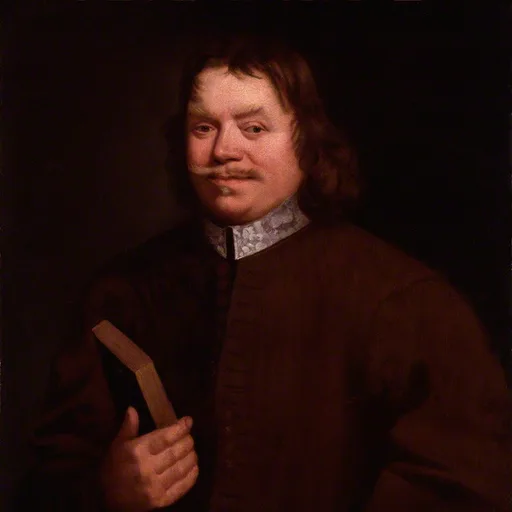
9Bunyan's Bedford jail sermons and allegorical preaching reached common readers through Pilgrim's Progress. His vivid storytelling translated doctrinal truths into narrative that ordinary listeners could follow. Bunyan's work remains one of the most reprinted English-language Christian texts.
Era: 17th centuryInfluence: 7/10Sermons: 300 approxKey Works: Pilgrim's ProgressDenomination: Baptist
- Narrative preaching gift
- Enduring literary reach
- Prison ministry example
- Limited formal training
- Few recorded actual sermons
- Narrow nonconformist focus
added by Yourlist Editorialin 2 rankingsJohn Bunyan
9Augustine's North African sermons and treatises shaped Western theology for centuries after the fall of Rome. His conversion story preached from the pulpit became the model for later autobiographical preaching. City of God and Confessions supplied arguments still used in seminaries.
Era: 4th-5th centuryInfluence: 9/10Sermons: 500 approxKey Works: City of GodDenomination: Catholic
- Philosophical rigor
- Enduring doctrinal framework
- Personal conversion narrative
- Dense Latin style
- Manichaean past controversies
- Limited popular accessibility
added by Yourlist EditorialAugustine of Hippo
7Brooks' Trinity Church sermons in Boston combined scholarly depth with warm delivery that drew overflow crowds in the Gilded Age. His 1877 Yale lectures on preaching became required reading for seminarians. Brooks wrote the carol 'O Little Town of Bethlehem' from pulpit themes.
Era: 19th centuryInfluence: 7/10Sermons: 1,500 approxKey Works: Lectures on PreachingDenomination: Episcopal
- Eloquent style
- Yale lectures standard
- Broad cultural respect
- Liberal theology shift
- Short life span
- Few recordings survive
added by Yourlist EditorialPhillips Brooks
7Finney's 'new measures' revivalism in the 1830s used anxious benches and extended meetings that became standard in American evangelicalism. His Oberlin lectures trained generations of revival preachers. Finney's pragmatic methods prioritized results over tradition.
Era: 19th centuryInfluence: 7/10Sermons: 3,000 approxKey Works: Lectures on RevivalsDenomination: Presbyterian
- Revival methodology
- Oberlin social reform
- Written lectures widely used
- Theological Pelagian leanings
- Controversial methods
- Health collapse
added by Yourlist EditorialCharles Grandison Finney
7Graham preached to more than 200 million people across live crusades on six continents between 1947 and 2005. Stadium events combined simple gospel calls with follow-up counseling that built lasting church networks. His access to presidents and media amplified evangelical reach for decades.
Era: 20th centuryInfluence: 9/10Sermons: 2,000 approxKey Works: 30+ booksDenomination: Baptist
- Global crusade scale
- Media mastery
- Non-partisan moral voice
- Simplified message drew criticism
- Early segregation compromises
- Successor transition uneven
added by Yourlist Editorialin 2 rankingsBilly Graham
6Chrysostom's golden-tongued sermons in Antioch and Constantinople confronted corruption and comforted the poor in the late fourth century. His verse-by-verse expositions of Paul remain standard in Eastern and Western churches. Exiled for criticizing the empress, his words outlasted his opponents.
Era: 4th centuryInfluence: 8/10Sermons: 700 approxKey Works: Homilies on PaulDenomination: Eastern Orthodox
- Expository depth
- Social justice emphasis
- Liturgical influence
- Political exile ended career
- Ascetic severity
- Few original manuscripts
added by Yourlist EditorialJohn Chrysostom
3McPherson's theatrical Los Angeles revivals and radio broadcasts in the 1920s-1930s pioneered media-savvy evangelism. Her illustrated sermons drew 10,000 weekly to Angelus Temple. McPherson founded the Foursquare denomination that still operates globally.
Era: 20th centuryInfluence: 7/10Sermons: 500 approxKey Works: This Is ThatDenomination: Foursquare
- Media pioneer
- Women's leadership model
- Denominational founding
- Scandal-plagued career
- Theatrical style divisive
- Limited theological depth
added by Yourlist EditorialAimee Semple McPherson
3Lloyd-Jones' Westminster Chapel expositions from 1939 to 1968 revived careful doctrinal preaching in postwar Britain. His Romans and Ephesians series trained a generation of Reformed pastors. Lloyd-Jones insisted on Spirit-dependent, verse-by-verse delivery that rejected entertainment models.
Era: 20th centuryInfluence: 8/10Sermons: 1,500 approxKey Works: Romans seriesDenomination: Independent
- Expository rigor
- Physician-trained clarity
- Revival emphasis
- Separatist later years
- No media recordings early
- Health decline shortened ministry
added by Yourlist EditorialMartyn Lloyd-Jones
3Maclaren's Manchester pulpit expositions from 1858 to 1903 set the standard for careful verse-by-verse Baptist preaching. His published sermons filled multiple volumes and were used by pastors on both sides of the Atlantic. Maclaren modeled patient textual study over topical flair.
Era: 19th-20th centuryInfluence: 7/10Sermons: 2,500 approxKey Works: Expositions of ScriptureDenomination: Baptist
- Textual depth
- Published volumes
- Long consistent ministry
- Reserved personality
- Limited social engagement
- No radio era reach
added by Yourlist EditorialAlexander Maclaren
2Chalmers' Scottish pulpit and 1815-1843 leadership in the Disruption created the Free Church of Scotland through fervent preaching on parish renewal. His astronomical discourses drew university crowds. Chalmers combined evangelical zeal with social economics.
Era: 19th centuryInfluence: 7/10Sermons: 1,000 approxKey Works: Astronomical DiscoursesDenomination: Free Church
- Social vision
- University outreach
- Denominational founding
- Economic theories dated
- Limited international reach
- Health issues
added by Yourlist EditorialThomas Chalmers
2Booth's open-air preaching to London's poor led to the Salvation Army's brass-band evangelism and social services. His 1865 mission meetings combined urgent calls to conversion with immediate aid. Booth's military-style organization spread street preaching worldwide.
Era: 19th-20th centuryInfluence: 7/10Sermons: 5,000 approxKey Works: In Darkest EnglandDenomination: Salvation Army
- Social action integration
- Military discipline model
- Global expansion
- Authoritarian leadership
- Family conflicts
- Theological simplicity
added by Yourlist EditorialWilliam Booth
1Baxter's Kidderminster ministry transformed a rowdy parish through systematic catechizing and weekly preaching. His Reformed Pastor manual guided generations of ministers on diligent shepherding. Baxter's balance of Calvinist doctrine and practical piety still appears in pastoral libraries.
Era: 17th centuryInfluence: 7/10Sermons: 2,000 approxKey Works: The Reformed PastorDenomination: Puritan
- Pastoral method book
- Parish transformation record
- Ecumenical spirit
- Imprisoned for nonconformity
- Health-limited later years
- Theological disputes with colleagues
added by Yourlist EditorialRichard Baxter
0Knox's fiery Scottish pulpit oratory helped drive the Reformation and establish Presbyterian order. His 1558 blasts against Mary Tudor and Mary Queen of Scots linked preaching with political resistance. Knox's Geneva liturgy and Scottish Confession set patterns for Reformed worship.
Era: 16th centuryInfluence: 7/10Sermons: 400 approxKey Works: Scottish ConfessionDenomination: Presbyterian
- Political courage
- Liturgical legacy
- Scottish national church
- Intolerant toward Catholics
- Few surviving sermon texts
- Short tenure in Scotland
added by Yourlist EditorialJohn Knox
-2Fosdick's Riverside Church pulpit addressed modern doubts with psychological insight and social gospel themes in the 1920s-1940s. His radio addresses reached millions and popularized liberal Protestant preaching. Fosdick's emphasis on pastoral counseling influenced mainline ministry training.
Era: 20th centuryInfluence: 7/10Sermons: 1,200 approxKey Works: On Being a Real PersonDenomination: Baptist
- Modern psychological approach
- Radio innovation
- Social ethics focus
- Fundamentalist battles
- Doctrinal liberalism criticized
- Large-church model expensive
added by Yourlist EditorialHarry Emerson Fosdick
-2Stott's All Souls Langham Place pulpit and global writing ministry shaped evangelical Anglicanism after World War II. His clear expositions and Lausanne Covenant leadership bridged British and Majority-World churches. Stott modeled single-minded focus on Scripture over personality.
Era: 20th centuryInfluence: 8/10Sermons: 2,000 approxKey Works: Basic ChristianityDenomination: Anglican
- Global mentoring
- Clear writing
- Social concern balance
- Quiet personality less dramatic
- Limited U.S. pulpit time
- Later years withdrawn
added by Yourlist EditorialJohn Stott
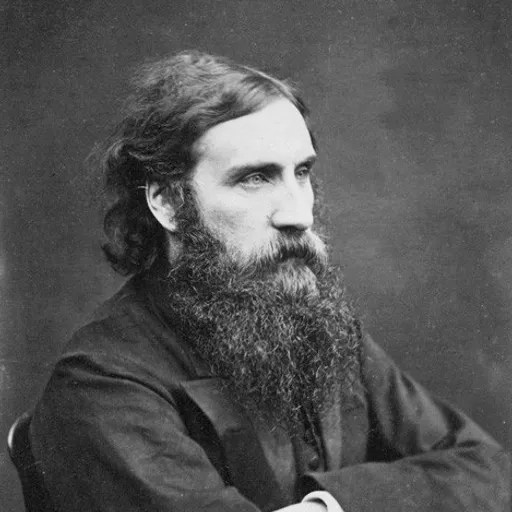
-2MacDonald's Scottish and English sermons blended imaginative storytelling with universalist-leaning theology that influenced later writers like C.S. Lewis. His emphasis on God's fatherhood over wrath shaped Victorian devotional preaching. MacDonald's fairy-tale sermons reached literary audiences.
Era: 19th centuryInfluence: 6/10Sermons: 400 approxKey Works: Unspoken SermonsDenomination: Congregational
- Imaginative language
- Literary influence
- Pastoral warmth
- Theological unorthodoxy
- Smaller congregations
- Few mass conversions recorded
added by Yourlist EditorialGeorge MacDonald
-2Beecher's Plymouth Church sermons in Brooklyn blended abolitionist fire with emotional appeals that filled pews in the 1850s-1880s. His dramatic style and celebrity status made preaching a national conversation. Beecher's trial overshadowed later legacy.
Era: 19th centuryInfluence: 6/10Sermons: 1,500 approxKey Works: NorwoodDenomination: Congregational
- Abolitionist pulpit
- Emotional power
- National profile
- Adultery scandal
- Theological drift
- Reputation collapse
added by Yourlist EditorialHenry Ward Beecher
-3Parker's City Temple ministry in London drew intellectual crowds with dramatic, extemporaneous sermons from 1869 to 1901. His weekly printed addresses reached nonconformist readers across Britain. Parker combined prophetic denunciation with pastoral tenderness.
Era: 19th centuryInfluence: 6/10Sermons: 2,000 approxKey Works: The People's BibleDenomination: Congregational
- Dramatic delivery
- Intellectual engagement
- Weekly publication
- Theatrical excess
- Few recordings
- Successor gap
added by Yourlist EditorialJoseph Parker
-6Bonar's Scottish pulpit and diary-keeping ministry complemented M'Cheyne's revival work with steady pastoral preaching. His commentary on Leviticus and revival accounts guided later ministers. Bonar modeled quiet, consistent exposition over dramatic revivalism.
Era: 19th centuryInfluence: 6/10Sermons: 2,000 approxKey Works: Leviticus commentaryDenomination: Free Church
- Steady pastoral record
- Written commentaries
- Revival documentation
- Less dramatic style
- Limited global fame
- Few recordings
added by Yourlist EditorialAndrew Bonar
-7M'Cheyne's Dundee ministry from 1836 to 1843 produced intense revival through personal holiness and systematic Bible reading plans still used today. His short life and early death amplified his example of fervent prayer and preaching. M'Cheyne's letters and sermons shaped Scottish evangelicalism.
Era: 19th centuryInfluence: 7/10Sermons: 300 approxKey Works: Memoir & RemainsDenomination: Church of Scotland
- Prayer emphasis
- Bible reading plan legacy
- Personal holiness model
- Very short ministry
- Health fragility
- Few full sermon texts
added by Yourlist EditorialRobert Murray M'Cheyne
-10Bonar's hymns and Edinburgh pulpit preaching combined doctrinal depth with evangelistic appeal in the Free Church era. His sermons on the second coming influenced dispensational thought. Bonar's writing reached beyond Scotland through printed tracts.
Era: 19th centuryInfluence: 6/10Sermons: 1,500 approxKey Works: Hymns & tractsDenomination: Free Church
- Hymn legacy
- Prophetic emphasis
- Printed output
- Hymns more remembered than sermons
- Narrow eschatology
- Smaller congregations
added by Yourlist EditorialHoratius Bonar
-10