
🗳️Best Democratic Presidents Ranked
Ranking the best presidents from the Democratic Party involves weighing their legislative achievements, economic stewardship, and lasting impact on the nation. From New Deal programs to civil rights advancements, these leaders shaped modern America in profound ways. Vote for your top picks based on the criteria below.
What counts: Best determined by historian assessments, policy impact and public approval; only ~19 Democratic or predecessor presidents exist so list uses strongest entries with approximate figures
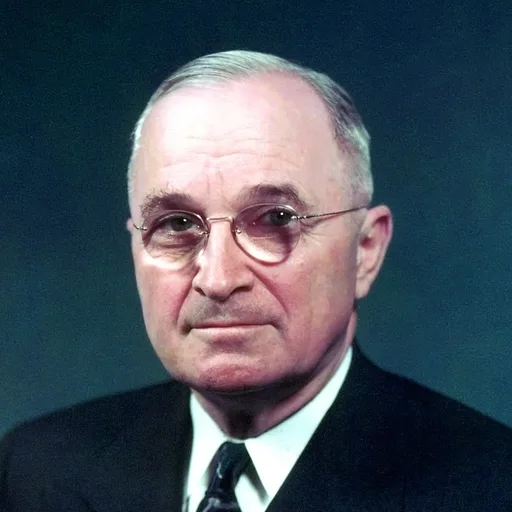
Truman ended World War II with atomic bombs and launched the Marshall Plan and NATO to contain communism. His unexpected 1948 victory secured the New Deal gains.
Term: 1945-1953Signature Achievement: Marshall PlanHistorian Rank: 8/10Avg Approval: 6/10Economic Impact: 8/10Foreign Policy: 9/10
- Postwar economic boom
- Desegregated military
- Containment doctrine
- Atomic bombings controversy
- Korean War stalemate
- Low second-term approval
added by Yourlist Editorialin 7 rankingsHarry S. Truman
45Franklin D. Roosevelt
FDR transformed the federal government during the Great Depression with the New Deal and led the US through World War II to victory. His four terms redefined the presidency and Democratic coalition.
Term: 1933-1945Signature Achievement: New DealHistorian Rank: 9/10Avg Approval: 8/10Economic Impact: 9/10Foreign Policy: 9/10
- Expanded social safety net
- Mobilized wartime economy
- United Allies against fascism
- Court-packing attempt failed
- Japanese-American internment
- Massive debt increase
added by Yourlist Editorialin 21 rankings
40Kennedy inspired the nation with the space race and handled the Cuban Missile Crisis without war. His truncated term left civil rights and tax-cut legacies for successors.
Term: 1961-1963Signature Achievement: Cuban Missile CrisisHistorian Rank: 8/10Avg Approval: 8/10Economic Impact: 7/10Foreign Policy: 8/10
- Peace Corps founding
- Nuclear Test Ban Treaty
- Tax cut stimulus
- Bay of Pigs failure
- Vietnam advisory buildup
- Short time in office
added by Yourlist Editorialin 11 rankingsJohn F. Kennedy
26LBJ pushed through the Civil Rights Act and Great Society programs that dramatically reduced poverty and expanded healthcare access. His Vietnam escalation ultimately cost him political support.
Term: 1963-1969Signature Achievement: Civil Rights ActHistorian Rank: 8/10Avg Approval: 7/10Economic Impact: 8/10Foreign Policy: 5/10
- Landmark civil rights laws
- Medicare and Medicaid creation
- War on Poverty gains
- Vietnam War escalation
- Urban riots during term
- Political credibility gap
added by Yourlist Editorialin 14 rankingsLyndon B. Johnson
24Wilson led the US into World War I and championed the League of Nations while enacting major progressive reforms at home. His racial policies and postwar stroke limited his legacy.
Term: 1913-1921Signature Achievement: Federal ReserveHistorian Rank: 7/10Avg Approval: 7/10Economic Impact: 7/10Foreign Policy: 8/10
- Created Federal Reserve
- Labor and antitrust reforms
- Postwar peace vision
- Segregation of federal workforce
- Failed League ratification
- Red Scare crackdowns
added by Yourlist Editorialin 15 rankingsWoodrow Wilson
21Carter brokered the Camp David Accords and advanced energy independence but struggled with inflation and the Iran hostage crisis. His post-presidency humanitarian work bolstered his reputation.
Term: 1977-1981Signature Achievement: Camp David AccordsHistorian Rank: 6/10Avg Approval: 6/10Economic Impact: 5/10Foreign Policy: 8/10
- Middle East peace deal
- Deregulation of airlines
- Human rights emphasis
- Stagflation and gas lines
- Iran hostage crisis
- Low reelection support
added by Yourlist Editorialin 11 rankingsJimmy Carter
17Biden passed major infrastructure and climate legislation while managing the COVID recovery and supporting Ukraine against Russia. High inflation and Afghanistan withdrawal hurt his standing.
Term: 2021-presentSignature Achievement: Infrastructure billHistorian Rank: 6/10Avg Approval: 5/10Economic Impact: 7/10Foreign Policy: 7/10
- Bipartisan infrastructure law
- COVID vaccine rollout
- Ukraine aid leadership
- Afghanistan chaotic exit
- Inflation spike
- Low early approval
added by Yourlist Editorialin 5 rankingsJoe Biden
17Obama passed the Affordable Care Act and rescued the auto industry during the Great Recession while ending the Iraq War. Partisan gridlock limited further domestic gains.
Term: 2009-2017Signature Achievement: Affordable Care ActHistorian Rank: 7/10Avg Approval: 7/10Economic Impact: 8/10Foreign Policy: 7/10
- Health insurance expansion
- Auto industry bailout success
- Bin Laden raid
- Slow post-recession recovery
- Partisan polarization rise
- Syria red line reversal
added by Yourlist Editorialin 17 rankingsBarack Obama
13Pierce enforced the Kansas-Nebraska Act that inflamed sectional tensions leading toward civil war. His administration is widely viewed as one of the weakest.
Term: 1853-1857Signature Achievement: Gadsden PurchaseHistorian Rank: 4/10Avg Approval: 4/10Economic Impact: 5/10Foreign Policy: 5/10
- Gadsden Purchase
- Japan trade opening
- Low tariffs
- Bleeding Kansas violence
- Personal tragedies
- Party split
added by Yourlist Editorialin 7 rankingsFranklin Pierce
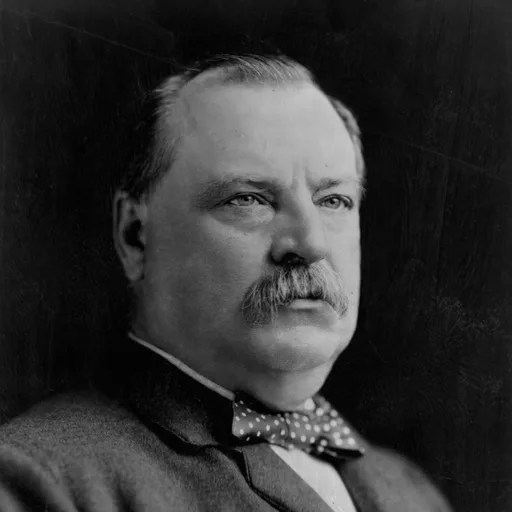
9Cleveland won the popular vote three times and defended the gold standard during economic panic. His veto-heavy style emphasized limited government.
Term: 1885-1889, 1893-1897Signature Achievement: Gold standard defenseHistorian Rank: 6/10Avg Approval: 6/10Economic Impact: 6/10Foreign Policy: 5/10
- Honest government image
- Tariff reform attempts
- Multiple popular vote wins
- Pullman strike intervention
- Economic depression handling
- Anti-labor reputation
added by Yourlist Editorialin 10 rankingsGrover Cleveland
7Madison led the US through the War of 1812 that confirmed independence and spurred national identity. His later presidency focused on internal improvements.
Term: 1809-1817Signature Achievement: War of 1812Historian Rank: 7/10Avg Approval: 7/10Economic Impact: 6/10Foreign Policy: 6/10
- Constitution father
- National bank revival
- Second Great Awakening era
- White House burned
- Trade disruptions
- Debt increase
added by Yourlist Editorialin 9 rankingsJames Madison
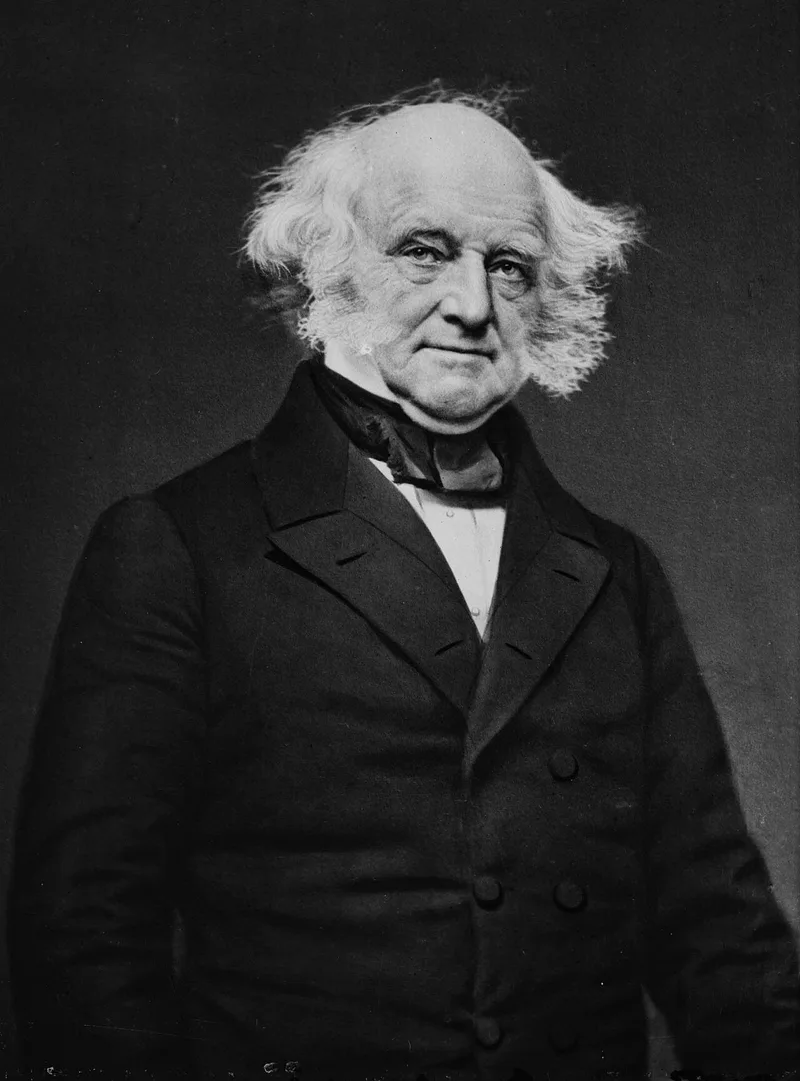
7Van Buren managed the transition after Jackson and created the independent treasury system amid financial panic. His single term was defined by economic hardship.
Term: 1837-1841Signature Achievement: Independent TreasuryHistorian Rank: 5/10Avg Approval: 5/10Economic Impact: 4/10Foreign Policy: 5/10
- Established treasury system
- Avoided war with Britain
- Party builder
- Panic of 1837 recession
- One-term loss
- Texas annexation opposition
added by Yourlist Editorialin 5 rankingsMartin Van Buren
6Bill Clinton
Clinton presided over the longest economic expansion in US history and balanced the federal budget while expanding NATO eastward. Scandals and impeachment marked his second term.
Term: 1993-2001Signature Achievement: Balanced budgetHistorian Rank: 7/10Avg Approval: 8/10Economic Impact: 9/10Foreign Policy: 7/10
- Strong job growth and surpluses
- Welfare reform passage
- Crime rate decline
- Impeachment proceedings
- NAFTA job losses debate
- Financial deregulation
added by Yourlist Editorialin 16 rankings
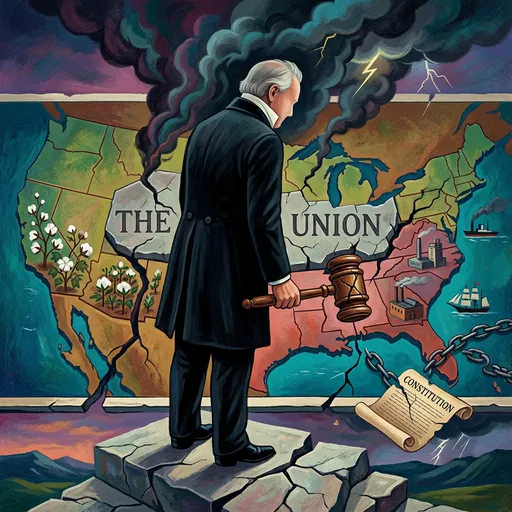
4Buchanan failed to prevent Southern secession as the nation fractured over slavery. His inaction is blamed for hastening the Civil War.
Term: 1857-1861Signature Achievement: Dred Scott supportHistorian Rank: 3/10Avg Approval: 3/10Economic Impact: 4/10Foreign Policy: 4/10
- Tariff reduction
- Avoided early war
- Diplomatic experience
- Secession during term
- Corruption scandals
- Lowest historian ranking
added by Yourlist Editorialin 5 rankingsJames Buchanan
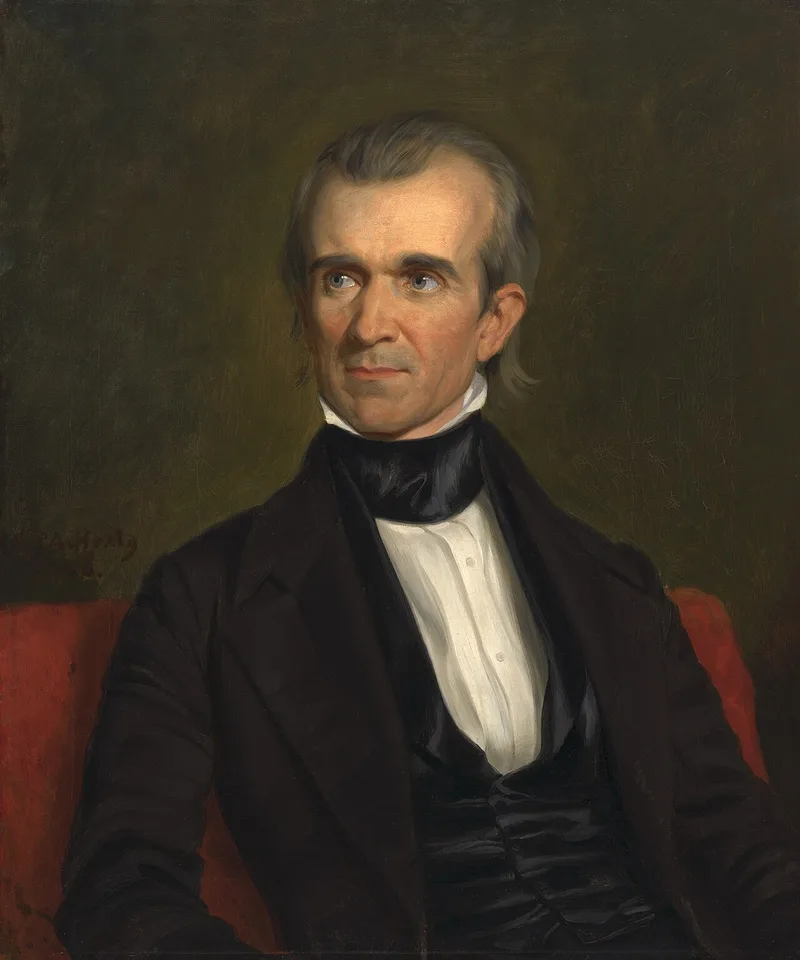
2Polk fulfilled Manifest Destiny by acquiring California and the Southwest through the Mexican-American War. His focused agenda delivered on every major promise.
Term: 1845-1849Signature Achievement: Mexican CessionHistorian Rank: 7/10Avg Approval: 7/10Economic Impact: 7/10Foreign Policy: 7/10
- Oregon and California gains
- Lowered tariffs
- One-term pledge kept
- Mexican War casualties
- Slavery expansion debates
- Health decline in office
added by Yourlist Editorialin 7 rankingsJames K. Polk
0Truman (domestic)
Truman's Fair Deal extended New Deal programs and integrated the armed forces despite congressional resistance.
Term: 1945-1953Signature Achievement: Fair Deal agendaHistorian Rank: 8/10Avg Approval: 6/10Economic Impact: 8/10Foreign Policy: 9/10
- GI Bill expansion
- Military integration
- Postwar boom
- Dixiecrat revolt
- Korean stalemate
- Low exit approval
added by Yourlist Editorial
-5Cleveland (first term)
Cleveland's first term emphasized tariff reform and honest administration before losing reelection in 1888.
Term: 1885-1889Signature Achievement: Tariff reform vetoesHistorian Rank: 6/10Avg Approval: 6/10Economic Impact: 6/10Foreign Policy: 5/10
- Civil service reform
- Veto of pension fraud
- Debt reduction
- Failed tariff bill
- One-term loss
- Labor unrest
added by Yourlist Editorial
-6Cleveland (second term)
Cleveland returned to office during the Panic of 1893 and defended the gold standard against silverites.
Term: 1893-1897Signature Achievement: Gold standard defenseHistorian Rank: 6/10Avg Approval: 5/10Economic Impact: 5/10Foreign Policy: 5/10
- Pullman strike resolution
- Venezuela boundary support
- Honest executive
- Severe depression
- Party split over silver
- Low popularity
added by Yourlist Editorial
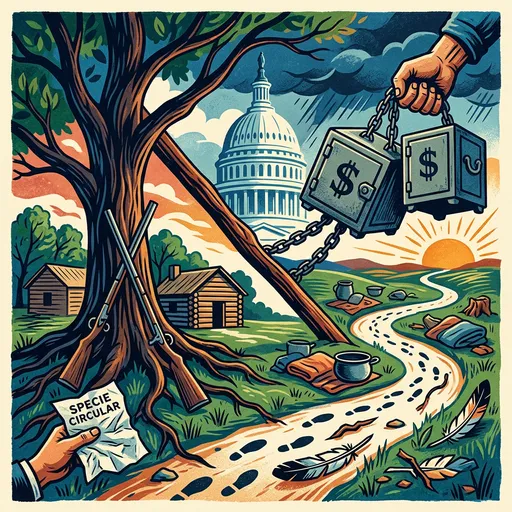
-7Jackson expanded executive power and the franchise for white men while enforcing Indian removal. His bank war reshaped the economy but left lasting controversies.
Term: 1829-1837Signature Achievement: Indian Removal ActHistorian Rank: 5/10Avg Approval: 7/10Economic Impact: 6/10Foreign Policy: 6/10
- Expanded voting rights
- Paid off national debt
- Strong union defense
- Trail of Tears forced removals
- Bank of US destruction
- Spoils system expansion
added by Yourlist Editorialin 12 rankingsAndrew Jackson
-8Polk (expansion focus)
Polk's aggressive expansion agenda delivered the continental United States but intensified slavery debates.
Term: 1845-1849Signature Achievement: Southwest acquisitionHistorian Rank: 7/10Avg Approval: 7/10Economic Impact: 7/10Foreign Policy: 7/10
- Continental completion
- Naval academy start
- Treasury independent
- War deaths
- Sectional divide
- Health collapse
added by Yourlist Editorial
-9Jefferson doubled US territory with the Louisiana Purchase and championed limited government ideals. His embargo policy damaged the economy.
Term: 1801-1809Signature Achievement: Louisiana PurchaseHistorian Rank: 8/10Avg Approval: 8/10Economic Impact: 6/10Foreign Policy: 7/10
- Territorial expansion
- Reduced national debt
- University of Virginia
- Embargo Act failure
- Slave ownership
- Marbury v Madison conflict
added by Yourlist Editorialin 16 rankingsThomas Jefferson
-10Wilson (progressive)
Wilson's progressive domestic agenda included the Federal Reserve and child labor laws before World War I shifted focus.
Term: 1913-1921Signature Achievement: Federal Reserve ActHistorian Rank: 7/10Avg Approval: 7/10Economic Impact: 7/10Foreign Policy: 8/10
- Progressive reforms
- Labor protections
- Peace plan
- Racial segregation
- League failure
- Stroke incapacitation
added by Yourlist Editorial
-10Monroe presided over the Era of Good Feelings and issued the Monroe Doctrine that shaped US foreign policy for a century. Florida acquisition completed early expansion.
Term: 1817-1825Signature Achievement: Monroe DoctrineHistorian Rank: 7/10Avg Approval: 7/10Economic Impact: 7/10Foreign Policy: 8/10
- Florida purchase
- Missouri Compromise
- National unity period
- Panic of 1819
- Sectional tensions rise
- Limited domestic agenda
added by Yourlist Editorialin 5 rankingsJames Monroe
-12Johnson fought Reconstruction policies and became the first impeached president after clashing with Congress over civil rights for freed slaves.
Term: 1865-1869Signature Achievement: Alaska PurchaseHistorian Rank: 4/10Avg Approval: 4/10Economic Impact: 5/10Foreign Policy: 5/10
- Alaska acquisition
- Union restoration
- Veto of radical bills
- Impeachment trial
- Black Codes tolerance
- Low legislative success
added by Yourlist Editorialin 8 rankingsAndrew Johnson
-12Van Buren (second attempt)
Van Buren ran again in 1848 on the Free Soil ticket after his presidency but placed third.
Term: N/ASignature Achievement: Free Soil candidacyHistorian Rank: 5/10Avg Approval: 5/10Economic Impact: 4/10Foreign Policy: 5/10
- Anti-slavery stance
- Treasury system legacy
- Party loyalty
- Failed comeback
- Economic record
- Short impact
added by Yourlist Editorial
-12