Most influential U.S. presidents
From founding the nation to steering it through war, depression, and social upheaval, a handful of U.S. presidents have left an outsized mark on American history and the world at large. Their decisions still echo in today's laws, institutions, and national identity, making the question of who truly shaped the presidency itself endlessly debatable. Cast your vote and help settle which commander-in-chief left the deepest legacy.
What counts: Lasting impact on the nation's direction, for better or worse — not party, not popularity.
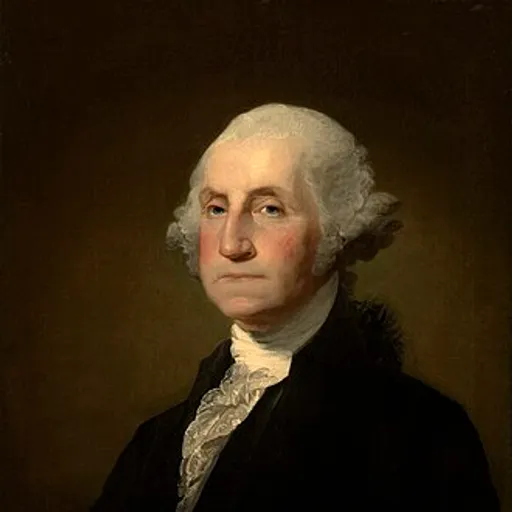
George Washington▲ Rising
He won the war, then did the one thing no revolutionary strongman before him had done: he walked away from power, twice, setting a two-term precedent that held for 150 years until FDR broke it. His presidency invented the presidency itself — the cabinet, the neutral foreign policy, the peaceful transfer of authority — turning an untested experiment into a functioning government. Every later president operates inside the template he built essentially from scratch.
Took office: 1789Years served: 8Party: None
added by IJRin 7 rankings
36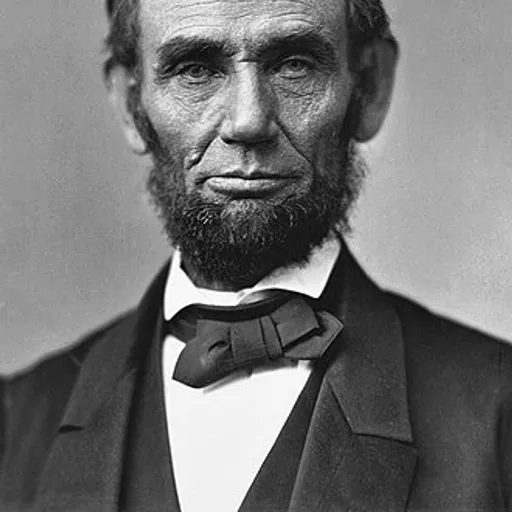
Abraham Lincoln▲ Rising
He held together a country that was actively tearing itself apart, and in doing so redefined what the union even meant — not a voluntary club states could quit, but an indivisible nation. The Emancipation Proclamation and the war's outcome ended slavery and reset the entire moral and political architecture of the country, at the cost of his own life. No president's decisions carried higher stakes or more permanent consequences.
Took office: 1861Years served: 4Party: Republican
added by IJRin 12 rankings
30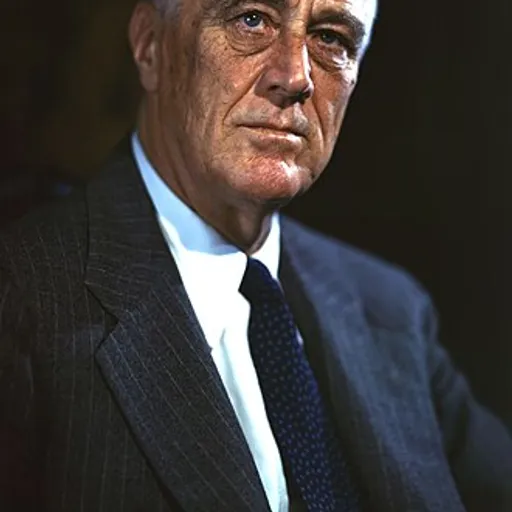
Franklin D. Roosevelt▲ Rising
Elected amid the Depression's wreckage, he rewired the relationship between citizens and government with Social Security, the New Deal's alphabet agencies, and a activist federal state that hasn't meaningfully receded since. He then steered the nation through World War II, cementing America as a global superpower and reshaping the presidency into the powerful, expectation-laden office we know today. Four terms, one depression, one world war — the modern American state is largely his blueprint.
Took office: 1933Years served: 12Party: Democratic
added by IJRin 16 rankings
22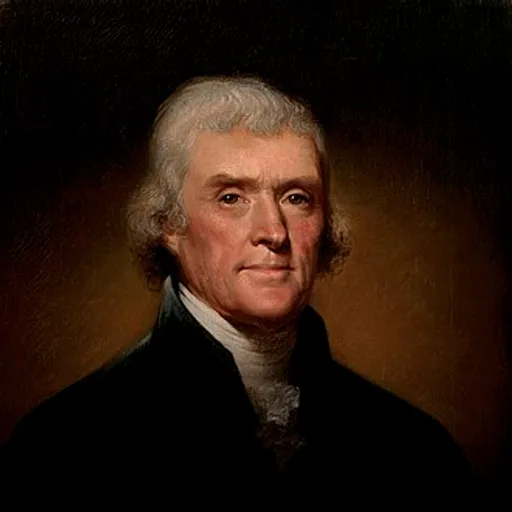
Thomas Jefferson▲ Rising
He doubled the size of the country overnight with the Louisiana Purchase, a decision that guaranteed America's continental destiny and its westward, expansionist identity for the next century. As the Declaration's author he supplied the founding language of natural rights that generations — including people he enslaved — would invoke against him and the nation he helped create. His contradictions are the country's contradictions, which is exactly why he belongs on this list.
Took office: 1801Years served: 8Party: Democratic-Republican
added by IJRin 11 rankings
10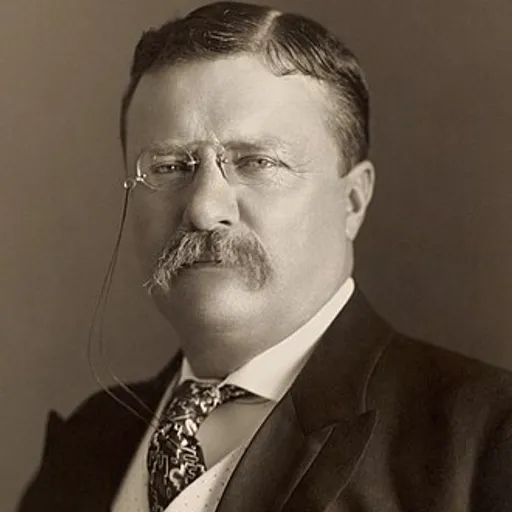
Theodore Roosevelt▲ Rising
He dragged America into the 20th century as a regulatory and geopolitical power, busting trusts, building the Panama Canal, and inventing the modern conservation movement by setting aside millions of acres as national parks and forests. TR turned the presidency into a personal, muscular platform — the 'bully pulpit' — that shaped how every ambitious president since has used the office to shove issues onto the national agenda. He made the federal government a countervailing force against unchecked corporate power, permanently.
Took office: 1901Years served: 8Party: Republican
added by IJRin 12 rankingsTheodore Roosevelt
4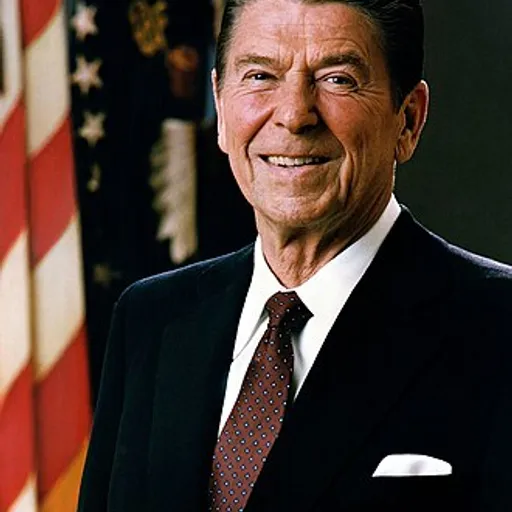
He didn't just win an election, he flipped the country's operating assumptions, replacing New Deal-era faith in government with 'government is the problem' as the default American creed for decades. Reaganomics reshaped tax policy and deregulation, while his hard line against the Soviet Union coincided with the Cold War's endgame, giving him credit — deserved or not — for winning it. Whether you count the era as triumph or wreckage, its gravitational pull on American politics is still being felt.
Took office: 1981Years served: 8Party: Republican
added by IJRin 12 rankingsRonald Reagan
-7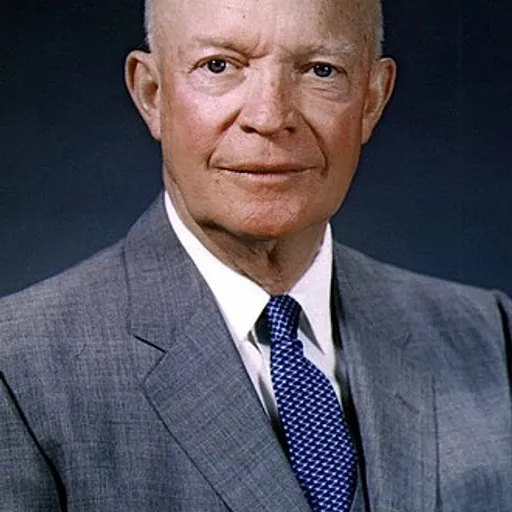
Dwight D. Eisenhower▼ Falling
A five-star general who then spent two terms quietly consolidating the New Deal consensus while warning, in his farewell address, about the very military-industrial complex he'd helped build — a rare case of a president diagnosing the danger of his own legacy. He built the interstate highway system, a project that physically reshaped American life, commerce, and cities for generations. His steady, low-drama command of the Cold War's most dangerous decade is easy to overlook precisely because it worked.
Took office: 1953Years served: 8Party: Republican
added by IJRin 12 rankingsDwight D. Eisenhower
-13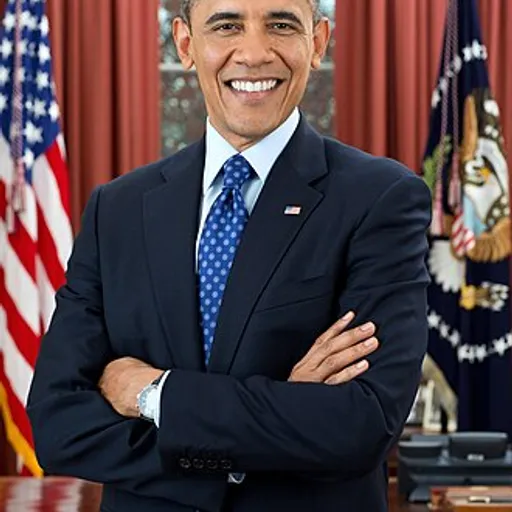
Barack Obama▼ Falling
He became proof of concept for a promise the country had made to itself since Reconstruction, and used the moment to push through the Affordable Care Act, the largest expansion of the social safety net since Medicare, permanently altering the health-care debate's baseline. His presidency also sits at the hinge of a new polarization, energizing both the coalition that elected him and the backlash that followed. Whether remembered as breakthrough or interregnum, his election reordered what Americans believed was politically possible.
Took office: 2009Years served: 8Party: Democratic
added by IJRin 12 rankingsBarack Obama
-21
Keep ranking
Comments (5)
Free account · your comment posts right after signup
The long-term impact case for the top pick is airtight.
Underrated entries in the middle of this one deserve a look.
History will keep re-ranking this list every decade.