
Most influential religious figures in history
Throughout history, a select few religious figures have shaped the beliefs, values, and destinies of billions of people, founding traditions that continue to guide civilizations today. From ancient prophets to spiritual teachers, their influence echoes through art, law, culture, and daily life across the globe. Who do you think has left the deepest mark on humanity's spiritual journey? Cast your vote and help settle the debate.
What counts: Seeded with approximate figures where shown — the crowd's votes decide the order.
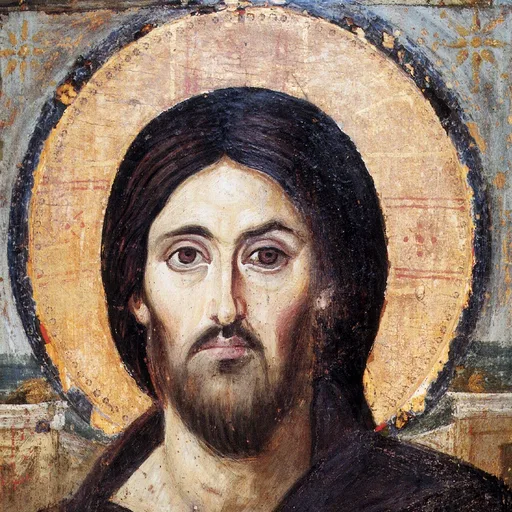
A wandering Galilean preacher executed as a common criminal became, through the claims of his resurrection, the founder-figure of the world's largest religion. His teachings on love, forgiveness, and the poor reshaped Western ethics, law, and art for two millennia. No single execution in history has echoed louder — Christianity's spread from a persecuted sect to a civilization-defining force makes his place at or near the top nearly undeniable.
Era: 1st c.
added by Yourlist Editorialin 2 rankingsJesus of Nazareth
76In a cave outside Mecca, a merchant received recitations he believed came from God, and within a century his followers had built an empire stretching from Spain to India. He didn't just found a religion — he fused prophet, lawgiver, and statesman into one figure, leaving behind the Quran, a legal-moral system, and 1.9 billion adherents today. Few humans have shaped as much territory, law, and daily ritual as directly as he did.
Era: 600s
added by Yourlist Editorialin 3 rankingsMuhammad
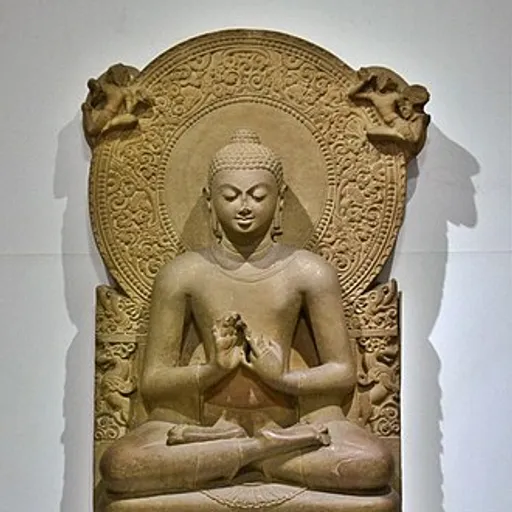
61A pampered prince walked away from his palace, sat under a tree, and emerged with a diagnosis of suffering and a prescription for ending it — no gods required. That insight birthed a tradition spanning from Sri Lankan monasteries to Silicon Valley mindfulness apps, proving spiritual systems can thrive on psychology rather than divine command. His radical claim that liberation is available to anyone, regardless of caste, quietly undercut centuries of religious hierarchy.
Era: 500s BC
added by Yourlist Editorialin 4 rankingsBuddha
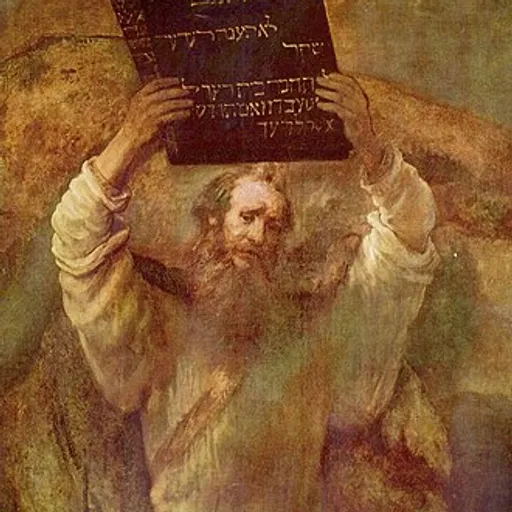
42He supposedly parted a sea, then climbed a mountain and came down with laws that would underpin three major religions' moral codes. Whether historical or legendary, the Exodus narrative and the Ten Commandments became foundational text for Judaism, Christianity, and Islam alike, making him a shared ancestor-figure across billions of believers. The argument for his ranking rests on sheer downstream influence — he's the hinge on which monotheistic law turns.
Era: Ancient
added by Yourlist Editorialin 3 rankingsMoses
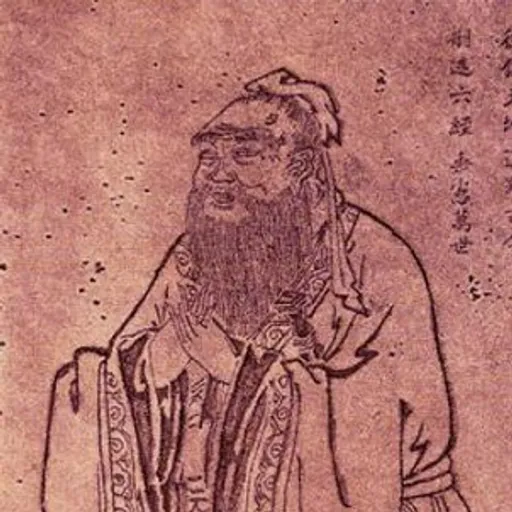
31A minor official wandering from court to court, mostly ignored in his lifetime, left behind sayings about duty, hierarchy, and virtue that would govern Chinese civilization for over two thousand years. Confucianism became the operating system for imperial bureaucracy, family structure, and education across East Asia, blurring the line between religion and statecraft. His influence isn't measured in converts but in centuries of civil exams, ancestor rites, and social order built on his ethics.
Era: 500s BC
added by Yourlist Editorialin 6 rankingsConfucius
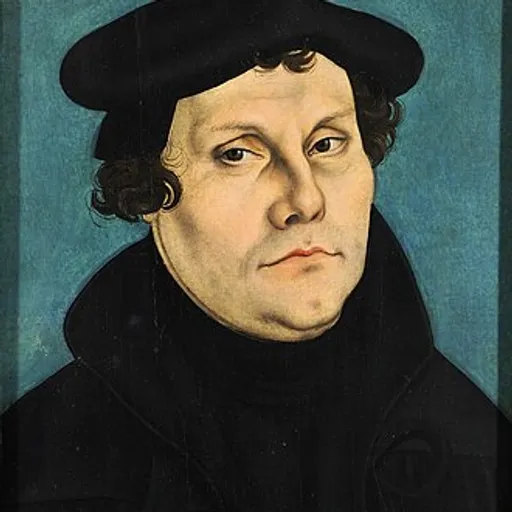
-7He nailed 95 grievances to a church door, refused to recant before an emperor, and accidentally split Western Christianity in two. The Reformation he ignited didn't just create Protestantism — it reshaped literacy (via Bible translation), capitalism, nationalism, and the very idea that individuals could interpret scripture for themselves. Few single acts of religious defiance have triggered as much political and cultural aftershock as his.
Era: 1500s
added by Yourlist Editorialin 5 rankingsMartin Luther
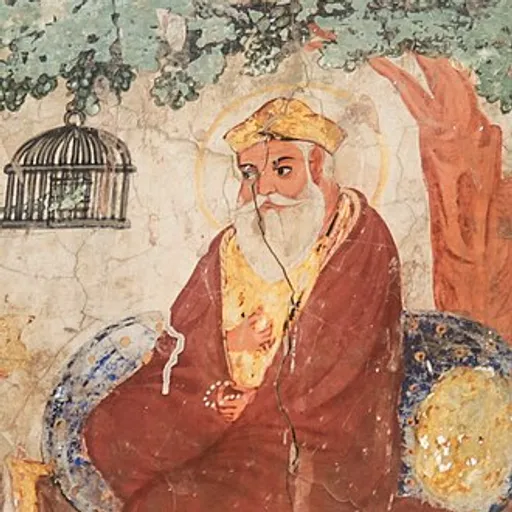
-7Disappearing into a river and emerging three days later, he declared 'there is no Hindu, no Muslim' and set off to found a faith that rejected caste, ritual sacrifice, and religious tribalism outright. Sikhism's insistence on equality, service, and one formless God gave South Asia a genuinely new spiritual path rather than a reform of existing ones. His inclusion here honors a founder whose vision of radical equality still animates gurdwaras feeding strangers for free worldwide.
Era: 1500s
added by Yourlist EditorialGuru Nanak
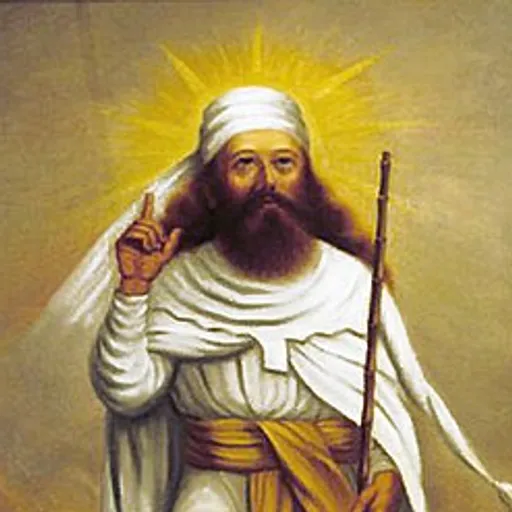
-8Somewhere in ancient Persia, a prophet claimed visions of one supreme god locked in cosmic battle with darkness — and in doing so, likely planted the seeds of heaven, hell, judgment day, and angels that later show up in Judaism, Christianity, and Islam. Zoroastrianism itself dwindled to a small community, but its theological DNA arguably outlived its temples. He belongs on this list not for followers today but for smuggling his ideas into the world's biggest religions.
Era: Ancient
added by Yourlist EditorialZoroaster
-51