Greatest ancient philosophers of the East
From the misty mountains of ancient China to the spiritual heartlands of India, the great philosophers of the East shaped civilizations with ideas on ethics, harmony, and the nature of existence that still guide billions of lives today. Thinkers like Confucius, Laozi, and Buddha offered radically different paths to wisdom, yet each left an indelible mark on human thought. Which of these towering minds do you believe had the most profound and lasting influence? Cast your vote and help settle the debate!
What counts: Seeded with approximate figures where shown — the crowd's votes decide the order.
Legend has him riding an ox out of China, pausing only to dash off five thousand characters at a border guard's insistence — the Daodao De Jing, a text so compressed it reads like riddles and so influential it birthed an entire religion. His idea of wu wei, action through non-action, offered the great counterweight to Confucian striving: stop forcing the world and let the Way carry you. Whether he existed as one man or a composite legend hardly matters; the paradoxical, water-like wisdom attributed to him still reroutes minds East and West.
Era: 500s BC
added by Yourlist Editorialin 2 rankingsLaozi
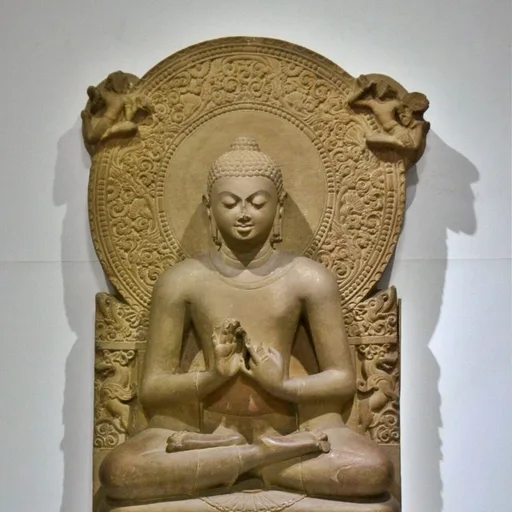
75A pampered prince who slipped his palace walls, saw sickness, old age, and death for the first time, and sat under a fig tree until he cracked the problem of suffering itself — that's the origin story powering the largest philosophical-religious export Asia ever produced. The Four Noble Truths and the Eightfold Path gave a practical, almost clinical diagnosis of craving and a prescription beyond ritual or caste, radical stuff in Brahminical India. Half the planet's spiritual vocabulary — mindfulness, karma, nirvana, detachment — traces back to that one night under the Bodhi tree, easily justif
Era: 500s BC
added by Yourlist Editorialin 4 rankingsBuddha
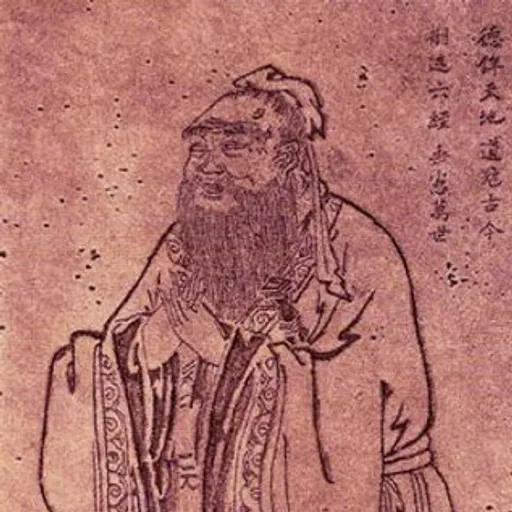
47A minor bureaucrat wandering from court to court, failing to land the powerful post he craved, instead built something bigger: a vision of society held together by ritual, filial piety, and the cultivated gentleman rather than by law or fear. The Analects, assembled by disciples after his death, became the operating manual for Chinese civilization for two millennia, shaping exams, families, and emperors alike. No Eastern thinker's fingerprints are more deeply pressed into the daily texture of a civilization, which is the whole case for the top spot.
Era: 500s BC
added by Yourlist Editorialin 6 rankingsConfucius
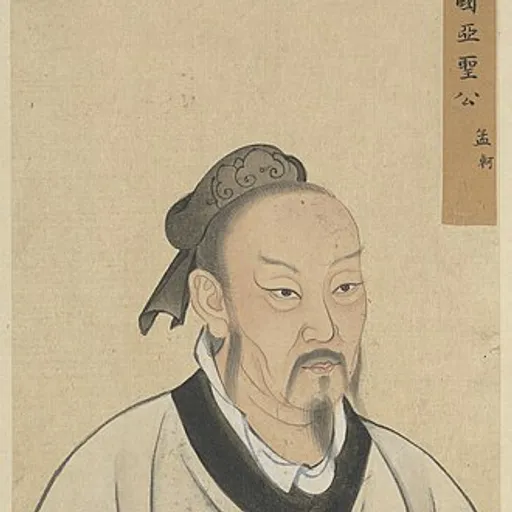
45Confucius's most combative heir, Mencius barnstormed the warring states arguing a startlingly optimistic claim: human nature is fundamentally good, like water that naturally flows downward, and tyranny forfeits its own legitimacy — a doctrine of rebellion tucked inside orthodox Confucianism. His famous parable of a child about to fall into a well, and the instinctive alarm anyone would feel, became the cornerstone argument for innate moral sense in Chinese philosophy. He's the one who gave Confucianism its political teeth, insisting bad rulers could rightly be overthrown, a genuinely dangerous
Era: 300s BC
added by Yourlist EditorialMencius
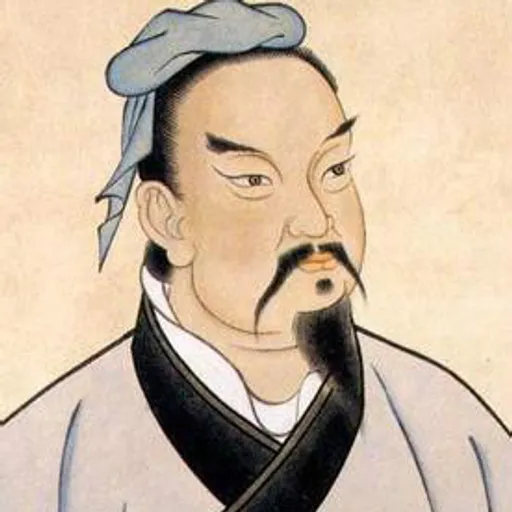
26A general-for-hire who supposedly proved his theories by drilling the king of Wu's concubines into a disciplined fighting unit, executing the king's favorite when she giggled through orders — that's the ruthless pragmatism running through The Art of War. His insight that all warfare is deception, that the greatest victory is the one won without fighting, turned strategy into philosophy and outlasted every dynasty that tried to use it. Boardrooms and battlefields still quote him, proof that a slim 2,500-year-old text on killing can double as a manual for living.
Era: 500s BC
added by Yourlist Editorialin 4 rankingsSun Tzu
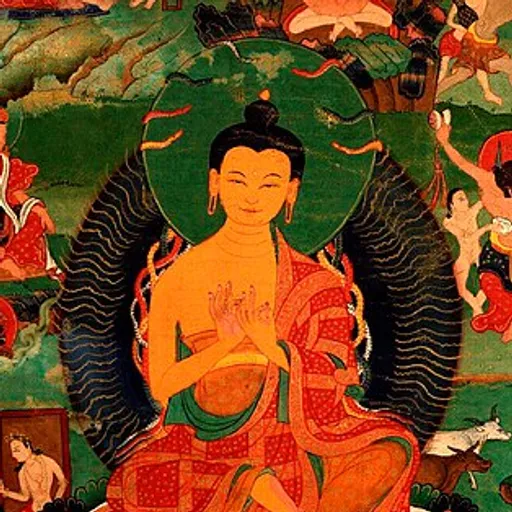
20A second-century Indian monk who took Buddha's teachings and drove them to their most vertiginous logical conclusion: śūnyatā, emptiness — the claim that nothing, not even emptiness itself, has independent inherent existence. His Mūlamadhyamakakārikā dismantles causation, motion, and selfhood with a rigor that rivals any Greek logician, founding the Madhyamaka school that would reshape Mahayana Buddhism across Tibet, China, and Japan. Often called the second Buddha, he's the philosopher's philosopher on this list, the one who turned enlightenment into a problem of logic as much as meditation.
Era: 100s
added by Yourlist EditorialNagarjuna
-1The philosopher who woke from dreaming he was a butterfly and couldn't be sure he wasn't now a butterfly dreaming he was a man — that single image did more to destabilize certainty than most entire philosophical systems. Where Laozi hints, Zhuangzi cackles, spinning parables about useless trees living longest and skilled butchers finding the Tao in carving oxen, all in service of radical relativism and creative freedom. He's the great literary stylist of Chinese philosophy, the one who made mysticism funny, strange, and impossible to pin down.
Era: 300s BC
added by Yourlist EditorialZhuangzi
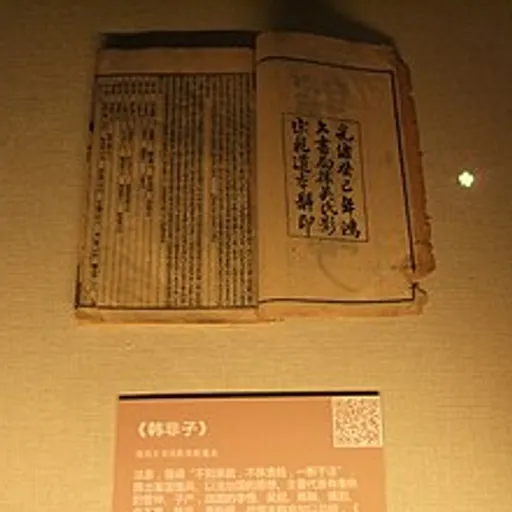
-24A stuttering prince who couldn't out-argue his rivals in speech channeled everything into cold, systematic prose, producing Legalism's masterwork: a theory of governance built on strict law, calculated reward and punishment, and zero faith in human virtue. The First Emperor of Qin reportedly wept with admiration reading his essays, then used those very ideas to unify China through brutal, efficient control — only for Han Feizi to die imprisoned, poisoned by a jealous former classmate. He's the dark mirror to Confucius on this list, the philosopher who bet on fear and structure over benevolence
Era: 200s BC
added by Yourlist EditorialHan Feizi
-29