Greatest archaeological finds
Throughout history, archaeologists have unearthed discoveries that rewrote our understanding of ancient civilizations, from golden tombs to lost cities buried by time. These finds captivate our imagination and reveal secrets about humanity's past that were once thought lost forever. Which discovery do you think deserves the title of the greatest archaeological find of all time? Cast your vote and see how your pick stacks up!
What counts: Seeded with approximate figures where shown — the crowd's votes decide the order.
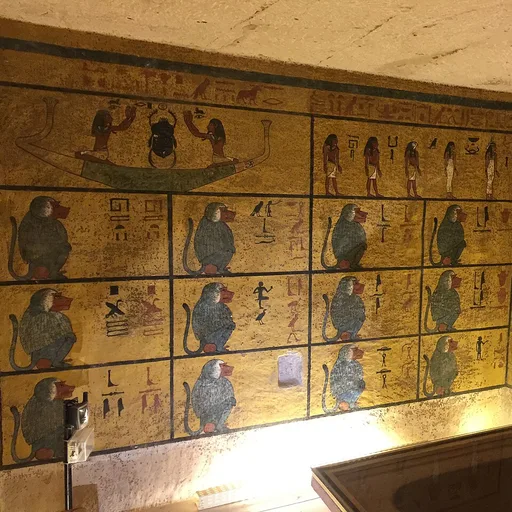
On November 26, 1922, Howard Carter widened a small breach in a sealed doorway, held up a candle, and when asked if he could see anything, famously breathed, "Yes, wonderful things." The nearly intact tomb — gold death mask, nested coffins, chariots, cursed-sounding headlines and all — turned a minor pharaoh into the most famous name in ancient Egypt and ignited a global Egyptomania that still sells museum tickets a century later. Nothing else on this list combines that level of visual splendor with sheer pop-culture wattage.},{
Era: 1922
added by Yourlist Editorialin 2 rankingstomb of Tutankhamun
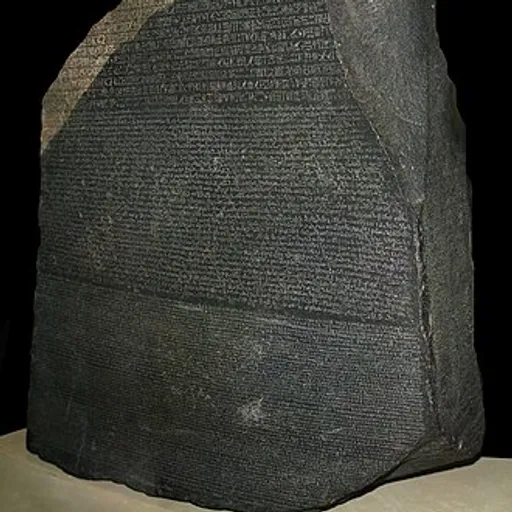
67A slab of granodiorite dug up by French soldiers near Rosetta in 1799 turned out to carry the same decree in three scripts, handing Jean-François Champollion the key to crack hieroglyphs in 1822 after fourteen centuries of silence. That single decipherment didn't just unlock one stone — it reopened the entire written record of ancient Egypt, from temple walls to papyri, making every subsequent Egyptological discovery legible. It's the ultimate proof that the most world-changing artifact isn't always the shiniest one.
Era: 1799
added by Yourlist Editorialin 3 rankingsRosetta Stone
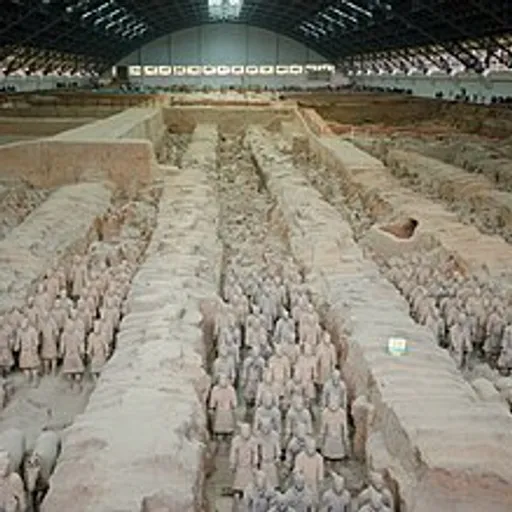
35In 1974, farmers digging a well near Xi'an struck clay shoulders instead of water and uncovered an underground legion of over 8,000 life-sized soldiers, each with an individualized face, standing guard for China's first emperor, Qin Shi Huang, since 210 BCE. The scale alone — chariots, horses, archers frozen mid-formation across acres of pits — rewrote assumptions about the organizational power and artistry of early imperial China. It remains one of the few sites where you can stand inside the sheer ambition of a single ruler's afterlife plan.
Era: 1974
added by Yourlist Editorialin 3 rankingsTerracotta Army
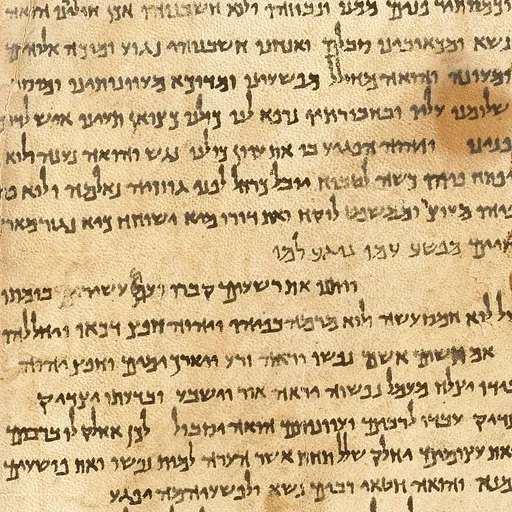
27A Bedouin shepherd chasing a stray goat into a cave near Qumran in 1947 tossed a rock inside, heard pottery shatter, and stumbled onto jars holding the oldest known biblical manuscripts, some predating previously known texts by a thousand years. The scrolls exposed a diverse, argumentative Jewish world at the turn of the millennium and reshaped scholarly understanding of how the Hebrew Bible and early Christianity took shape. Few finds have ever put so much raw, unfiltered antiquity directly into modern hands.
Era: 1947
added by Yourlist Editorialin 2 rankingsDead Sea scrolls
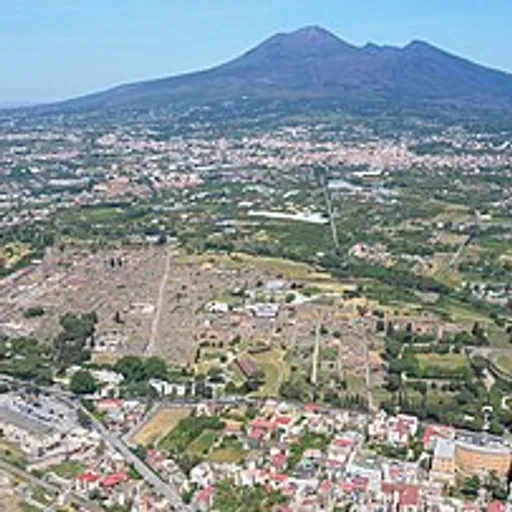
17When Mount Vesuvius buried the city in ash in 79 CE, it accidentally preserved an entire Roman town — bread still in ovens, graffiti on walls, and the haunting plaster casts of victims frozen in their final moments, first poured by Giuseppe Fiorelli in the 1860s. Rediscovery excavations starting in the 18th century gave the world an unprecedented, freeze-framed snapshot of everyday ancient life rather than just its temples and tombs. It's less a ruin than a time capsule of ordinary humanity mid-gesture, which is exactly why it still unsettles visitors today.
Era: 1748
added by Yourlist Editorialin 3 rankingsPompeii
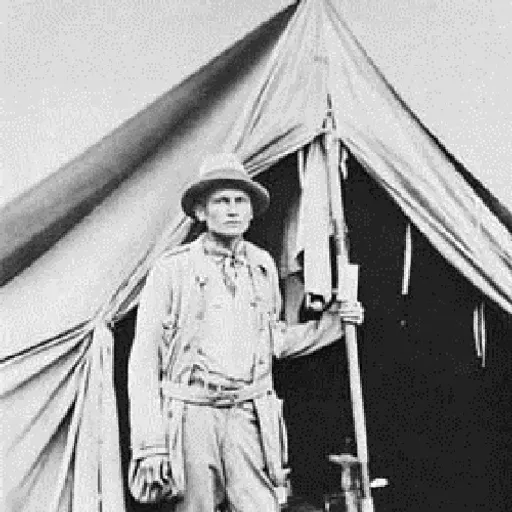
2In 1911, Yale historian Hiram Bingham was led by local farmers to an overgrown mountaintop citadel above the Urubamba River, and his photographs of the terraced Inca city vaulted it to instant global fame as the "Lost City of the Incas." It became proof that a pre-Columbian civilization without wheels, iron, or a written script could engineer breathtaking stone architecture in one of the planet's most dramatic settings. Its postcard-perfect silhouette has since made it archaeology's most recognizable image, even as debate continues over what "discovery" really meant for the Quechua-speaking pe
Era: 1911
added by Yourlist EditorialMachu Picchu
-3In 1939, on the eve of World War II, excavator Basil Brown pulled back the earth of an English burial mound to reveal the ghostly rivet-outline of a 27-meter ship and a hoard of Anglo-Saxon treasure, including the iconic helmet, buried with an unknown king. The find single-handedly demolished the myth of the "Dark Ages" as culturally barren, revealing sophisticated craftsmanship and far-reaching trade networks in early medieval England. It's the find that proved a supposedly primitive era was anything but.
Era: 1939
added by Yourlist Editorialin 2 rankingsSutton Hoo
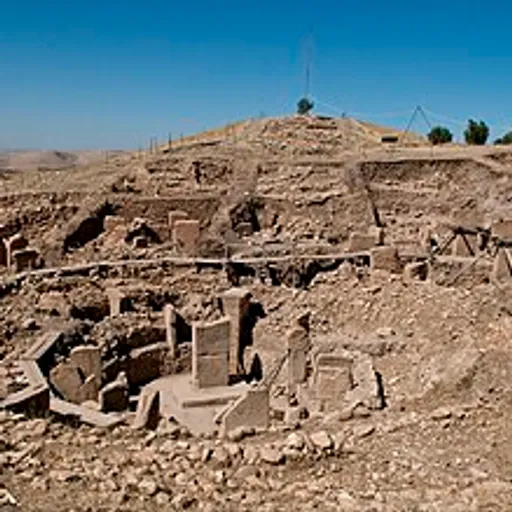
-12Excavations beginning in 1995 in southeastern Turkey uncovered massive carved stone pillars arranged in rings, built by hunter-gatherers around 9600 BCE — roughly 6,000 years before Stonehenge and predating pottery, metal, and even agriculture. Its existence flipped the standard narrative on its head, suggesting monumental religious ritual may have spurred the rise of farming and settled society rather than the other way around. Few sites have forced archaeologists to rewrite the opening chapter of civilization itself so completely.
Era: 1994
added by Yourlist Editorialin 2 rankingsGöbekli Tepe
-42