
Most Fascinating Lost Cities
From jungle-swallowed temples to cities buried by volcanic ash, these lost cities capture the imagination like nothing else. Vote for the ones you find most fascinating based on mystery, discovery story, and cultural impact.
What counts: Ranking reflects a mix of historical mystery, dramatic discovery/rediscovery story, scale of ruins, and enduring cultural fascination. All dates, population estimates, and discovery years are approximate and drawn from mainstream archaeological consensus, which is often debated.
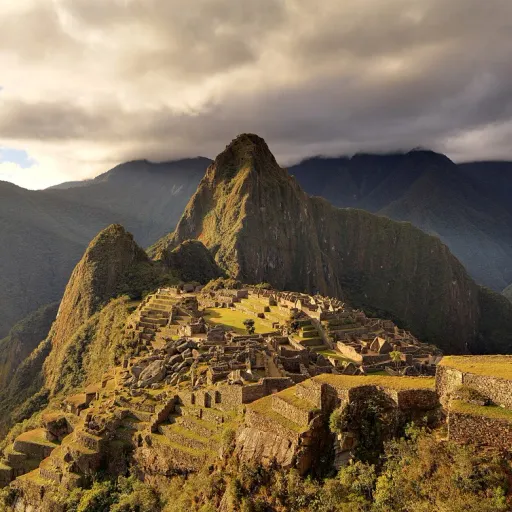
Hidden on an Andean ridge and never found by the conquistadors, this Incan royal estate sat forgotten under jungle growth for centuries. Hiram Bingham's 1911 'discovery' (locals already knew of it) turned it into the world's most iconic lost city. Its precise dry-stone masonry an
Peak Era: 1450-1572 CERediscovered: 1911 (Western)Location: PeruMystery Factor: 8/10Visitable Today: ✓
added by Yourlist Editorialin 6 rankingsMachu Picchu
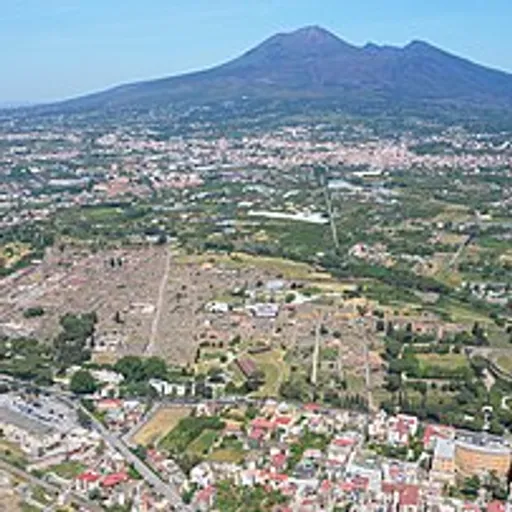
0Frozen mid-life by Mount Vesuvius in 79 CE, Pompeii offers an unmatched snapshot of Roman daily existence—bread still in ovens, graffiti still on walls, bodies cast in volcanic ash. Rediscovered by accident in the 16th century and excavated systematically from the 1700s, it remai
Peak Era: 1st century CERediscovered: 1599 / excavated 1748Location: ItalyMystery Factor: 7/10Visitable Today: ✓
added by Yourlist Editorialin 3 rankingsPompeii
0Plato's 360 BCE tale of a mighty island civilization swallowed by the sea has launched a thousand theories, from Santorini to the Atlantic seafloor. No physical trace has ever been confirmed, making it the ultimate lost city of pure legend rather than archaeology. Its enduring pu
Peak Era: Legendary, ~9600 BCE claimedRediscovered: Never confirmedLocation: Unknown/disputedMystery Factor: 10/10Visitable Today: —
added by Yourlist Editorialin 3 rankingsAtlantis
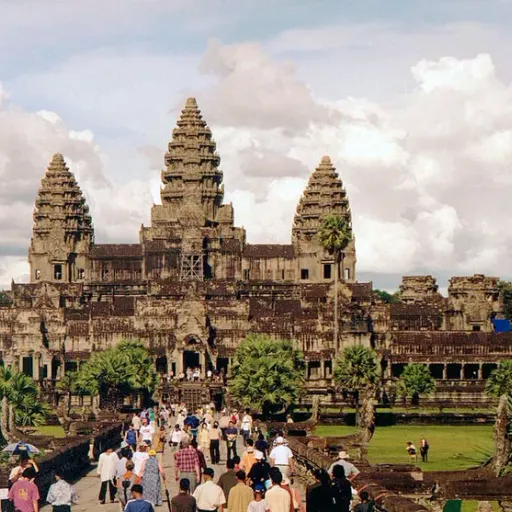
0Once the world's largest pre-industrial urban complex, the Khmer capital sprawled across Cambodia before being abandoned and reclaimed by forest by the 15th century. French explorer Henri Mouhot's 1860 account popularized it globally, though local monks had tended Angkor Wat cont
Peak Era: 802-1431 CERediscovered: 1860 (Western)Location: CambodiaMystery Factor: 7/10Visitable Today: ✓
added by Yourlist EditorialAngkor
0Carved directly into rose-red sandstone cliffs by the Nabataeans, this desert trading hub thrived on incense and spice routes before fading into obscurity after earthquakes and shifting trade. Bedouin tribes knew it, but it stayed hidden from the West until Swiss explorer Johann
Peak Era: 4th century BCE-1st century CERediscovered: 1812 (Western)Location: JordanMystery Factor: 8/10Visitable Today: ✓
added by Yourlist Editorialin 7 rankingsPetra
0Immortalized by Homer's Iliad, Troy was long dismissed as pure myth until Heinrich Schliemann's controversial 1870s excavations at Hisarlik unearthed a real layered city with evidence of war and destruction. Debate still rages over which archaeological layer matches the legendary
Peak Era: ~3000-950 BCE (multiple layers)Rediscovered: 1870sLocation: TurkeyMystery Factor: 8/10Visitable Today: ✓
added by Yourlist Editorialin 3 rankingsTroy
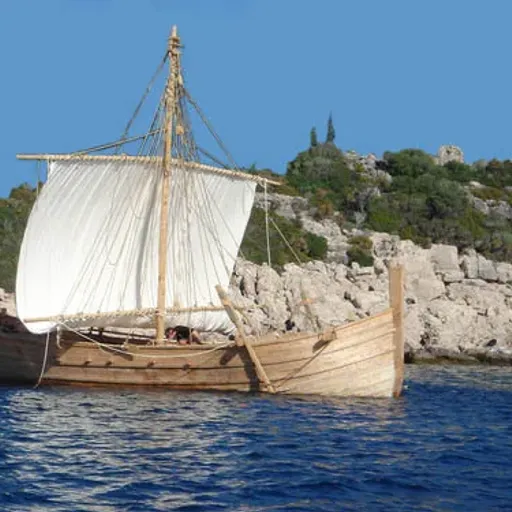
0Submerged off Greece's coast around 1000 BCE, this Mycenaean-era town is one of the oldest known sunken cities, with streets, courtyards, and tombs still visible beneath shallow water. Discovered in 1967, it predates Plato's Atlantis myth and is sometimes cited as inspiration for
Peak Era: ~2800-1000 BCERediscovered: 1967Location: Greece (submerged)Mystery Factor: 7/10Visitable Today: ✓
added by Yourlist EditorialPavlopetri
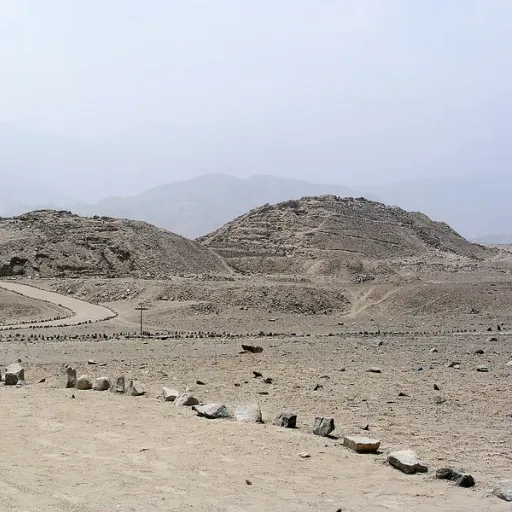
0Predating the pyramids of Giza, this Norte Chico city in Peru's Supe Valley is the oldest known urban center in the Americas, built without pottery, writing, or apparent warfare. Its pyramids and sunken circular plazas sat unrecognized as ancient until systematic dating in the 19
Peak Era: ~2600-2000 BCERediscovered: 1990s (dated)Location: PeruMystery Factor: 6/10Visitable Today: ✓
added by Yourlist EditorialCaral
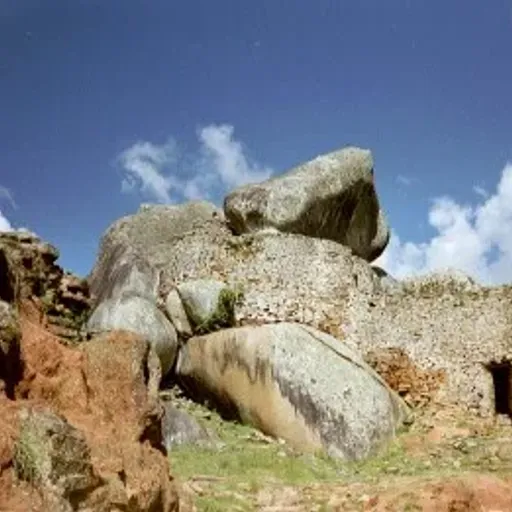
0This massive stone-walled complex was the heart of a wealthy African trading kingdom, its curved granite walls built without mortar. Colonial-era Europeans, unwilling to credit African builders, wrongly attributed it to Phoenicians or the Queen of Sheba for decades. Modern archae
Peak Era: 1100-1450 CERediscovered: 1871 (Western)Location: ZimbabweMystery Factor: 7/10Visitable Today: ✓
added by Yourlist EditorialGreat Zimbabwe
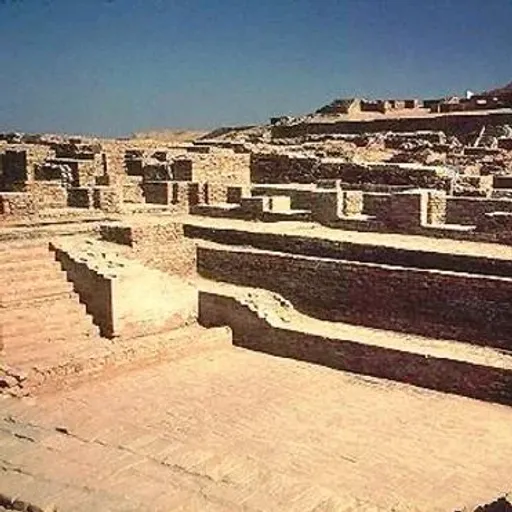
0A marvel of the Indus Valley Civilization, this city had grid-planned streets and sophisticated drainage systems 4,000 years ago, rivaling anything in Bronze Age Mesopotamia. Its script remains undeciphered to this day, leaving its language, religion, and reasons for abandonment
Peak Era: 2500-1900 BCERediscovered: 1922Location: PakistanMystery Factor: 9/10Visitable Today: ✓
added by Yourlist EditorialMohenjo-daro
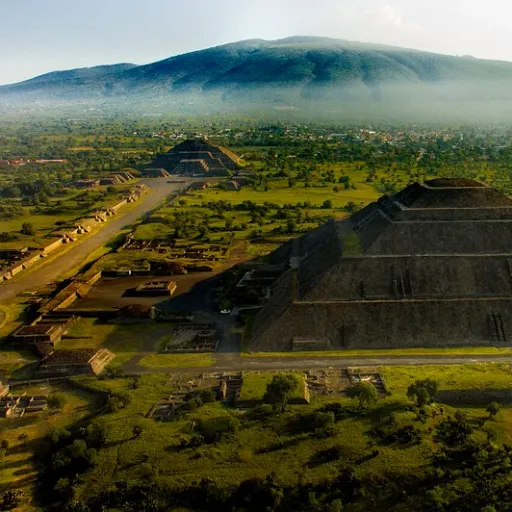
0Home to the massive Pyramid of the Sun, this pre-Aztec metropolis was once one of the largest cities on Earth, yet even the Aztecs who found it centuries later didn't know who built it or what it was called. No writing system has definitively identified its builders' ethnicity, a
Peak Era: 100 BCE-550 CERediscovered: Known continuously; excavated 1900sLocation: MexicoMystery Factor: 8/10Visitable Today: ✓
added by Yourlist Editorialin 2 rankingsTeotihuacan
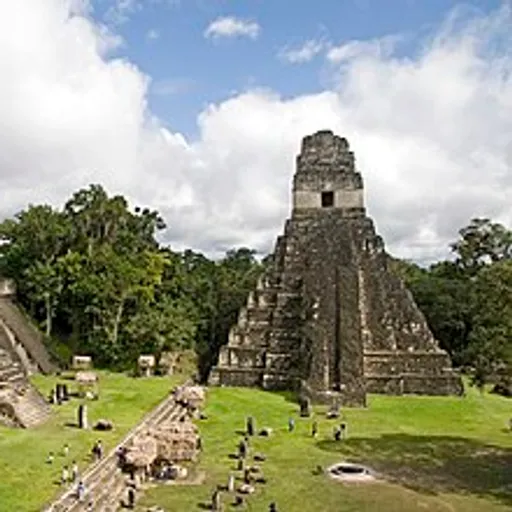
0Once a dominant Maya superpower city-state waging wars across the Yucatan, Tikal's towering limestone pyramids were swallowed by rainforest after the mysterious Classic Maya collapse around 900 CE. Spanish colonizers walked near it without noticing; formal exploration didn't begi
Peak Era: 600 BCE-900 CERediscovered: 1848Location: GuatemalaMystery Factor: 7/10Visitable Today: ✓
added by Yourlist EditorialTikal
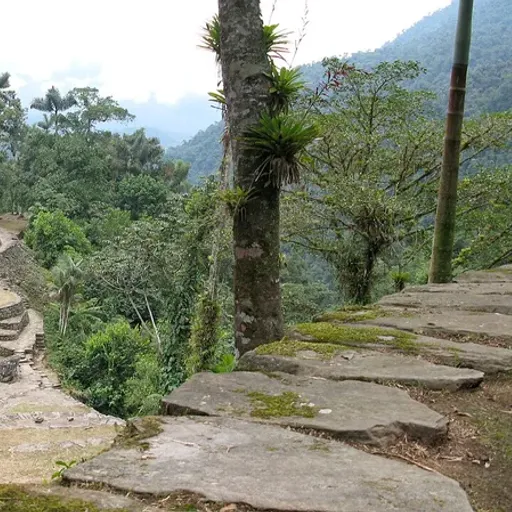
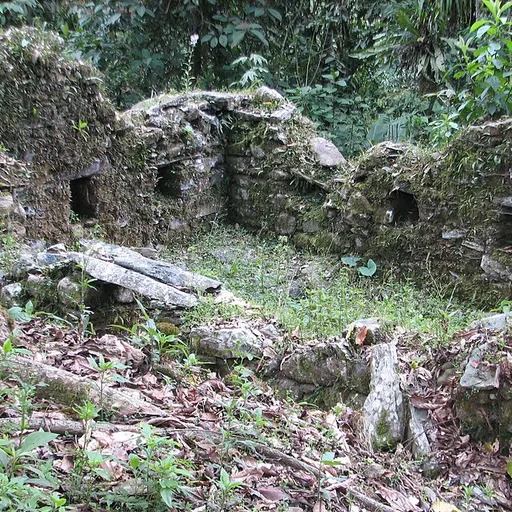
0Colombia's 'Lost City,' built by the Tayrona people centuries before Machu Picchu, was hidden in dense Sierra Nevada jungle until looters stumbled onto its stone terraces in 1972. Reachable only by a grueling multi-day jungle trek, it remains far less commercialized than its Peru
Peak Era: 800-1600 CERediscovered: 1972Location: ColombiaMystery Factor: 7/10Visitable Today: ✓
added by Yourlist EditorialCiudad Perdida
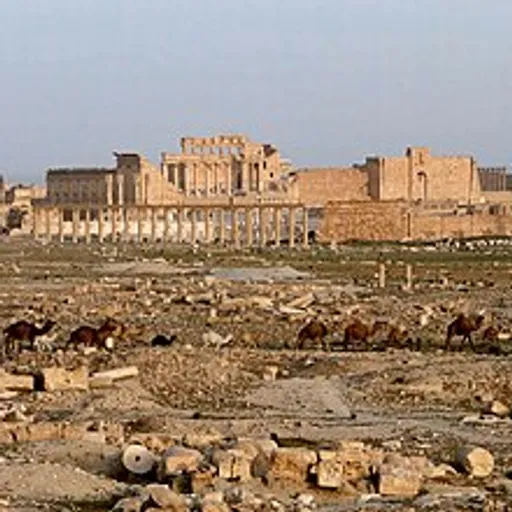
0A wealthy caravan oasis city ruled briefly by the rebel Queen Zenobia against Rome, Palmyra's monumental colonnades stood remarkably preserved in the Syrian desert for two millennia. Its 2015 partial destruction by ISIS, broadcast worldwide, transformed it from ancient wonder int
Peak Era: 1st century BCE-3rd century CERediscovered: Known continuously; studied 1600s+Location: SyriaMystery Factor: 6/10Visitable Today: —
added by Yourlist EditorialPalmyra
0The true 'last refuge' of the Inca resistance against Spanish conquest, this jungle capital was where the final Inca emperor held out until 1572. For centuries explorers confused it with Machu Picchu; its actual location at Espiritu Pampa wasn't confirmed until the mid-20th centu
Peak Era: 1539-1572 CERediscovered: 1911, confirmed 1964Location: PeruMystery Factor: 8/10Visitable Today: ✓
added by Yourlist EditorialVilcabamba
0An entire multi-level underground city in Cappadocia capable of sheltering thousands with ventilation shafts, wells, and stables carved into soft volcanic rock. Built to hide from invaders across centuries, it was only rediscovered in 1963 when a man knocked down a wall in his ba
Peak Era: 8th century BCE-Byzantine eraRediscovered: 1963Location: TurkeyMystery Factor: 8/10Visitable Today: ✓
added by Yourlist EditorialDerinkuyu
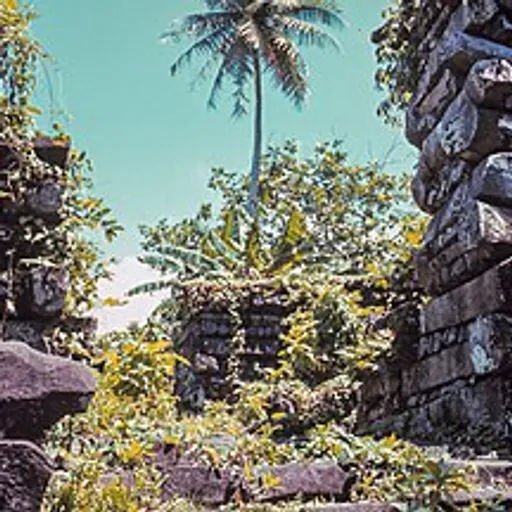
0A haunting complex of artificial basalt islets built on a Pacific reef, this 'Venice of Micronesia' served as the ceremonial capital of the Saudeleur dynasty. Its megalithic log-shaped basalt construction, without any known quarrying or transport technology explanation, has never
Peak Era: 1200-1600 CERediscovered: Known locally; studied 1800sLocation: Pohnpei, MicronesiaMystery Factor: 9/10Visitable Today: ✓
added by Yourlist EditorialNan Madol
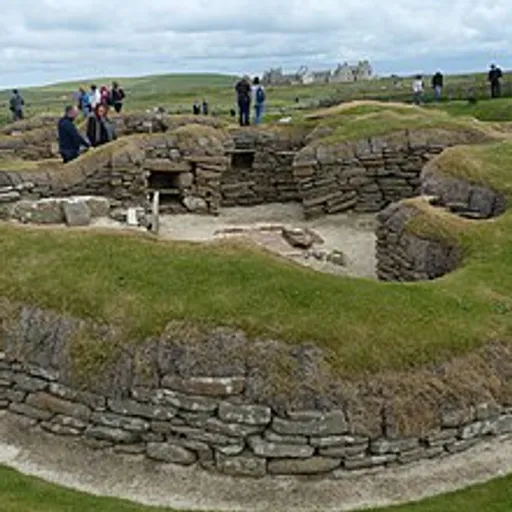
0A shockingly well-preserved Neolithic village on Scotland's Orkney Islands, older than Stonehenge and the Egyptian pyramids, uncovered by a violent 1850 storm that stripped away the sand dune hiding it. Its stone furniture, box beds, and dressers survive intact, offering an intim
Peak Era: 3180-2500 BCERediscovered: 1850Location: Orkney, ScotlandMystery Factor: 6/10Visitable Today: ✓
added by Yourlist EditorialSkara Brae
0Ancient Greece's own real-life Atlantis story: a wealthy city that sank into the Gulf of Corinth after a catastrophic earthquake and tsunami in 373 BCE, witnessed and recorded by contemporary historians. Unlike Plato's myth, Helike's destruction is well-documented fact, and its r
Peak Era: Destroyed 373 BCERediscovered: 1990s-2001Location: GreeceMystery Factor: 7/10Visitable Today: —
added by Yourlist EditorialHelike
0