Greatest Campaign Ads Ever Made
From 'Daisy' to 'Yes We Can,' these are the political spots that changed elections and rewired how campaigns talk to voters. Vote for the ones you think left the deepest mark on politics and pop culture.
What counts: Ranked by a mix of cultural impact, historical significance, and real political effectiveness (did it move votes or reshape the race). Ratings and effectiveness scores are subjective and approximate, based on historical consensus rather than precise polling data.
The ad that invented the modern attack ad: a girl counting daisy petals dissolves into a nuclear countdown and mushroom cloud, implying Goldwater would start a nuclear war. It aired only once but became the most analyzed political ad in history, cementing LBJ's landslide and sett
Year: 1964Candidate/Sponsor: Lyndon B. JohnsonCultural Impact: 10/10Political Effectiveness: 9/10Attack Ad: ✓Candidate Won Election: ✓Still Referenced Today: ✓
added by Yourlist Editorialin 2 rankingsDaisy
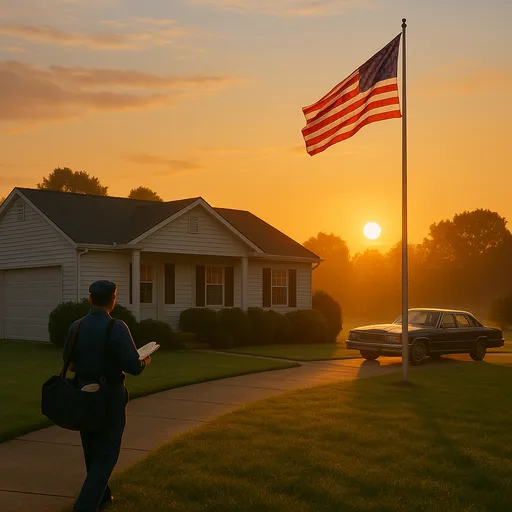
0Soft-focus shots of flag-raisings, wedding processions, and small-town Americana paired with an optimistic narrator turned economic recovery into a feel-good referendum on Reagan himself. It's the gold standard for the 'positive' campaign ad and still studied as the opposite pole
Year: 1984Candidate/Sponsor: Ronald ReaganCultural Impact: 9/10Political Effectiveness: 9/10Attack Ad: —Candidate Won Election: ✓Still Referenced Today: ✓
added by Yourlist Editorialin 2 rankingsMorning in America
0This PAC-funded ad tied Michael Dukakis to convicted murderer Willie Horton's furlough-program crime, becoming the era's most notorious example of racially charged fearmongering in politics. It helped sink Dukakis's lead and remains the textbook case study for the ethics debate a
Year: 1988Candidate/Sponsor: George H.W. Bush (PAC-sponsored)Cultural Impact: 9/10Political Effectiveness: 8/10Attack Ad: ✓Candidate Won Election: ✓Still Referenced Today: ✓
added by Yourlist EditorialWillie Horton
0The Bear
A grizzly bear stalking through the forest as a metaphor for Soviet threat, 'some people don't think the bear is there,' never naming Mondale but implying he'd leave America defenseless. Its wordless menace made it one of the most imitated metaphor-ads in political history.
Year: 1984Candidate/Sponsor: Ronald ReaganCultural Impact: 8/10Political Effectiveness: 8/10Attack Ad: —Candidate Won Election: ✓Still Referenced Today: ✓
added by Yourlist Editorialin 11 rankings
0Veterans claiming Kerry misrepresented his Vietnam service spawned an entire genre, 'swiftboating,' now a verb for coordinated character attacks. The campaign is credited with neutralizing Kerry's biggest asset, his war record, and flipping it into his greatest liability.
Year: 2004Candidate/Sponsor: John Kerry (opposing group)Cultural Impact: 8/10Political Effectiveness: 8/10Attack Ad: ✓Candidate Won Election: —Still Referenced Today: ✓
added by Yourlist EditorialSwift Vets and POWs for Truth
0The Man from Hope
This biographical convention film traced Clinton's journey from a small Arkansas town literally named Hope to the national stage, humanizing a candidate dogged by scandal rumors. It's the template every 'origin story' campaign biopic since has tried to copy.
Year: 1992Candidate/Sponsor: Bill ClintonCultural Impact: 8/10Political Effectiveness: 8/10Attack Ad: —Candidate Won Election: ✓Still Referenced Today: ✓
added by Yourlist Editorial
0Windsurfing
Footage of John Kerry windsurfing, tacking back and forth with the wind, became a devastatingly simple visual metaphor for 'flip-flopping' on Iraq war funding. Few ads have made a hobby look so politically fatal.
Year: 2004Candidate/Sponsor: George W. BushCultural Impact: 7/10Political Effectiveness: 7/10Attack Ad: ✓Candidate Won Election: ✓Still Referenced Today: ✓
added by Yourlist Editorial
0Yes We Can
Will.i.am set Obama's New Hampshire concession speech to music, with a parade of celebrities lip-syncing the candidate's own words, turning a loss into a viral anthem for hope. It signaled campaign advertising's leap onto YouTube and social sharing.
Year: 2008Candidate/Sponsor: Barack ObamaCultural Impact: 9/10Political Effectiveness: 7/10Attack Ad: —Candidate Won Election: ✓Still Referenced Today: ✓
added by Yourlist Editorialin 2 rankings
0Eisenhower Answers America
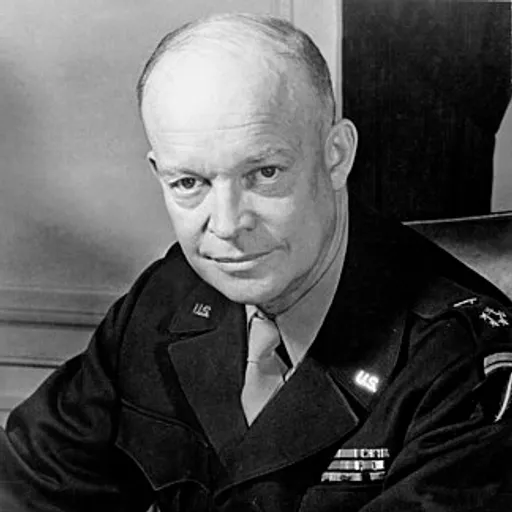
History's first true TV spot campaign had ordinary citizens lobbing questions at Eisenhower in a studio, answers filmed separately and cut together to fake spontaneity. It launched the entire industry of packaged, media-consultant-driven political advertising.
Year: 1952Candidate/Sponsor: Dwight D. EisenhowerCultural Impact: 8/10Political Effectiveness: 7/10Attack Ad: —Candidate Won Election: ✓Still Referenced Today: —
added by Yourlist Editorial
0Wolves
A pack of wolves circling in a dark forest represented terrorist threats Kerry's proposed defense cuts would supposedly unleash, an unsubtle descendant of Reagan's Bear years earlier. Critics mocked its cheesiness even as it reinforced the 'weak on terror' narrative that dogged K
Year: 2004Candidate/Sponsor: George W. BushCultural Impact: 6/10Political Effectiveness: 6/10Attack Ad: ✓Candidate Won Election: ✓Still Referenced Today: —
added by Yourlist Editorial
0Tank Ride
Dukakis's own campaign filmed him grinning in an oversized helmet atop an M1 Abrams tank to look tough on defense, and the Bush campaign simply repurposed the footage to make him look absurd. It's the enduring cautionary tale of the campaign visual that backfires spectacularly.
Year: 1988Candidate/Sponsor: Michael DukakisCultural Impact: 7/10Political Effectiveness: 3/10Attack Ad: —Candidate Won Election: —Still Referenced Today: ✓
added by Yourlist Editorial
0A fictional suburban couple at the kitchen table fretted over Clinton's health care plan, and this single issue ad is widely credited with helping kill the entire reform effort. 'Harry and Louise' became shorthand for how a well-crafted 30-second spot can reshape national policy
Year: 1993Candidate/Sponsor: Health Insurance Association of America (issue ad)Cultural Impact: 7/10Political Effectiveness: 8/10Attack Ad: ✓Candidate Won Election: —Still Referenced Today: ✓
added by Yourlist EditorialHarry and Louise
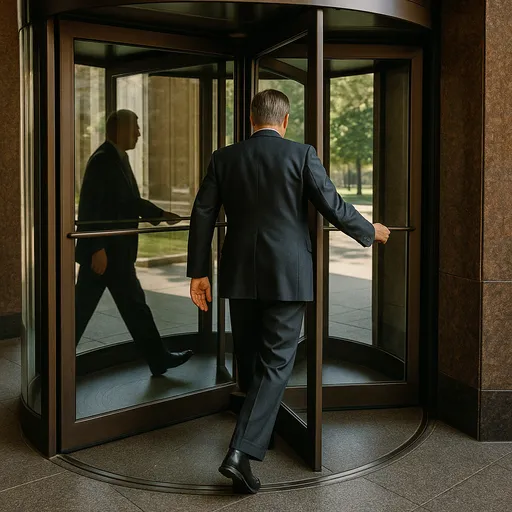
0The Bush campaign's own follow-up to Willie Horton showed convicts literally strolling through a revolving prison door, hammering Dukakis's furlough record without needing a mugshot. It proved a campaign could run the same message as an outside group and keep its hands technicall
Year: 1988Candidate/Sponsor: George H.W. BushCultural Impact: 7/10Political Effectiveness: 7/10Attack Ad: ✓Candidate Won Election: ✓Still Referenced Today: —
added by Yourlist EditorialRevolving Door
0An animated parade set to a bouncy jingle turned a five-star general into a singable, lovable brand, penned in part by Irving Berlin. It proved a catchy tune could do more electoral work than any policy speech.
Year: 1952Candidate/Sponsor: Dwight D. EisenhowerCultural Impact: 7/10Political Effectiveness: 6/10Attack Ad: —Candidate Won Election: ✓Still Referenced Today: ✓
added by Yourlist Editorialin 2 rankingsIke for President
0A lifelong Republican actor stares into the camera and explains, haltingly, why he can't bring himself to vote for Barry Goldwater, pioneering the 'testimonial defector' format. Its quiet, confessional style was a deliberate contrast to Daisy's bombast from the same campaign.
Year: 1964Candidate/Sponsor: Lyndon B. JohnsonCultural Impact: 7/10Political Effectiveness: 7/10Attack Ad: ✓Candidate Won Election: ✓Still Referenced Today: —
added by Yourlist EditorialConfessions of a Republican
03 AM Phone Call
A ringing red phone at 3 a.m. asked voters who they wanted answering it in a crisis, an implicit jab at Barack Obama's inexperience during the bruising Democratic primary. Obama's campaign turned the tables with its own version featuring his face, but the 'red phone' image outliv
Year: 2008Candidate/Sponsor: Hillary ClintonCultural Impact: 7/10Political Effectiveness: 5/10Attack Ad: ✓Candidate Won Election: —Still Referenced Today: ✓
added by Yourlist Editorial
0