Greatest Campaign Slogans Ever
From 'Tippecanoe and Tyler Too' to 'Make America Great Again,' vote on which political slogan best captured a moment, moved votes, and stuck in the culture forever.
What counts: Ranking blends historical impact, memorability, and whether the slogan actually helped win the election; all years and ratings are approximate and reflect general historical consensus, not official scoring.
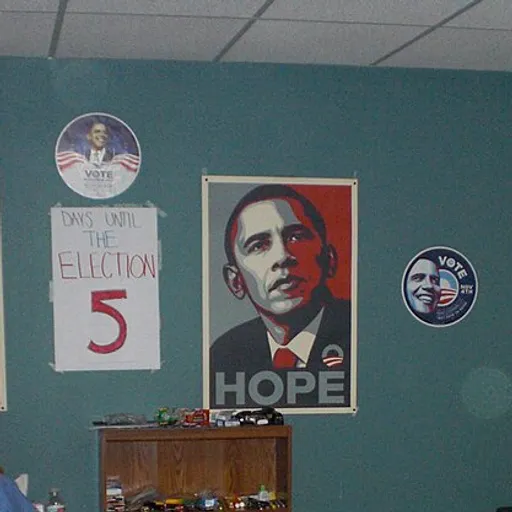
Yes We Can
Obama's 2008 rallying cry turned a three-word phrase into a call-and-response anthem, amplified by will.i.am's celebrity music video that racked up tens of millions of views. It fused hope, rhythm, and history into a single line that outlived the campaign itself.
Election Year: 2008Candidate/Campaign: Barack ObamaWon Election: ✓Cultural Impact: 9.8/10
added by Yourlist Editorialin 2 rankings
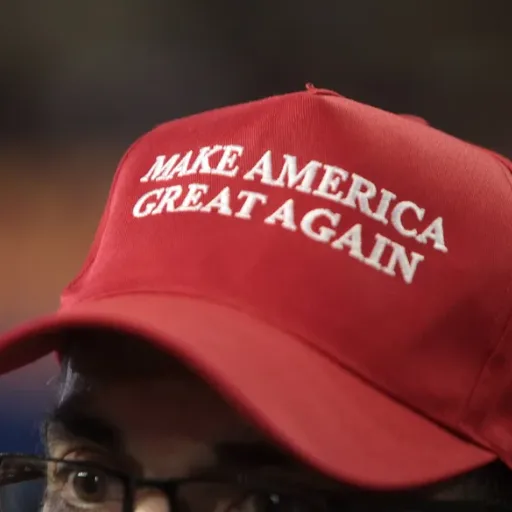
0Trump revived a Reagan-era phrase, slapped it on a red hat, and turned it into the most recognizable piece of political merchandise in modern history. Love it or hate it, MAGA became shorthand for an entire political movement, not just a slogan.
Election Year: 2016Candidate/Campaign: Donald TrumpWon Election: ✓Cultural Impact: 9.7/10
added by Yourlist EditorialMake America Great Again
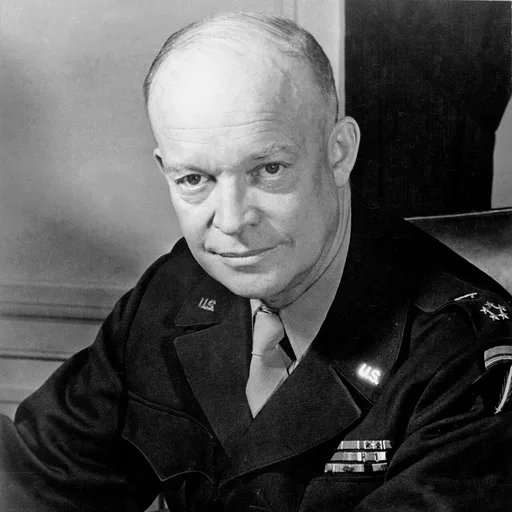
0I Like Ike
Simple, alliterative, and impossible to forget, this 1952 slogan rode Eisenhower's war-hero popularity straight into buttons, jingles, and even an animated Disney-produced TV ad. Its plainspoken charm set the template for modern feel-good campaign branding.
Election Year: 1952Candidate/Campaign: Dwight D. EisenhowerWon Election: ✓Cultural Impact: 8.7/10
added by Yourlist Editorialin 2 rankings
0Reagan's 1984 ad campaign painted a glowing, cinematic vision of national renewal that felt less like politics and more like a movie trailer for optimism. The phrase became a permanent descriptor for feel-good incumbency messaging.
Election Year: 1984Candidate/Campaign: Ronald ReaganWon Election: ✓Cultural Impact: 8.9/10
added by Yourlist Editorialin 2 rankingsMorning in America
0Happy Days Are Here Again
FDR adopted this Depression-era tune as his 1932 theme, promising relief to a nation crushed by economic collapse. It became the Democratic Party's unofficial anthem for decades afterward, a rare slogan that outlasted its own campaign by generations.
Election Year: 1932Candidate/Campaign: Franklin D. RooseveltWon Election: ✓Cultural Impact: 8.5/10
added by Yourlist Editorial
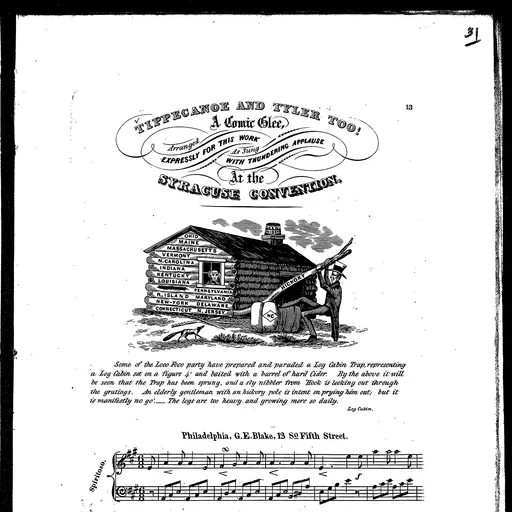
0This 1840 jingle turned William Henry Harrison's decades-old battle victory into a catchy campaign song, arguably inventing the modern political slogan format. It's the oldest entry here and still gets quoted in history classes nearly two centuries later.
Election Year: 1840Candidate/Campaign: William Henry HarrisonWon Election: ✓Cultural Impact: 8.3/10
added by Yourlist EditorialTippecanoe and Tyler Too
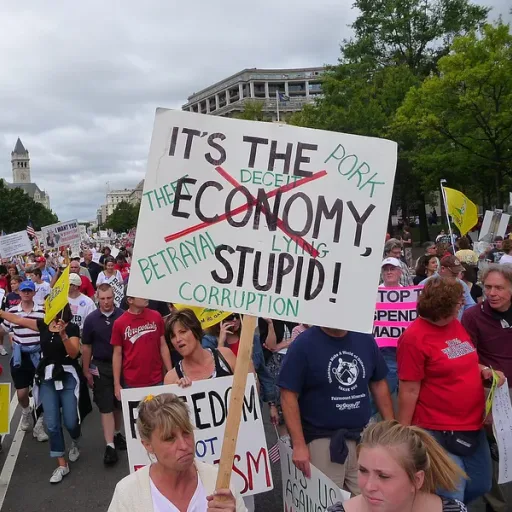
0Coined by strategist James Carville as an internal war-room reminder, this line leaked into public consciousness and became the defining phrase of pragmatic, message-disciplined campaigning. It's less a slogan than a commandment that reshaped how campaigns talk to voters.
Election Year: 1992Candidate/Campaign: Bill ClintonWon Election: ✓Cultural Impact: 8.8/10
added by Yourlist EditorialIt's the economy, stupid
0In Your Heart, You Know He's Right
Goldwater's 1964 slogan leaned hard into conviction politics, and Democrats gleefully twisted it into 'In your guts, you know he's nuts.' A losing campaign, but the phrase became a landmark moment in the rise of modern conservative messaging.
Election Year: 1964Candidate/Campaign: Barry GoldwaterWon Election: —Cultural Impact: 7.5/10
added by Yourlist Editorial
0Are You Better Off Than You Were Four Years Ago?
Reagan's devastating debate-turned-slogan question against Carter in 1980 became the go-to rhetorical weapon for challengers ever since. It's less a slogan than a formula, endlessly recycled by candidates of both parties.
Election Year: 1980Candidate/Campaign: Ronald ReaganWon Election: ✓Cultural Impact: 8.2/10
added by Yourlist Editorial
0Keep Cool with Coolidge
Playing on Calvin Coolidge's famously reserved 'Silent Cal' persona, this 1924 slogan turned a personality quirk into a political asset. It's a quaint but clever early example of branding a candidate's flaws as features.
Election Year: 1924Candidate/Campaign: Calvin CoolidgeWon Election: ✓Cultural Impact: 7/10
added by Yourlist Editorial
0A Chicken in Every Pot
Associated with Hoover's 1928 Republican prosperity messaging, this promise of universal abundance became painfully ironic just a year later when the Great Depression hit. It endures as a cautionary tale about slogans that age badly.
Election Year: 1928Candidate/Campaign: Herbert HooverWon Election: ✓Cultural Impact: 7.8/10
added by Yourlist Editorial
0All the Way with LBJ
Johnson's punchy 1964 rhyme rode a landslide victory over Goldwater, backed by the era's flashy new campaign-jingle machine. It's a snapshot of mid-century Americana political marketing at its most upbeat.
Election Year: 1964Candidate/Campaign: Lyndon B. JohnsonWon Election: ✓Cultural Impact: 6.8/10
added by Yourlist Editorial
0Don't Change Horses in Midstream
Lincoln's 1864 reelection slogan, delivered amid the Civil War, argued that stability mattered more than ever during crisis. Its metaphor became a durable political cliché still invoked by incumbents facing turbulent times.
Election Year: 1864Candidate/Campaign: Abraham LincolnWon Election: ✓Cultural Impact: 7.2/10
added by Yourlist Editorial
0He Kept Us Out of War
Wilson's 1916 slogan promised continued neutrality just months before the U.S. entered World War I, making it one of history's more ironic campaign promises. It's remembered as much for its broken premise as for its rhetorical craft.
Election Year: 1916Candidate/Campaign: Woodrow WilsonWon Election: ✓Cultural Impact: 6.5/10
added by Yourlist Editorial
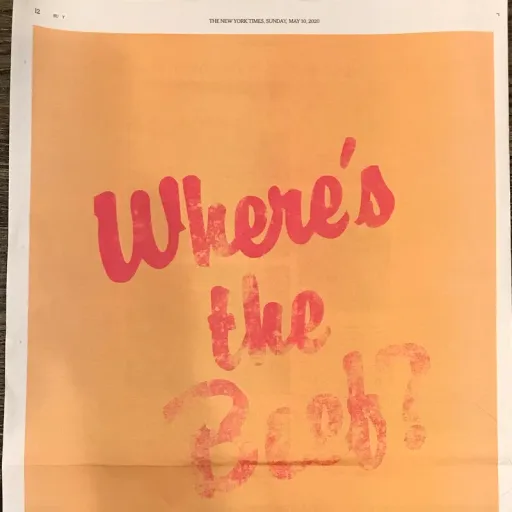
0Technically a debate zinger from a Wendy's ad actress deployed against Gary Hart in the 1984 Democratic primary, this line became instant pop culture and a shorthand for substance over style. It proved a single quip could dominate a news cycle more than any policy speech.
Election Year: 1984Candidate/Campaign: Walter MondaleWon Election: —Cultural Impact: 7.9/10
added by Yourlist EditorialWhere's the beef?
0Stronger Together
Clinton's 2016 slogan aimed for unifying optimism but struggled to cut through the noise of a chaotic, polarized race. It's remembered more as a case study in message discipline versus visceral resonance than as a beloved catchphrase.
Election Year: 2016Candidate/Campaign: Hillary ClintonWon Election: —Cultural Impact: 5.5/10
added by Yourlist Editorial
0Build Back Better
Biden's 2020 slogan promised post-pandemic renewal and infrastructure investment, later lending its name to a sweeping legislative package. It's a functional, policy-forward phrase rather than a poetic one, reflecting its era's technocratic mood.
Election Year: 2020Candidate/Campaign: Joe BidenWon Election: ✓Cultural Impact: 5.8/10
added by Yourlist Editorial
0Change We Can Believe In
Obama's companion slogan to 'Yes We Can' in 2008 leaned into the broader promise of transformational politics after eight polarizing Bush years. Together the two phrases formed one of the most cohesive slogan pairings in campaign history.
Election Year: 2008Candidate/Campaign: Barack ObamaWon Election: ✓Cultural Impact: 8/10
added by Yourlist Editorial
0