Greatest Military Generals in History
Throughout history, brilliant military minds have shaped the fate of empires, redrawn maps, and changed the course of civilization through bold strategy and unyielding leadership. From ancient conquerors to modern战略家 who mastered the art of war, these commanders left legacies still studied in military academies today. Who do you think deserves the title of the greatest general of all time? Cast your vote and make your case!
What counts: Ranking reflects battlefield genius, strategic innovation, campaign success rate, and lasting historical impact. Years, battle counts, and win rates are approximate and drawn from widely cited historical estimates; scholarly sources vary.
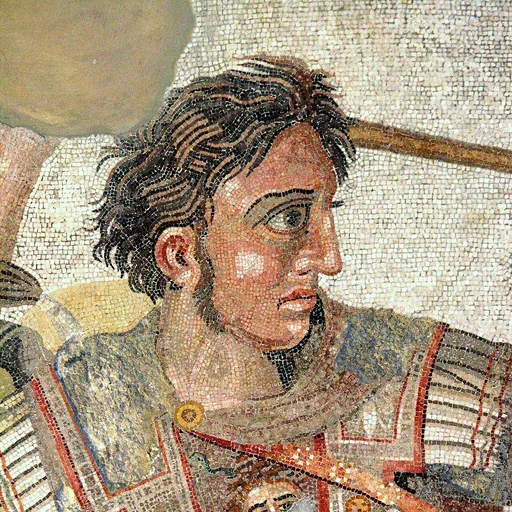
He crossed the Hellespont at twenty-two and never lost a battle, shattering the Persian Empire at Gaugamela with a diagonal cavalry strike that remains a textbook masterpiece of combined-arms warfare. In thirteen years he conquered from Greece to India, spreading Hellenistic culture across three continents and creating the template every conqueror after him tried to imitate. Undefeated, audacious, and dead at thirty-two—his myth alone earns him the top tier.
Active Era: 336-323 BCMajor Battles: 9Estimated Win Rate: ~100%Tactical Innovation: 9.5/10Historical Legacy: 10/10
added by Yourlist Editorialin 10 rankingsAlexander the Great
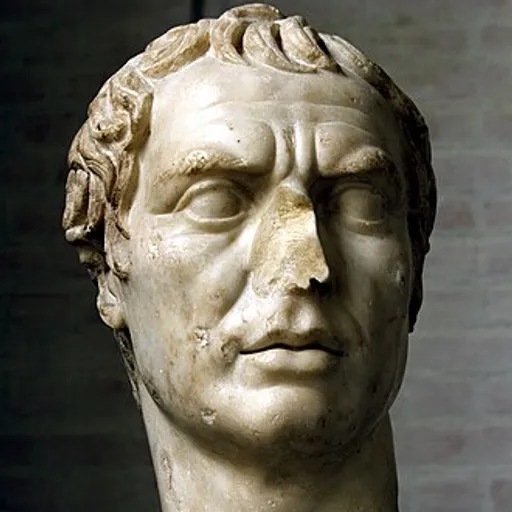
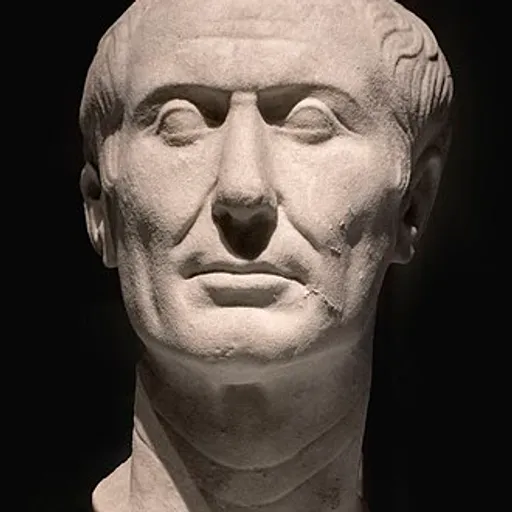
0At Alesia he built two rings of fortifications—one facing in, one facing out—to simultaneously besiege a Gallic army and repel a relief force, a feat of engineering and nerve that conquered Gaul in eight brutal years. His crossing of the Rubicon turned military audacity into political revolution, ending the Roman Republic itself. Few generals ever fused battlefield brilliance with world-historical consequence so completely.
Active Era: 58-45 BCMajor Battles: 15Estimated Win Rate: ~90%Tactical Innovation: 9/10Historical Legacy: 9.5/10
added by Yourlist Editorialin 9 rankingsJulius Caesar
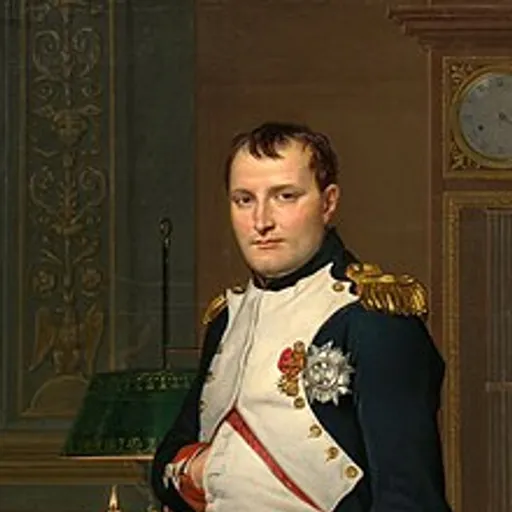
0Napoleon Bonaparte
At Austerlitz he lured the combined Austro-Russian armies onto ground of his choosing, feigned weakness on his right, then shattered their center in the single most perfect victory of the age. He revolutionized warfare with the corps system and levée en masse, dominating Europe for a decade before Russia's winter and a coalition of exhausted enemies finally brought him down at Waterloo. His campaigns are still taught as the gold standard of operational maneuver.
Active Era: 1796-1815Major Battles: 60Estimated Win Rate: ~85%Tactical Innovation: 9.5/10Historical Legacy: 10/10
added by Yourlist Editorialin 10 rankings
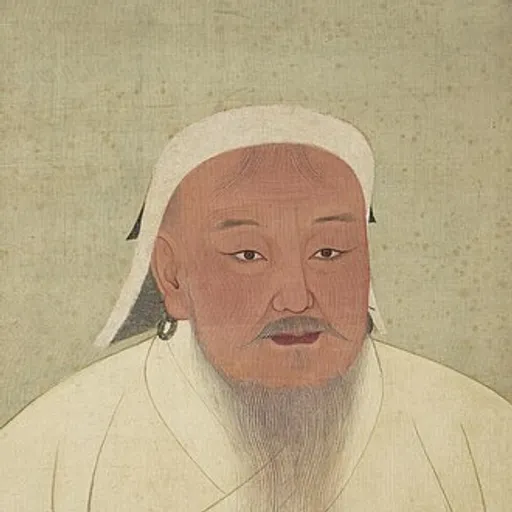
0He united the fractious Mongol tribes and then unleashed them across Eurasia, using decoy retreats, psychological terror, and relentless mounted archers to annihilate empires from China to Persia. The sack of cities that resisted became doctrine, and the speed of his horsemen redrew the map of the known world faster than any force before or since. No general conquered more territory, and none did it with a smaller starting population.
Active Era: 1206-1227Major Battles: 20Estimated Win Rate: ~95%Tactical Innovation: 9.5/10Historical Legacy: 10/10
added by Yourlist Editorialin 11 rankingsGenghis Khan
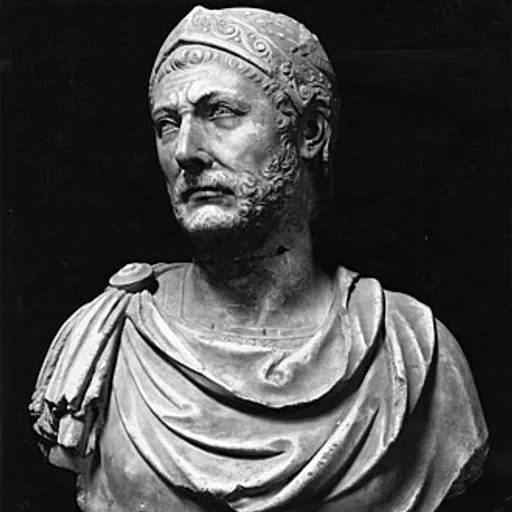
0He marched war elephants over the Alps and then, at Cannae, executed the perfect double envelopment—luring the larger Roman army into a collapsing crescent and annihilating some 50,000 men in a single afternoon. For sixteen years he rampaged through Italy undefeated in open battle, yet Rome's refusal to break birthed the strategy of attrition that eventually doomed him at Zama. Cannae is still studied in military academies as the ceiling of tactical perfection.
Active Era: 218-201 BCMajor Battles: 8Estimated Win Rate: ~75%Tactical Innovation: 9.5/10Historical Legacy: 9.5/10
added by Yourlist Editorialin 4 rankingsHannibal
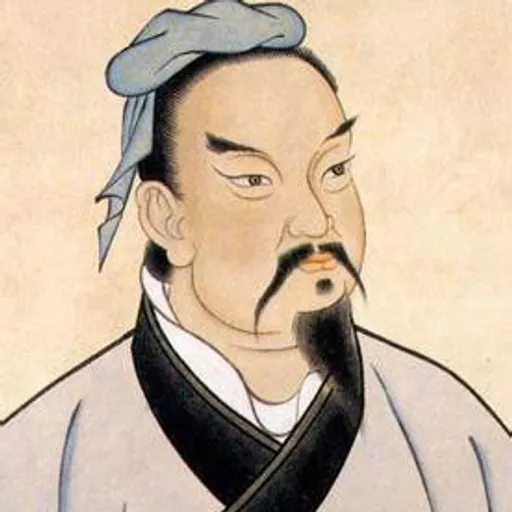
0He may never have fought a battle himself, but The Art of War distilled deception, terrain, intelligence, and psychology into aphorisms that generals from Napoleon to Mao openly credited as foundational. His insistence that the greatest victory is the one won without fighting reframed warfare as a contest of minds before it's a contest of arms. Two and a half millennia later his maxims still shape military academies and boardrooms alike.
Active Era: ~500 BCMajor Battles: —Estimated Win Rate: —Tactical Innovation: 9/10Historical Legacy: 9.5/10
added by Yourlist Editorialin 4 rankingsSun Tzu
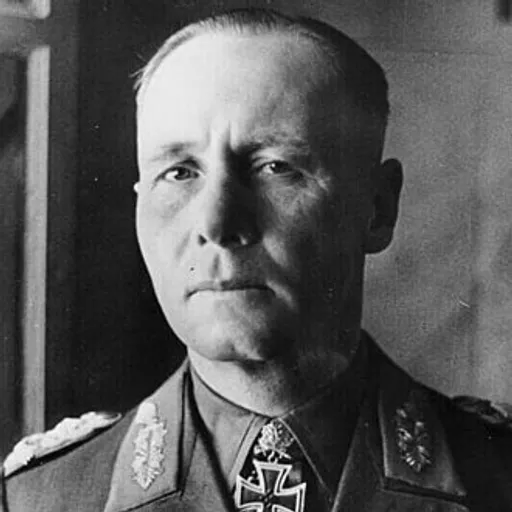
0The 'Desert Fox' ran circles around numerically superior British forces in North Africa, using speed, bluff, and audacious flanking drives to seize Tobruk and push to El Alamein with a fraction of the Allies' supplies. Even his enemies, including Churchill, praised his chivalry and tactical brilliance, and his later push to fortify the Atlantic Wall showed a defensive genius that nearly stymied D-Day. He earns his place as the rare general remembered with respect on both sides of the war.
Active Era: 1940-1944Major Battles: 12Estimated Win Rate: ~65%Tactical Innovation: 9/10Historical Legacy: 8.5/10
added by Yourlist Editorialin 2 rankingsErwin Rommel
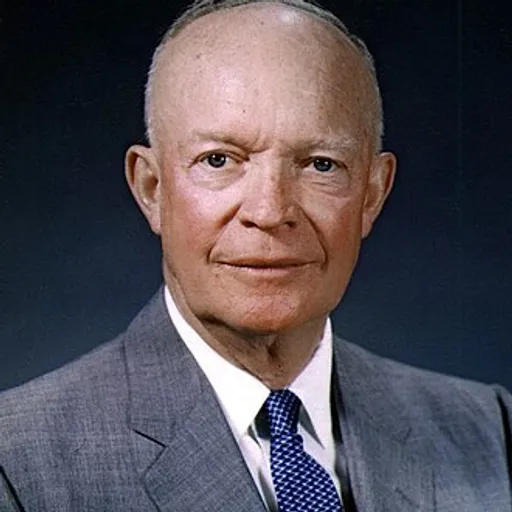
0He never commanded a division in combat before World War II, yet as Supreme Allied Commander he orchestrated the impossibly complex logistics and diplomacy of D-Day, landing over 150,000 men across five beaches in a single coordinated strike. His genius was managerial and political—holding together Montgomery, Patton, and de Gaulle's egos long enough to crush Nazi Germany. Few generals changed the shape of the postwar world as directly as the man who became president on the strength of it.
Active Era: 1942-1945Major Battles: 8Estimated Win Rate: ~90%Tactical Innovation: 8/10Historical Legacy: 9/10
added by Yourlist Editorialin 17 rankingsDwight D. Eisenhower
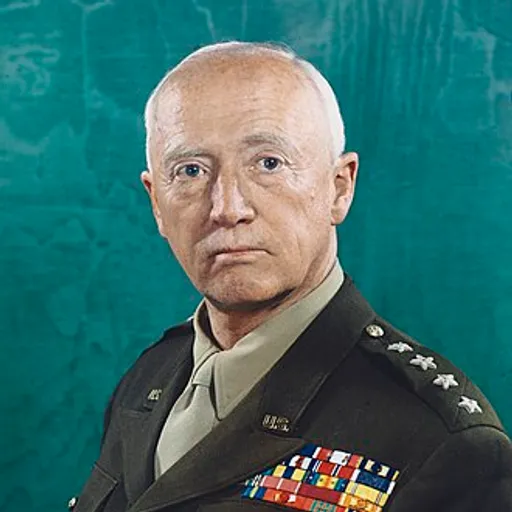
0He turned the breakout from Normandy into a rout, driving the Third Army across France faster than any mechanized force had ever moved, then wheeled north in the dead of winter to relieve Bastogne during the Battle of the Bulge. Brash, profane, and obsessed with the offensive, he believed speed and aggression could win wars that caution only prolonged. His armored blitzkriegs-in-reverse made him America's most feared and theatrical commander.
Active Era: 1942-1945Major Battles: 10Estimated Win Rate: ~90%Tactical Innovation: 8.5/10Historical Legacy: 8.5/10
added by Yourlist Editorialin 2 rankingsGeorge S. Patton
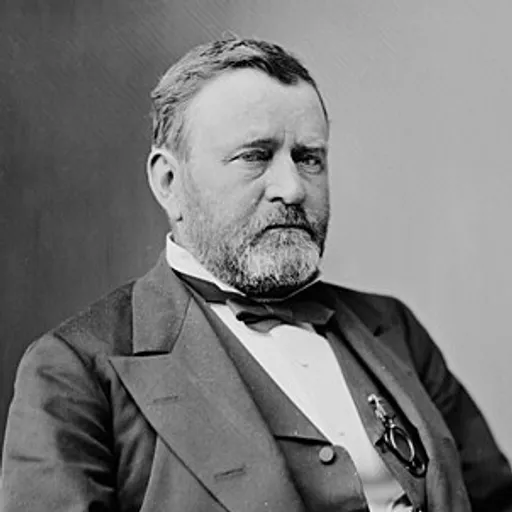
0Dismissed early as a drunk, he became the general who understood that the Union's advantage was attrition, not elegance, grinding down Lee's army through the Overland Campaign's horrific casualties until Confederate resources simply ran out. His capture of Vicksburg split the Confederacy in two and remains one of the finest siege campaigns in American history. He won not with brilliance alone but with an unflinching, modern understanding that total war meant total commitment.
Active Era: 1861-1865Major Battles: 15Estimated Win Rate: ~75%Tactical Innovation: 8/10Historical Legacy: 8.5/10
added by Yourlist Editorialin 10 rankingsUlysses S. Grant
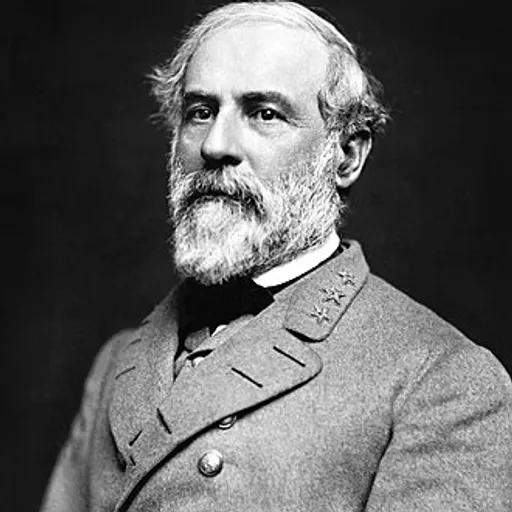
0At Chancellorsville he split his outnumbered army in the face of the enemy and sent Stonewall Jackson on a flanking march that produced one of the most audacious victories in American military history. His aggressive tactical instincts kept the Confederacy alive far longer than its resources should have allowed, but that same aggression bled his army white at Gettysburg's fatal charge. He remains a towering, controversial figure—tactically brilliant, strategically doomed by the cause and country he served.
Active Era: 1861-1865Major Battles: 16Estimated Win Rate: ~65%Tactical Innovation: 8/10Historical Legacy: 8/10
added by Yourlist EditorialRobert E. Lee
0Frederick the Great
At Leuthen he used the oblique order—concentrating force against one enemy flank while refusing the other—to destroy an Austrian army twice the size of his own, a masterclass in disciplined maneuver warfare. Surrounded by enemies on all sides during the Seven Years' War, he kept Prussia alive through sheer tactical ingenuity and iron discipline, transforming a minor kingdom into a European power. His drilled, professional army became the model that Napoleon himself later studied and dismantled.
Active Era: 1740-1786Major Battles: 16Estimated Win Rate: ~70%Tactical Innovation: 8.5/10Historical Legacy: 9/10
added by Yourlist Editorialin 3 rankings
0He did what no Roman before him dared: took the fight to Hannibal's homeland, forcing the undefeated Carthaginian to abandon Italy and meet him on Roman terms at Zama. There he turned Hannibal's own tactics against him, neutralizing the war elephants and encircling the Carthaginian infantry to end the Second Punic War outright. Beating the greatest tactician of the ancient world at his own game is argument enough for the pantheon.
Active Era: 218-202 BCMajor Battles: 6Estimated Win Rate: ~85%Tactical Innovation: 8.5/10Historical Legacy: 9/10
added by Yourlist EditorialScipio Africanus
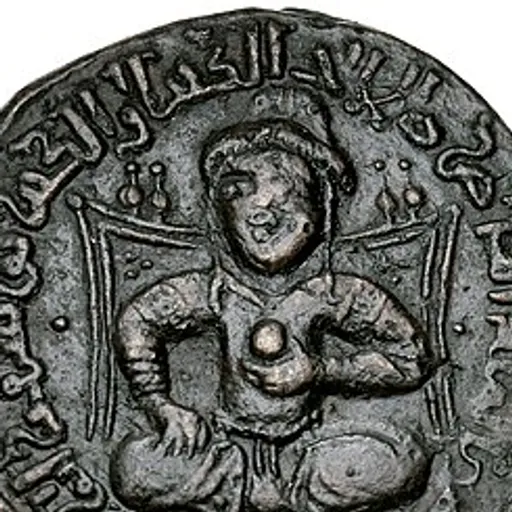
0He united the fractured Muslim world and, at the Battle of Hattin, lured the Crusader army onto waterless ground before annihilating it, opening the road to recapture Jerusalem after nearly a century of Crusader rule. Yet his real legacy is restraint—he took the Holy City without the massacre the Crusaders had inflicted eighty-eight years earlier, earning admiration even from his enemies. Chivalrous, strategically patient, and politically shrewd, he reshaped the entire course of the Crusades.
Active Era: 1174-1193Major Battles: 10Estimated Win Rate: ~75%Tactical Innovation: 8/10Historical Legacy: 9/10
added by Yourlist Editorialin 4 rankingsSaladin
0Tamerlane (Timur)
Claiming descent from Genghis Khan, he built an empire from Delhi to Damascus through campaigns of staggering brutality, famously erecting towers of skulls to terrorize cities into submission before they could resist. His crushing defeat of the Ottoman Sultan Bayezid at Ankara delayed the fall of Constantinople by half a century and reshaped the balance of power across Asia and the Middle East. Few conquerors combined such tactical mastery with such calculated, spectacular terror.
Active Era: 1370-1405Major Battles: 25Estimated Win Rate: ~90%Tactical Innovation: 8.5/10Historical Legacy: 8.5/10
added by Yourlist Editorial
0Undefeated in over a hundred battles, he turned the tide at Uhud against Muhammad's own forces before converting and becoming the 'Sword of Allah,' engineering the stunning conquest of both the Byzantine and Sassanid frontiers within a single decade. At the Battle of Yarmouk he used deception and superior cavalry maneuvering to rout a Byzantine army several times the size of his own, opening the Levant to Islamic rule. His unbroken record across wildly different enemies and terrains makes his case for tactical supremacy almost unmatched.
Active Era: 629-638Major Battles: 15Estimated Win Rate: 100%Tactical Innovation: 9/10Historical Legacy: 9/10
added by Yourlist Editorialin 2 rankingsKhalid ibn al-Walid
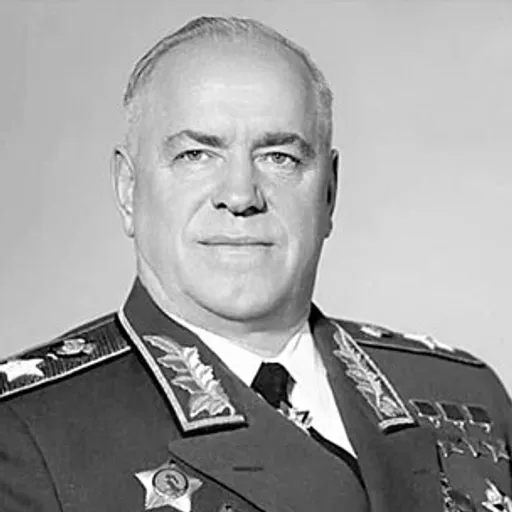
0He broke the Wehrmacht's momentum outside Moscow, then engineered the encirclement at Stalingrad that trapped and destroyed an entire German army, arguably the single turning point of World War II. His brutal, resource-heavy 'deep battle' doctrine sacrificed staggering numbers of Soviet lives but ground the Nazi war machine into dust from the east while the Western Allies fought in France. No general inflicted more damage on Hitler's army, and none did more to guarantee Germany's defeat.
Active Era: 1939-1945Major Battles: 12Estimated Win Rate: ~85%Tactical Innovation: 8.5/10Historical Legacy: 9/10
added by Yourlist EditorialGeorgy Zhukov
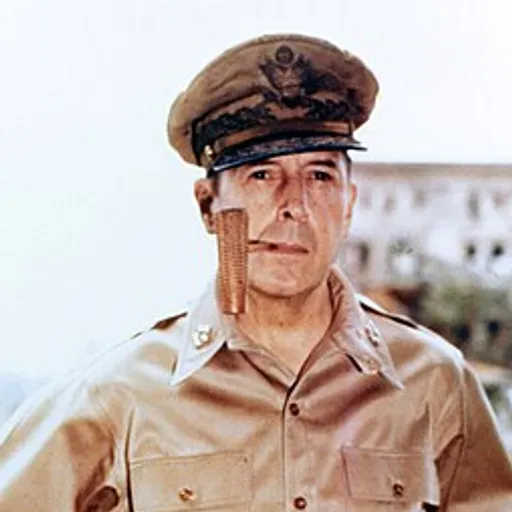
0His island-hopping campaign across the Pacific bypassed heavily fortified Japanese strongholds entirely, saving lives by simply cutting them off from supply and reinforcement rather than assaulting them directly. The Inchon landing during the Korean War—executed against extreme tidal conditions everyone told him were impossible—reversed a near-total defeat in a single stroke of amphibious audacity. Egotistical and insubordinate to a fault, he was nonetheless a genius of theater-level strategic vision.
Active Era: 1942-1951Major Battles: 10Estimated Win Rate: ~80%Tactical Innovation: 8/10Historical Legacy: 8/10
added by Yourlist EditorialDouglas MacArthur
0Duke of Wellington
He spent years perfecting defensive lines in Iberia, using terrain and disciplined infantry squares to bleed Napoleon's marshals dry during the Peninsular War, before facing the Emperor himself at Waterloo. There, alongside Blücher's timely Prussian arrival, his stubborn defensive line at Mont-Saint-Jean absorbed everything Napoleon threw at it and finally broke the man who had dominated Europe for a decade. Unlike almost anyone else on this list, his signature achievement was simply refusing to lose.
Active Era: 1808-1815Major Battles: 15Estimated Win Rate: ~85%Tactical Innovation: 7.5/10Historical Legacy: 9/10
added by Yourlist Editorial
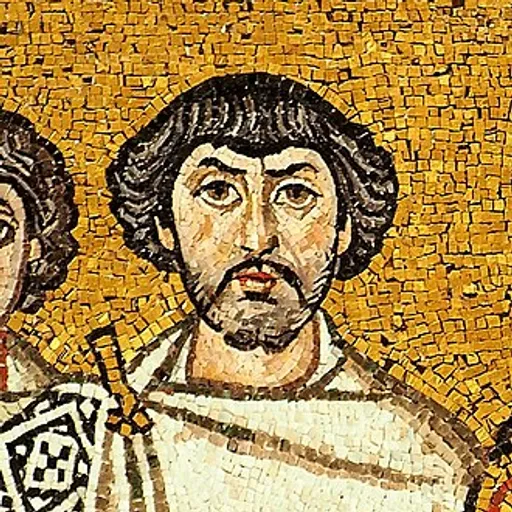
0With a fraction of the troops Justinian's treasury could spare, he reconquered Vandal North Africa in a single lightning campaign and then took Rome itself back from the Ostrogoths, extending Byzantine power further than any general before or after him managed. At Dara he crushed a numerically superior Persian army using entrenchments and cavalry timing so precise it's still studied as a model of combined defense-and-counterattack. Chronically underresourced and politically undermined by his own emperor, he remains history's greatest general operating without adequate support.
Active Era: 527-565Major Battles: 10Estimated Win Rate: ~80%Tactical Innovation: 8.5/10Historical Legacy: 8/10
added by Yourlist EditorialBelisarius
0Attila the Hun
He terrorized both halves of the Roman Empire simultaneously, extracting tribute through sheer reputation as much as conquest, and came closer than any barbarian leader to toppling Rome outright. At the Catalaunian Plains he fought the last great pitched battle of antiquity to a bloody standstill against a coalition of Romans and Visigoths, proof that even in defeat his mounted horde could shake the ancient world's foundations. Feared as the 'Scourge of God,' his very name became a permanent synonym for annihilating conquest.
Active Era: 434-453Major Battles: 8Estimated Win Rate: ~75%Tactical Innovation: 8/10Historical Legacy: 8.5/10
added by Yourlist Editorialin 4 rankings
0