Greatest Roman emperors
From Augustus to Marcus Aurelius, Rome's emperors shaped an empire that stretched across three continents and left legacies still felt today — in law, architecture, language, and government. But which ruler truly deserves the title of greatest: the shrewd founder, the brilliant strategist, the philosopher-king, or the ruthless conqueror? Cast your vote and help decide who sits atop the throne of history.
What counts: Seeded with approximate figures where shown — the crowd's votes decide the order.
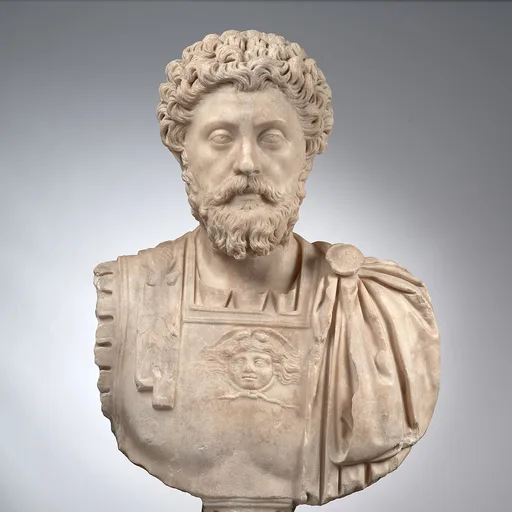
A philosopher-king who spent most of his reign not in libraries but on the freezing Danube frontier fighting Germanic tribes, scribbling Stoic self-reminders by candlelight that became the Meditations. He held the empire together through plague and war without becoming a tyrant, then, fatally, handed it to his son Commodus — a decision historians still call the hinge on which Rome's golden age snapped shut. Gibbon named his death the end of humanity's happiest era, which is either the greatest epitaph or the cruelest irony a ruler could receive.
Era: 161–180
added by Yourlist Editorialin 3 rankingsMarcus Aurelius
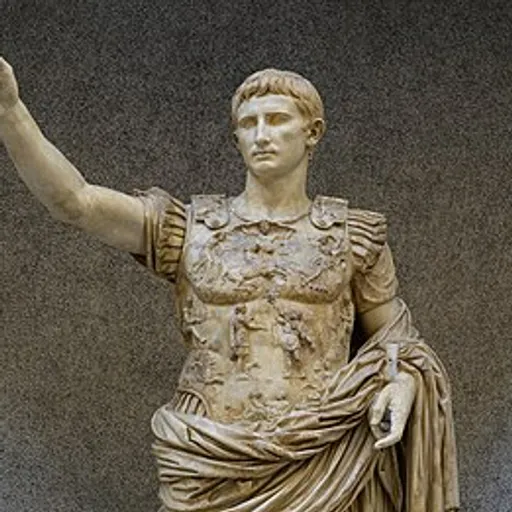
42He ended a century of civil war by patiently, ruthlessly out-maneuvering every rival from Cicero to Antony, then performed the greatest political sleight of hand in history: handing power 'back' to the Senate while keeping every lever for himself. The Pax Romana, the imperial system itself, the very word 'Augustus' as a title future rulers craved — all of it flows from this one man's 40-year reign. No one else on this list gets to exist without him.
Era: 27 BC–14
added by Yourlist Editorialin 4 rankingsAugustus
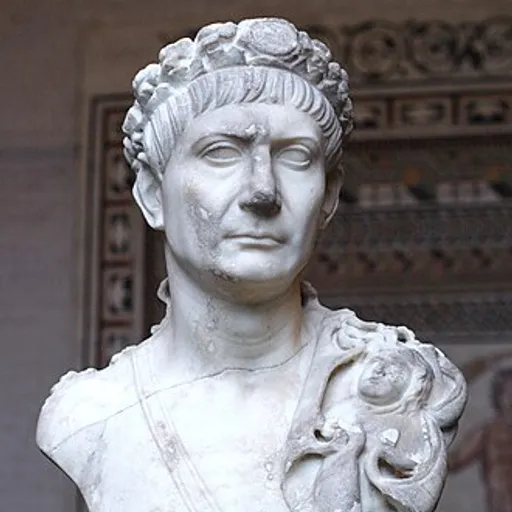
40He pushed the empire to its largest borders ever, conquering Dacia and marching all the way to the Persian Gulf, funding it all with Dacian gold that also built the Forum and Column bearing his name in Rome. Later emperors were formally wished to be 'felicior Augusto, melior Traiano' — luckier than Augustus, better than Trajan — the highest compliment Rome could pay. His generosity, military genius, and refusal to purge the Senate made him the optimus princeps, the best emperor, by acclamation of his own people.
Era: 98–117
added by Yourlist Editorialin 3 rankingsTrajan
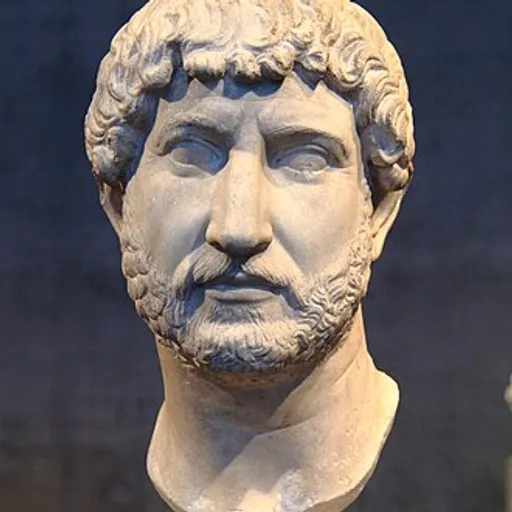
24He walked his empire's edges rather than expanding them, building a 73-mile wall across Britain and pulling legions back from Trajan's overreach in the east, betting that consolidation would outlast conquest. A restless builder and Hellenophile, he rebuilt the Pantheon into the dome that still awes visitors and turned his grief over Antinous into a cult that spread statues across the Mediterranean. His genius was strategic restraint — knowing when an empire should stop growing — a rarer virtue among rulers than any battlefield triumph.
Era: 117–138
added by Yourlist Editorialin 2 rankingsHadrianic
12Constantine
At the Milvian Bridge he supposedly saw a cross in the sky and 'conquer by this sign,' then went on to legalize Christianity and personally steer the Council of Nicaea — turning a persecuted sect into the future faith of Europe. He also founded Constantinople, splitting Rome's center of gravity east and guaranteeing the empire's survival for another thousand years after the west collapsed. Few single decisions in human history rippled further than his; he didn't just rule Rome, he redirected the entire trajectory of Western civilization.
Era: 306–337
added by Yourlist Editorialin 2 rankings
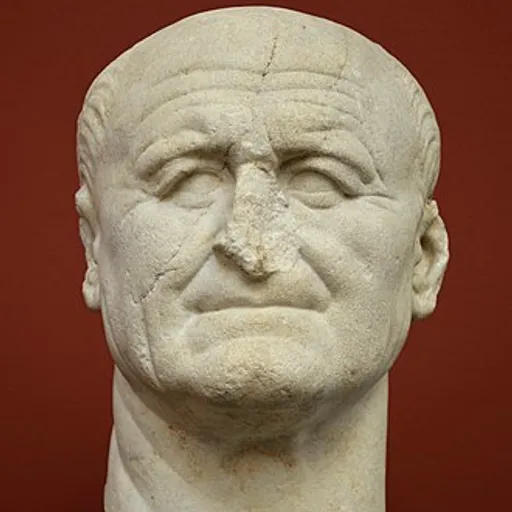
6He climbed out of the year of four emperors' chaos with nothing but battle-hardened legions and a general's bluntness, taxing even urinals with the famous shrug 'pecunia non olet' — money doesn't stink. He started the Colosseum, restored fiscal sanity after Nero's excesses, and founded the Flavian dynasty on competence rather than charisma. His story is the ultimate self-made-emperor arc: a mule-breeder's grandson who stabilized an empire on the brink through sheer stubborn practicality.
Era: 69–79
added by Yourlist EditorialVespasian
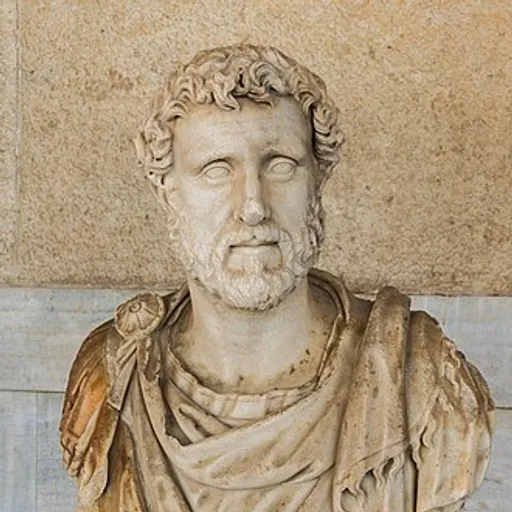
-21His 23-year reign is almost eerily quiet — no major wars, no scandals, no purges — just steady administration, legal reform, and a treasury left fuller than he found it. Critics call that boring; defenders call it the actual point of good government, proof that Rome's best years didn't require bloodshed to be great. He's the emperor historians reach for when arguing that peace and competence deserve just as much credit as conquest.
Era: 138–161
added by Yourlist EditorialAntoninus Pius
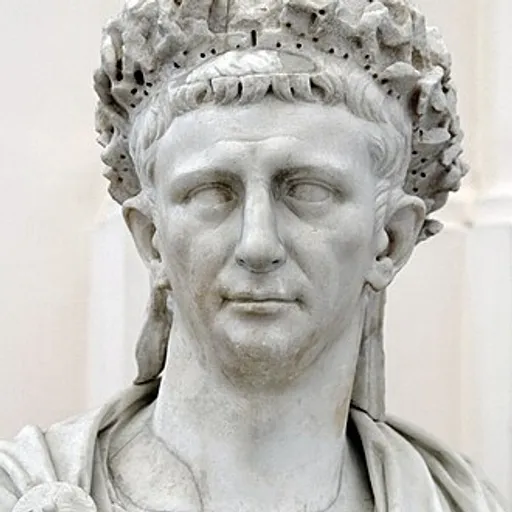
-21Mocked his whole life as a stammering, limping fool unfit to rule, he was dragged from behind a palace curtain by the Praetorian Guard after Caligula's assassination and made emperor almost as a joke — then quietly out-administered nearly everyone who'd underestimated him. He conquered Britain, expanded citizenship, and built aqueducts and harbors that kept Rome fed and functioning, proving competence could hide in plain sight. His improbable rise from family punchline to capable statesman is one of the great underdog stories in imperial history.
Era: 41–54
added by Yourlist EditorialClaudius
-33