Most Consequential One-Term Presidents
Vote on which single-term U.S. presidents left the biggest mark on history — whether through landmark achievement, catastrophic failure, or a crisis that redefined the nation.
What counts: 'Best' means greatest lasting historical impact on the country, not personal popularity or approval ratings. Historian rankings, day counts, and ratings are approximate and based on general historical consensus (e.g., C-SPAN-style surveys).
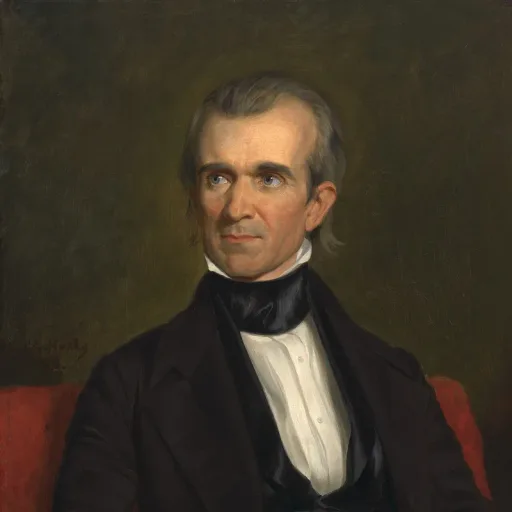
Polk pledged to serve only one term and then delivered arguably the most transformative single term in American history, provoking and winning the Mexican-American War and adding California, Nevada, Utah and more to the map. He also settled the Oregon boundary dispute with Britai
Term in Office: 1845–1849Historian Ranking (lower=better): 18 rankConsequence Rating (0-10): 9/10Sought a Second Term: —Faced Major National Crisis: ✓Signature Legacy: Doubled U.S. territory via the Mexican-American WarDays in Office (higher=longer): 1,461 days
added by Yourlist Editorialin 7 rankingsJames K. Polk
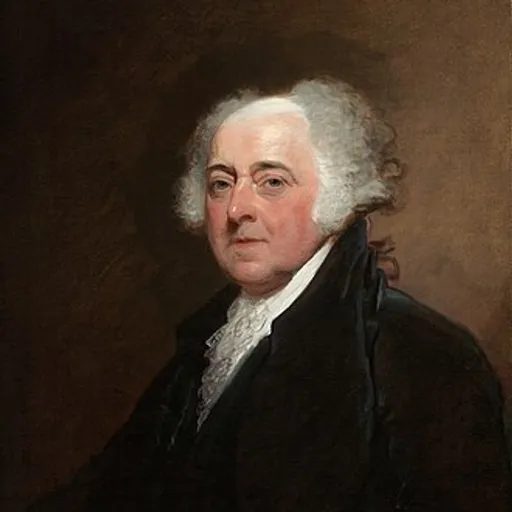
0As the first president to succeed a founding icon, Adams kept the fragile young republic out of war with France despite pressure from his own Federalist Party — a decision that cost him reelection but likely saved the nation. His signing of the Alien and Sedition Acts remains a c
Term in Office: 1797–1801Historian Ranking (lower=better): 17 rankConsequence Rating (0-10): 8.5/10Sought a Second Term: ✓Faced Major National Crisis: ✓Signature Legacy: Avoided war with France; peaceful power transferDays in Office (higher=longer): 1,461 days
added by Yourlist Editorialin 12 rankingsJohn Adams
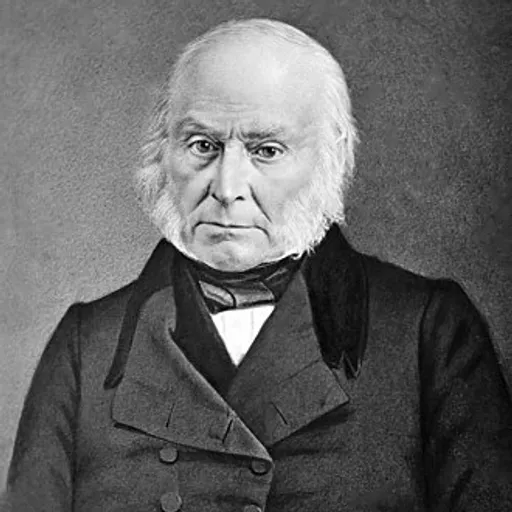
0Adams' single term was overshadowed by the 'Corrupt Bargain' controversy that elected him and doomed his agenda, but his true consequence came after leaving office. Returning to Congress, he became the fiercest anti-slavery voice in the House and famously defended the Amistad cap
Term in Office: 1825–1829Historian Ranking (lower=better): 20 rankConsequence Rating (0-10): 6.5/10Sought a Second Term: ✓Faced Major National Crisis: —Signature Legacy: Post-presidency anti-slavery crusader in the HouseDays in Office (higher=longer): 1,461 days
added by Yourlist Editorialin 4 rankingsJohn Quincy Adams
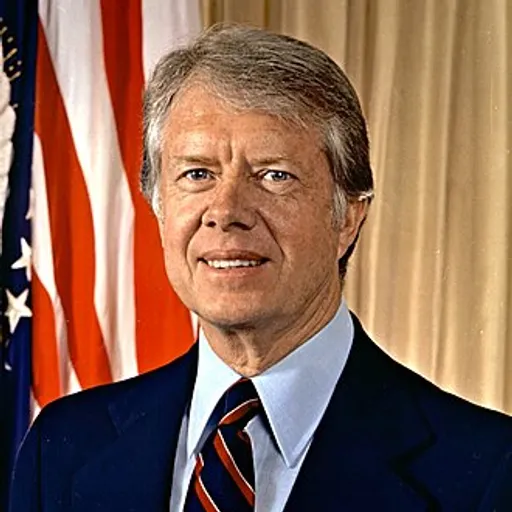
0Carter brokered the Camp David Accords, the first peace treaty between Israel and an Arab nation, a diplomatic triumph that still holds decades later. But the Iran Hostage Crisis and stagflation crushed his reelection bid, making his term a case study in how foreign-policy succes
Term in Office: 1977–1981Historian Ranking (lower=better): 26 rankConsequence Rating (0-10): 7.5/10Sought a Second Term: ✓Faced Major National Crisis: ✓Signature Legacy: Camp David Accords & human rights diplomacyDays in Office (higher=longer): 1,461 days
added by Yourlist Editorialin 11 rankingsJimmy Carter
0George H.W. Bush
Bush assembled a global coalition to reverse Iraq's invasion of Kuwait in the swift, decisive Gulf War, and steered America through the peaceful collapse of the Soviet Union. His broken 'no new taxes' pledge and a mild recession cost him reelection to Bill Clinton despite histori
Term in Office: 1989–1993Historian Ranking (lower=better): 21 rankConsequence Rating (0-10): 8/10Sought a Second Term: ✓Faced Major National Crisis: ✓Signature Legacy: Led the Gulf War, oversaw Soviet collapseDays in Office (higher=longer): 1,461 days
added by Yourlist Editorialin 5 rankings
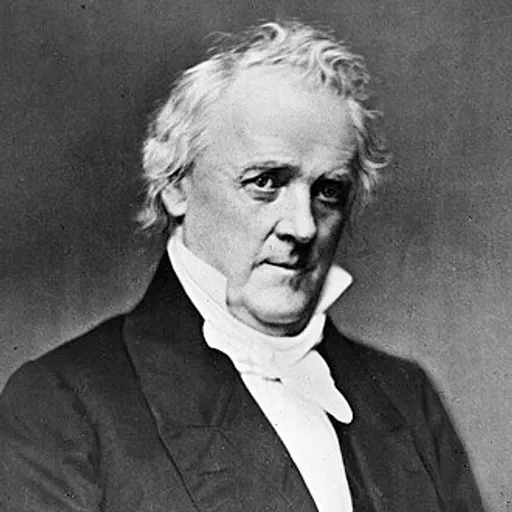
0Widely ranked among the worst presidents, Buchanan's consequence lies in catastrophic failure: he watched seven states secede in his final months and did essentially nothing to stop them, handing Lincoln a nation already breaking apart. His paralysis during the secession winter o
Term in Office: 1857–1861Historian Ranking (lower=better): 43 rankConsequence Rating (0-10): 8.5/10Sought a Second Term: —Faced Major National Crisis: ✓Signature Legacy: Failed to prevent Southern secessionDays in Office (higher=longer): 1,461 days
added by Yourlist Editorialin 5 rankingsJames Buchanan
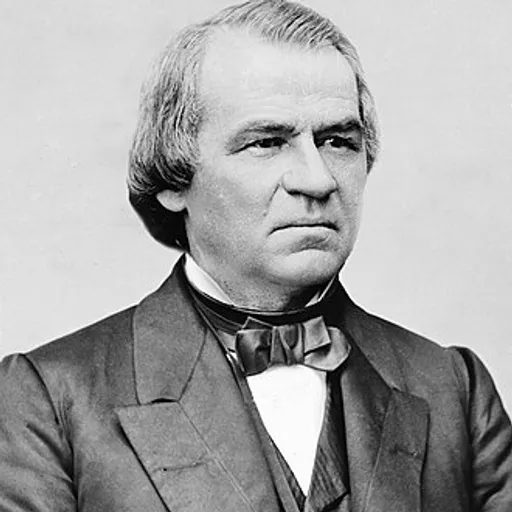
0Succeeding the assassinated Lincoln, Johnson's lenient Reconstruction policies and hostility to Black civil rights led directly to his impeachment by the House in 1868, though he survived Senate conviction by a single vote. His presidency shaped Reconstruction's failure and the e
Term in Office: 1865–1869Historian Ranking (lower=better): 42 rankConsequence Rating (0-10): 8/10Sought a Second Term: —Faced Major National Crisis: ✓Signature Legacy: Clashed with Congress, first president impeachedDays in Office (higher=longer): 1,420 days
added by Yourlist Editorialin 8 rankingsAndrew Johnson
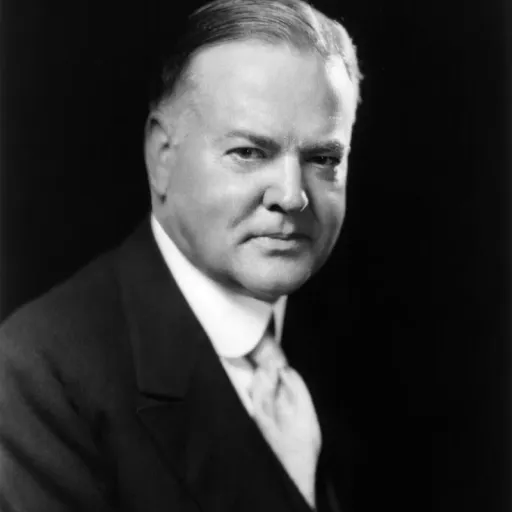
0Hoover took office as a celebrated engineer and humanitarian, then watched the stock market crash seven months later, ushering in the Great Depression. His reluctance to use federal power for relief made his name synonymous with economic catastrophe and paved the way for FDR's Ne
Term in Office: 1929–1933Historian Ranking (lower=better): 36 rankConsequence Rating (0-10): 8/10Sought a Second Term: ✓Faced Major National Crisis: ✓Signature Legacy: Great Depression began on his watchDays in Office (higher=longer): 1,461 days
added by Yourlist Editorialin 10 rankingsHerbert Hoover
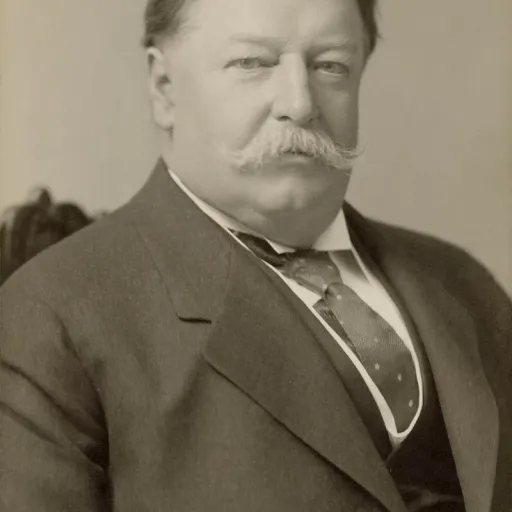
0Taft actually busted more trusts than his predecessor Roosevelt, but a split with Roosevelt fractured the Republican Party and doomed his reelection in a three-way race. He later became the only former president to serve as Chief Justice, a second act many consider more consequen
Term in Office: 1909–1913Historian Ranking (lower=better): 25 rankConsequence Rating (0-10): 6/10Sought a Second Term: ✓Faced Major National Crisis: —Signature Legacy: Trust-busting president turned Chief JusticeDays in Office (higher=longer): 1,461 days
added by Yourlist Editorialin 8 rankingsWilliam Howard Taft
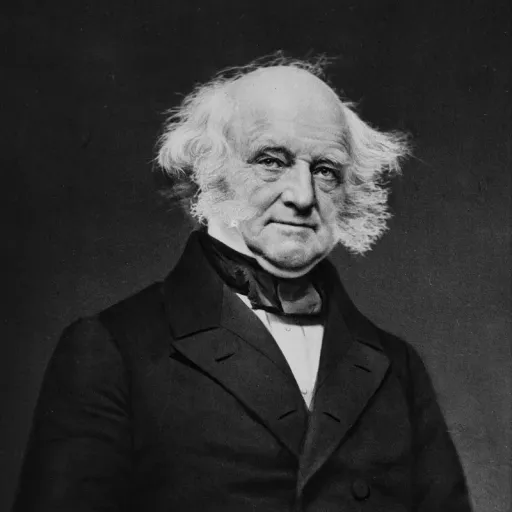
0Van Buren inherited Andrew Jackson's economic policies just as the Panic of 1837 hit, and the resulting depression defined his single term. His refusal to bail out banks earned him the nickname 'Martin Van Ruin' and cost him reelection to William Henry Harrison.
Term in Office: 1837–1841Historian Ranking (lower=better): 31 rankConsequence Rating (0-10): 5.5/10Sought a Second Term: ✓Faced Major National Crisis: ✓Signature Legacy: Panic of 1837 defined his presidencyDays in Office (higher=longer): 1,461 days
added by Yourlist Editorialin 5 rankingsMartin Van Buren
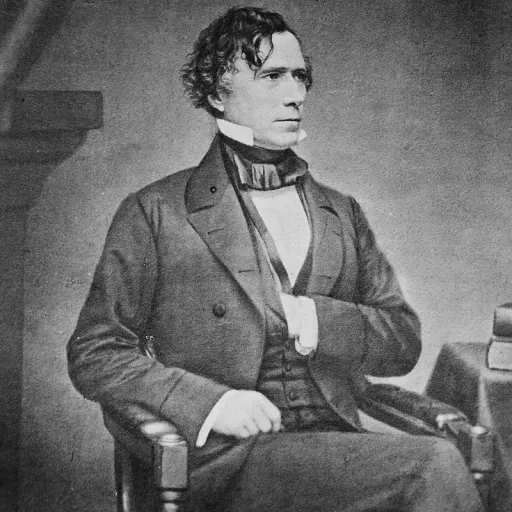
0Pierce signed the Kansas-Nebraska Act, reopening the slavery expansion question and triggering 'Bleeding Kansas,' a preview of the Civil War. His own party refused to renominate him, making him the only elected president denied even a chance to run for a second term.
Term in Office: 1853–1857Historian Ranking (lower=better): 41 rankConsequence Rating (0-10): 7/10Sought a Second Term: —Faced Major National Crisis: ✓Signature Legacy: Kansas-Nebraska Act inflamed slavery divideDays in Office (higher=longer): 1,461 days
added by Yourlist Editorialin 7 rankingsFranklin Pierce
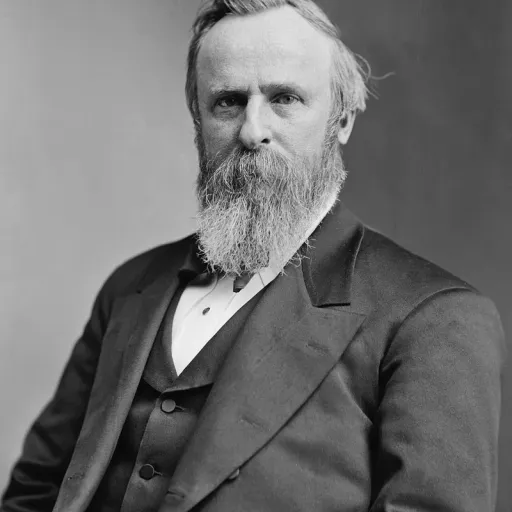
0Hayes won the disputed 1876 election through the Compromise of 1877, which ended Reconstruction by withdrawing federal troops from the South — a bargain with consequences for Black Americans lasting generations. He'd promised to serve only one term, and he kept that promise even
Term in Office: 1877–1881Historian Ranking (lower=better): 32 rankConsequence Rating (0-10): 6.5/10Sought a Second Term: —Faced Major National Crisis: ✓Signature Legacy: Ended Reconstruction via the Compromise of 1877Days in Office (higher=longer): 1,461 days
added by Yourlist Editorialin 6 rankingsRutherford B. Hayes
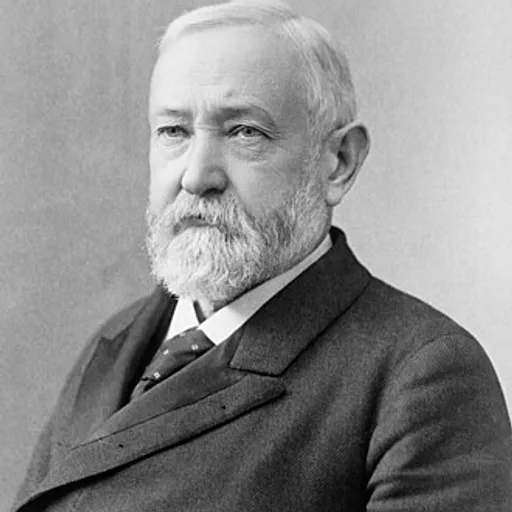
0Harrison signed the Sherman Antitrust Act, the first federal law targeting monopolies, and presided over the admission of six new states in a single term. He lost reelection to the same man he'd beaten, Grover Cleveland, making their pair the only presidential rematch split acros
Term in Office: 1889–1893Historian Ranking (lower=better): 30 rankConsequence Rating (0-10): 5.5/10Sought a Second Term: ✓Faced Major National Crisis: —Signature Legacy: Signed Sherman Antitrust Act, added 6 statesDays in Office (higher=longer): 1,461 days
added by Yourlist Editorialin 6 rankingsBenjamin Harrison
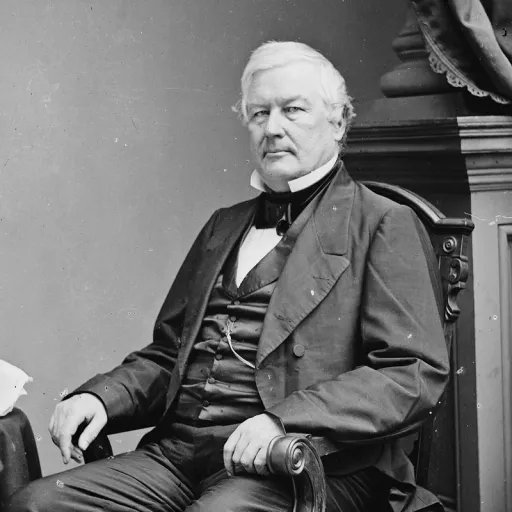
0Fillmore signed the Compromise of 1850, including the divisive Fugitive Slave Act, buying the fracturing Union roughly a decade before civil war finally erupted. His party abandoned him in 1852, and he later ran a failed third-party campaign as the Know Nothing candidate.
Term in Office: 1850–1853Historian Ranking (lower=better): 38 rankConsequence Rating (0-10): 6.5/10Sought a Second Term: —Faced Major National Crisis: ✓Signature Legacy: Signed the Compromise of 1850Days in Office (higher=longer): 968 days
added by Yourlist Editorialin 4 rankingsMillard Fillmore
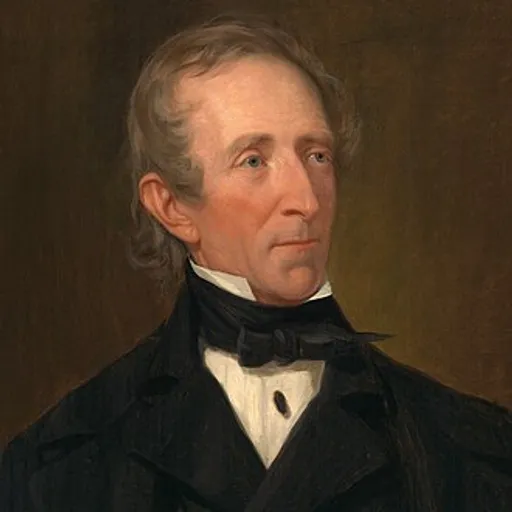
0Nicknamed 'His Accidency,' Tyler became the first vice president to ascend to the presidency after William Henry Harrison's death, establishing the constitutional precedent for succession. He pushed through the annexation of Texas just before leaving office, expanding the nation
Term in Office: 1841–1845Historian Ranking (lower=better): 39 rankConsequence Rating (0-10): 6/10Sought a Second Term: —Faced Major National Crisis: —Signature Legacy: Annexed Texas, first VP to ascend to presidencyDays in Office (higher=longer): 1,430 days
added by Yourlist Editorialin 5 rankingsJohn Tyler
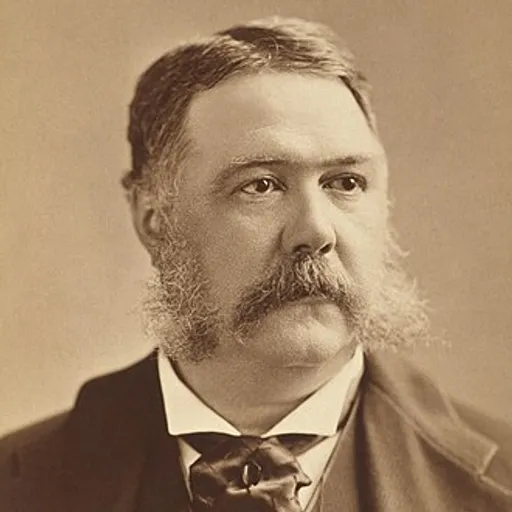
0Arthur, a product of the corrupt spoils system, surprised everyone by championing the Pendleton Civil Service Reform Act after Garfield's assassination by a disappointed office-seeker. His own party denied him renomination, but his reform legacy outlived his brief moment in power
Term in Office: 1881–1885Historian Ranking (lower=better): 27 rankConsequence Rating (0-10): 5/10Sought a Second Term: —Faced Major National Crisis: —Signature Legacy: Championed civil service reform unexpectedlyDays in Office (higher=longer): 1,262 days
added by Yourlist EditorialChester A. Arthur
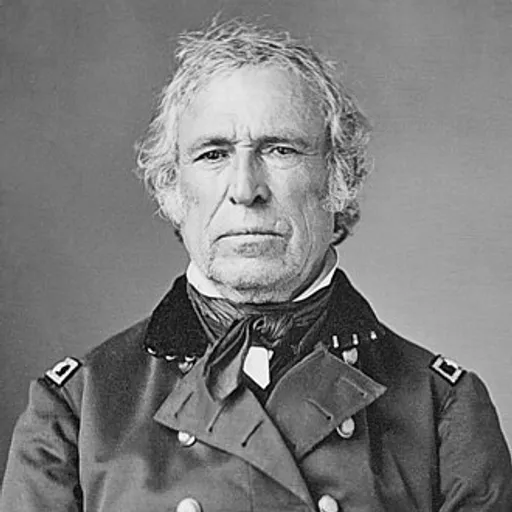
0A war hero with no political experience, Taylor died just sixteen months into his term, reportedly after a sudden July illness, leaving the brewing crisis over slavery in new territories unresolved. His death handed the Compromise of 1850 to his successor Fillmore, altering the c
Term in Office: 1849–1850Historian Ranking (lower=better): 33 rankConsequence Rating (0-10): 4/10Sought a Second Term: —Faced Major National Crisis: ✓Signature Legacy: Died before resolving slavery expansion crisisDays in Office (higher=longer): 492 days
added by Yourlist Editorialin 3 rankingsZachary Taylor
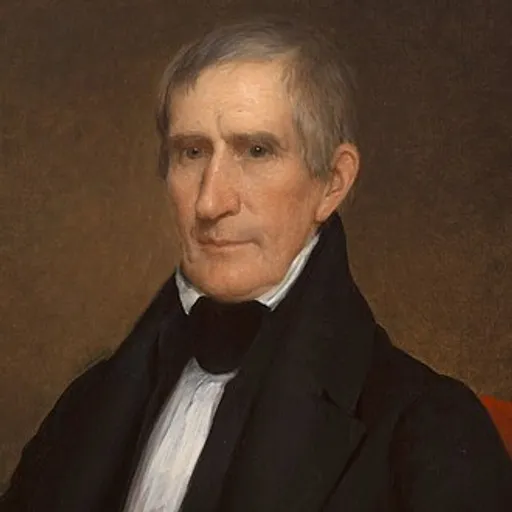
0Harrison delivered the longest inaugural address in U.S. history in freezing weather, then died of illness just 31 days later — the shortest presidency ever. His brief tenure's main consequence was forcing the nation to clarify presidential succession for the first time.
Term in Office: 1841Historian Ranking (lower=better): —Consequence Rating (0-10): 2/10Sought a Second Term: —Faced Major National Crisis: —Signature Legacy: Shortest presidency in U.S. history, 31 daysDays in Office (higher=longer): 31 days
added by Yourlist Editorialin 2 rankingsWilliam Henry Harrison
0