Most Influential Philosophers Ever
Philosophy has shaped how humanity thinks about truth, ethics, existence, and society, with certain thinkers leaving ideas so profound that they continue to influence law, science, religion, and culture centuries later. From ancient Greece to modern academia, these great minds have sparked debates that still rage in classrooms and coffee shops alike. Who do you believe left the deepest mark on human thought? Cast your vote and help settle the debate.
What counts: Ranking reflects breadth and depth of influence on later philosophy, science, religion, politics, and culture — not agreement with their conclusions. Eras and legacy scores are approximate and inherently debatable; treat them as conversation starters, not verdicts.
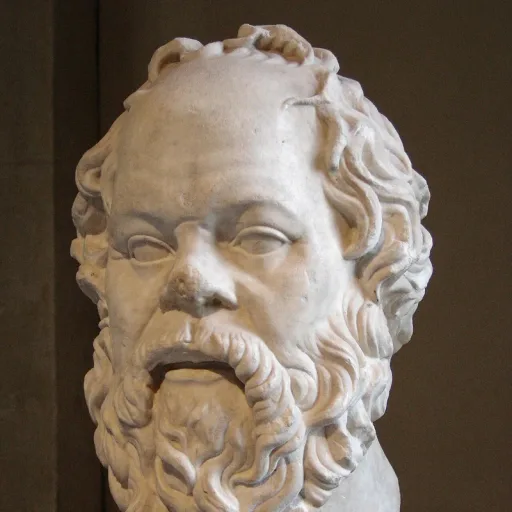
Never wrote a word, yet the trial-and-death scene in Plato's dialogues made him the founding martyr of philosophy itself. The Socratic method he pioneered — relentless questioning to expose ignorance — remains the basic tool of critical thinking taught today.
Active Era: 5th century BCETradition: Classical GreekLegacy Impact: 9.5/10Signature Work/Idea: Socratic method
added by Yourlist Editorialin 5 rankingsSocrates
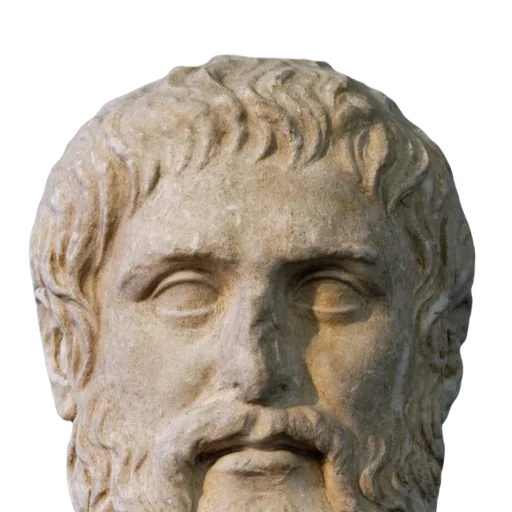
0Founded the Academy and, through dialogues like The Republic, invented metaphysics, political philosophy, and the theory of Forms in one stroke. Alfred North Whitehead's quip that all Western philosophy is 'footnotes to Plato' is only slight exaggeration.
Active Era: 5th–4th century BCETradition: Classical GreekLegacy Impact: 10/10Signature Work/Idea: Theory of Forms, The Republic
added by Yourlist Editorialin 3 rankingsPlato
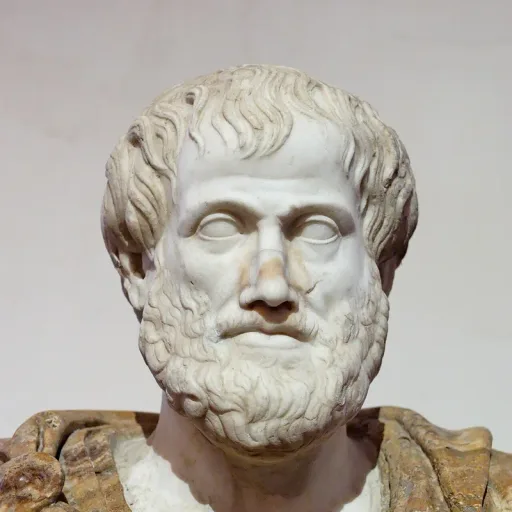
0Tutor to Alexander the Great, Aristotle systematized logic, biology, ethics, and physics so thoroughly that his work dominated Western and Islamic scholarship for nearly two millennia. His Nicomachean Ethics still anchors virtue-ethics debates today.
Active Era: 4th century BCETradition: Classical GreekLegacy Impact: 10/10Signature Work/Idea: Logic, virtue ethics, Metaphysics
added by Yourlist Editorialin 5 rankingsAristotle
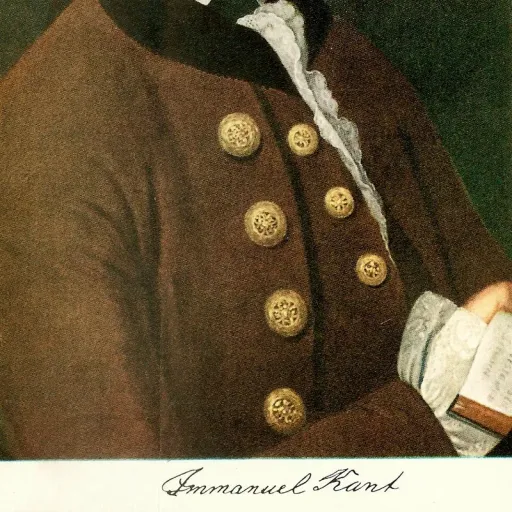
0The Critique of Pure Reason attempted a total reconciliation of empiricism and rationalism, arguing the mind actively structures experience rather than passively receiving it. His categorical imperative reshaped moral philosophy into something universal and duty-based rather than
Active Era: 18th centuryTradition: German IdealismLegacy Impact: 9.5/10Signature Work/Idea: Critique of Pure Reason, categorical imperative
added by Yourlist Editorialin 2 rankingsImmanuel Kant
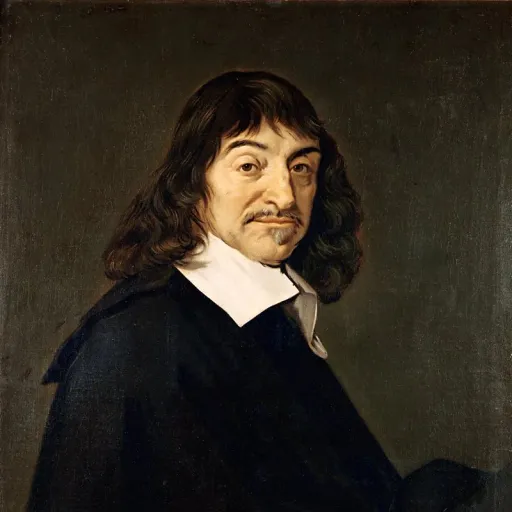
0'Cogito, ergo sum' launched modern philosophy by making individual doubt, not tradition or authority, the starting point of knowledge. He's often called the father of modern rationalism and the mind-body split still debated in philosophy of mind.
Active Era: 17th centuryTradition: RationalismLegacy Impact: 9/10Signature Work/Idea: Cogito ergo sum, dualism
added by Yourlist Editorialin 2 rankingsRené Descartes
0Traveling teacher whose sayings, compiled as the Analects, became the moral and political backbone of Chinese civilization for over two thousand years. His emphasis on ren (benevolence) and filial piety still structures East Asian social life and governance ideals.
Active Era: 6th–5th century BCETradition: Chinese philosophyLegacy Impact: 9.5/10Signature Work/Idea: The Analects, Confucianism
added by Yourlist Editorialin 6 rankingsConfucius
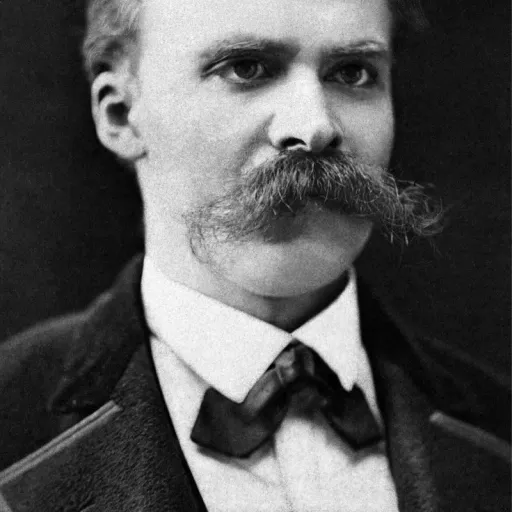
0Declared 'God is dead' and diagnosed Western morality as a slave revolt against natural aristocratic values, in works like Thus Spoke Zarathustra. His ideas of the will to power and eternal recurrence unsettled 20th-century thought, for better and — via misappropriation — for wor
Active Era: 19th centuryTradition: Continental / ExistentialismLegacy Impact: 9/10Signature Work/Idea: Will to power, 'God is dead'
added by Yourlist Editorialin 2 rankingsFriedrich Nietzsche
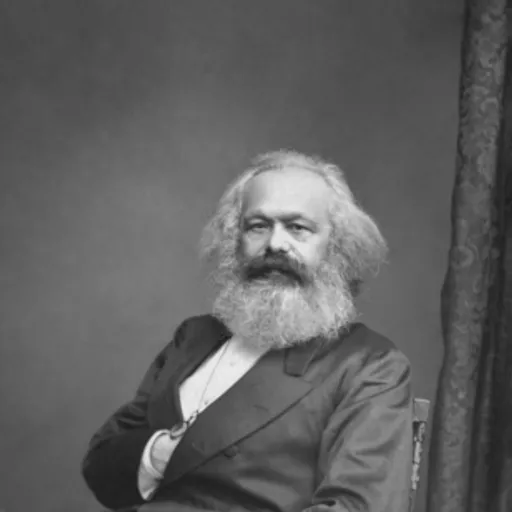
0Co-wrote the Communist Manifesto and Das Kapital, arguing history is driven by class struggle over material production. Whether hero or villain, no philosopher reshaped 20th-century geopolitics — revolutions, states, economies — more directly than Marx.
Active Era: 19th centuryTradition: Marxism / Historical materialismLegacy Impact: 9/10Signature Work/Idea: Das Kapital, historical materialism
added by Yourlist Editorialin 5 rankingsKarl Marx
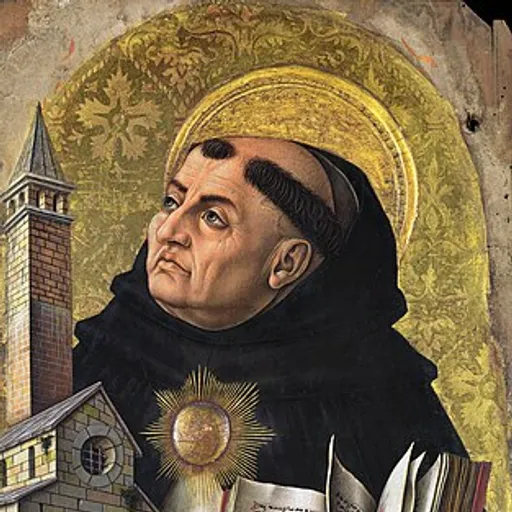
0Fused Aristotelian logic with Christian theology in the Summa Theologica, creating the intellectual scaffolding of the Catholic Church that still stands. His 'five ways' arguments for God's existence remain a staple of philosophy of religion courses.
Active Era: 13th centuryTradition: ScholasticismLegacy Impact: 8.5/10Signature Work/Idea: Summa Theologica, natural law
added by Yourlist EditorialThomas Aquinas
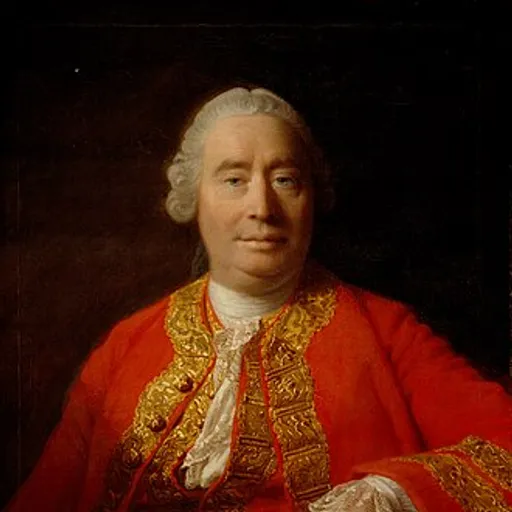
0His radical empiricism and skepticism about causation and induction 'woke Kant from his dogmatic slumber' and still haunts philosophy of science. Hume's is-ought problem remains a live landmine in every ethics seminar.
Active Era: 18th centuryTradition: British EmpiricismLegacy Impact: 8.5/10Signature Work/Idea: Problem of induction, is-ought problem
added by Yourlist Editorialin 2 rankingsDavid Hume
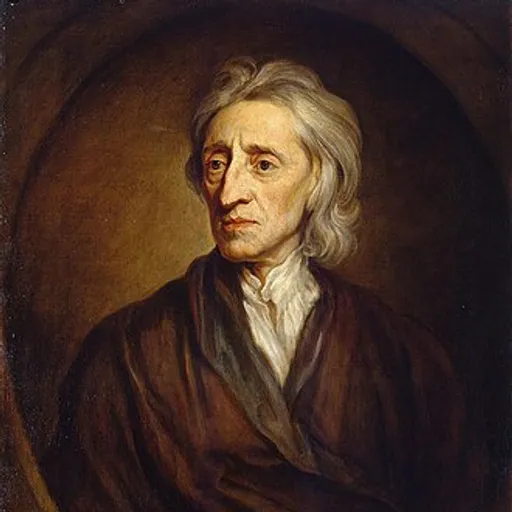
0Argued the mind is a blank slate shaped by experience and that governments derive legitimacy from the consent of the governed — ideas that flowed directly into the American Declaration of Independence. His theory of natural rights to life, liberty, and property underwrites libera
Active Era: 17th centuryTradition: British Empiricism / LiberalismLegacy Impact: 8.5/10Signature Work/Idea: Tabula rasa, social contract, natural rights
added by Yourlist Editorialin 2 rankingsJohn Locke
0Siddhartha Gautama (the Buddha)
Renounced a princely life to seek an end to suffering, and his Four Noble Truths and Eightfold Path founded a philosophical-religious tradition followed by hundreds of millions today. Buddhist ideas about impermanence and non-self have increasingly influenced Western psychology a
Active Era: 6th–5th century BCETradition: Buddhist philosophyLegacy Impact: 9/10Signature Work/Idea: Four Noble Truths, Eightfold Path
added by Yourlist Editorial
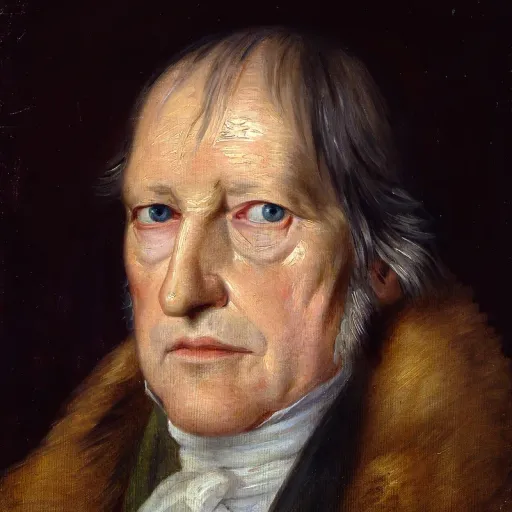
0Built a sweeping dialectical system in which history itself unfolds toward the self-realization of 'Spirit,' influencing everyone from Marx to Fukuyama. The thesis-antithesis-synthesis model, though a simplification of his actual method, became shorthand for dialectical thinking
Active Era: 18th–19th centuryTradition: German IdealismLegacy Impact: 8/10Signature Work/Idea: Dialectic, Phenomenology of Spirit
added by Yourlist EditorialGeorg Wilhelm Friedrich Hegel
0Declared 'existence precedes essence,' making radical human freedom and the burden of choice the centerpiece of postwar philosophy. Being and Nothingness and his refusal of the Nobel Prize made him existentialism's most public face.
Active Era: 20th centuryTradition: ExistentialismLegacy Impact: 7.5/10Signature Work/Idea: Existence precedes essence, Being and Nothingness
added by Yourlist EditorialJean-Paul Sartre
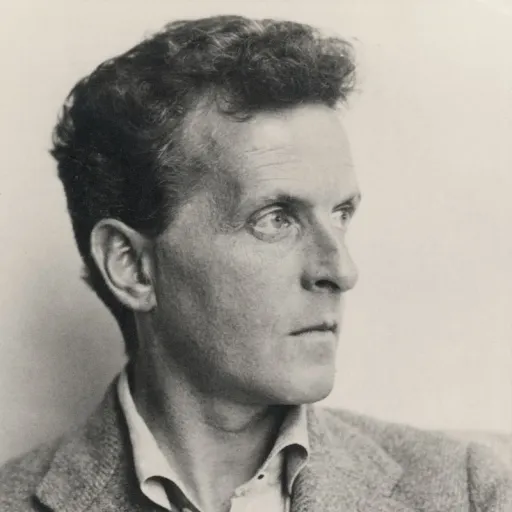
0Wrote the entire Tractatus Logico-Philosophicus believing he'd solved philosophy, then reversed himself in the Philosophical Investigations to argue meaning comes from language 'games' and use. Few thinkers have so completely dominated two opposite eras of the same discipline.
Active Era: 20th centuryTradition: Analytic philosophyLegacy Impact: 8/10Signature Work/Idea: Tractatus, language games
added by Yourlist EditorialLudwig Wittgenstein
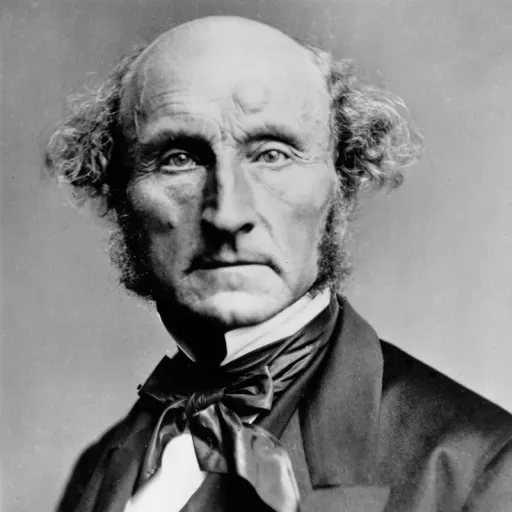
0Refined utilitarianism into a defensible ethical system and, in On Liberty, wrote the most influential defense of individual freedom and free speech in the English language. His harm principle still frames debates over censorship and personal liberty.
Active Era: 19th centuryTradition: Utilitarianism / LiberalismLegacy Impact: 8/10Signature Work/Idea: On Liberty, utilitarianism
added by Yourlist EditorialJohn Stuart Mill
0Traced how power operates not through force but through institutions, discourse, and knowledge itself — prisons, hospitals, sexuality — reshaping how humanities scholars think about power everywhere. Discipline and Punish became one of the most cited academic books of the 20th ce
Active Era: 20th centuryTradition: Post-structuralismLegacy Impact: 7.5/10Signature Work/Idea: Power/knowledge, Discipline and Punish
added by Yourlist EditorialMichel Foucault
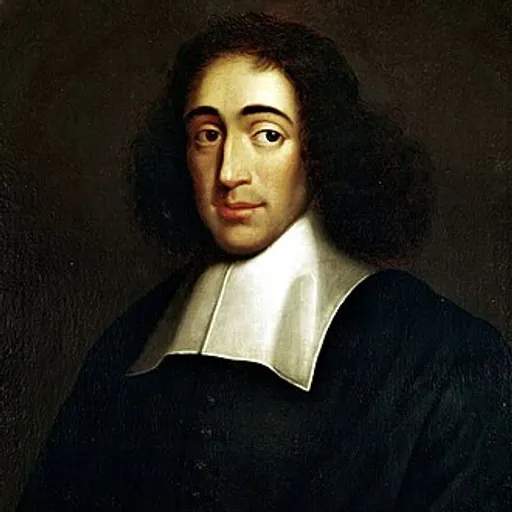
0Excommunicated for arguing God and Nature are one substance, Spinoza's pantheistic rationalism quietly influenced everyone from Einstein to the Enlightenment's radical wing. His Ethics remains a landmark attempt to derive morality with geometric certainty.
Active Era: 17th centuryTradition: RationalismLegacy Impact: 7.5/10Signature Work/Idea: Ethics, pantheism
added by Yourlist EditorialBenedictus de Spinoza
0Lao Tzu
Legendary author of the Tao Te Ching, whose paradoxical teachings on effortless action (wu wei) and yielding softness founded Taoism alongside Confucianism as the twin pillars of Chinese thought. Whether a single person or a composite legend, the text's influence on East Asian ph
Active Era: 6th century BCE (traditional)Tradition: TaoismLegacy Impact: 8/10Signature Work/Idea: Tao Te Ching, wu wei
added by Yourlist Editorial
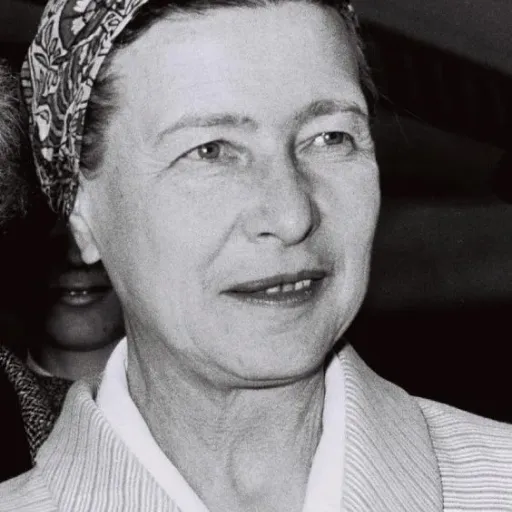
0The Second Sex laid the philosophical groundwork for modern feminism with the claim that 'one is not born, but rather becomes, a woman.' Her existentialist analysis of gender as constructed rather than fixed reshaped feminist theory for generations.
Active Era: 20th centuryTradition: Existentialism / Feminist philosophyLegacy Impact: 7.5/10Signature Work/Idea: The Second Sex
added by Yourlist Editorialin 2 rankingsSimone de Beauvoir
0