Presidents Who Defied Their Own Party
American presidents are expected to champion their party's platform, but history's most memorable leaders sometimes broke ranks to follow their own convictions, defying allies and infuriating loyalists in the process. These moments of political independence reshaped policy, redefined party lines, and left lasting legacies on the nation. Which president do you think showed the boldest defiance of their own party? Cast your vote and help rank them!
What counts: 'Best' means the president most decisively broke with his own party on a defining issue, often at real political cost — ranked by the boldness and lasting consequences of that defiance. Years, ratings, and split/renomination facts are approximate and reflect general historical consensus.
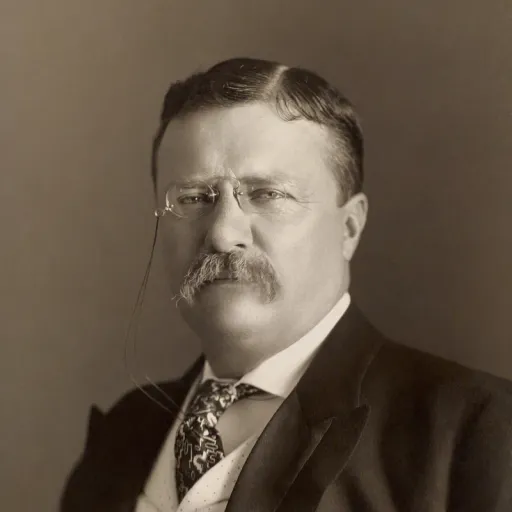
TR's trust-busting and conservation agenda alienated the GOP's business wing, but the real rupture came in 1912 when he bolted the Republican Party entirely to run as a Progressive, splitting the vote and handing the White House to Woodrow Wilson. His 'Bull Moose' crusade remains
Party: RepublicanYears in Office: 1901–1909Signature Break: Ran a third-party 'Bull Moose' campaign against his own party's sitting nominee in 1912Renominated by Party: —Caused Formal Party Split: ✓Defiance Level: 10/10Historical Legacy: 9/10
added by Yourlist Editorialin 17 rankingsTheodore Roosevelt
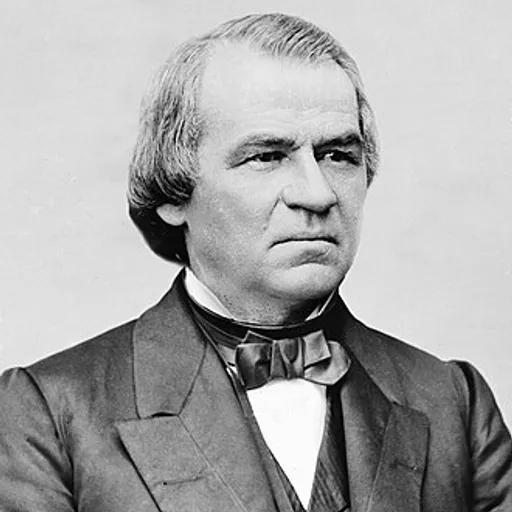
0A Southern Democrat placed on Lincoln's ticket for unity, Johnson clashed violently with the Radical Republicans who controlled Congress, vetoing civil rights and Reconstruction measures again and again. His defiance culminated in the first presidential impeachment, and he surviv
Party: National Union/DemocratYears in Office: 1865–1869Signature Break: Vetoed Reconstruction and civil rights bills passed by his own Republican-controlled CongressRenominated by Party: —Caused Formal Party Split: ✓Defiance Level: 9/10Historical Legacy: 4/10
added by Yourlist Editorialin 8 rankingsAndrew Johnson
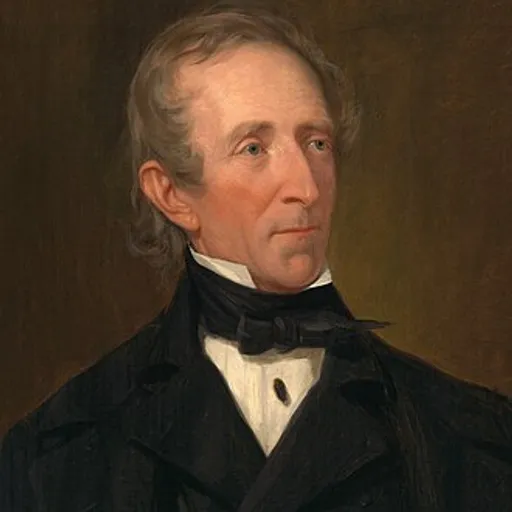
0Nicknamed 'His Accidency' after succeeding William Henry Harrison, Tyler vetoed the Whig-backed national bank not once but twice, prompting his cabinet to resign en masse and the party to formally expel him. He finished his term as a president without a party, the only one in Ame
Party: WhigYears in Office: 1841–1845Signature Break: Vetoed his own Whig Party's national bank bills, prompting his cabinet's mass resignationRenominated by Party: —Caused Formal Party Split: ✓Defiance Level: 10/10Historical Legacy: 3/10
added by Yourlist Editorialin 5 rankingsJohn Tyler
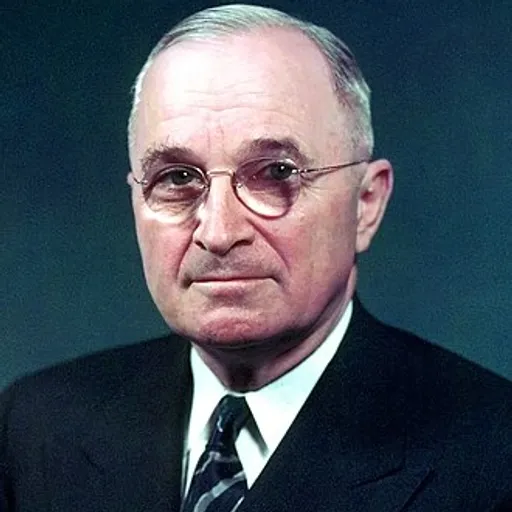
0When Truman ordered the armed forces desegregated and put civil rights on the Democratic platform in 1948, Southern delegates walked out and ran Strom Thurmond as a breakaway 'Dixiecrat' candidate. Written off as doomed, Truman won anyway, proving a president could defy his party
Party: DemocratYears in Office: 1945–1953Signature Break: Desegregated the military and pushed civil rights, triggering the 1948 Dixiecrat walkoutRenominated by Party: ✓Caused Formal Party Split: ✓Defiance Level: 8/10Historical Legacy: 8/10
added by Yourlist Editorialin 7 rankingsHarry Truman
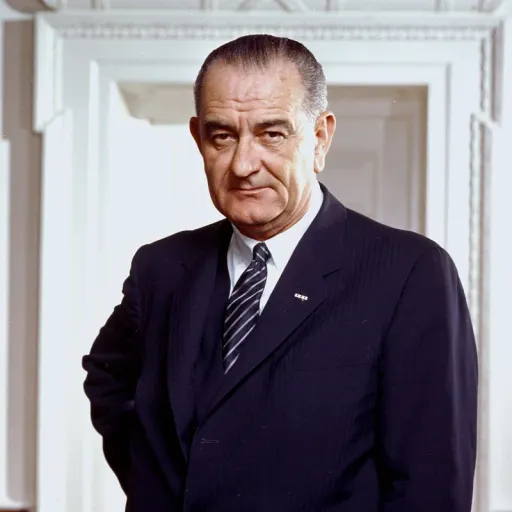
0LBJ used his mastery of the Senate to force through civil rights legislation his own party's Southern wing had blocked for a century, reportedly predicting it would cost Democrats the South 'for a generation.' The gambit reshaped American politics and cost him standing within his
Party: DemocratYears in Office: 1963–1969Signature Break: Signed the Civil Rights and Voting Rights Acts over Southern Democratic objectionsRenominated by Party: —Caused Formal Party Split: ✓Defiance Level: 8/10Historical Legacy: 8/10
added by Yourlist Editorialin 14 rankingsLyndon B. Johnson
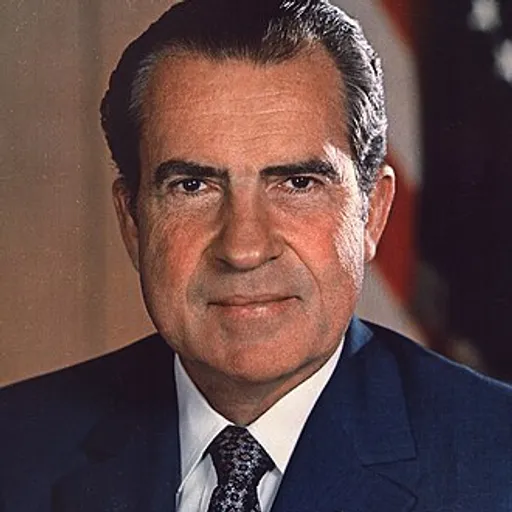
0A lifelong anti-communist, Nixon stunned his own party's right flank by opening diplomatic relations with Mao's China and further angered conservatives by imposing wage-and-price controls and founding the EPA — moves that read like a Democrat's wish list. Only a hardline anti-com
Party: RepublicanYears in Office: 1969–1974Signature Break: Opened relations with Communist China and created the EPA and wage-price controlsRenominated by Party: ✓Caused Formal Party Split: —Defiance Level: 7/10Historical Legacy: 6/10
added by Yourlist Editorialin 18 rankingsRichard Nixon
0George H.W. Bush
Bush's 1988 convention pledge, 'Read my lips: no new taxes,' became the most quoted promise in modern politics — and breaking it to strike a bipartisan deficit deal in 1990 became the most quoted betrayal. Conservative Republicans never forgave him, fueling a primary challenge fr
Party: RepublicanYears in Office: 1989–1993Signature Break: Broke his 'no new taxes' pledge to sign a 1990 deficit-reduction tax increaseRenominated by Party: ✓Caused Formal Party Split: —Defiance Level: 7/10Historical Legacy: 6/10
added by Yourlist Editorialin 5 rankings
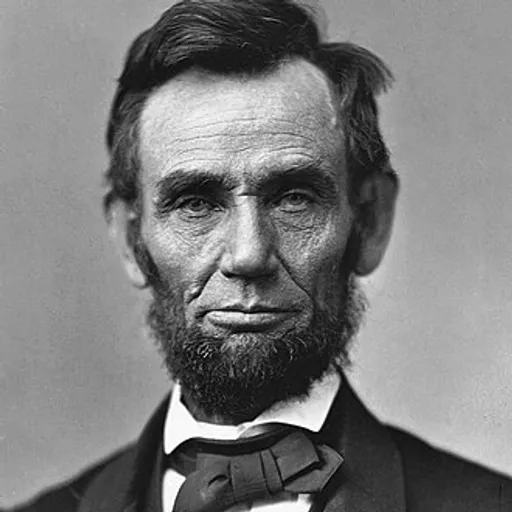
0Lincoln's own Radical Republicans in Congress wanted a punitive Reconstruction and pushed the Wade-Davis Bill over his pocket veto, furious at his lenient 'with malice toward none' approach to the defeated South. He held the moderate line against his party's most zealous faction
Party: RepublicanYears in Office: 1861–1865Signature Break: Resisted Radical Republican demands for harsh Reconstruction termsRenominated by Party: ✓Caused Formal Party Split: —Defiance Level: 6/10Historical Legacy: 10/10
added by Yourlist Editorialin 17 rankingsAbraham Lincoln
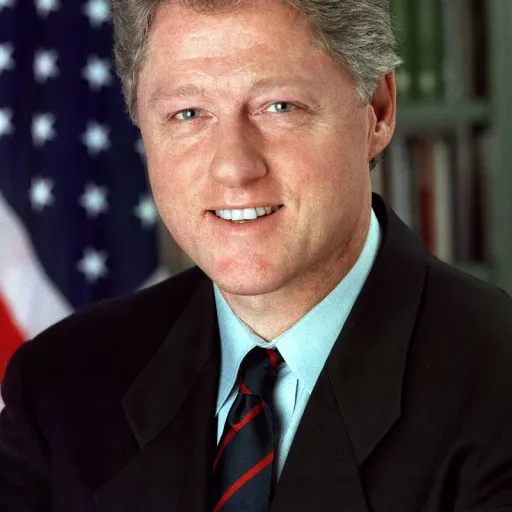
0Clinton's 'triangulation' strategy meant governing well to the right of his own party's base, most visibly when he signed the 1996 welfare reform bill over the objections of liberal stalwarts, some of whom resigned from his administration in protest. He also pushed NAFTA through
Party: DemocratYears in Office: 1993–2001Signature Break: Signed welfare reform and NAFTA over liberal Democratic and labor objectionsRenominated by Party: ✓Caused Formal Party Split: —Defiance Level: 6/10Historical Legacy: 7/10
added by Yourlist Editorialin 16 rankingsWilliam J. Clinton
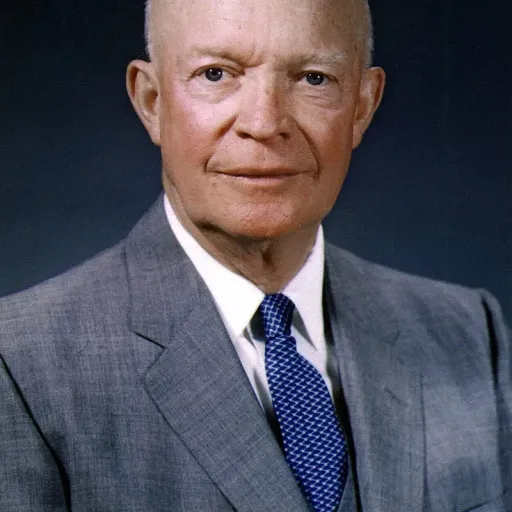
0The GOP's conservative 'Old Guard,' led by Robert Taft, wanted the New Deal dismantled; Eisenhower instead expanded Social Security and launched the interstate highway system, the largest public works project in history. He warned in his farewell address of the 'military-industri
Party: RepublicanYears in Office: 1953–1961Signature Break: Expanded Social Security and built the interstate highway system against Taft-wing objectionsRenominated by Party: ✓Caused Formal Party Split: —Defiance Level: 5/10Historical Legacy: 8/10
added by Yourlist Editorialin 17 rankingsDwight D. Eisenhower
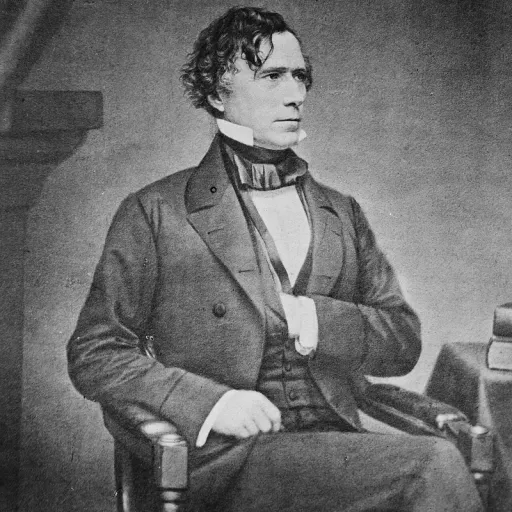
0Pierce threw his weight behind the Kansas-Nebraska Act, repealing the Missouri Compromise and igniting 'Bleeding Kansas' — a decision so divisive it helped birth the Republican Party from Democratic and Whig defectors. His own party refused to renominate him in 1856, the only ele
Party: DemocratYears in Office: 1853–1857Signature Break: Championed the Kansas-Nebraska Act, shattering Democratic unity over slaveryRenominated by Party: —Caused Formal Party Split: ✓Defiance Level: 6/10Historical Legacy: 2/10
added by Yourlist Editorialin 7 rankingsFranklin Pierce
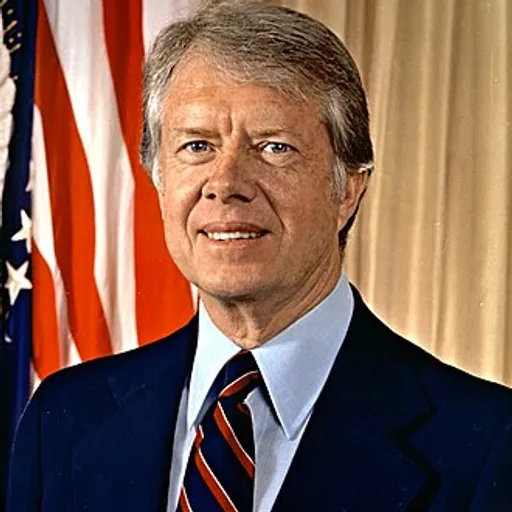
0Carter's deregulation of the airline and trucking industries broke with decades of Democratic pro-labor orthodoxy, and his defense buildup and human-rights-driven foreign policy irritated the party's dovish wing. The tension boiled into an open primary challenge from Ted Kennedy
Party: DemocratYears in Office: 1977–1981Signature Break: Pursued deregulation and defense buildups that alienated labor and liberal DemocratsRenominated by Party: ✓Caused Formal Party Split: —Defiance Level: 5/10Historical Legacy: 5/10
added by Yourlist Editorialin 11 rankingsJimmy Carter
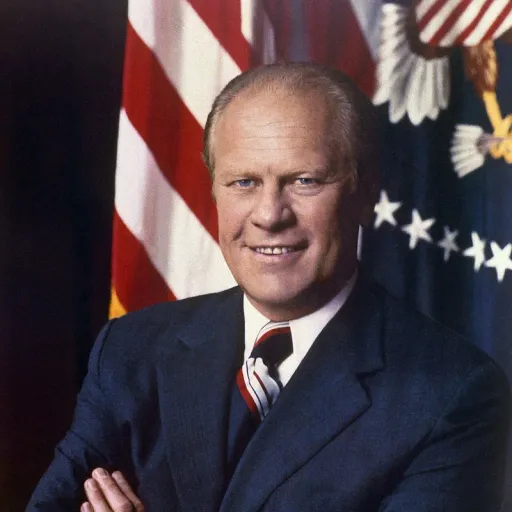
0Ford's pardon of Nixon just a month into office was meant to heal the nation but instead cratered his approval rating and fueled a conservative insurgency within his own party. Ronald Reagan nearly denied him the 1976 nomination, a startling challenge to a sitting Republican pres
Party: RepublicanYears in Office: 1974–1977Signature Break: Pardoned Richard Nixon, deeply unpopular within his own party's baseRenominated by Party: ✓Caused Formal Party Split: —Defiance Level: 5/10Historical Legacy: 5/10
added by Yourlist Editorialin 7 rankingsGerald Ford's
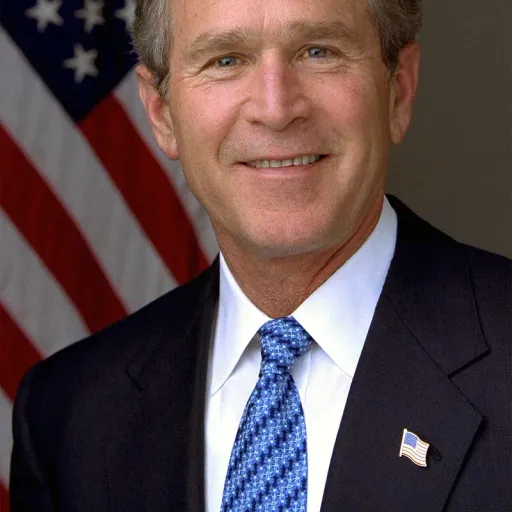
0Bush's 'compassionate conservatism' produced the largest expansion of Medicare since its creation and a federal education law many small-government Republicans despised. His 2007 push for comprehensive immigration reform, including a path to citizenship, was ultimately killed by
Party: RepublicanYears in Office: 2001–2009Signature Break: Expanded Medicare and education spending, pushed immigration reform his base rejectedRenominated by Party: ✓Caused Formal Party Split: —Defiance Level: 4/10Historical Legacy: 5/10
added by Yourlist Editorialin 13 rankingsGeorge W. Bush
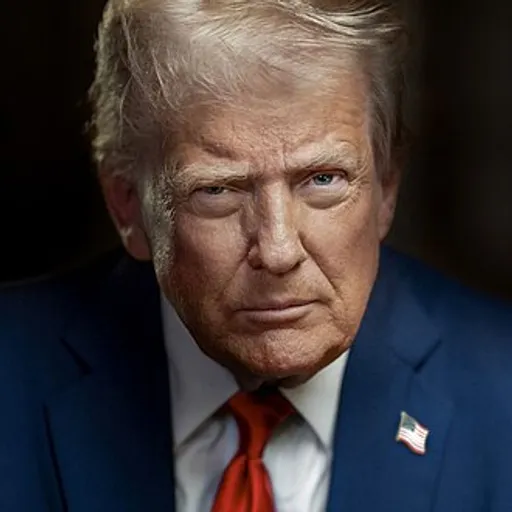
0Trump upended the GOP's post-Reagan consensus on free trade and foreign alliances, slapping tariffs on allies and adversaries alike and openly questioning the value of NATO — positions once confined to the party's populist fringe. Establishment Republicans like John McCain and Mi
Party: RepublicanYears in Office: 2017–2021Signature Break: Imposed tariffs and questioned NATO, breaking Republican free-trade and internationalist orthodoxyRenominated by Party: ✓Caused Formal Party Split: —Defiance Level: 6/10Historical Legacy: 5/10
added by Yourlist Editorialin 17 rankingsDonald John Trump
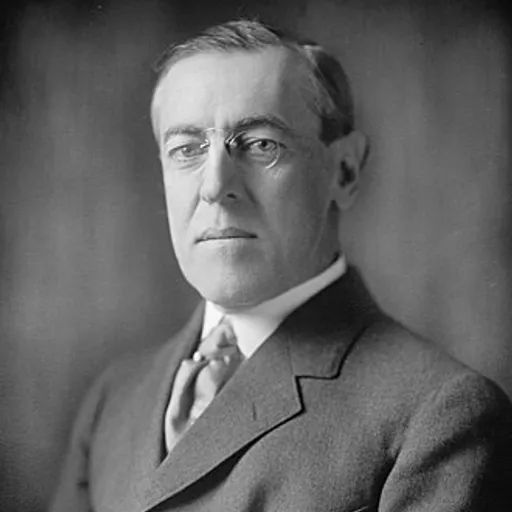
0Wilson's crusade for the League of Nations pitted him against isolationist senators, including members of his own Democratic caucus who urged him to compromise with Republican reservations. He refused, touring the country by train despite failing health rather than bend to politi
Party: DemocratYears in Office: 1913–1921Signature Break: Fought for the League of Nations against isolationist wings of both parties, including his ownRenominated by Party: ✓Caused Formal Party Split: —Defiance Level: 4/10Historical Legacy: 6/10
added by Yourlist Editorialin 15 rankingsWoodrow Wilson
0